How To Apply Tung Oil On Wood: A Step-By-Step Guide
Tung oil, a penetrating drying oil derived from the seeds of the tung tree (Vernicia fordii), is revered in woodworking and furniture finishing for its exceptional water resistance and durability. This natural treatment forms a protective layer that enhances the wood’s grain while providing a warm, rich appearance. Understanding how to apply tung oil effectively involves mastering techniques such as surface preparation, application methods, and curing processes. As woodworkers and artisans seek sustainable alternatives to synthetic finishes, mastering the art of tung oil application has become increasingly vital.
Delve deeper to uncover the step-by-step process and unleash the full potential of this remarkable finish.
How To Apply Tung Oil: A Step-By-Step Guide
Tung oil is a natural finish derived from the seeds of the tung tree, known for its water resistance and durability. Applying tung oil can enhance the beauty of wood while providing a protective layer against moisture and wear. This summary outlines the essential steps and tips on how to apply tung oil effectively, ensuring a smooth, professional finish that brings out the richness of the wood grain. Mastering this technique can elevate your woodworking projects to the next level.
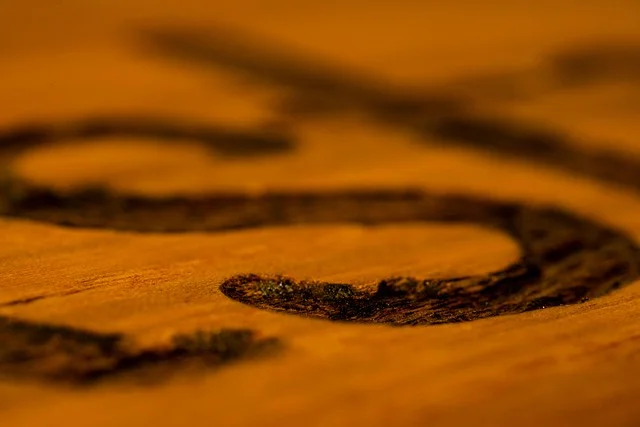
What is Tung Oil?
Tung oil is a natural finish derived from the seeds of the tung tree, mainly found in China. This oil has been around for centuries, protecting wooden items like boats and furniture. It’s known for its water resistance and durability, making it a favorite among woodworkers. Unlike other finishes, pure tung oil penetrates deeply, giving wood a rich, warm glow without a sticky feel!
| Type of Oil Finish | Benefits | Drawbacks |
|---|---|---|
| Pure Tung Oil | Durable & water-resistant | Takes longer to dry |
| Linseed Oil | Easy to apply | Can become sticky |
| Polyurethane | Very tough | Can look plastic-like |
So, while pure tung oil might take its sweet time to dry, it sure knows how to protect wood and make it look fabulous! Why not give it a shot? You might just fall in love with the results!
Best Tung Oil Pick
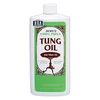
Hope’s 100% Pure Tung Oil – $17.99
Food-safe and 100% pure – the same oil this guide’s 3-coat process is built around, with no synthetic additives diluting the finish.
- Best for: furniture, cutting boards, and other food-contact wood
- Why we picked it: 100% pure, not a “tung oil finish” blend
- Main drawback: longer dry time than blended finishes
Compare more tung-oil application essentials
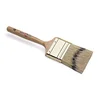 Option 1 Natural Bristle Fine Finish Brush – $18.76
|
 Option 2 Odorless Mineral Spirits, 1-Gallon – $18.22
|
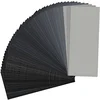 Option 3 Assorted Grit Sandpaper, 48-Pack – $7.27
|
As an Amazon Associate we earn from qualifying purchases.
Preparation Before Application
Before you dive into applying tung oil, pick a surface that’s ready to shine. Choose clean, bare wood. No one wants a muddy masterpiece! Next, give your wood a good scrub and a gentle sanding.
Think of it as giving your wood a spa day. It’ll be smooth and ready for the pampering. Lastly, grab the right tools.
A brush or cloth will do the trick. Here’s a quick look:
| Surface Type | Cleaning Method | Tools Needed |
|---|---|---|
| Raw Wood | Dust and debris removal | Brush, cloth |
| Previously Finished Wood | Strip old finish | Sandpaper, scraper |
Step-by-Step Guide to Applying Tung Oil
Here’s the full application process from start to finish:
- Mix tung oil with a little mineral spirits if thinning is needed – this helps the oil soak in better.
- Choose your applicator: a brush for detail work, a cloth for large flat areas, or a sprayer to cover ground quickly.
- Apply the first coat in thin, even strokes, working with the wood grain.
- Wipe off any excess oil with a clean cloth after about 15-20 minutes – don’t let it pool on the surface.
- Let the coat dry for 24 hours before adding the next one.
- Repeat for a total of 3 coats, lightly buffing between coats for a smoother finish.
Here’s a handy table for reference:
| Coat Number | Drying Time (Hours) |
|---|---|
| 1 | 24 |
| 2 | 24 |
| 3 | 24 |
Tips for a Successful Finish
Applying tung oil can lead to beautiful results, but it’s important to avoid mistakes. Here are some tips:
- Clean the surface well to remove dust and grease.
- Apply thin coats to prevent drips and uneven areas.
- Use a brush or cloth for smooth application.
To enhance shine, buff the surface after it dries. You can use a soft cloth to make it shine. Remember, patience is key; allow each coat to dry before adding the next.
Following these practices will help you achieve a stunning finish.
Care and Maintenance of Tung Oil Finishes
Cleaning surfaces treated with tung oil is easy. Use a damp cloth or mild soap with warm water. Avoid harsh chemicals; they’re not the best friends of tung oil. Reapply tung oil every 6 to 12 months, depending on use.
Before applying, make sure your surface is clean and dry. Maintaining this finish pays off! It keeps your wood looking beautiful and protects it from damage.
| Task | Frequency |
|---|---|
| Clean the surface | As needed |
| Reapply tung oil | Every 6-12 months |
A well-maintained tung oil finish can last for years, making your wood shine like a superhero cape! So, treat it right, and it will reward you with beauty and durability.
Common Questions About Tung Oil
Many people have questions about tung oil. There are myths, like it being hard to use, but it’s actually quite simple. Some common problems include a sticky finish or uneven color. These issues can often be fixed by adding more oil or sanding the surface.
For more help, check online forums or woodworking groups.
- Myth: Tung oil is hard to apply.
- Problem: Sticky finish?Try sanding lightly.
- Problem: Uneven color? Apply another coat.
- Resource: Join online woodworking communities for tips.
Conclusion
In summary, applying tung oil is a straightforward process that enhances and protects your woodwork. By following the steps of preparation, application, and curing, you can achieve a beautiful, water-resistant finish. Whether for furniture, floors, or crafts, incorporating tung oil into your maintenance routine will ensure longevity and appeal. Embrace this natural oil to transform your woodworking projects today!
Frequently Asked Questions
What Surface Preparation Is Necessary Before Applying Tung Oil To Wood?
Before applying tung oil to wood, ensure that the surface is clean, dry, and free of any dust, dirt, or old finishes. Sand the wood with fine-grit sandpaper to create a smooth surface and promote better oil absorption. It’s important to remove any sanding dust with a cloth or vacuum. Finally, allow the wood to acclimate to the environment, especially if it has recently been cut or milled.
How Many Coats Of Tung Oil Should I Apply For Optimal Protection And Finish?
For optimal protection and finish, it is recommended to apply at least 3 to 5 coats of tung oil. Allow each coat to fully dry before applying the next, which typically takes 24 hours. You may also choose to buff the surface between coats for a smoother finish. Adjust the number of coats based on the specific project and desired sheen.
What Tools And Materials Are Recommended For Applying Tung Oil Effectively?
To apply tung oil effectively, you should use high-quality pure tung oil, which provides the best results. A clean, lint-free cloth or natural bristle brush is ideal for application, ensuring even coverage. Additionally, a fine-grit sandpaper can help prepare the surface and create a smooth finish. Lastly, consider having some mineral spirits on hand for thinning the oil if necessary or for cleaning tools afterward.
How Long Does It Typically Take For Tung Oil To Dry Between Applications?
Tung oil typically takes about 24 to 48 hours to dry between applications, depending on factors like humidity, temperature, and the thickness of the coat applied. In cooler or more humid conditions, drying time may be extended. It’s important to ensure each layer is fully dried before applying the next for optimal results. Always follow the manufacturer’s instructions for best practices.
Are There Any Specific Techniques For Achieving A Smooth Finish When Applying Tung Oil?
Yes, to achieve a smooth finish when applying tung oil, start by sanding the surface with fine-grit sandpaper to ensure it is smooth and clean. Apply the oil in thin, even coats using a soft cloth or brush, allowing each coat to penetrate fully before wiping off excess. After each coat, buff lightly with a clean cloth once dry to smooth out any raised grain before adding the next layer.
Sponsored / affiliate links. As an Amazon Associate I earn from qualifying purchases. I may earn additional commission from eligible campaigns.