Painters Putty Vs Spackle: Ultimate Comparison Guide
Have you ever found yourself standing in the aisle of a hardware store, staring at rows of tubs and containers, wondering whether painters putty or spackle is the right choice for your project? You’re not alone.
Whether you’re sprucing up your home or tackling a DIY masterpiece, choosing the right filler can make all the difference in the final result. You want a smooth, seamless finish that speaks volumes about your attention to detail, and understanding the differences between these two products is key to achieving that.
As you delve into this article, you’ll uncover the secrets behind these popular fillers, ensuring your next project is a resounding success. Keep reading to discover which product is your ally in achieving the perfect finish!

Credit: www.obsessedwoodworking.com
Painters Putty Basics
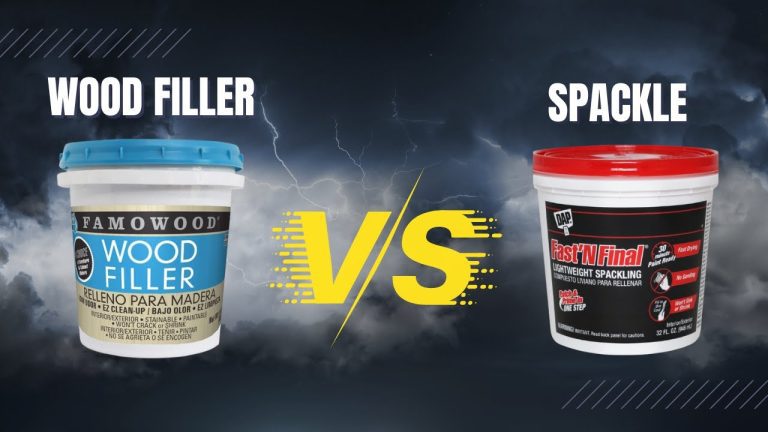
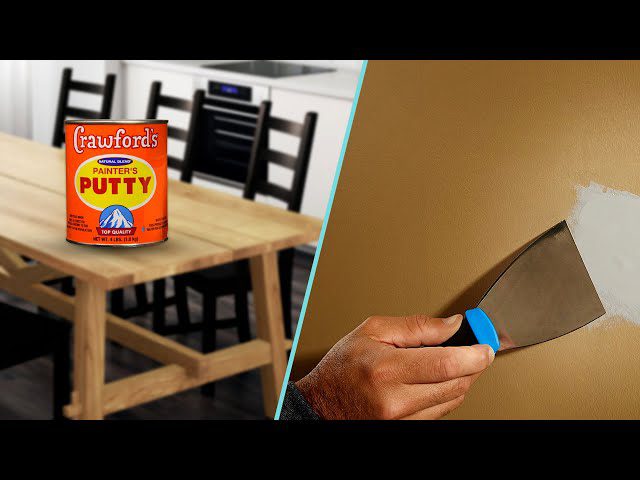
Painters putty and spackle both fill holes and cracks, but differ in texture and drying time. Putty is oil-based, ideal for wood, providing a smoother finish. Spackle, a lightweight compound, dries faster and works well on drywall. Choose based on surface type and repair needs.
Composition And Ingredients
Painters Putty is made from linseed oil and calcium carbonate. It is smooth and easy to apply. Spackle is different. It has gypsum powder and binders. These make it dry fast. Putty stays flexible for longer.
Typical Uses And Applications
Putty fills small holes and cracks. It’s good for wood surfaces. Spackle is used on walls. It repairs drywall and plaster. Putty is for outdoor and indoor. Spackle works mostly indoors.
Advantages And Limitations
Putty is water-resistant. Great for outdoor use. It can be painted over. But, it is slow to dry. Spackle dries quickly. Easy to sand and paint. It is not as good outside. Spackle shrinks less than putty.
Spackle Essentials
Understanding the difference between painters putty and spackle is essential for DIY projects. Painters putty is ideal for filling small holes and cracks in wood surfaces. Spackle, on the other hand, is perfect for repairing drywall imperfections, offering a smooth finish ready for painting.
Formulation And Components
Spackle is a lightweight material. It contains gypsum powder. Water is mixed with it. Vinyl makes it sticky. Resins help it adhere. It dries quickly. It is easy to sand. Spackle is white and smooth. It fills holes in walls.
Common Applications
Spackle is used for small repairs. Wall cracks and holes are filled. Ceiling repairs use spackle. It works on drywall. Wood surfaces can be fixed. Nail holes are covered. It is good for quick fixes.
Pros And Cons
- Pros: Spackle is easy to use.
- It dries fast.
- It is smooth to apply.
- Cons: It is not for big holes.
- It shrinks when dry.
- May need multiple coats.
Key Differences
Painters puttyis thick and smooth. It feels like dough. Spackleis different. It is soft and creamy. Easy to spread. Putty is sticky and dense. Spackle is light and fluffy. Putty needs more pressure to apply. Spackle glides on easily.
Putty dries slowly. It takes a long time. Spackle dries fast. It is ready in minutes. Putty is durable. It lasts for years. Spackle is less strong. It may chip or crack.
Putty works on wood. It fills holes well. Spackle is for walls. It fixes cracks easily. Putty is not good for drywall. Spackle is not for wood surfaces.

Credit: www.youtube.com
Choosing The Right Product
Painters putty fills holes on wood and smooth surfaces. Spackle is great for drywall and plaster. Choose based on the material you need to fix. Painters putty is more flexible. It expands and contracts with wood. Spackle dries hard and is perfect for walls. Both products work well, but each suits different jobs.
Painters putty often costs less than spackle. It is a budget-friendly choice. Spackle can be pricier due to its formulation. Consider the size of your project. Buying more putty or spackle might reduce the cost per use. Weigh the cost against the benefits for your specific needs.
Some painters putty is made with natural ingredients. This makes it eco-friendly. Spackle may contain chemicals. Check product labels for eco-friendly options. Choose products that minimize harm to the environment. Small choices can make a big difference.
Application Techniques
Painters putty fills small holes and cracks, providing a smooth surface for painting. Spackle works similarly but is ideal for larger imperfections. Both products require clean surfaces and careful application to ensure lasting results.
Preparation Steps
Start by cleaning the surface. Remove dirt and loose paint. Sand the area to make it smooth. Use a damp cloth to wipe dust. Let the surface dry before applying putty or spackle.
Tools Needed
Gather your tools first. You’ll need a putty knife, sandpaper, and a mixing tray. A damp cloth or sponge is also helpful. For larger areas, use a paintbrush or roller. Ensure everything is clean and ready for use.
Tips For A Smooth Finish
Apply putty or spackle evenly. Use a putty knife for smooth edges. Sand after it dries for a flat surface. Wipe with a damp cloth to remove dust. Repeat if necessary for a perfect finish.

Credit: www.reddit.com
Maintenance And Longevity
Proper care and upkeepare crucial for painters putty and spackle. Both need regular checks to stay in good shape. Keep them clean and dry. Dust and moisture can cause problems. Wipe surfaces gently with a damp cloth. Avoid harsh cleaners, they can damage the material. If the surface looks dull, apply a fresh layer. This keeps it looking nice and new.
Signs Of Wear And Repair
Over time, signs of wear appear. Look for cracks or chips. These are common problems. Small repairs are easy. Use a small amount of putty or spackle. Smooth it with a knife. Let it dry completely. Sand lightly for a smooth finish. Large cracks need more attention. Consider replacing the damaged area. Regular checks help spot problems early. Quick repairs keep surfaces strong and lasting.
Expert Recommendations
Painters putty is great for filling small holes. It helps seal cracks in wood. Use it before painting. It creates a smooth surface. This putty is soft and easy to apply. It can be used indoors or outdoors. Ideal for wood trim and windowsills. Make sure the surface is clean before using. It helps paint stick better. Choose putty if you need flexibility. It does not shrink or crack easily.
Spackle is perfect for patching walls. It dries hard and fast. Use it for drywall repairs. Spackle is good for larger holes. It can be sanded smooth after drying. This makes the wall look new. It’s ideal for indoor use. Make sure the area is dust-free first. Spackle is cheaper than putty. It’s a good choice for quick fixes. You can paint over it easily.
Frequently Asked Questions
What Is The Difference Between Painters Putty And Spackling?
Painters putty is oil-based and ideal for filling small holes in wood surfaces. Spackling is water-based, suitable for drywall repairs, and dries quickly. Both products serve different purposes in home improvement projects, offering distinct benefits for various surfaces. Choose based on your specific repair needs and surface type.
What Is Painter’s Putty Used For?
Painter’s putty fills small holes, cracks, and imperfections in wood and walls before painting. It provides a smooth surface, enhancing paint adhesion and finish. Ideal for interior and exterior use, it ensures a professional look by leveling surfaces and sealing gaps effectively.
Does Painters Putty Ever Harden?
Painters putty does harden over time. It cures to create a durable surface for painting. Drying time varies based on thickness and conditions. Always check product instructions for specifics.
When Should You Not Use Spackle?
Avoid using spackle on surfaces exposed to moisture, flexible surfaces, or for large repairs. It’s best for small holes.
Conclusion
Choosing between painter’s putty and spackle depends on your project’s needs. Painter’s putty excels in filling small holes and cracks. It provides a smooth finish for painting. Spackle works best for larger repairs and dries quickly. It is ideal for drywall projects.
Consider the surface and repair size before deciding. Both products offer unique benefits. Make sure to select the right one for a flawless result. Understanding their differences ensures a successful repair. Happy repairing and painting!