Plunge Vs Trim Router: Choosing the Right Tool
Imagine standing in your workshop, ready to bring your next woodworking project to life. The choice between a plunge router and a trim router might seem trivial, but it can make all the difference in your crafting experience.
Are you wondering which tool will offer you the precision and versatility you need? You’re not alone. Many DIY enthusiasts and professional woodworkers face this very decision. Understanding the unique features and benefits of each router type can enhance your projects and save you both time and effort.
This guide will unravel the mystery behind plunge and trim routers, helping you make an informed decision that aligns with your woodworking goals. Stay with us, and discover which tool will become your trusted companion in your creative endeavors.
Plunge Router Features
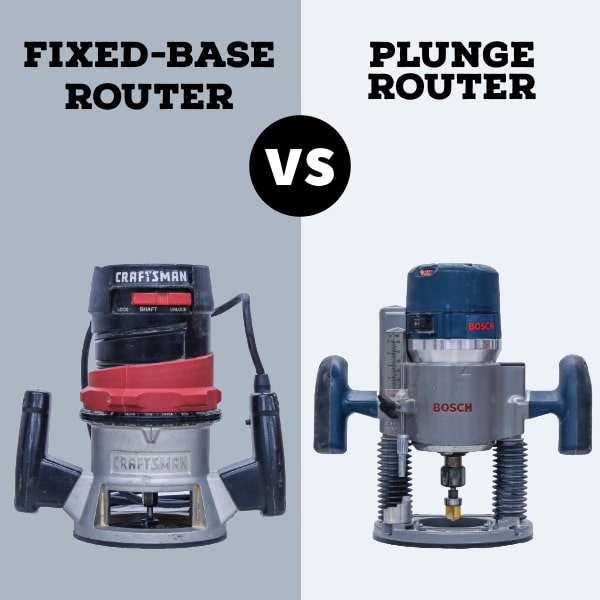
The plunge router allows easy depth changes. Turn a knob or lever for this. Depth settings help in making precise cuts. Adjustments are quick and simple.
Make different cuts with ease. Grooves, slots, and intricate designs are possible. This tool can handle various projects. Enjoy the flexibility it offers.
The base has a spring-loaded feature. It helps control the router better. Push down gently for the cut. Release and the router goes back up. This makes it safe and easy to use.
Trim Router Features
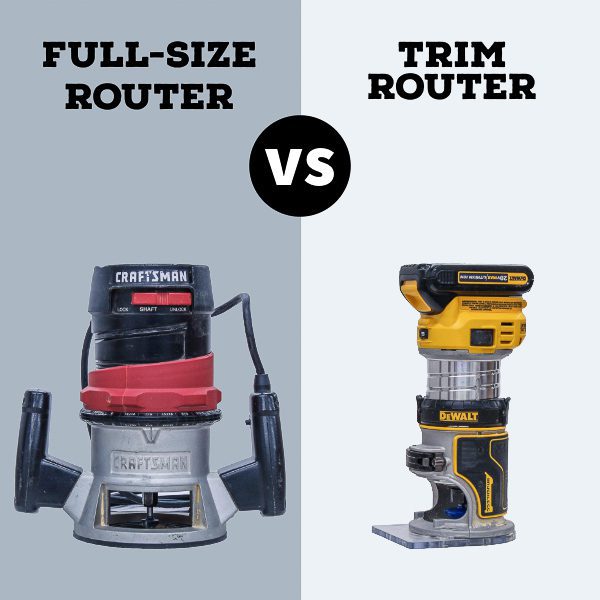
Trim routers are known for their small size. They fit in tight spaces easily. This makes them great for detailed work. Their light weightis a plus. You can carry them around without tiring your arms. This tool is perfect for small projects. It is easy to store. No need for large storage space. This is a handy tool.
Trim routers are simple to use. Even beginners can use them well. Controls are straightforward. No complex buttons or switches. This makes it easy to learn. Lightweight design helps in handling. You get better control over your work. Great for fast jobs. Less time spent on setup. Enjoy the ease of use.
Trim routers excel in edge profiling. They provide clean and smooth edges. Perfect for decorative work. Ideal for shaping edges with precision. They are great for adding detail. Edges look neat and professional. You can experiment with different styles. Trim routers make edging fun and easy.
Applications For Plunge Routers
Plunge routers are perfect for inlay work. They allow precise cuts. You can create beautiful designs in wood. The router moves up and down easily. This helps in detailed carving. Artists love using them for intricate patterns.
Mortising needs deep cuts in wood. Plunge routers make this task simple. You can set the depth quickly. The tool is stable while cutting. This ensures clean, smooth edges. Furniture makers find it very helpful. It saves time and effort.
Plunge routers excel in template routing. They follow shapes accurately. You can replicate designs many times. The router uses guides for precision. This is great for making signs. Also useful for crafting identical pieces.
Credit: sawsonskates.com
Applications For Trim Routers
Trim routers are perfect for light duty tasks. They are easy to handle. Their small size is a big advantage. You can use them for simple jobs. They are not heavy like bigger routers. So, you can work longer without getting tired.
These routers are great for laminate trimming. You can cut edges neatly. The tool is precise and clean. It makes the work look professional. No rough edges left behind. This makes your project look nice and neat.
Trim routers can make small groovesin wood. They help in making tiny details. These details can be on furniture or crafts. The router is good for thin lines. It gives a smooth finish. This adds beauty to your woodwork.
Key Differences
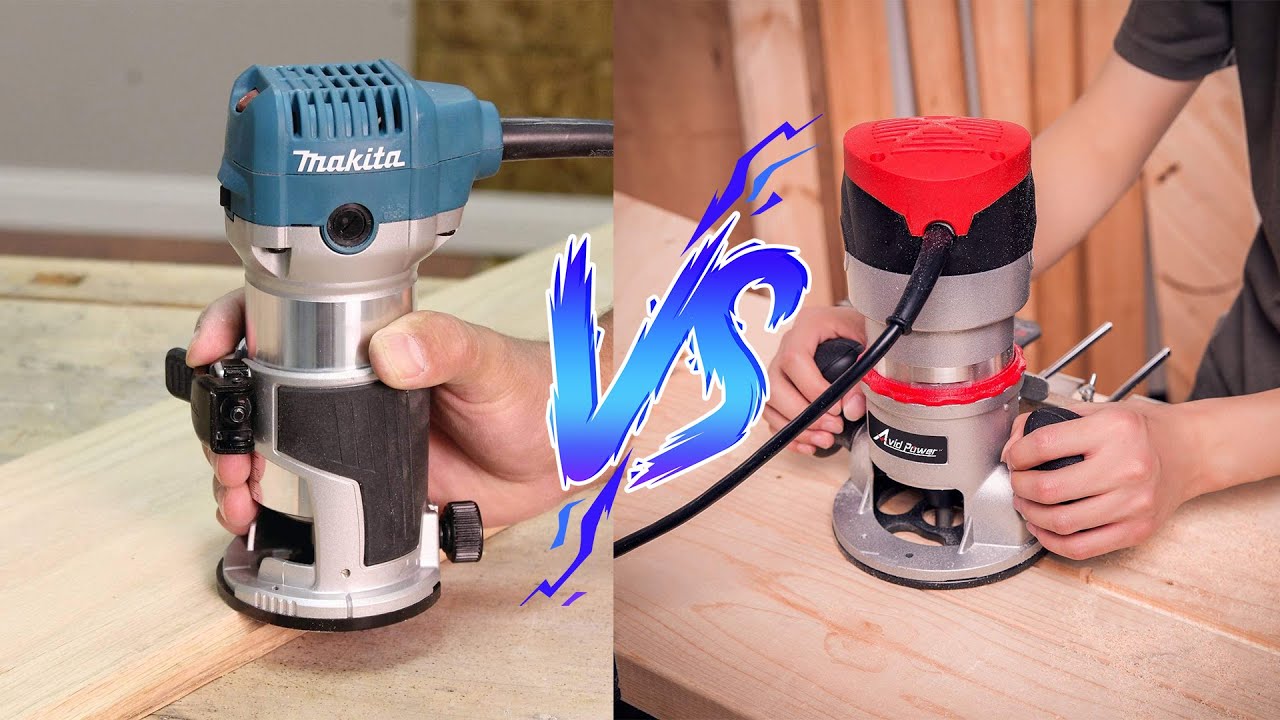
Plunge routers are more powerful. They can handle tough jobs easily. Trim routers are smaller and less powerful. They are good for light tasks. Plunge routers have bigger motors. This helps them cut deeper. Trim routers have smaller motors. They are perfect for tiny cuts.
Plunge routers offer great control. You can start cutting in the middle. This is useful for making holes. Trim routers are great for edges. They offer fine details. Plunge routers are heavier. This makes them steady. Trim routers are lighter. You can move them easily.
Plunge routers need two hands. They are large. This gives better balance. Trim routers fit in one hand. They are easy to hold. Plunge routers are for big projects. Trim routers are for small tasks. Both have their uses. Choose based on your needs.
Credit: www.youtube.com
Factors To Consider
Each project has different needs. Plunge routers are great for deep cuts. Trim routers are best for edges and small tasks. Choose based on your project type. Use a plunge router for creating grooves. For simple tasks, a trim router is ideal.
Tools can be expensive. Trim routers are often cheaper. Plunge routers may cost more but offer versatility. Consider your budget before buying. Sometimes, spending a bit more saves money in the long run.
Skill level matters. Beginners find trim routers easy to handle. Plunge routers need more skill. Practice makes you better. Start with simple tools. As skills grow, try complex tools.
Maintenance Tips
Keeping your router clean is very important. Dust can hurt its parts. Use a soft brush or cloth to wipe away dust. Never use water. It can damage the tool. Lubricate moving parts with a few drops of oil. This helps them move smoothly.
Bits get dull over time. Change them regularly for better cuts. Dull bits can make the job hard. Keep spare bits ready. Always use the right bit for the task. This saves time and keeps your tool safe.
Store your router in a dry place. Moisture can cause rust. Use a case or box to keep it safe. Keep bits in a separate container. This helps find them easily. Proper storage means longer tool life.
Safety Precautions
Always hold the router with both hands. Keep your fingers away from the blade. Turn off the router before making adjustments. Unplug it when not in use. Check the router for any damage before starting. A damaged router is dangerous.
Wear safety glasses to protect your eyes. Use earplugs to block loud noises. Wear a dust mask to avoid breathing in dust. Gloves can protect your hands but must fit well. Loose gloves can get caught in the router.
Work in a clean area. Make sure the floor is not slippery. Keep the workbench clear of clutter. Ensure good lighting to see clearly. Have a first aid kit nearby for emergencies.

Credit: www.konetool.com
Frequently Asked Questions
Can A Plunge Router Be Used For Trim?
Yes, a plunge router can be used for trim work. It offers precision and depth control. Use the right bit for best results. Ensure the router is appropriate for the trim size and material. Proper handling ensures clean, smooth edges.
What’s The Difference Between A Plunge Router And A Normal Router?
A plunge router allows vertical movement while cutting, useful for inlay or mortise work. A normal router has a fixed base, ideal for edge shaping and consistent depth cuts. Choose a plunge router for versatility; opt for a normal router for stability and precision in straightforward tasks.
Can You Do Edges With A Plunge Router?
Yes, a plunge router can create edges. Use the right bit and settings for clean, precise cuts. Ensure stability and control for safe operation. Plunge routers are versatile tools, perfect for shaping and edging wood projects. Always follow safety guidelines for optimal results.
Do I Really Need A Plunge Router?
A plunge router is essential for precise, adjustable-depth woodworking. It offers versatility for tasks like inlaying, mortising, and edge profiling. If you frequently engage in detailed woodworking projects, investing in a plunge router enhances accuracy and efficiency. For occasional, simple tasks, a standard fixed-base router might suffice.
Conclusion
Choosing between a plunge and a trim router depends on your needs. Both offer unique benefits for woodworking projects. Plunge routers provide depth control, making them great for intricate designs. Trim routers are compact and perfect for edge work. Consider your project’s requirements and skill level.
Beginners might prefer a trim router for its simplicity. More experienced users might enjoy the versatility of a plunge router. Always prioritize safety and practice with care. Investing in the right tool enhances your woodworking experience. Select wisely, and enjoy crafting with precision and ease.
Happy woodworking!