6 MDF Jali Design Ideas for Intricate Art at Home
For detailed cut work, I pick one of 6 MDF jali patterns by room: dense geometric for privacy, open floral for daylight, and medium perforation for balance. Choose the wrong cut, and you lose light, create dust traps, or end up with a panel that photographs well but fails in daily use. This guide compares the six designs room by room for privacy, light control, cleaning, and long-term wear.
What MDF jali is and where it fits indoors
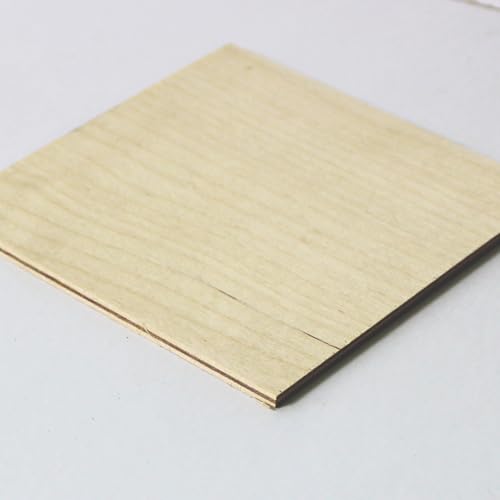


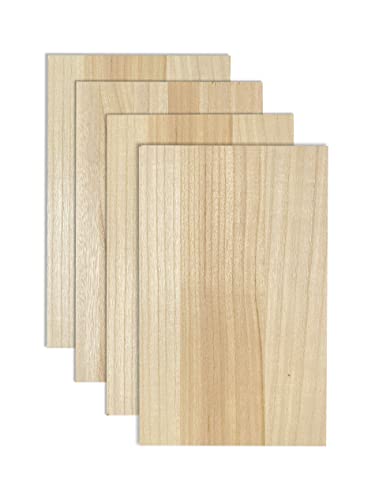
MDF, or Medium Density Fiberboard, is an engineered wood material with a smooth face that takes crisp cuts and paint well. A jali panel is a decorative perforated screen used on walls, doors, cupboards, and room dividers to balance airflow, light, and privacy. I use laser-cut MDF when the pattern has fine repeat cuts or needs multiple identical panels.
Where it earns its keep
Use MDF jali where the panel can do more than decorate. It fits feature walls, wardrobe shutters, cabinet inserts, door panels, room dividers, and radiator covers. It also helps where a solid panel would feel heavy, or where a plain opening needs partial screening without blocking all daylight.
When MDF is the better pick, and when another material wins
MDF is often a practical pick when the pattern needs clean edges, a paintable finish, and repeat fabrication at a lower cost. Plywood makes more sense when screws must hold better over time, or when a panel may be moved and reinstalled. Solid wood is the better buy for damp-prone or hard-wearing areas, but the cost rises fast and fine cut work can move with humidity.
📊 Jali can be customized for radiator covers starting from £69. Source: Create Your Own Bespoke Furniture Online.
Which MDF jali pattern suits your room?
The right pattern depends on privacy, light, dust control, and how the room is used. A living room can take a more open cut if the panel sits away from touch points. A bedroom or bathroom needs more screening, easier cleaning, and less visual noise from across the room.
Living room and office picks for light control and a clean read
For contemporary spaces like living rooms or offices, a geometric grid pattern usually gives the cleanest result. Squares and rectangles read orderly, do not fight with furniture lines, and allow daylight to pass without making the wall look thin or busy. If the room already has many textures, keep the cut larger and the layout simple.
Bedroom and dining room picks for softer privacy
Floral jali is the easiest way to soften a bedroom or dining area without making the panel feel heavy. Lotus or jasmine motifs bring more visual movement than a grid, but they still keep a sense of screening. In a bedroom, that makes the panel feel calmer than a high-contrast abstract cut.
Bathroom, closet, and utility-zone cautions
Lattice pattern works best where privacy matters and airflow still matters too, which is why bathrooms and closets often suit it. The warning is moisture, steam, and cleaning access. Use MDF only where splash contact is limited and the panel can dry fast. If water sits on edges or seams, another material is safer.
6 MDF jali design ideas, compared side by side

The six design ideas below cover the common choices for decorative interior screens. MDF jalis are easy to cut in repeat patterns, and they keep costs in check while still giving the look of traditional woodwork. The real difference is not style alone. It is how each pattern handles privacy, daylight, dust, and placement.
1. Geometric grid pattern
Geometric grid uses squares and rectangles for a modern, measured look. It suits living rooms and offices where a neat visual line matters more than ornament. Cleaning is easier than on dense florals because the cutouts are usually larger and simpler.
2. Floral motif
Floral motif leans traditional or heritage-inspired, with lotus or jasmine detailing. It is a good match for bedrooms and dining areas where a softer visual field works better than hard lines. It can read elegant, but small cut flowers can trap dust if the room gets heavy use.
3. Starburst symmetry
Starburst symmetry radiates from the center and makes a strong feature-wall statement. It is suggested for entryways or feature walls because it pulls attention fast. The drawback is balance: if the room is small, the pattern can dominate and make the wall feel crowded.
4. Lattice pattern
Lattice is lace-like and often gives the best mix of privacy and airflow. It fits bathrooms and closets better than highly open designs because the repeated crisscross pattern screens sight lines while still letting air move. Cleaning takes more care, since more edges and intersections collect dust.
5. Abstract pattern
Abstract design uses freeform shapes and curves for a custom art feel. It suits art studios or eclectic homes where the panel is meant to read as a statement, not a quiet background. It can go wrong if the cutouts vary too much; then the panel looks messy instead of intentional.
6. Hexagonal pattern
Hexagonal pattern uses a six-sided motif with a cultural or heritage feel that works well in entryways or living rooms. It often gives a balanced middle ground between grid order and floral softness. If the hexagons get too small, the panel starts to look dense and loses daylight quickly.
Room-by-room selection matrix: which design wins where
This matrix scores each pattern for privacy, daylight, visual impact, and cleaning effort. Higher privacy means better screening. Higher daylight means more openness. Cleaning effort is scored so you can spot panels that need more dusting and edge care. Use it before you commit to a cut file.
| Design | Privacy | Daylight | Visual impact | Cleaning effort | Best-use location | Avoid if |
|---|---|---|---|---|---|---|
| Geometric grid | 3/5 | 4/5 | 3/5 | 2/5 | Living rooms, offices | You want a soft or decorative feel |
| Floral motif | 4/5 | 3/5 | 4/5 | 3/5 | Bedrooms, dining areas | The room is already full of patterned finishes |
| Starburst symmetry | 2/5 | 4/5 | 5/5 | 2/5 | Entryways, feature walls | The wall is narrow or the room is small |
| Lattice pattern | 5/5 | 2/5 | 3/5 | 4/5 | Bathrooms, closets | You want a very open panel or easy dusting |
| Abstract pattern | 2/5 | 4/5 | 5/5 | 3/5 | Studios, eclectic homes | You need visual calm or repeatable symmetry |
| Hexagonal pattern | 3/5 | 3/5 | 4/5 | 3/5 | Entryways, living rooms | The room already has many small elements |
Can MDF jali work as a divider, cabinet insert, or door panel?
Yes. MDF jali can be used as a room divider or cabinet insert when the goal is partial privacy with some airflow. It can also work in door panels and radiator covers, but the pattern density should match the job. Heavy screening is good for hiding contents; lighter cuts are better for keeping spaces open.
Room dividers that keep air moving
For dividers, choose a pattern with enough open area to stop the panel from feeling like a wall. Geometric and hexagonal patterns usually work well in shared living spaces. If the divider is near a cooking or utility area, avoid dense floral cuts that can hold grease or dust near the edges.
Cupboard and wardrobe inserts
Cabinet inserts benefit from patterns that hide contents but do not make the front too dark. Floral, lattice, and geometric designs all work, depending on how much you want to see through the panel. If the cupboard sits in a tight room, skip very fine abstract cuts that read cluttered from a distance.
Door and radiator cover uses
Doors need a pattern that does not snag clothing or catch fingers, so avoid sharp, tiny cut points near active handles. Radiator covers are a good place for jali because the screen can disguise the unit while letting heat move. Jali can be customized for radiator covers starting from £69, and Jali TV units start from £800.
Finish, thickness, fixing, and moisture limits

Panel performance depends as much on build details as on pattern choice. The panel needs enough stiffness, sealed edges, and a fixing method that suits the load. MDF looks smooth after paint, but raw edges drink finish fast, so sealing those edges matters more than the face coat.
Useful MDF thickness and support rules
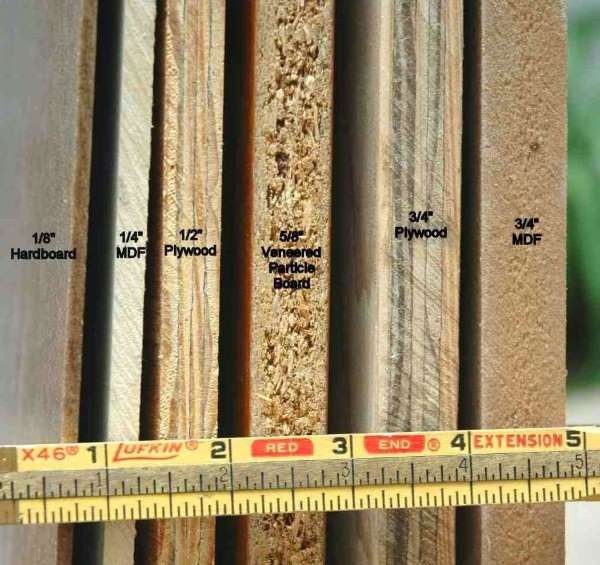
For decorative panels, choose a thickness that matches the span and how the panel will be mounted. Thinner stock is fine for framed inserts and cabinet fronts. Freestanding dividers and taller panels need more support or a stiffer backing frame, or they can bow over time.
Fixing methods that hold up better
Use screws into a frame when the panel may need removal later. Use hidden battens or stand-offs when the jali is a wall feature and you want a shadow gap. Adhesive alone is poor insurance for large cut panels, because weight and movement can break the bond at the weakest point.
Paint, edge sealing, and moisture limits
Primer first, then a durable topcoat. A smooth paint finish is usually the best match for MDF because it hides the board surface and sharpens the cut lines. Seal every cut edge before final paint. Keep MDF away from splash-prone bathroom corners, sink surrounds, and kitchens where steam hangs around for long periods.
- Check the room’s privacy need first.
- Decide how much daylight must pass through.
- Match the pattern density to cleaning access.
- Choose MDF only if moisture exposure is limited.
- Specify edge sealing before the first coat of paint.
- Plan a frame, battens, or screw fixing before fabrication.
How do I avoid MDF jali designs looking too busy in small rooms?
Use fewer cut points, larger openings, and one pattern family only. Small rooms punish busy panels because the eye keeps stopping at every cut edge. A dense floral or abstract screen can look crowded fast, while a cleaner grid or a simpler hexagonal layout usually reads better from a short distance.
Practical ways to keep the pattern calm
Keep the panel to one wall or one insert only. Let nearby furniture stay plain. Use the same paint color as the wall if the goal is quiet screening rather than a feature. If the panel must sit in a narrow hall or compact bedroom, avoid tiny repeated cuts that turn into visual static.
Which MDF jali designs work best with backlighting or LED strips?
Backlighting works best when the cut pattern has enough open area for light to pass through without turning into a hot spot. Floral and lattice designs often benefit most because the glow softens their detail. LED strips can turn a plain cut panel into a feature, but only if the pattern spacing is even.
Where the glow helps most
Use backlighting behind floral motifs when you want the cut edges to read clearly at night. Lattice also responds well because the light picks out the weave. Geometric panels can look sharp with LEDs too, but very open abstract cuts may spread light unevenly and make the panel look patchy.
How do MDF jali designs compare with traditional wood fretwork?
MDF jali is easier to cut cleanly, simpler to paint, and usually better for repeat patterns. Traditional wood fretwork has more natural depth and can age more gracefully in the right conditions. For many interiors, MDF is the practical choice when the panel will be painted and kept indoors.
Decision rule for choosing the material
Pick MDF when the panel must stay crisp, painted, and cost-conscious. Pick plywood if the panel may need better screw holding or a bit more durability in service. Pick solid wood when the piece must tolerate wear, movement, or moisture better than MDF can handle.
Frequently asked questions
What are the best MDF jali design ideas for a modern home?
Geometric grid, hexagonal, and cleaner abstract panels usually suit a modern home best. They keep the look orderly and work well with open-plan living rooms, offices, and entry walls. If the room already has a lot of furniture detail, a simpler cut reads better than a dense ornamental one.
How do I choose an MDF jali pattern for a living room or bedroom?
For living rooms, choose a pattern that keeps light moving and does not fight the furniture lines, such as a grid or hexagon. For bedrooms, floral or softer lattice patterns give more privacy and a calmer feel. If the room is small, keep the cutout size larger and the design less dense.
Can MDF jali be used as a room divider or cabinet insert?
Yes, and those are two of the most useful applications. As a divider, it can split space while keeping air movement. As a cabinet insert, it can hide contents without making the furniture look heavy. The key is matching cut density to the job and supporting the panel properly.
Which MDF jali designs work best with backlighting or LED strips?
Floral and lattice patterns usually work best because the light catches the cut edges and adds depth without washing out the shape. Geometric designs also work if the layout is regular. Avoid very dense cuts if the aim is a soft glow, since they can create dark pockets and uneven light.
What size or thickness of MDF is suitable for jali panels?
Choose a thickness that matches the span and how much support the panel will get. Smaller inserts and framed pieces can use lighter stock, while larger dividers need more stiffness and a support frame. For long-term use, the edge finish and mounting method matter as much as the board itself.
Can MDF jali be customized for doors, cupboards, or radiator covers?
Yes. MDF jali is often cut to fit door inserts, wardrobe fronts, cupboard shutters, and radiator covers. Doors need safer, cleaner cut lines around handles and hinges. Radiator covers need a pattern that allows airflow. Cupboards can take denser patterns if the goal is to hide contents while keeping the front decorative.
Sponsored / affiliate links. As an Amazon Associate I earn from qualifying purchases. I may earn additional commission from eligible campaigns.