Polycrylic Spray Vs Brush: Best Application Method Revealed
Choosing between polycrylic spray and brush can feel like standing at a crossroads. You want to protect your wood surfaces and give them a stunning finish, but which method is truly the best for your project?
The decision isn’t just about tools; it’s about the final look and feel of your cherished pieces. You’ve probably wondered if the spray offers the smoothest finish or if the brush provides better control. This isn’t just a choice; it’s a chance to elevate your woodworking skills and achieve results that you can proudly show off.
Dive into this article to uncover the secrets of polycrylic application and find out which technique will save you time, effort, and possibly even money. Your next project deserves the best, and you’re just a few clicks away from making the right decision.
Polycrylic Basics
Polycrylic is a clear finish. It protects wood surfaces. It is water-based and easy to use. People use it for furniture and crafts. The finish dries quickly. It is less smelly than other finishes. Polycrylic can be applied with a spray or brush. Each method has its own benefits. The spray gives a smooth finish. It is good for large areas. The brush offers control. It works well on small projects. Both methods protect wood from scratches and stains. Choose the right method for your project.
Spray Application
Spraying saves time. It covers large areas quickly. Even coats are easy with spraying. Hard-to-reach spots become simple. Sprays offer a smooth finish. No brush lines appear. Spraying is great for big projects.
Sprays can be messy. They may need special gear. Ventilation is important when spraying. Spraying outdoors can be tricky. Wind can blow the spray. It might not always stick well. Clean-up takes time.
Brush Application
Brushing allows for better controleven spreadingof polycrylic. You can apply more or less pressure. This helps in getting desired thickness. Brushes are easy to cleanafter use. They don’t need much space for storage. Brushing makes less messcompared to spraying.
Brushing can leave streaksor marks. It takes more timeto finish large areas. You need to be careful with pressure. Too much pressure causes uneven coats. Brushes need frequent cleaning. If not cleaned, they become hard. Some brushes can lose bristleswhile painting. This can be annoying. Using a brush might tire your hand.

Credit: www.homedit.com
Comparing Finish Quality
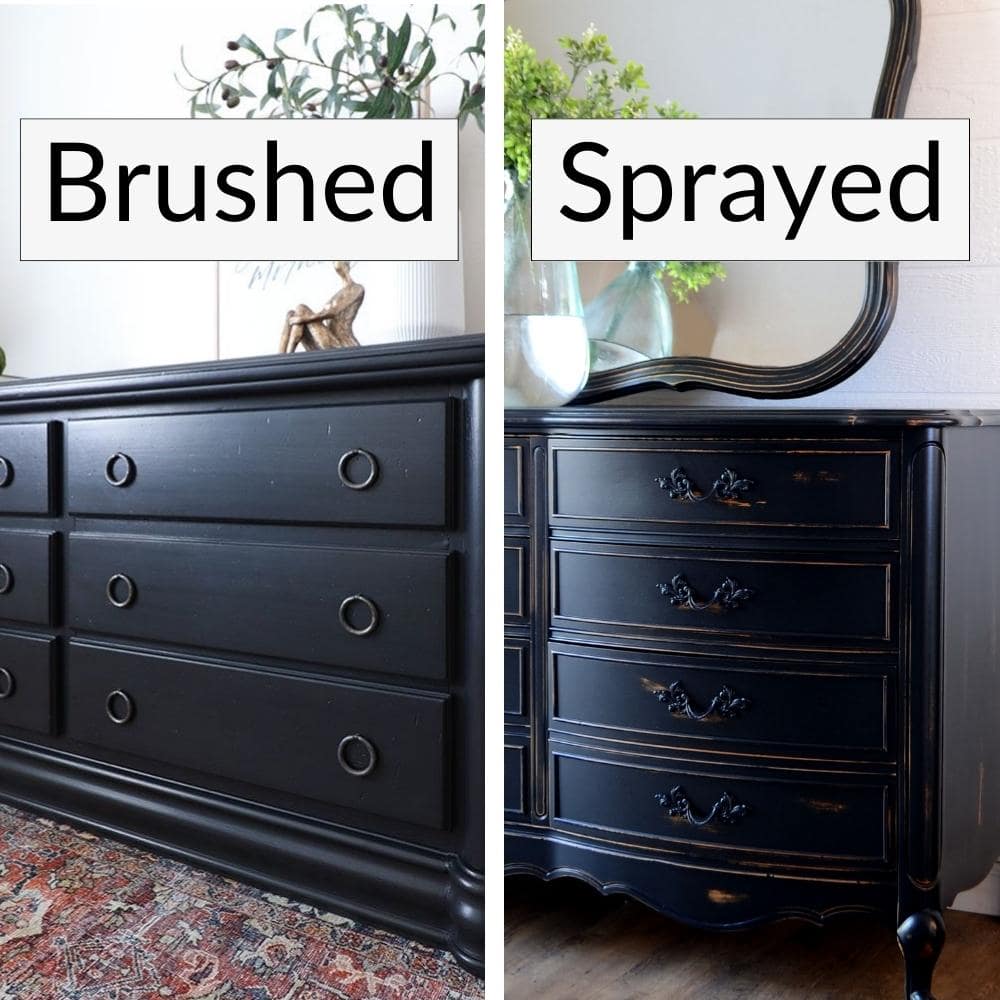
The finish of polycrylic spray is often smootherand consistent. It covers surfaces evenly. This makes it a good choice for large areas. Spray dries fast, saving time. But it can be tricky in windy places.
Brushing offers more control. You can focus on small details. It’s great for corners and edges. The brush can leave small lines. These lines might need sanding. Both methods have their uses. Choose based on your project’s needs.
Ease Of Use
Polycrylic spray is simple to use. Just shake the can well. Spray evenly on the surface. It dries faster than a brush. No need for water or cleaning. Ideal for quick projects.
Using a brush takes time. Dip the brush in polycrylic. Apply smoothly on the surface. Brush strokes need careful attention. Clean the brush after use. Suitable for detailed work.
Sprayis best for large areas. Brushis better for small details. Choose based on project needs. Both methods are effective. Decide what suits you best.
Time Efficiency
Polycrylic spray works faster than a brush. It covers large areas quickly. Spraying can be done in minutes. Brushes take longer to cover the same area. Spray dries faster, saving more time. With a brush, drying takes a longer time. Spraying is ideal for quick projects. Brushes need more attention and care. They require more effort to get a smooth finish. Spraying is simpler and less tiring. For large surfaces, spray is best. Brushes are better for detailed work. In busy schedules, spray offers a quick solution. Choose spray for speed, brush for detail.
Cost Considerations
Polycrylic spray cans can be more expensive than a brush. Spray cans cost more because they are fast and easy to use. Brushes are cheaper but need more time to apply. You save money with a brush, but work longer. Spray cans need to be replaced often. Brushes last longer if cleaned well. Spray is good for large projects. Brushes are best for small details. Think about the size of your project. Choose wisely based on your needs. Both have pros and cons. Budget is important when picking.

Credit: www.youtube.com
Environmental Impact
Polycrylic sprayand brush affect the environment differently. The spray releases chemicals into the air. These can harm the ozone layer. Small particles float and can be inhaled. This might affect your lungs.
Using a brush is safer for the air. It keeps chemicals close to the surface. Less risk of inhaling harmful particles. Brushes can be reused many times. This reduces waste in landfills. People often prefer brushes for a greener choice.
Always choose eco-friendly products. Protecting nature is important. Everyone can help. Small actions matter.
Best Uses For Each Method
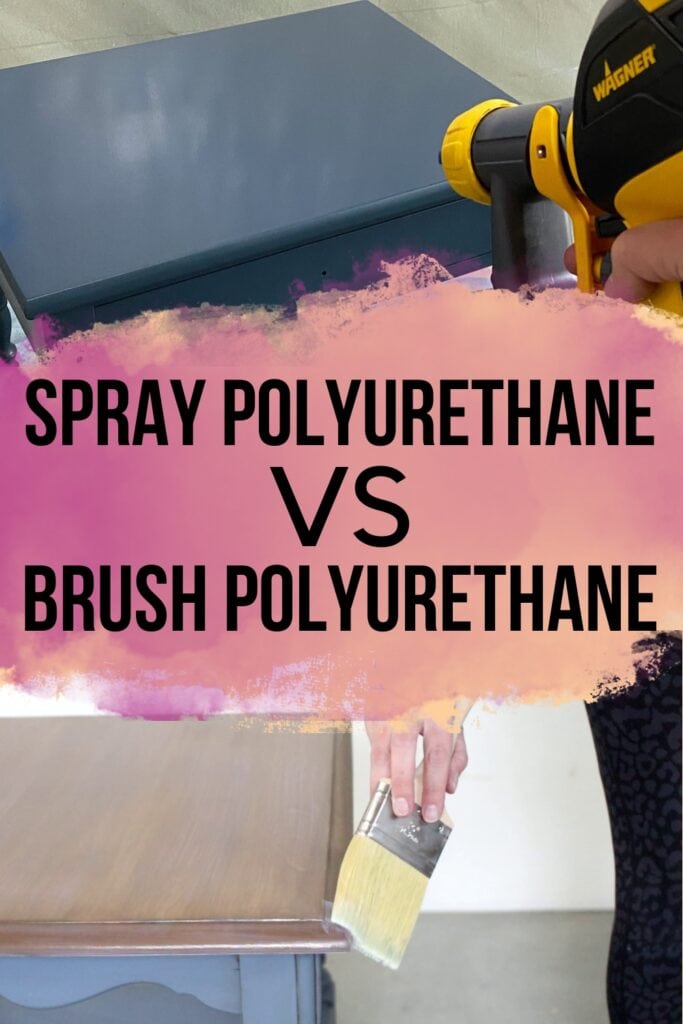
Polycrylic spray works well for large, flat surfaces. It is quick and easy to use. The spray dries fast, saving time. It gives a smooth, even finish. Great for tables or cabinets. The spray can reach tricky spots too. No brush marks appear with spray.
The brush method is ideal for small, detailed areas. It allows for careful application. You can control the amount of polycrylic used. Great for chairs or small crafts. Brushes work well on edges. They are handy for touch-ups. Brushes offer a personal touch to projects.
Credit: arayofsunlight.com
Frequently Asked Questions
Can I Spray Polycrylic?
Yes, you can spray polycrylic using a spray gun or aerosol can. Ensure proper ventilation and wear protective gear. Thin the polycrylic if necessary for even application. Follow the manufacturer’s instructions for best results.
Do You Use A Brush Or Roller For Polycrylic?
Use a synthetic brush for Polycrylic application to ensure smooth coverage. Rollers can create bubbles and uneven surfaces. A brush allows precise control, ideal for edges and detailed areas. Always apply thin coats and let each layer dry completely before adding another for the best finish.
Is It Better To Spray Varnish Or Brush Varnish?
Spray varnish offers a smoother, more even finish, ideal for large surfaces. Brush varnish provides precision and control, better for detailed work. Choose based on your project’s needs and desired finish. Both methods have their benefits, so it’s important to consider the surface area and level of detail required.
How To Get A Smooth Finish With Spray Polyurethane?
Prepare the surface by sanding it smooth. Shake the spray can well before use. Apply thin, even coats and let each layer dry completely. Sand lightly between coats for a smoother finish. Ensure proper ventilation during application to avoid fumes.
Conclusion
Choosing between polycrylic spray and brush depends on your project needs. Spraying is faster for large surfaces. Brushing offers control and precision for detailed work. Both methods have pros and cons. Spraying can leave a smoother finish. Brushing might show brush strokes.
Consider your skill level and project size. Safety is also important. Use proper ventilation with spray. Both options protect wood surfaces effectively. Think about your specific requirements. Decide which method suits you best. Enjoy your woodworking project!