Polycrylic Vs Epoxy: Choosing the Right Finish
Are you planning to give your wooden surfaces a fresh, durable finish but find yourself stuck choosing between polycrylic and epoxy? You’re not alone.
The decision isn’t as straightforward as it might seem, especially when both options promise to protect and enhance the beauty of your projects. But here’s the catch—each has its own set of advantages and potential drawbacks that could make or break the outcome you desire.
We’ll break down the key differences between polycrylic and epoxy, helping you decide which is the perfect match for your needs. By the end, you’ll feel confident in making an informed choice that aligns with your vision and ensures lasting satisfaction. So, let’s dive in and discover which finish will bring your woodworking project to life.
Differences Between Polycrylic And Epoxy
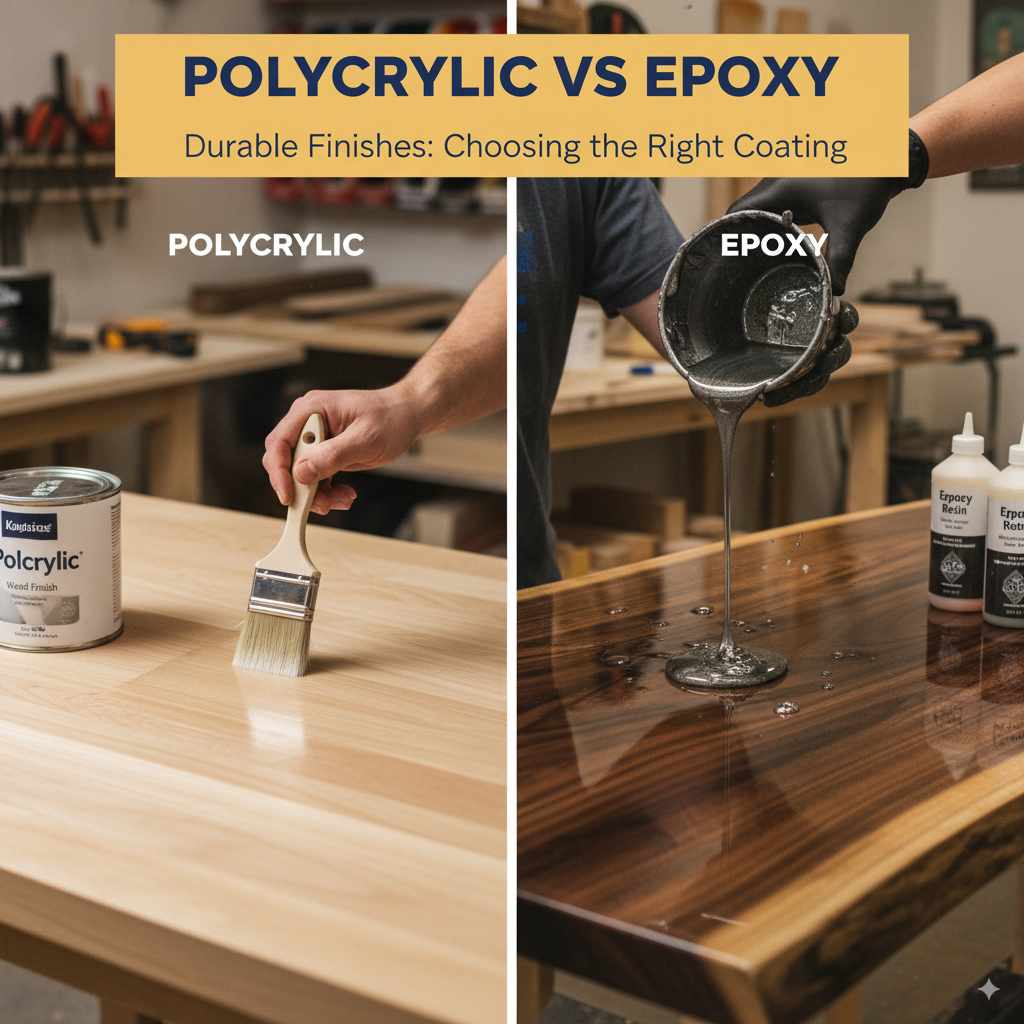
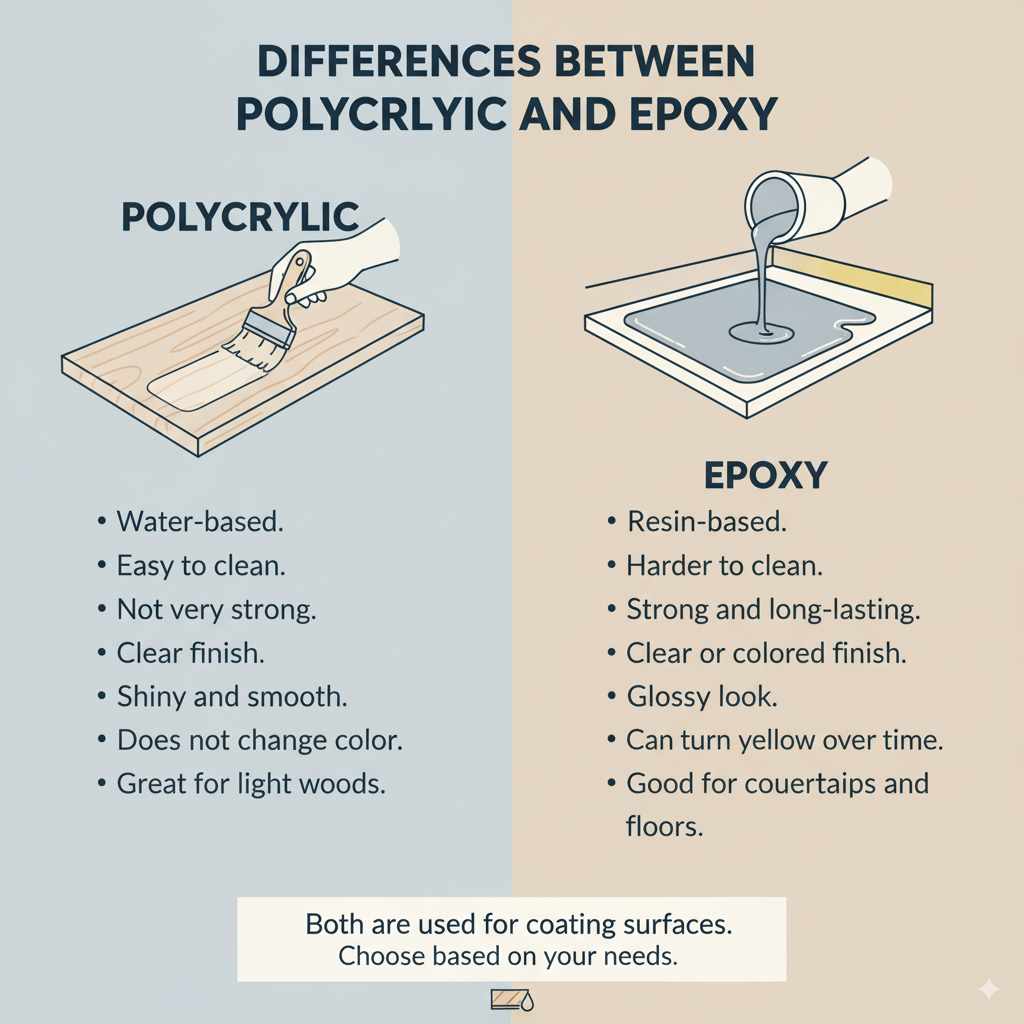
Polycrylicis water-based. It is easy to clean. It dries fast and is not very strong. Epoxyis a resin. It is strong and long-lasting. It is harder to clean. Epoxy takes longer to dry. Both are used for coating surfaces. Choose based on your needs.
Polycrylic gives a clear finish. It looks shiny and smooth. It does not change color. Epoxy can be clear or colored. It gives a glossy look. It can turn yellow over time. Polycrylic is great for light woods. Epoxy is good for countertops and floors.
Application Techniques
Choosing between polycrylic and epoxy depends on your project needs. Polycrylic is water-based, ideal for indoor applications. Epoxy offers a durable finish, perfect for surfaces requiring high resistance. Each has unique benefits, ensuring a suitable choice for various tasks.
Surface Preparation
Surface must be clean and dry. Dirt and oil can affect results. Sand the area smoothly. Remove dust with a damp cloth. Use a tack cloth for best results. Rough spots can ruin the finish. Make sure everything is perfect. A clean surface is key. Always start with preparation.
Application Tools
Brushes and rollers are used. Choose the right tool for the job. A foam brush works well. Use a roller for large areas. Tools affect the finish quality. Clean tools before use. Dirty tools can cause issues. Use new brushes for best results. Good tools make good finishes.
Curing Time
Polycrylic dries fast. Usually within two hours. Epoxy takes longer to cure. Often several days to fully harden. Fast drying is convenient. Waiting for epoxy can be hard. Curing time affects project planning. Plan ahead for best results. Know your product’s drying time.
Durability And Protection
Polycrylicoffers decent protection. It can handle small scratches. But it is not very tough. Epoxyis much stronger. It resists scratches very well. It also handles impacts better. Many people choose epoxy for high-traffic areas. It lasts longer and stays shiny.
Polycrylic is good for moisture. It protects against water damage. But it does not like heat. It can get soft under high temperatures. Epoxyis better with heat. It stays hard and strong. It also resists moisture well. Perfect for kitchens and bathrooms. Many people use it for tabletops and counters.
Safety And Environmental Considerations
Polycrylic offers a water-based formula with fewer fumes, making it safer for indoor use. Epoxy, while durable, can emit strong odors and requires careful handling. Choosing the right finish involves balancing environmental impact and safety considerations.
Toxicity Levels
Polycrylic is less toxic than Epoxy. Epoxy contains strong chemicals. It can harm your skin. Polycrylic is safer for small projects. It is water-based and has low fumes. Epoxy needs careful handling. It can cause allergic reactions. Always use safe materials for your work.
Ventilation And Safety Gear
Good ventilation is important with both products. Open windows help keep air fresh. Epoxy needs more fresh air. It releases strong fumes. Use safety gear like gloves and masks. Protect your eyes with goggles. Polycrylic needs less gear. It is safer to handle. Always keep your space safe and clean
Cost And Availability
Polycrylic is usually less expensive than epoxy. It is a budget-friendly choice for many. The cost of polycrylic is often lower by a few dollars. This makes it a great option for small projects.
Epoxy, on the other hand, costs more. It is often used for its strong finish. This makes it ideal for large projects. The higher price of epoxy reflects its strength and durability.
Polycrylic is easy to find in most stores. Many hardware and home improvement stores keep it in stock. This makes it simple for anyone to purchase.
Epoxy can be harder to find in small stores. It might require a visit to specialty shops. Some people prefer to order epoxy online for convenience.
Ideal Uses For Polycrylic
Polycrylic is best for indoor furniture. It works well on wood surfaces. This includes tables, chairs, and shelves. It dries clear, showing the natural wood beauty. Polycrylic is not suitable for outdoor use.
For small projects, Polycrylic is perfect. It is easy to apply with a brush. Great for toys and craft items. It protects from small scratches. Not for heavy-duty surfaces. Use for low-traffic areas only.
Ideal Uses For Epoxy
Epoxy is perfect for heavy-duty projects. It is very strong and lasts a long time. Workers use it in factories and workshops. It can hold things together very well. Epoxy is also great for fixing machines and tools. It does not break easily. This makes it a top choice for tough jobs.
Epoxy works well outside. It can handle rain and sun. People use it for garden furnitureand fences. It keeps them strong and safe. Epoxy also protects wood from bugs and rot. That is why it is good for decks and patios. It helps things stay nice for years.
Choosing Based On Project Needs
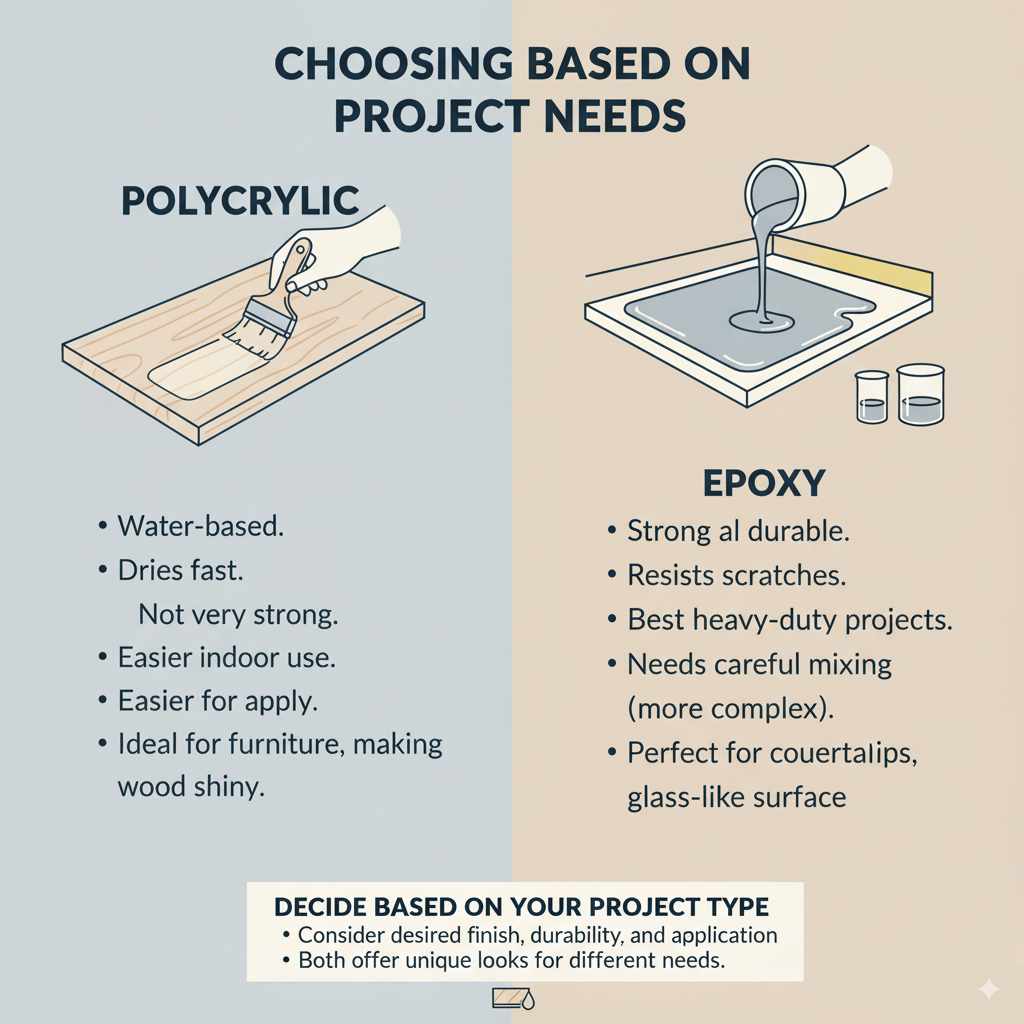
Both Polycrylicand Epoxyoffer unique looks. Polycrylic gives a clear finish. It is often used for furniture. It can make wood look shiny. Epoxy provides a glass-like surface. It is thicker than Polycrylic. Many use it for countertops. Both can make surfaces look good.
Polycrylic is water-based. It dries fast. It is good for indoor use. Epoxy is strongand durable. It resists scratches. It is best for heavy-duty projects. Polycrylic is easier to apply. Epoxy needs careful mixing. It is more complex. Decide based on your project type.
Frequently Asked Questions
Is Poly Or Epoxy Better?
Polyurethane is flexible and great for outdoor use. Epoxy offers stronger adhesion, ideal for indoor projects. Choose based on specific needs.
What Are The Disadvantages Of Polycrylic?
Polycrylic can be less durable than polyurethane and may not withstand high heat or moisture. It can cause streaks or bubbles if not applied correctly. It’s not ideal for exterior surfaces. It may raise wood grain, requiring more sanding. Polycrylic is also sensitive to temperature and humidity during application.
When Should You Not Use Epoxy?
Avoid using epoxy on wet surfaces, flexible materials, or when temperature is below 50°F. It doesn’t bond well with oily or silicone-based surfaces. High UV exposure can cause epoxy to yellow or degrade. It’s unsuitable for applications requiring high heat resistance above 120°F.
Can Epoxy Go Over Polycrylic?
Yes, epoxy can go over polycrylic, but surface preparation is crucial. Ensure polycrylic is fully cured and lightly sanded for better adhesion. Clean the surface to remove dust before applying epoxy. Proper preparation ensures a smooth and durable finish.
Conclusion
Choosing between polycrylic and epoxy depends on your project’s needs. Polycrylic is great for indoor furniture. It dries fast and cleans easily. Epoxy offers a strong, glossy finish. Ideal for countertops and outdoor use. Consider your surface type and durability requirements.
Budget is another factor. Polycrylic is often cheaper. Epoxy, though pricier, lasts longer. Both have unique benefits. Understand your project goals. Then, select the right one for you. This ensures the best results and satisfaction.