Polyurethane Oil Vs Water Based: Ultimate Finish Showdown
Are you trying to decide between polyurethane oil and water-based finishes for your next project? You’re not alone.
Choosing the right finish is crucial for enhancing the beauty and longevity of your wood surfaces. But the options can be overwhelming. You might wonder which finish will give your furniture that perfect sheen or which will withstand the test of time and daily wear.
Understanding the differences between these two popular choices can save you time, money, and a lot of frustration. You’ll discover the key distinctions between polyurethane oil and water-based finishes. We’ll dive into their unique benefits, application processes, and ideal uses. By the end, you’ll have the insights you need to make an informed decision that suits your specific needs. So, let’s unravel the mysteries of these finishes and find out which one will work best for you.
Polyurethane Basics
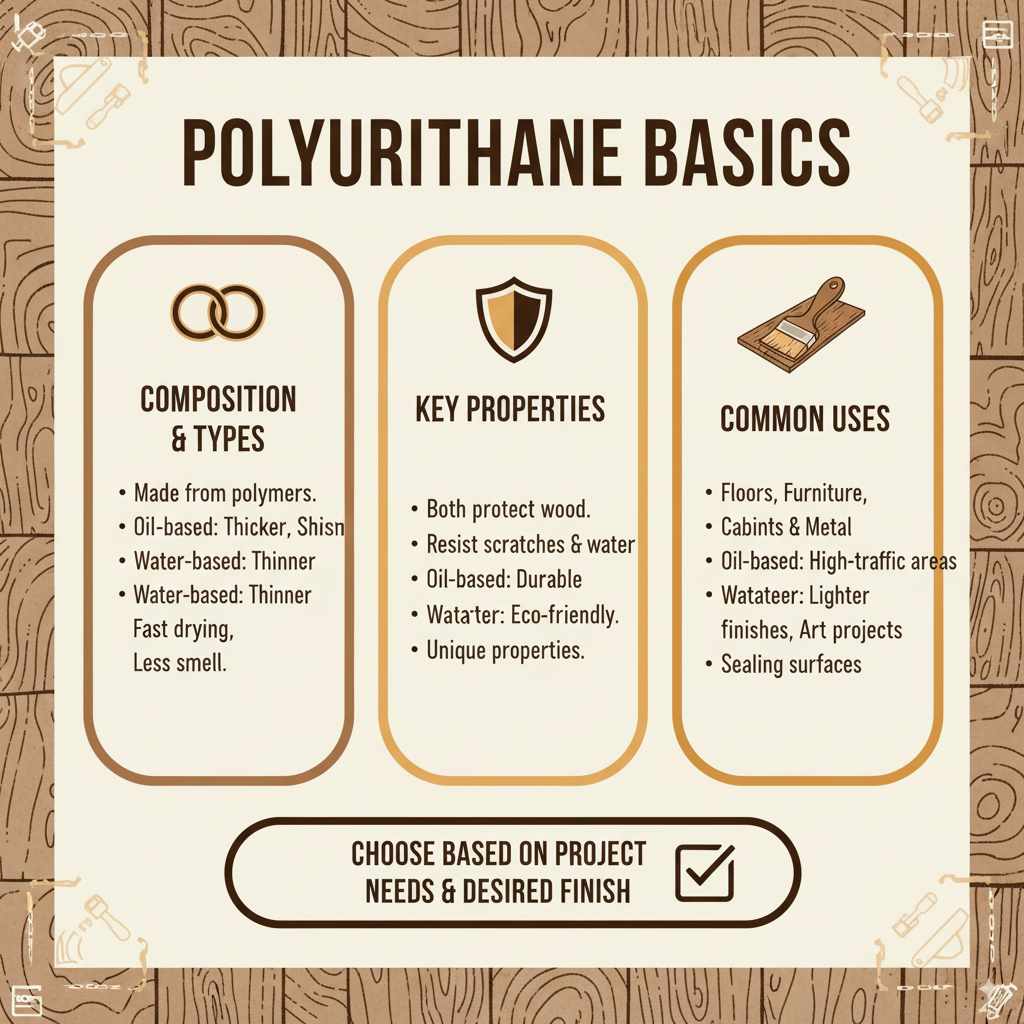
Polyurethane is made from polymers. These polymers are strong and flexible. Oil-based polyurethane is thicker. It gives a shiny finish. Water-based polyurethane is thinner. It dries fast and has less smell. Both types protect wood. They resist scratches and water. Choose based on needs. Oil-based is durable. Water-based is eco-friendly. Each has unique properties. Understand your project before choosing. This helps in selecting the right type.
Polyurethane is used on floors, furniture, and cabinets. It can be applied on wood and metal. Oil-based is popular in high-traffic areas. Water-based is preferred for lighter finishes. It is also used for art projects. It helps in sealing surfaces. Protects against damage. Use in home and outdoor projects. This ensures long-lasting results. Both types have wide applications. Select based on finish and durability needs.
Oil-based Polyurethane
Oil-based polyurethane is popular for its durability. It creates a hard finish that lasts. This type also offers a rich, warm glow. Floors look beautiful and classic. It is a favorite for wood floors. Easy to apply with a brush. Resistant to scratches and stains. It enhances the natural beauty of wood.
Oil-based formulations take longer to dry. They also have a strong smell. Ventilation is needed during application. It can turn yellow over time. Not suitable for light-colored woods. Cleaning requires strong chemicals. It is also flammable. Care is needed when storing.
Ideal for wood floors in busy areas. Also great for furniture that needs a tough finish. Recommended for dark woods. Perfect for high-traffic zones. Use in homes or offices. Suitable for kitchens and hallways. Choose for long-lasting protection.
Water-based Polyurethane
Water-based polyurethane dries fast. This means you can finish projects quickly. It also has less odor. This is good for indoor use. Water-based finishes are clear. They do not change the color of wood. They are also easy to clean with soap and water.
Water-based polyurethane is less durable than oil-based. It may need more coats. This makes it not ideal for high-traffic areas. Also, it can be more expensive. Some people do not like the plastic-like look it can give.
Use water-based polyurethane on light wood. It keeps the original color. It is perfect for furniture in bedrooms or living rooms. Also, it works well for cabinets and doors. These areas do not need heavy protection.
Comparison Of Durability
Polyurethane oil offers great protection. It stands up well to heavy use. Oil-based coatings are thicker. This makes them stronger against scratches. They can handle rough conditions better. Water-based polyurethane is also tough. But it might show wear sooner. Especially in busy areas. Both types have their strengths. Choose based on your needs.
Oil-based polyurethane lasts longer. It can go for many years. It requires less frequent maintenance. Water-based finishes might need touch-ups more often. They are easier to clean, though. Both need care to stay nice. Regular cleaning helps maintain their look. Think about how much time you can spend on care. This will guide your choice.
Aesthetic Differences
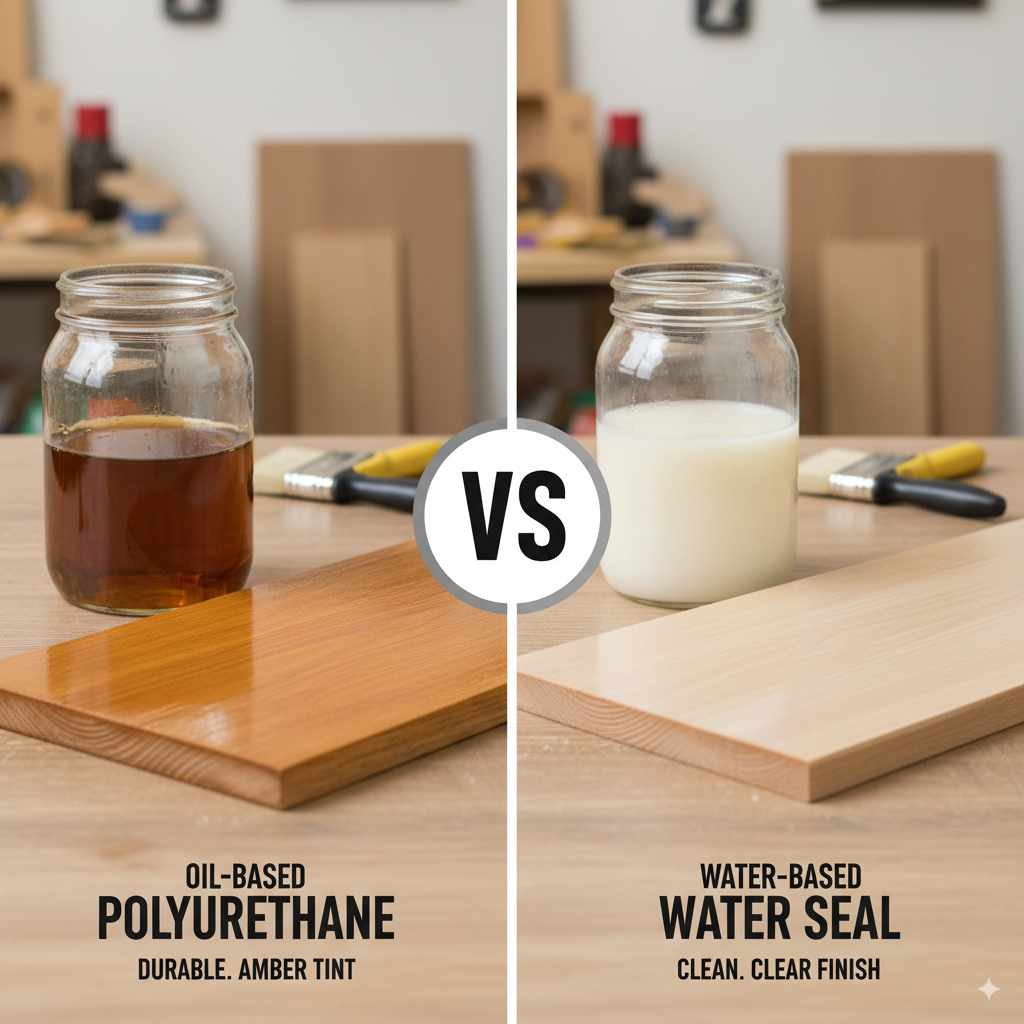
Polyurethane oil gives a rich gloss. It makes surfaces shine. Water-based finishes offer a soft sheen. They appear more natural. Oil-based finishes are thicker and leave a glossy look. Water-based finishes are thin and look smooth. Oil-based gloss lasts longer. Water-based gloss may fade faster. Choose oil for bold shine. Choose water for subtle beauty.
Oil-based polyurethane adds a warm tint. It makes wood look deep and rich. Water-based polyurethane keeps wood’s original color. It gives a clear finish. Oil finishes darken over time. Water finishes stay light. Oil can make wood look yellow. Water keeps wood looking natural. Oil is good for deep color. Water is good for true color.
Environmental Impact
Polyurethane oil-based finishes emit more volatile organic compounds(VOCs). These can harm the air. Water-based finishes have fewer VOCs. They are safer for the air. Less pollution means healthier environments. Choosing a water-based option can help reduce air pollution. It makes a big difference.
Many people like to choose eco-friendlyfinishes. This helps protect nature. Water-based finishes are a good choice. They are gentle on the earth. These finishes are popular for homes and schools. They keep the air clean. Polyurethane oil has more chemicals. Water-based options are better for the planet.
Cost Considerations
Polyurethane oil can be more expensiveat first. It needs special tools. Water-based finishes are often cheaper. They are easy to find. Both can fit different budgets. Some people like oil for its shine. Others prefer water for its price. It’s a choice.
Polyurethane oil lasts a long time. It can protect surfaces well. Water-based finishes need more care. Oil-based might save money over time. It keeps looking good. Water-based might need touch-ups. People weigh these choices. Each has its benefits.
Ease Of Application
Oil-based polyurethane needs a brush or roller. It is thicker. This makes it harder to spread. Water-based polyurethane is thinner. A brush or pad works well. It’s easier to apply. Water-based dries faster too. Both need a clean surface. This helps the finish stick better.
Oil-based polyurethane takes longer to dry. It needs about 24 hours. This can be tricky if time is short. Water-based dries in 6 hours. It also cures faster. Oil-based can take weeks to cure. Water-based needs only a few days. Both need good airflow. This helps them dry and cure well.
Safety And Health Factors
Polyurethane oil can have strong smells. This is because it has more chemicals. Some people might feel dizzy or sick. Water-based options have fewer smells. They are often safer. But, they might not be as strong. Always use them in a well-ventilated area.
Always wear gloves when using these products. This keeps your skin safe. Use a mask to avoid breathing in fumes. Open windows for fresh air. Keep children and pets away. Follow instructions on the label. This helps to avoid accidents. Safety is always the most important thing.
Choosing The Right Finish
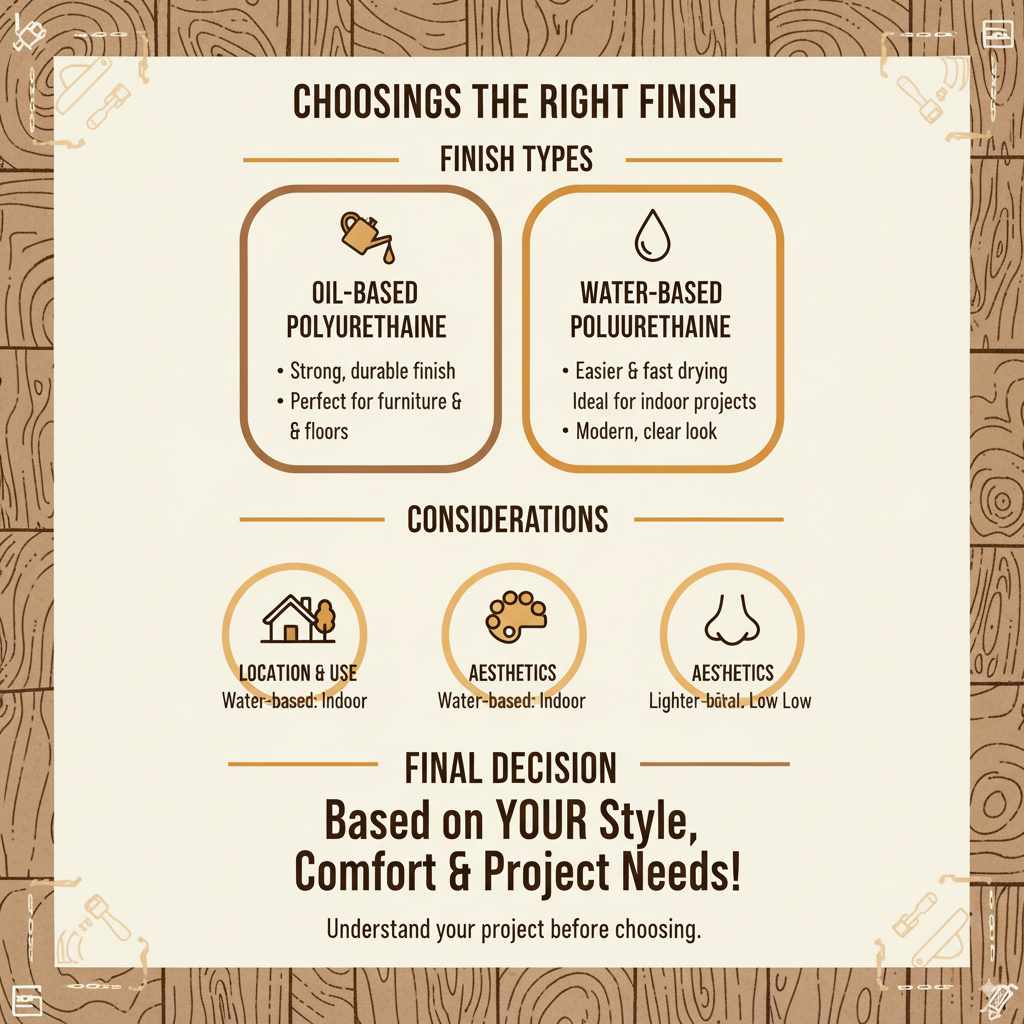
Polyurethane oiloffers a strong, durable finish. It is perfect for furniture and floors. Water-based polyurethaneis easier to apply and dries quickly. It is ideal for indoor projects. Consider the project’s location and use. Choose oil for outdoor items. Opt for water-based for indoor things.
Some prefer the rich look of oil-based finishes. Others like the clear look of water-based finishes. Oil-based finishes have a traditional feel. Water-based finishes are modern and sleek. Think about the smell. Oil-based can be strong. Water-based has less odor. Decide based on your style and comfort.
Frequently Asked Questions
What Is Better, Oil Or Water Based Polyurethane?
Oil-based polyurethane offers durability and a warm finish. Water-based dries faster, has less odor, and is eco-friendly. Choose oil for high-traffic areas and water for quicker projects. Preferences depend on specific needs and desired finish.
What Is The Downside Of Oil-based Polyurethane On Wood?
Oil-based polyurethane yellows over time, affecting wood color. It has a strong odor and longer drying time. Sanding between coats is necessary, adding time and effort. It can be less environmentally friendly due to VOC emissions. Its thick layer can obscure wood grain, affecting appearance.
Which Type Of Polyurethane Is Best?
Water-based polyurethane is ideal for interior use, offering low odor and quick drying. Oil-based polyurethane provides durability and a warm finish, suitable for high-traffic areas. For outdoor applications, choose spar urethane for UV resistance and weather protection. Consider your specific needs to select the best type.
What Is Water-based Polyurethane Good For?
Water-based polyurethane offers a durable, clear finish ideal for hardwood floors, furniture, and cabinetry. It dries quickly and emits fewer odors compared to oil-based options. Its non-yellowing formula enhances the natural beauty of wood surfaces. Easy cleanup with soap and water makes it a convenient choice for DIY projects.
Conclusion
Choosing between polyurethane oil and water-based finish depends on your needs. Polyurethane oil offers durability and a warm look. Water-based finishes dry fast and have low odor. Each has unique benefits for different projects. Consider the environment and desired appearance.
Budget and maintenance can also influence your decision. Both can protect surfaces effectively. Evaluate the pros and cons carefully. Make a choice that suits your specific requirements. Your project will benefit from the right finish. Understanding these finishes helps achieve the desired outcome.