Quarter Sawn Vs Rift Sawn White Oak Cabinets: Which Wins?
We will break down what these terms mean. You’ll learn about the grain patterns. You’ll see how they affect strength.
We will talk about cost. And we will help you decide which is right for your kitchen or bath. Let’s dive in and make this choice easy for you.
Quarter sawn and rift sawn white oak cabinets differ in their grain pattern, durability, and cost. Quarter sawn oak shows straight, tight grain with prominent flecks, offering superior stability and resistance to warping. Rift sawn oak has even straighter, more uniform grain without prominent flecks, also providing excellent stability. The choice depends on desired aesthetics, budget, and performance needs.
Understanding Wood Grain: Quarter Sawn vs. Rift Sawn
When we talk about how wood is cut, we’re talking about its grain. The grain is the natural pattern of wood fibers. The way a log is cut changes this pattern a lot.
This is true for white oak.
Imagine a log. It’s like a big cylinder of wood. When you cut it, you get different looks.
Quarter sawn and rift sawn are specific cuts. They aim for a particular grain style.
Quarter sawing means cutting the log into quarters first. Then, you cut each quarter. You cut it at an angle.
This angle is usually close to 90 degrees to the tree’s growth rings. This method creates a lovely, straight grain.
It also brings out something called “medullary rays.” These look like little flakes or flecks. They give quarter sawn oak a unique, sometimes shimmering look. It’s a very decorative pattern.
Rift sawing is a bit more precise. It’s done when the cut is very close to being perpendicular to the growth rings. Think of it as cutting the log in a way that shows the straightest grain possible.
Rift sawn wood has very tight, straight lines. It usually doesn’t have those prominent flecks you see in quarter sawn.
Both cuts give you great wood for cabinets. They are strong. They resist changes from heat and cold better than other cuts.
The Visual Appeal: Grain Patterns and Aesthetics
The biggest difference people notice first is how the wood looks. The grain pattern is key here. It sets the style for your cabinets.
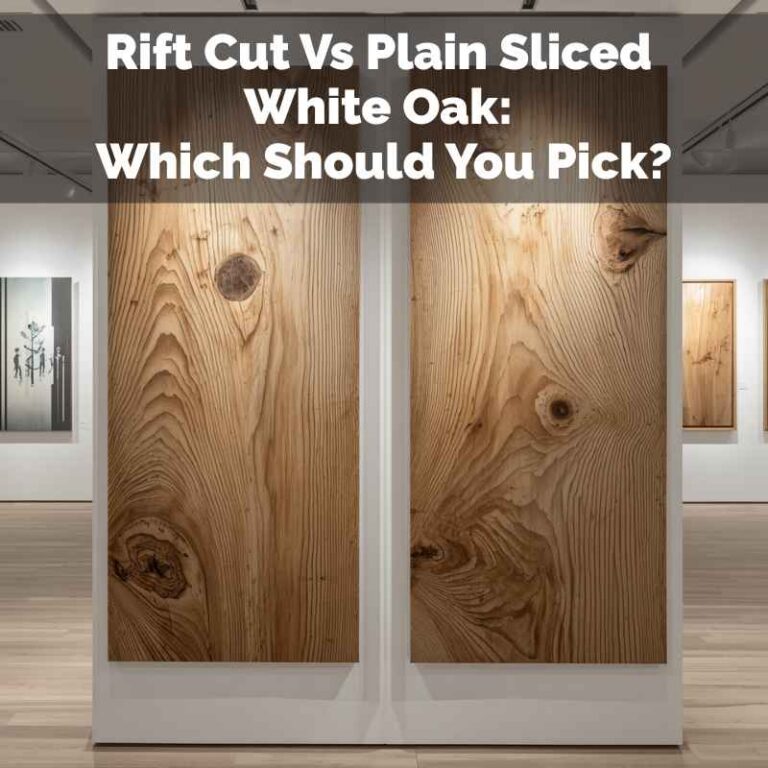
Quarter sawn white oak is known for its distinctive look. You get those straight lines of grain. But then you see the flecks.
These are the medullary rays. They can be small or quite large. They catch the light differently.
This makes the wood look lively.
The flecks are like nature’s own decoration. They give the cabinets a classic, sometimes Arts and Crafts feel. It’s a very sought-after look.
It adds depth and character to the wood.
Rift sawn white oak offers a different kind of beauty. Its grain is super straight. It’s very uniform.
You don’t see the big, bright flecks. This gives it a more modern, clean look. It’s sleek and calm.
If you like a minimalist style, rift sawn might be for you. The lines are like parallel pinstripes. It’s very orderly.
It can make a space feel larger or more streamlined.
Visual Style Quick Check
Quarter Sawn Oak:
- Straight grain lines
- Prominent medullary ray flecks (shimmering, flakes)
- Classic, traditional, or Arts and Crafts look
- Adds depth and character
Rift Sawn Oak:
- Very straight, uniform grain lines
- Minimal to no medullary ray flecks
- Modern, clean, minimalist look
- Sleek and orderly appearance
Think about your kitchen’s overall design. Do you want a warm, traditional feel? Quarter sawn might be your pick.
Do you lean towards a sleek, contemporary vibe? Rift sawn could be the better choice.
Durability and Stability: How They Hold Up
Cabinets need to be tough. They face daily use. They deal with changes in temperature and humidity in our homes.
Wood that is stable is very important.
Both quarter sawn and rift sawn white oak are known for being stable. This is because of how they are cut from the log. They are cut further away from the center of the log.
This means the wood fibers are more parallel.
Quarter sawn wood is very stable. The way it’s cut helps it resist changes. It won’t warp or cup as much as wood cut in other ways.
Those medullary rays, while pretty, actually add to the wood’s strength in this cut. They run across the grain.
I remember a kitchen remodel where we used quarter sawn oak. The homeowner lived in a very old house. It had temperature swings.
The cabinets stayed perfectly flat. Not a single door warped. It was really impressive to see.
Rift sawn wood is also extremely stable. Because the grain is so perfectly straight and uniform, it’s less likely to move. It’s cut to get the longest, straightest grain possible.
This makes it very strong and resistant to the elements.
In fact, rift sawn is often seen as the most stable of the oak cuts. It’s used in places where precision is key. Think of high-end furniture or architectural elements.
It’s less prone to swelling or shrinking. This is great news for cabinet doors. They stay straight and tight.
So, both are excellent choices for durability. You can trust either one to perform well. If you are in an area with extreme humidity changes, rift sawn might have a slight edge for pure stability.
But quarter sawn is still a champion.
The Cost Factor: Budget Considerations
Let’s talk money. Woodworking is skilled labor. Cutting wood in specific ways takes more time.
This usually means it costs more.
Generally, both quarter sawn and rift sawn oak cost more than plain sawn oak. Plain sawn is the most common way to cut a log. It’s faster and yields more lumber from a single log.
Quarter sawn oak often comes with a higher price tag. This is for a few reasons. First, you get fewer usable boards from a log when you cut it into quarters and then at an angle.
More of the log is lost as waste.
Second, there’s the labor involved. It takes more skill and time to achieve the precise angle for the quarter sawn cut. The nice fleck pattern is also highly desired.
That demand can drive up the price.
Rift sawn oak can sometimes be even more expensive than quarter sawn. This is because it’s the most precise cut. You are aiming for a very specific grain orientation.
This requires even more care and expertise from the sawyer. You also get even less usable lumber from a log with rift sawing.
The straightest grain is the goal. You have to select specific parts of the log. This makes it a premium product.
So, expect to pay more for rift sawn. It’s a premium material.
Cost Comparison (General)
Plain Sawn Oak: Most affordable.
Quarter Sawn Oak: Mid-range to higher cost. Price varies based on quality and fleck intensity.
Rift Sawn Oak: Highest cost. Premium material due to precise cutting and extreme grain uniformity.
When you’re budgeting for cabinets, factor this in. If you love the look of rift sawn but your budget is tighter, perhaps you can use it for a focal point. Maybe just the island or a few key cabinets.
You could pair it with quarter sawn or even plain sawn for the rest.
The Manufacturing Process: From Log to Cabinet
The journey from a standing tree to your finished cabinets is interesting. The way the log is sectioned is the very first step. It sets the stage for everything else.
For quarter sawn, a sawyer takes a log. They might split it down the middle. Then they cut each half into two quarters.
So you have four big wedges. Then, each wedge is cut. The cuts are made at an angle.
This angle aims to make the wood grain run at about 90 degrees to the face of the board. This is where those ray flecks show up beautifully.
It’s a process that prioritizes getting the right grain on the visible face of the lumber. You are looking for that ray fleck. It’s a sign of the correct cut.
For rift sawn, it’s about getting the straightest possible grain. The log is cut very carefully. Each cut is oriented to produce lumber where the grain runs as close to parallel to the edge of the board as possible.
This means the growth rings on the end grain are mostly vertical, like lines. The goal is pure, straight lines. No wavy bits.
No swirls.
This cut is the most challenging. It requires very accurate sawing. You’re cutting away a lot of wood that doesn’t fit the strict criteria.
This makes it less efficient. It adds to the cost.
Cabinet makers then take this lumber. They cut it into the specific sizes needed for doors, drawer fronts, and cabinet boxes. The way the lumber was cut at the sawmill dictates the final look and performance of the cabinet parts.
In my experience, working with cabinet makers who specialize in these cuts is key. They understand the wood. They know how to select the best pieces.
They can guide you on which cut best suits your vision and needs.
Comparing Performance: Warping, Expansion, and Contraction
Let’s get a bit more technical. Wood is a natural material. It breathes.
It reacts to its environment.
Warping is when a piece of wood bends or twists. This usually happens due to uneven drying or moisture changes. It’s a major issue for cabinets.
A warped door just doesn’t close right. It looks bad.
Quarter sawn wood is very resistant to warping. Because the growth rings are cut at an angle, the wood fibers are more stable. They don’t have as much room to move.
The medullary rays also help brace the wood.
Rift sawn wood is arguably the most stable of all. The grain is so straight. It runs parallel to the edges of the board.
This means it moves very little. It expands and contracts much less than plain sawn wood. For cabinets in areas with high humidity or large temperature shifts, this stability is a huge benefit.
Think of it like a stack of straws. If you cut the straws straight across, they are strong. If you cut them at an angle, they might bend more easily.
The straight cut is more rigid.
Performance Focus
Dimensional Stability:
- Rift Sawn: Excellent. Minimal expansion/contraction. Best for extreme environments.
- Quarter Sawn: Very Good. Resists warping and movement well.
Resistance to Warping:
- Both are superior to plain sawn wood.
- Rift sawn offers the highest degree of stability.
So, if your home has challenging climate conditions, this is something to consider seriously. Both cuts are good, but rift sawn takes the stability crown. This means your cabinet doors and drawer fronts will stay flat and true for years.
Maintenance and Care: Keeping Them Looking Great
Taking care of your cabinets is important. Whether you choose quarter sawn or rift sawn, the maintenance is pretty similar. The wood itself is durable.
For both types of oak, you’ll want to clean them regularly. A soft, damp cloth is usually all you need. Wipe them down to remove dust and light grime.
For tougher spots, a mild soap and water solution can work.
Avoid harsh chemicals or abrasive cleaners. These can damage the finish on your cabinets. They can also dull the natural beauty of the wood.
It’s also wise to wipe up spills quickly. Especially if they are acidic, like juice or wine. This prevents the liquid from soaking into the wood and potentially staining it.
This is true for any wood cabinet, regardless of the cut.
The finishes applied to cabinets also play a big role. A good quality sealant or varnish will protect the wood. It will make cleaning easier.
It will also enhance the wood’s natural color and grain.
I’ve seen oak cabinets that were neglected for years. They still looked pretty good. That’s the beauty of oak.
It’s a hard, dense wood. But with a little regular care, they can look stunning for decades.
The dense nature of oak means it resists dents and scratches better than softer woods. This is a major plus for busy kitchens.
Real-World Context: When Each Cut Shines
Let’s think about where you might see these different cuts. This can help you decide.
Quarter sawn white oak is a classic choice. It’s often found in homes with a craftsman style. Think of houses built in the early 1900s.
The prominent ray flecks fit perfectly with the natural, handmade aesthetic of that era. It’s also popular in more traditional homes. It adds a touch of warmth and elegance.
If you’re remodeling a historic home, quarter sawn is often the authentic choice. It looks like it belongs there.
I once visited a bed and breakfast in Vermont. Every piece of wood paneling and every cabinet was quarter sawn white oak. The dining room was bathed in sunlight.
The flecks shimmered. It felt so rich and inviting. It made a huge impact.
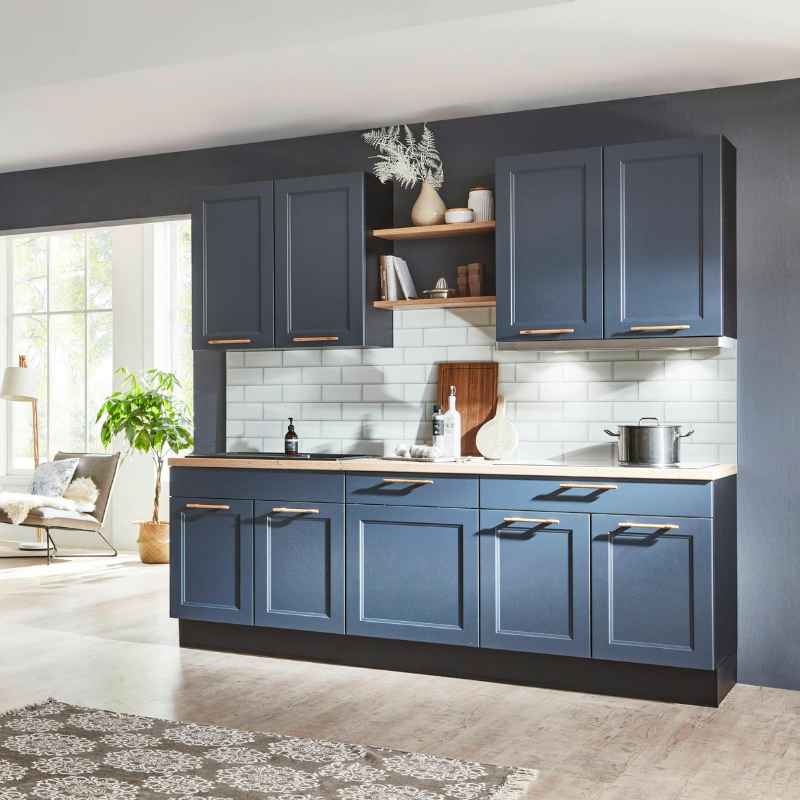
Rift sawn white oak is perfect for modern and contemporary designs. Its clean, straight lines are ideal for sleek kitchens and bathrooms. If you like a minimalist look, or something with a Scandinavian feel, rift sawn is excellent.
It doesn’t have the busy pattern of the flecks. This allows for a very calm and organized visual.
It’s also used in commercial spaces. Think of high-end offices or retail stores where a polished, uniform look is desired. Its stability is also a plus in these environments.
Imagine a modern kitchen with flat-panel cabinets. The handles are sleek. The countertops are clean.
Using rift sawn oak for those cabinets would create a seamless, sophisticated look. The predictable grain pattern enhances the overall design.
Style Match Guide
Choose Quarter Sawn For:
- Craftsman, Arts and Crafts style homes.
- Traditional or classic kitchen designs.
- Homes with natural, rustic, or warm aesthetics.
- Desire for wood with visible, unique character (flecks).
Choose Rift Sawn For:
- Modern, contemporary, and minimalist kitchens.
- Sleek, sophisticated, or Scandinavian designs.
- Spaces where a very uniform and clean grain is preferred.
- High-end commercial or architectural applications.
Don’t forget to consider the finish too. A clear finish will show off the natural grain of either cut. A stained finish can alter the look significantly.
A dark stain on rift sawn can create a dramatic, modern effect. A light, natural stain on quarter sawn can enhance its traditional charm.
What This Means for Your Home Projects
So, what’s the takeaway for your home project? It really comes down to your personal taste and your home’s style. And a little bit about your budget and climate.
When quarter sawn is a great choice:
- You love the traditional look.
- You want cabinets with character.
- Your home has a historic or craftsman feel.
- You don’t mind visible flecks in the wood grain.
- Your budget allows for a premium wood choice.
When rift sawn is a great choice:
- You prefer a modern, clean, and simple look.
- You want very uniform, straight grain lines.
- You live in an area with significant temperature or humidity swings.
- You are aiming for a minimalist or Scandinavian design.
- You have a higher budget for premium materials.
It’s also important to look at samples. Wood is natural. Even within the same cut, there can be variation.
See what the actual cabinet doors will look like. Hold them up in your kitchen light. See how they feel with your countertops and flooring.
I once helped a client who was torn. They loved the modern look of rift sawn. But they also liked the warmth of quarter sawn.
We ended up using rift sawn for their main kitchen cabinets. Then, we used a stained quarter sawn oak for their island. It created a beautiful contrast.
It was a way to get both looks.
Consider the finish you plan to use. A clear coat on quarter sawn will highlight those flecks. A dark stain on rift sawn will emphasize its straightness.
The combination of cut and finish is powerful.
Quick Tips for Choosing
Here are some quick tips to help you make your decision.
- Look at samples: Always get actual samples. Look at them in your home’s light.
- Consider your style: Match the wood grain to your overall home design.
- Think about climate: If you have big weather changes, lean towards rift sawn for stability.
- Set your budget: Both are premium. Rift sawn is typically more costly.
- Ask questions: Talk to your cabinet maker. They have valuable insights.
- Don’t forget the finish: The finish will change how the grain looks.
- Prioritize: If you love one aspect (like flecks), focus on that.
It’s okay to take your time. Cabinets are a big investment. You want to love them for years to come.
Frequently Asked Questions About Oak Cabinet Cuts
What is the main visual difference between quarter sawn and rift sawn white oak?
The main visual difference is the presence of prominent flecks or medullary rays. Quarter sawn oak shows these flecks, giving it a more decorative, sometimes shimmering look. Rift sawn oak has very straight, uniform grain lines with minimal to no flecks, offering a cleaner, more modern appearance.
Is quarter sawn or rift sawn oak more durable?
Both are very durable and stable. Rift sawn is often considered slightly more stable due to its extremely straight grain, making it less prone to warping and expansion/contraction. Quarter sawn is also highly stable and resists warping well, especially because of the medullary rays that brace the wood.
Which cut is more expensive, quarter sawn or rift sawn?
Generally, both are more expensive than plain sawn oak. Rift sawn oak is typically the most expensive because it requires a very precise cut to achieve the straightest possible grain, yielding less usable lumber from a log. Quarter sawn oak is also a premium option and usually costs more than plain sawn.
Can I get dark stained cabinets with rift sawn oak?
Yes, absolutely! Dark stained rift sawn oak creates a very sophisticated and modern look. The straight grain lines remain visible and add a sense of depth.
It’s a popular choice for contemporary kitchens seeking a dramatic yet sleek aesthetic.
Which cut is better for a modern kitchen design?
Rift sawn white oak is generally better suited for modern kitchen designs. Its very straight, uniform grain and lack of prominent flecks provide a clean, minimalist look that complements contemporary aesthetics. Quarter sawn oak can work in modern designs if you desire a bit more natural character and warmth.
Does the cut of the oak affect how it takes stain?
The cut itself doesn’t drastically change how stain is absorbed, but it affects how the grain pattern appears under the stain. A dark stain on rift sawn will emphasize the straight lines. A lighter stain on quarter sawn will highlight the contrast between the grain and the flecks.
The finish applied over the stain is more important for protection and sheen.
The Final Word on Your Cabinet Choice
Choosing between quarter sawn and rift sawn white oak for your cabinets is a wonderful decision to make. Both offer exceptional beauty and lasting quality. Your final choice should feel right for you and your home.
Think about the look you love. Consider how your home feels. Trust your instincts.
You’ll end up with cabinets you’ll cherish for years to come.
Sponsored / affiliate links. As an Amazon Associate I earn from qualifying purchases. I may earn additional commission from eligible campaigns.