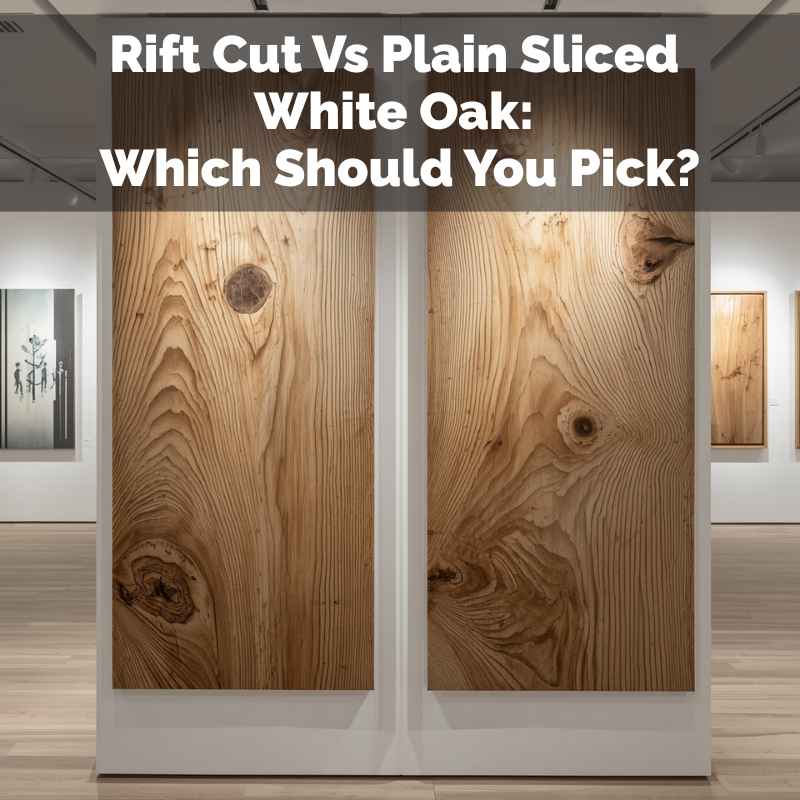
Rift Cut Vs Plain Sliced White Oak: Which Should You Pick?
Rift cut and plain sliced white oak differ mainly in how the wood is cut from the log. This affects grain pattern, stability, and cost. Plain sliced is more common and shows broader “flame” patterns.
Rift cut has a straighter, more uniform grain and is more stable but also more expensive.
Understanding Wood Grain: The Basics
Wood grain is like the fingerprint of a tree. It shows the path of the tree’s growth. How a board is cut from a log determines how that grain shows up.
This is super important for how the wood looks and performs.
When you look at a piece of wood, you see lines. These lines are the wood’s grain. They follow the tree’s long, upward growth.
Different cutting methods reveal these lines in unique ways. This difference is key to understanding rift cut and plain sliced oak.
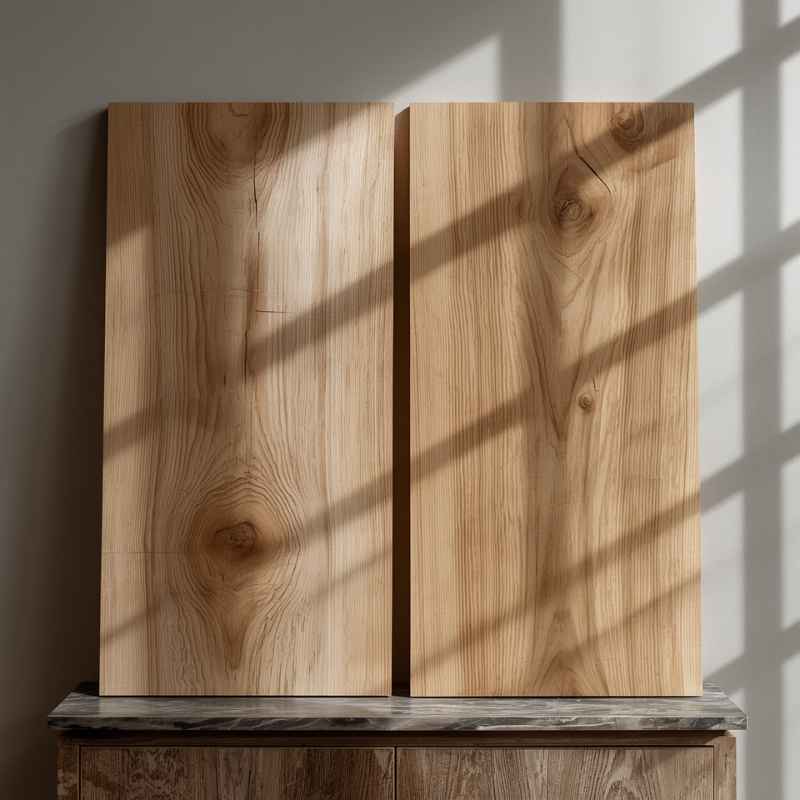
What is Plain Sliced White Oak?
Plain sliced white oak is a very common way to cut wood. It’s also called flat cut. Imagine a log cut into long, flat pieces.
The saw blade cuts across the growth rings at an angle. This typically is between a 15 to 75-degree angle.
This method is efficient. It yields more usable wood from each log. Because of this, it’s usually less costly.
The grain pattern often shows wide, flowing curves. People sometimes call these “cathedrals” or “flames.” You see these dramatic patterns quite a bit with this cut.
Many homeowners and builders love plain sliced oak. It has a warm, classic look. It’s great for floors, cabinets, and furniture.
The varied grain adds a lot of natural beauty to any space. You’ll see it in many traditional and rustic styles.
One thing to note is that the wider, more open grain can sometimes be a bit less stable. It might expand or contract more with changes in humidity. This is common in many hardwoods.
For most uses, this isn’t a big problem. But for very precise or sensitive projects, it’s something to keep in mind.
What is Rift Cut White Oak?
Rift cut white oak is cut in a different way. It’s made by cutting the log at a much steeper angle. The saw blade cuts closer to the 90-degree angle of the growth rings.
This means the saw blade cuts more along the wood’s radius. Think of cutting the log into quarters first, then slicing.
This cutting method is more precise. It uses less of the log. This makes it more expensive than plain sliced.
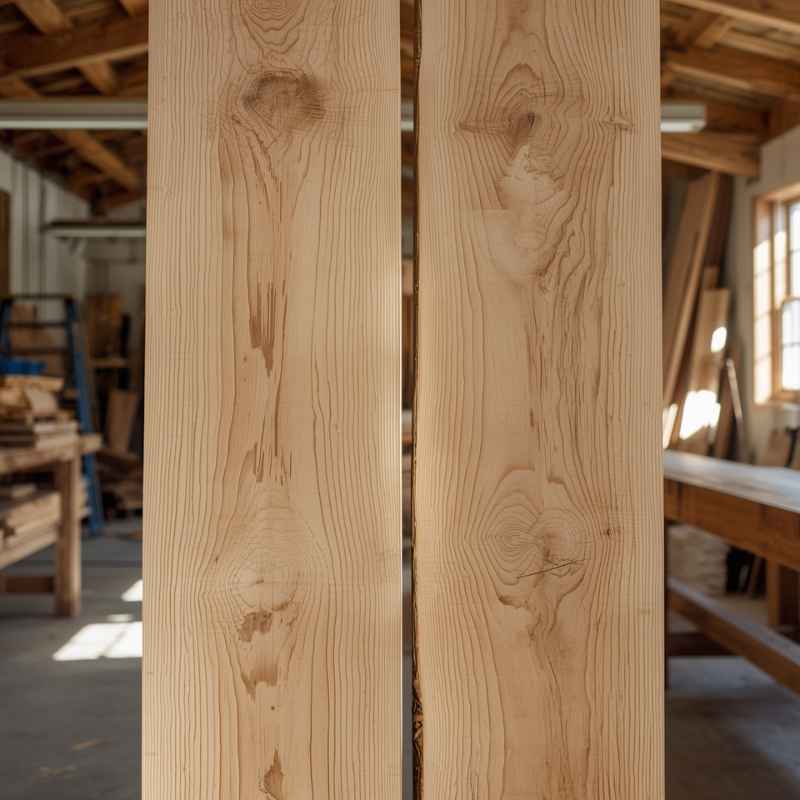
The grain pattern is very straight and uniform. You won’t see those wide, wavy “cathedral” patterns here. Instead, you get tight, parallel lines running down the board.
This straight grain makes rift cut oak very stable. It expands and contracts less with humidity changes. This makes it ideal for demanding applications.
Think of things that need to stay perfectly flat. Or items exposed to changing moisture levels.
Rift cut oak has a clean, modern look. It’s popular in contemporary design. It’s often used for kitchen cabinets, wall paneling, and high-end furniture.
The consistent grain gives a sleek, sophisticated feel. It’s perfect when you want a smooth, uncluttered look.
The tight, straight grain also means it’s very strong. It resists splitting better than plain sliced. This is another benefit for durability.
When you want a seamless, high-performance wood, rift cut is a great option.
Comparing the Grain Patterns
The biggest visual difference is the grain. Plain sliced oak shows broad, sweeping patterns. These are the “cathedral” effects.
They look natural and organic. Each board can look quite unique.
Rift cut oak shows very straight, parallel lines. The grain is tight and consistent. It looks more formal and ordered.
You don’t get those dramatic, flowing shapes. The look is much more subdued and controlled.
Think of it like stripes versus waves. Plain sliced gives you wavy patterns. Rift cut gives you straight stripes.
Both are beautiful, but they create very different moods. Your personal style and the project’s overall design will help you decide.
If you love a natural, earthy look with lots of variation, plain sliced is fantastic. If you prefer a clean, minimalist, and structured appearance, rift cut shines.
Stability and Performance: A Deeper Look
Wood moves. It absorbs moisture from the air. Then it releases it.
This causes it to swell and shrink. How much it moves depends on how it’s cut. This is where rift cut oak has an edge.
Rift cut wood is cut more perpendicular to the tree’s growth rings. The growth rings form tight angles with the face of the board. This makes the wood much more stable.
It’s less prone to cupping, warping, or twisting.
Plain sliced wood is cut more parallel to the growth rings. The growth rings meet the face of the board at shallow angles. This makes it more susceptible to expansion and contraction.
You might see more cupping or bowing over time, especially with changes in humidity.
This difference is crucial for certain projects. For example, wide plank flooring. Or kitchen cabinets where doors might warp.
Or even tabletops that need to stay perfectly flat. Rift cut oak performs better in these situations.
However, for many common uses, like decorative trim or even some furniture, plain sliced oak is perfectly fine. The movement is usually manageable with proper finishing and installation.
Cost Differences Explained
There’s no getting around it: rift cut oak is usually more expensive. Why is this? It all comes down to efficiency and yield.
When you plain slice a log, you get more usable boards. The saw cuts across the log in a way that maximizes the output. This means less waste.
Less waste means lower costs per board foot.
With rift cut, the process is less efficient. You often have to quarter the log first. Then you cut boards at a steep angle.
This creates more waste. You get fewer usable boards from the same log. This higher material cost is passed on to you.
So, if budget is a major concern, plain sliced oak is the more economical choice. If stability and a specific grain look are paramount, and you have the budget, rift cut is worth the investment.
It’s a classic trade-off in woodworking and construction. You often balance aesthetics, performance, and cost. Understanding these differences helps you make the best decision for your unique needs.
I remember a project where we were building custom shelves for a client’s home library. They wanted a really clean, modern look. They had a specific vision for the wood grain.
We showed them samples of both plain sliced and rift cut oak. They immediately gravitated towards the rift cut. They loved how the straight lines made the shelves look so precise and intentional.
Even though it cost a bit more, they said the finished result was exactly what they wanted. It really showed me how important those subtle differences can be to people’s final vision.
The “Rift & Quartered” Combination
You might also hear the term “rift and quartered” white oak. This refers to wood that is cut using both rift cutting and quarter sawing methods. Quarter sawing involves cutting the log into quarters and then slicing boards from the quartered sections.
Rift cut is essentially a part of the quarter sawing process. It focuses specifically on the boards where the grain is straight and parallel. Quarter sawing itself aims for stability and a more consistent grain than plain slicing.
Boards that are classified as “rift and quartered” will exhibit the characteristics of rift cut. They will have that straight, consistent grain. They also benefit from the stability that comes from being cut this way.
This term is common when sourcing wood for high-end projects. It assures the buyer of the wood’s quality and specific grain characteristics. It’s often used in architectural millwork and fine furniture making.
When you see “rift and quartered,” think of it as a premium cut. It guarantees you the straight grain and excellent stability you expect from rift cutting.
Durability and Maintenance
Both rift cut and plain sliced white oak are very durable woods. White oak, in general, is known for its hardness and resistance to wear. It’s a strong hardwood that stands up well to daily use.
The primary difference in durability comes down to stability. As we discussed, rift cut is more stable. This means it’s less likely to show damage from moisture-related movement, like warping.
This can contribute to its long-term good looks and performance.
Maintenance is similar for both. Properly sealing and finishing the wood is key. This protects it from stains, moisture, and wear.
A good quality finish will help maintain the wood’s beauty for years.
For flooring, both can work well. However, rift cut may be preferred for areas with more humidity fluctuations, like kitchens or basements. For cabinetry, the stability of rift cut can prevent doors from sagging or becoming uneven over time.
No matter which cut you choose, regular cleaning with a soft cloth will help keep it looking its best. Avoid harsh chemicals or abrasive cleaners. These can damage the finish and the wood itself.
Quick Scan: Plain Sliced vs. Rift Cut White Oak
Attribute | Plain Sliced | Rift Cut
Grain Pattern | Broad “cathedral” or wavy | Straight, parallel lines
Stability | Moderate; can expand/contract | High; very stable
Cost | More affordable | More expensive
Appearance | Natural, varied, organic | Clean, uniform, modern
Common Uses | Floors, cabinets, furniture | High-end cabinets, paneling, furniture
Where Do You See These Cuts Used?
Understanding common applications can help you visualize the difference. Where you see these cuts used often tells you why they were chosen.
Plain Sliced White Oak:
- Flooring: This is incredibly popular. The varied grain adds warmth and character to rooms. It’s often used in homes with traditional or rustic decor.
- Cabinets: Kitchen and bathroom cabinets frequently use plain sliced oak. The flowing grain adds visual interest to cabinet doors and drawer fronts.
- Furniture: Many dining tables, chairs, and dressers are made from plain sliced oak. It offers a beautiful, natural wood look that ages well.
- Wall Paneling: For a cozy, inviting feel, plain sliced oak paneling is a great choice.
Rift Cut White Oak:
- High-End Cabinets: When a sleek, modern kitchen is desired, rift cut is often specified. It provides a seamless look without distracting grain patterns.
- Architectural Millwork: Think custom doors, stair railings, and intricate wall paneling. Where precision and a clean look are vital.
- Modern Furniture: For designers seeking a minimalist aesthetic, rift cut oak offers a refined, uncluttered surface.
- Commercial Spaces: Offices, hotels, and retail stores often use rift cut for its sophisticated and durable appearance.
- Areas with Humidity Swings: As mentioned, its stability makes it ideal for places like boat interiors or areas near water.
I’ve seen builders choose plain sliced for a family’s main living areas. They wanted that classic, warm feel that oak provides. Then, for their master bathroom vanity, they opted for rift cut.
They wanted something that would hold up perfectly to steam and humidity. It looked so smooth and clean. The contrast between the two rooms, using the same species of wood but different cuts, was striking.
It really highlighted how the cut impacts the final design feel.
Contrast Matrix: Appearance Expectations
Myth: All oak grain looks the same.
Reality: The cut of the wood dramatically changes the grain pattern. Plain sliced offers broad, flowing patterns. Rift cut provides straight, uniform lines.
Myth: Oak is always prone to warping.
Reality: While wood moves, rift cut oak is significantly more stable due to its cutting method. This makes it a better choice for high-moisture or precision-critical applications.
What This Means for Your Project
So, how do you decide which is best for you? It really boils down to a few key questions about your project.
1. What is your desired aesthetic?
Do you love the natural, organic look with lots of variation? Or do you prefer a clean, minimalist, and uniform appearance? Plain sliced offers the former, while rift cut offers the latter.
2. What is the intended use?
For high-wear areas, or places with potential humidity changes, rift cut offers better stability. For most standard home applications, plain sliced performs just fine.
3. What is your budget?
Plain sliced oak is generally more budget-friendly. Rift cut comes at a premium due to the cutting process and material yield.
4. How important is grain consistency?
If you need every board to look very similar, rift cut is your answer. If you enjoy the unique character each plank brings, plain sliced is excellent.
Consider the overall style of your home or space. Think about how the wood will be used day-to-day. Don’t forget to factor in the long-term look you want to achieve.
For example, if you’re redoing your living room floor and want a cozy, inviting feel, plain sliced oak with its beautiful “cathedral” patterns would be a wonderful choice. You’ll get a lot of natural variation that makes the floor interesting.
On the other hand, if you’re designing a modern home office and want everything to look sharp and precise, rift cut oak for your desk and built-in bookshelves would create that sophisticated, streamlined effect. The straight grain will give a sense of order and calm.
It’s not about one being “better” than the other. It’s about choosing the right tool for the right job, or the right look for the right space.
Quick Tips for Choosing
Here are some easy steps to help you make your decision:
- Get Samples: Always ask for samples of both cuts from your supplier. See them in your own lighting. Feel the texture.
- Visualize: Try to imagine the finished product. Will the grain pattern enhance or detract from the overall design?
- Talk to Your Supplier: They can offer advice based on your project needs. Ask about the stability and typical grain patterns you can expect.
- Consider the Finish: A clear finish will show the natural grain. A darker stain can sometimes mask the differences in grain patterns, but it won’t change the underlying wood movement characteristics.
I once helped a friend pick out wood for their new kitchen island. They were torn between the two. I suggested we look at some actual cabinet doors.
Seeing them side-by-side made the difference so clear. The plain sliced had this warm, flowing look that felt very inviting. The rift cut was super clean and modern.
They decided the plain sliced fit the overall homey feel they were going for. It was a simple step, but seeing the real thing made the choice easy for them.
Decision Helper: What’s Your Priority?
If your priority is:
Cost Savings: Choose Plain Sliced.
Dramatic, Natural Grain: Choose Plain Sliced.
Maximum Stability: Choose Rift Cut.
Sleek, Uniform Look: Choose Rift Cut.
High-Moisture Areas: Consider Rift Cut.
When to Worry (and When Not To)
It’s important to know when the wood’s behavior is normal and when it might be a sign of trouble. Both cuts of white oak are generally very stable, especially compared to some other woods.
Normal Behavior for Plain Sliced Oak:
- Slight variations in grain pattern from board to board.
- A subtle “breathing” as humidity changes, which can cause very minor shifts.
- The natural color variations inherent in wood.
When to Worry with Plain Sliced Oak:
- Significant cupping (edges curling up).
- Major warping or twisting that affects the functionality or appearance.
- Large, unexplained cracks or checks opening up.
- This usually happens if the wood wasn’t properly dried, or if it’s exposed to extreme or rapid humidity changes without adequate protection.
Normal Behavior for Rift Cut Oak:
- Very consistent, straight grain.
- Minimal to no noticeable movement with normal humidity changes.
- The expected hardness and durability of oak.
When to Worry with Rift Cut Oak:
- Even rift cut can show issues if it’s very poor quality lumber or subjected to extreme conditions. Look out for any unexpected cracking or significant warping.
- This is rarer, but can happen if the wood is installed improperly or exposed to water damage.
Key Takeaway: For most home projects, both plain sliced and rift cut white oak will perform admirably. The key is proper finishing and installation. If you’re in a region with very extreme humidity swings, or if your project requires absolute flatness (like a workbench surface), then rift cut’s superior stability becomes a more significant advantage.
Don’t overthink it for standard uses; both are excellent choices.
Frequently Asked Questions
What is the main difference between rift cut and plain sliced white oak?
The main difference is how the wood is cut from the log. Plain sliced (or flat cut) is cut at a shallow angle to the growth rings, showing broad, wavy grain patterns. Rift cut is cut at a steeper angle, closer to 90 degrees to the growth rings, resulting in straight, uniform, parallel grain lines.
Is rift cut oak more stable than plain sliced oak?
Yes, rift cut oak is significantly more stable. Its grain runs more perpendicular to the board’s face, making it less prone to expanding, contracting, warping, or cupping with changes in humidity.
Why is rift cut oak more expensive?
Rift cut oak is more expensive because the cutting process is less efficient. It yields fewer usable boards from a log compared to plain slicing, leading to higher material costs.
Which cut is better for kitchen cabinets?
Both can work. For a modern, sleek look and maximum stability, rift cut is often preferred, especially in humid environments. For a more traditional, natural look with varied grain, plain sliced is a popular and cost-effective choice.
Can I stain rift cut and plain sliced oak the same way?
Yes, you can stain both cuts. However, the underlying grain pattern will still be visible. Stains can enhance or slightly alter the perceived intensity of the grain.
Lightly sanding both surfaces evenly is important for consistent stain absorption.
Does the cut of the wood affect its hardness?
The hardness of the wood species itself (white oak in this case) is the primary factor. The cutting method (rift vs. plain sliced) mainly affects the grain pattern and stability, not the inherent hardness of the wood fibers.
What does “rift and quartered” oak mean?
Rift and quartered” refers to lumber cut using methods that produce straight grain patterns, primarily rift cut boards and quarter sawn boards. It’s a premium designation indicating high stability and specific grain characteristics.
Final Thoughts on Your Wood Choice
Deciding between rift cut and plain sliced white oak is a choice that shapes the final look and feel of your project. You’ve learned about the distinct grain patterns, the critical differences in stability, and why the cost varies. Both are beautiful, durable woods.
Your project’s design, budget, and intended use should guide you.
Embrace the process of choosing. Look at samples, imagine the grain in your space, and trust your instincts. You’ll end up with a wonderful result you can be proud of.
Sponsored / affiliate links. As an Amazon Associate I earn from qualifying purchases. I may earn additional commission from eligible campaigns.