Remove Dog Urine Smell From Wood Floors Fast
Accidents happen, and when your furry friend has an issue on your beautiful wood floors, it can be a real worry. Many people find it tricky to know the best way to handle pet stains and odors, especially when they want to deal with it quickly. Don’t stress, though!
This guide will walk you through simple steps to Remove Dog Urine Smell from Wood Floors Fast and get your home smelling fresh again. We’ll cover everything you need to know to tackle those tough spots effectively.
How to Remove Dog Urine Smell from Wood Floors Fast
Dealing with dog urine on wood floors can seem like a tough task, but with the right approach, you can tackle it efficiently. This section focuses on the immediate actions and cleaning methods that are most effective for quick odor removal. We’ll explore how to act fast to prevent the smell from setting deep into the wood, which is key to getting great results without a lot of hassle.
You’ll learn about the best cleaning agents and techniques to use right away to make a big difference.
Immediate Steps for Freshness
When an accident occurs, acting quickly is your best friend. The longer urine sits on wood, the more it can soak in and cause lasting damage and odor. Your first move should always be to absorb as much of the liquid as possible.
This is crucial because it limits how far the urine can penetrate the wood grain.
Blotting the Area Immediately
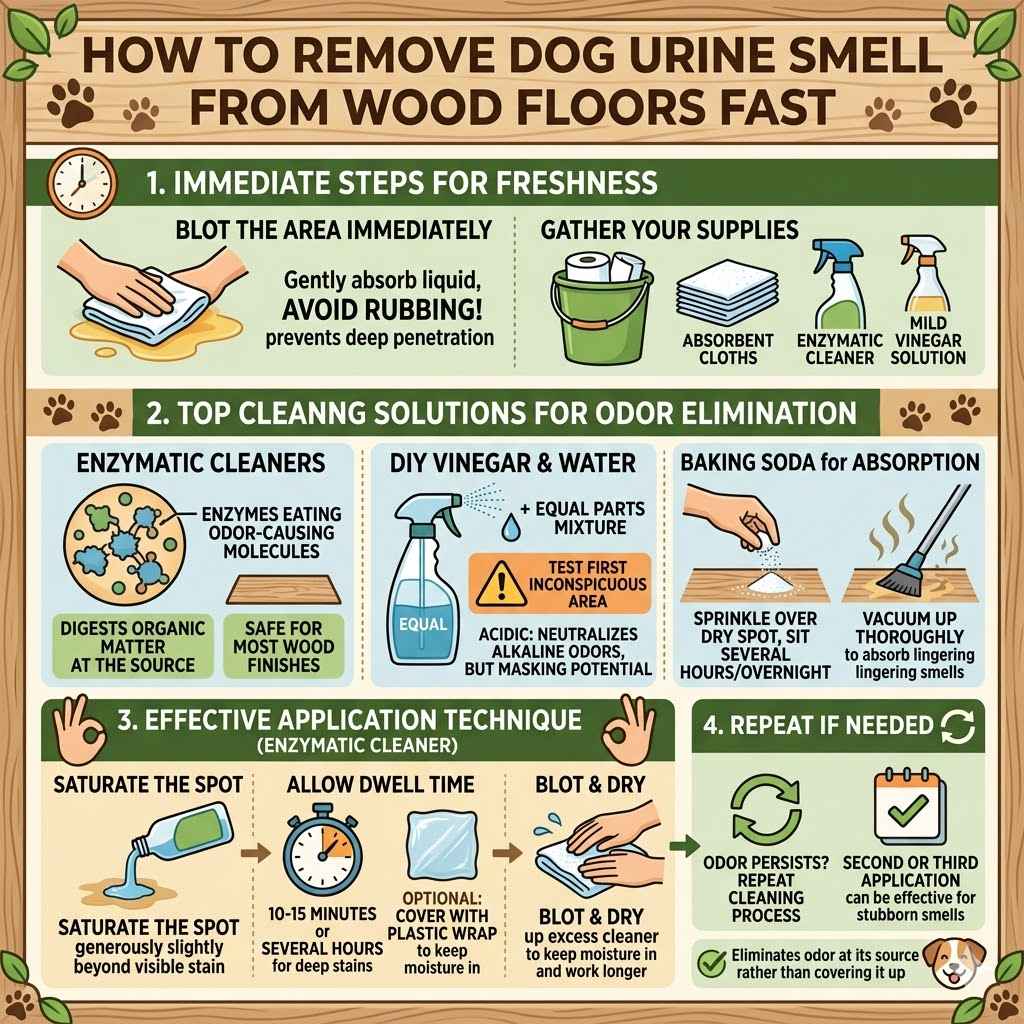
Use a clean, absorbent cloth or paper towels to gently blot up the urine. Avoid rubbing, as this can spread the mess and push it deeper into the floor. Keep pressing down with fresh cloths until no more liquid is absorbed.
This simple action is the most critical first step in preventing the smell from becoming permanent.
Gather Your Supplies
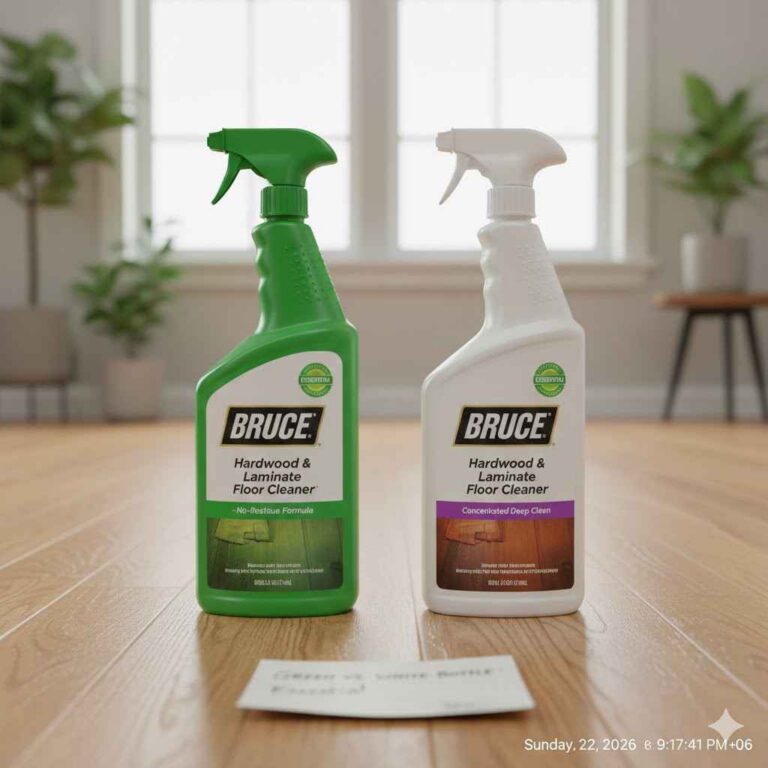
Having a few key items ready can save you time and effort. You’ll want clean cloths, paper towels, a pet-specific enzymatic cleaner, and possibly a mild solution of white vinegar and water. Knowing what you need beforehand means you can start cleaning the moment an accident happens.
Top Cleaning Solutions for Odor Elimination
Not all cleaners are created equal when it comes to pet odors. Some can mask the smell temporarily, but others actually break down the odor-causing molecules. Enzymatic cleaners are often recommended by veterinarians and pet experts because they contain natural enzymes that digest the organic matter in urine, eliminating the odor at its source rather than just covering it up.
Understanding how these cleaners work helps you choose the most effective solution for your situation.
Enzymatic Cleaners Explained
Enzymatic cleaners are specially formulated to break down the proteins and organic compounds found in pet waste. When these enzymes come into contact with urine, they essentially eat away at the odor-causing molecules, leaving the surface fresh. They are safe for most wood floor finishes when used as directed and are considered one of the most effective ways to get rid of stubborn odors.
The key is to let the cleaner work on the stain for the recommended amount of time, often several hours or overnight, allowing the enzymes to fully do their job. Many pet owners swear by them for tackling tough smells.
DIY Vinegar and Water Solution
A common household solution for cleaning is a mixture of equal parts white vinegar and water. Vinegar is acidic and can help neutralize alkaline odors. However, it’s important to test this solution in an inconspicuous area first, as vinegar can sometimes affect certain wood finishes.
Use a spray bottle to lightly mist the area, let it sit for a few minutes, and then wipe it up. While it can help with mild odors, it might not be as effective as enzymatic cleaners for deeply set stains and strong smells.
Baking Soda for Absorption
Baking soda is another excellent natural deodorizer. After cleaning the area with a chosen solution and ensuring it’s dry, you can sprinkle a generous amount of baking soda over the affected spot. Let it sit for several hours or overnight to absorb any lingering odors.
Then, vacuum it up thoroughly. Baking soda is very effective at soaking up smells without damaging your floors. It’s a simple and inexpensive option that can be used as a follow-up treatment.
Understanding Wood Floor Finishes and Cleaning
Wood floors come with different types of finishes, and this can affect how you clean them. Polyurethane finishes are quite durable and resist moisture well, but they are not waterproof. Older finishes, like wax or oil, might be more susceptible to damage from liquids and certain cleaning agents.
It’s important to know what kind of finish your floors have to avoid making the problem worse.
Using Enzymatic Cleaners Effectively
To truly remove dog urine smell from wood floors fast and effectively, using an enzymatic cleaner correctly is key. These cleaners work by breaking down the odor-causing molecules, not just masking them. You need to apply them properly and give them enough time to work.
Application Technique
Once you’ve blotted up excess urine and cleaned the surface, apply the enzymatic cleaner generously to the affected area. Make sure the cleaner saturates the spot, extending slightly beyond the visible stain. This ensures that the enzymes reach all the urine that may have seeped into the wood and subfloor.
For deep stains, you might need to reapply the cleaner several times.
Allowing Dwell Time
The most crucial part of using enzymatic cleaners is allowing them sufficient dwell time. This means letting the cleaner sit on the spot for an extended period, often 10-15 minutes for surface stains or several hours for deeper ones. Some products recommend covering the area with plastic wrap to keep the moisture in and allow the enzymes to work longer.
Always follow the specific instructions on the product label for the best results.
Drying and Follow-Up
After the recommended dwell time, blot up any excess cleaner. Allow the area to air dry completely. You might notice a slight odor as the cleaner works, which is normal.
If the odor persists, repeat the cleaning process. Many sources suggest that for stubborn odors, a second or third application can be very effective in fully eliminating the smell. Patience is key here.
Removing Old Dog Urine Stains from Wood Floors
Sometimes, accidents aren’t discovered immediately, and the urine has had time to soak into the wood. Removing old dog urine stains from wood floors requires a bit more effort and different strategies. These older stains can be harder to tackle because the urine has had time to break down the wood’s finish and even the wood itself, leading to discoloration and stronger odors.
This section will guide you through techniques designed for these more challenging situations.
Assessing the Damage
Before you start cleaning, it’s important to assess how bad the stain is. Look closely at the affected area. Is there discoloration?
Is the finish damaged? Knowing the extent of the problem will help you choose the right cleaning method. For very old and deep stains, you might need to consider professional restoration.
Checking for Surface vs. Deep Stains
A surface stain might only affect the finish of the wood, while a deep stain means the urine has penetrated the wood fibers and potentially the subfloor. You can often tell the difference by smell intensity and the degree of discoloration. Deep stains are the ones that will require more intensive treatments, possibly including products that can penetrate the wood.
Identifying the Wood Finish
As mentioned before, knowing your floor’s finish is important. For example, if you have a waxed floor, harsh chemicals could strip the wax. A polyurethane finish is more resistant, but prolonged exposure to urine can still damage it.
If you’re unsure, it’s always best to test any cleaning solution in a hidden spot first.
Advanced Cleaning Techniques
For old stains that haven’t responded to basic cleaning, you may need to use more intensive methods. These can involve longer soaking times or specialized products.
Hydrogen Peroxide for Discoloration
For stubborn discoloration caused by old urine stains, a dilute solution of hydrogen peroxide can sometimes be effective. Mix one part hydrogen peroxide with two parts water. Lightly dampen a clean cloth with the solution and dab it onto the stained area.
Do not saturate the wood. Let it sit for a short period (a few minutes), then wipe it clean with a damp cloth and dry thoroughly. Hydrogen peroxide can lighten wood, so it’s crucial to test this in an inconspicuous area first to ensure it doesn’t bleach your floor too much.
It’s a potent option for visible stains.
Oxalic Acid for Tough Stains
Oxalic acid is a powerful cleaning agent often used to remove stubborn stains, water marks, and discoloration from wood. It can be effective for very old urine stains. Oxalic acid is available in powder form and is mixed with water.
It needs to be applied carefully and according to instructions, as it is a strong chemical. After applying and allowing it to work, the area must be thoroughly neutralized, rinsed, and dried. Because of its potency, this method is usually reserved for severe cases and requires significant caution.
Always wear gloves and eye protection and ensure good ventilation. Professional guidance is often recommended when using oxalic acid.
Dealing with Subfloor Odors
If urine has seeped through the wood and into the subfloor, the odor can be extremely persistent and difficult to remove. In these cases, you might need to address the subfloor directly. This can be a more involved process and might require removing and replacing damaged subfloor sections.
Sealing the Subfloor
Once the wood and subfloor are as clean as possible, consider applying a stain-blocking primer or a specialized odor-sealing product to the subfloor. These sealants are designed to lock in tough odors and prevent them from migrating up through the new flooring. This step is especially important if you plan to install new flooring over the area.
Professional Restoration Options
For severe cases where the urine has deeply penetrated the wood and subfloor, or if you’ve tried multiple cleaning methods without success, professional floor refinishing or restoration might be your best option. Professionals have specialized tools and knowledge to deal with deep stains and odors, which can include sanding down the affected wood and refinishing it. They can also assess if the subfloor needs to be replaced, a crucial step for complete odor elimination.
Preventing Future Dog Urine Accidents on Wood Floors
The best way to deal with dog urine on wood floors is to prevent it from happening in the first place. This involves understanding your dog’s behavior and making a few adjustments to your home environment and training routine. By being proactive, you can save yourself a lot of cleaning and potential damage to your beautiful wood floors.
This section offers practical tips to help minimize the chances of future accidents.
Effective House-Training Strategies
Consistent and positive reinforcement is key to successful house-training. Puppies and new dogs need clear guidance and a regular schedule to learn where it’s appropriate to eliminate.
Establish a Routine
Take your dog outside frequently, especially after waking up, after meals, and before bedtime. Reward them with praise and a small treat immediately after they relieve themselves outside. A consistent schedule helps your dog understand when and where it’s acceptable to go.
This predictability is crucial for their learning process.
Supervise and Crate Training
When you can’t directly supervise your dog, consider using a crate. Dogs generally avoid soiling their sleeping area. This can be a very effective tool for house-training puppies and preventing accidents when you’re not around.
Over time, as your dog becomes more reliable, you can gradually increase their freedom in the house.
Address Medical Issues Promptly
Sudden changes in house-training habits can sometimes indicate underlying medical problems, such as urinary tract infections. If your dog starts having accidents after being reliably house-trained, consult your veterinarian to rule out any health concerns. Prompt diagnosis and treatment are essential for your dog’s well-being and for preventing recurring issues.
Protecting Your Wood Floors
Beyond training, there are physical ways to protect your wood floors from potential accidents.
Using Mats and Runners
Place absorbent mats or runners in high-traffic areas or near doors where pets tend to go. These can catch drips and minor spills, protecting the wood underneath. Choose mats that are easy to clean and dry quickly.
This simple measure can significantly reduce the risk of stains setting into the wood.
Exploring Protective Sealants
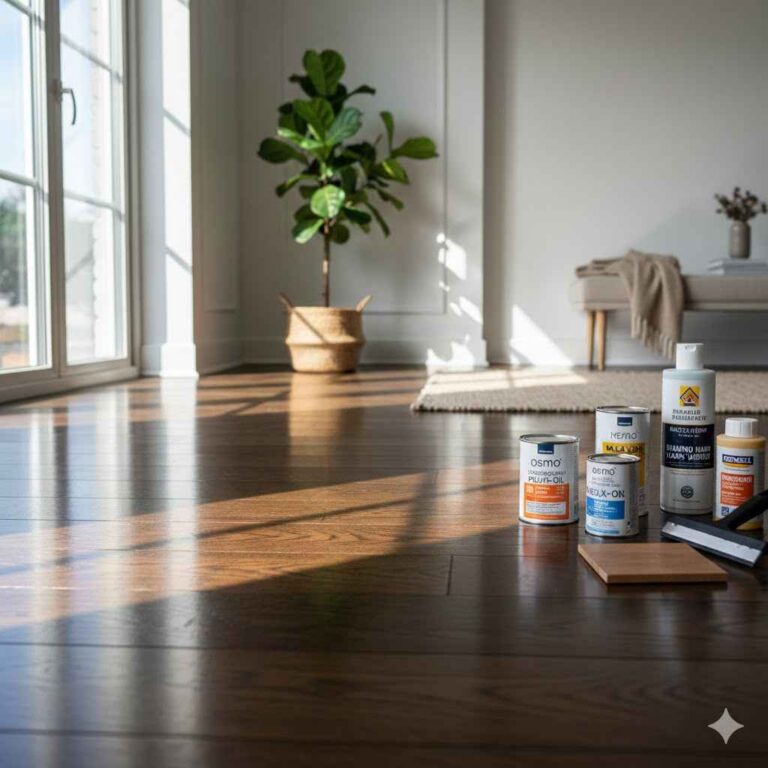
Consider applying a pet-friendly, durable sealant to your wood floors. Many modern sealants offer good protection against moisture and stains. Look for products specifically designed for high-traffic areas or homes with pets.
A good quality sealant can provide an extra layer of defense, making cleaning much easier if an accident does occur. It is always best to consult with a flooring professional to ensure the sealant is compatible with your existing floor finish.
Addressing Behavioral Triggers
Sometimes, accidents can be linked to stress, anxiety, or changes in the dog’s environment.
Managing Separation Anxiety
If your dog has separation anxiety, they might eliminate indoors when left alone. Addressing the root cause of anxiety through training, desensitization, or consulting a professional animal behaviorist is important. Providing engaging toys and creating a calm environment can help reduce stress.
Changes in Routine
Dogs thrive on routine. Significant changes, like a new pet, a move, or a shift in your work schedule, can sometimes lead to behavioral issues, including accidents. Providing extra reassurance and maintaining as much of a consistent routine as possible can help your dog adapt more easily.

Frequently Asked Questions
Question: How fast can I remove dog urine smell from wood floors?
Answer: You can remove dog urine smell from wood floors fast by acting immediately. Blotting up the urine, using an enzymatic cleaner, and allowing it to dry completely are the quickest methods to tackle fresh accidents and their odors.
Question: What is the best cleaner for dog urine on wood floors?
Answer: The best cleaner is typically an enzymatic cleaner. These cleaners break down the odor-causing molecules rather than just masking them. Always ensure the cleaner is safe for your specific wood floor finish.
Question: Can I use bleach on wood floors for dog urine?
Answer: It is generally not recommended to use bleach on wood floors for dog urine. Bleach can damage the wood finish, discolor the wood, and its harsh chemicals may not effectively neutralize the odor at its source. It can also be harmful to pets if not thoroughly rinsed.
Question: How do I know if the urine has soaked into the subfloor?
Answer: If the smell is extremely strong and persistent even after cleaning the surface, or if you notice significant discoloration or warping of the wood, the urine may have soaked into the subfloor. A persistent odor that you cannot pinpoint to the surface layer is also a strong indicator.
Question: What should I do for very old, set-in dog urine stains?
Answer: For very old, set-in stains, you may need to use more potent solutions like diluted hydrogen peroxide or oxalic acid, always testing in an inconspicuous area first. If these methods fail, professional floor refinishing or subfloor treatment might be necessary.
Wrap Up
Effectively tackling dog urine odor on wood floors involves prompt action, the right cleaners, and understanding your floor’s finish. By using enzymatic solutions and acting quickly, you can remove dog urine smell from wood floors fast. For older stains, advanced methods or professional help may be needed.
Prevention through training and floor protection is key to keeping your home fresh and your floors beautiful.