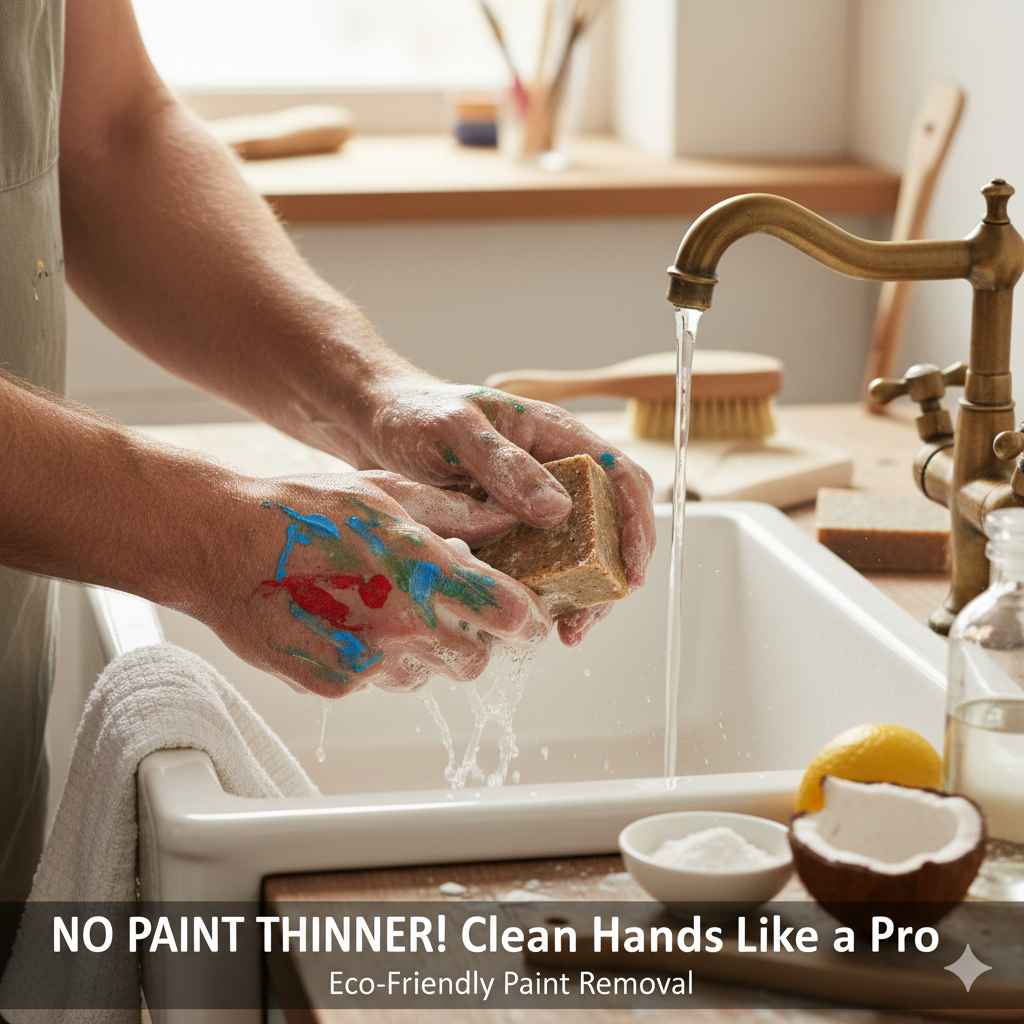
Remove Paint From Hands Without Paint Thinner Like a Pro
Getting paint on your hands is super common, especially if you’re new to painting! It’s frustrating to deal with, and many folks immediately reach for paint thinner. However, that stuff can be harsh. You might wonder how to Remove Paint From Hands Without Paint Thinner. Don’t worry, there are easy and safe ways to clean up your hands. This guide will show you simple steps to get rid of paint without using any strong chemicals. We’ll start with easy solutions and move to more advanced techniques. Ready to get those hands clean?
Gentle Ways to Clean Your Hands From Paint
Before jumping into any complicated methods, you should always try the easiest and safest ways first. Often, simple household items are all you need to get the job done. This approach is gentler on your skin and better for the environment. These methods are perfect for beginners or anyone who prefers avoiding harsh chemicals. For basic paint spills, start with the most basic method: soap and water. If that doesn’t work, we’ll explore some other options.
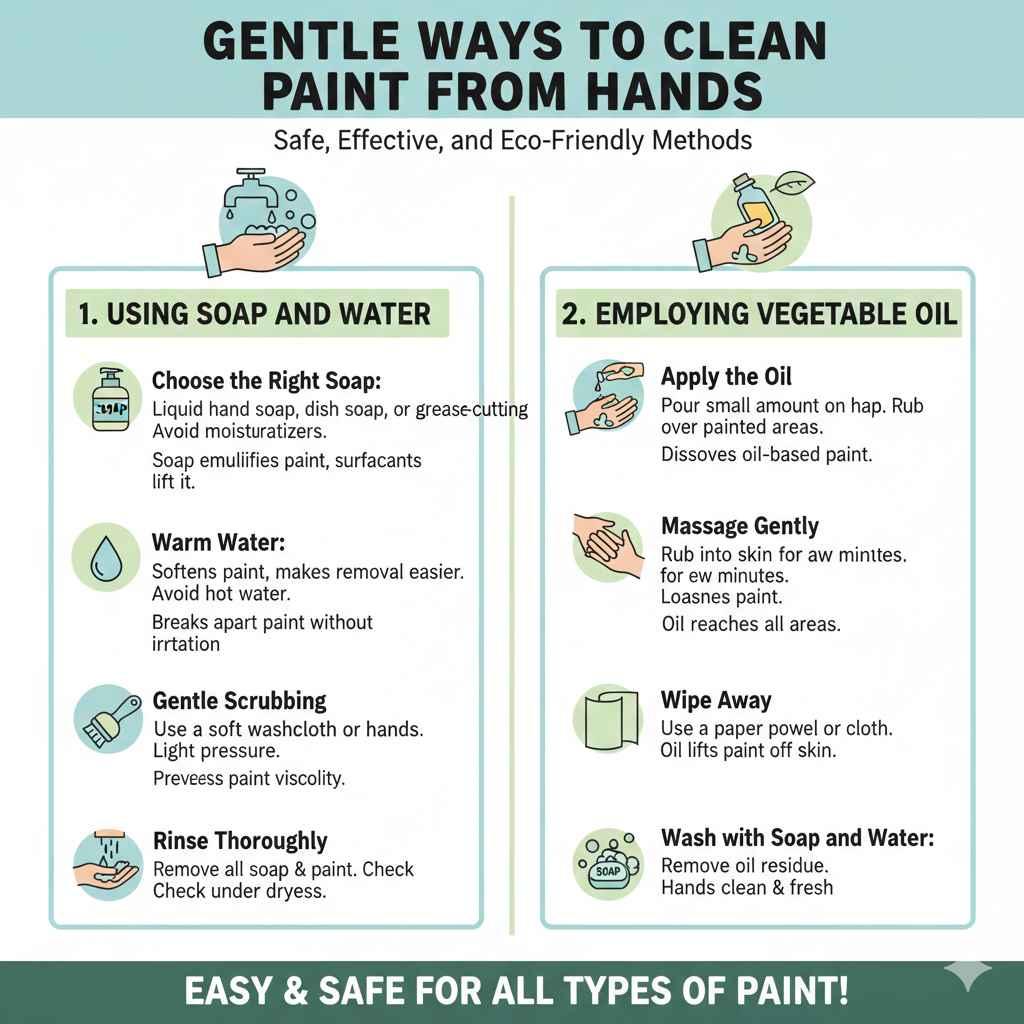
Using Soap and Water
This is your first line of defense! Soap and water can work wonders, especially if you catch the paint while it’s still wet. The type of soap matters: regular hand soap will work, but a grease-cutting soap might be more effective. Make sure the water is warm, as warm water helps loosen the paint. Don’t scrub too hard, or you could irritate your skin. Patience is important; you may need to repeat the process a few times.
Choose the Right Soap: Opt for a liquid hand soap, dish soap, or even a grease-cutting soap. These soaps contain ingredients designed to break down oils and other substances, which can help remove the paint. Avoid soaps with added moisturizers if possible, as they might leave a residue.
Soap acts as an emulsifier, surrounding the paint particles and lifting them away from the skin. It also contains surfactants that decrease the surface tension of water, allowing it to penetrate and remove paint more easily.
Warm Water: Use warm, not hot, water. Warm water helps to soften the paint, making it easier to remove. Hot water can be drying to the skin.
The heat from the warm water changes the paint’s viscosity, making it less likely to adhere strongly to your skin. In some ways, it can make it ‘sweat’ out of your pores.
Gentle Scrubbing: Use a soft washcloth or your hands to gently scrub the painted areas. Avoid harsh scrubbing, which can irritate your skin and make it red.
Scrubbing helps break apart the paint and lift it away from your skin. But you want to avoid scrubbing so hard that you hurt your skin. Start with light pressure and increase it if necessary.
Rinse Thoroughly: Make sure to rinse off all the soap and paint residue. Soap left on your skin can cause dryness and irritation.
Removing the soap prevents your skin from drying out or becoming irritated. Make sure you get under your fingernails, where paint often gets trapped.
Employing Vegetable Oil
Another safe and effective solution is vegetable oil. It works by dissolving the paint, making it easier to wipe away. This method is especially helpful for oil-based paints, which aren’t water-soluble. Vegetable oil is gentle on your skin and won’t dry it out like some solvents. It’s also probably already in your kitchen!
Apply the Oil: Pour a small amount of vegetable oil onto your hands. Rub it over the painted areas, making sure to get into all the nooks and crannies.
The oil surrounds the paint, helping to break down the bonds that hold it to your skin. It is like an alternative to a paint thinner but much friendlier.
Massage Gently: Massage the oil into your skin for a few minutes. This helps the oil loosen the paint.
The massage action helps to loosen the paint and helps the oil reach all the areas where paint has stuck to your skin.
Wipe Away: Use a clean paper towel or cloth to wipe away the oil and paint.
As you wipe, the oil should lift the paint off your skin. You can repeat this step if necessary.
Wash with Soap and Water: After wiping off the oil and paint, wash your hands with soap and warm water to remove any remaining oil residue.
This will help remove the oil and any remaining paint particles, leaving your hands clean and fresh.
More Advanced Methods to Remove Paint From Hands
When the simple methods aren’t enough, it’s time to bring in the big guns, without using paint thinner, of course. These techniques are still safe, but they require a little more effort or specific household items. Remember to test any method on a small, hidden area of your skin first to ensure you don’t have an allergic reaction.
Using Baking Soda and Water
Baking soda is a gentle abrasive that can help to scrub away paint. When mixed with water, it forms a paste that can be used to gently exfoliate your skin and lift away stubborn paint. Baking soda is inexpensive, readily available, and a safe alternative to harsh chemicals. This approach can be more effective for dried paint, which is harder to remove.
Make a Paste: Mix baking soda with a small amount of water to form a thick paste. The consistency should be like toothpaste.
The right consistency ensures that the baking soda will stick to your skin and is easy to apply.
Apply the Paste: Apply the paste to the painted areas.
Make sure you cover all the areas with paint.
Gently Scrub: Gently scrub the paste onto your skin, using a soft washcloth or your hands. Avoid scrubbing too hard.
Scrubbing gently helps to loosen the paint without irritating your skin.
Rinse and Wash: Rinse your hands thoroughly with warm water, and then wash with soap and water to remove any remaining paste and paint residue.
This will leave your hands feeling clean and fresh.
The Magic of Hand Sanitizer
Hand sanitizer can be a surprisingly effective way to remove paint. The alcohol in hand sanitizer helps to break down the paint, making it easier to wipe away. While not as gentle as soap and water or vegetable oil, hand sanitizer can still be used safely if you moisturize your hands afterward. It’s especially useful for removing paint from smaller areas or hard-to-reach places.
Apply Hand Sanitizer: Apply a generous amount of hand sanitizer to the painted areas.
Make sure you have enough to cover the entire painted surface.
Rub it In: Rub the hand sanitizer into the paint. You may notice the paint starting to loosen almost immediately.
The rubbing action helps to dissolve the paint and lift it away from the skin.
Wipe Away: Use a clean cloth or paper towel to wipe away the paint and hand sanitizer.
Wiping removes the paint and the hand sanitizer, leaving your skin clean.
Wash and Moisturize: After removing the paint, wash your hands with soap and water, and then apply a good moisturizer to keep your skin from drying out.
This step is essential, as the alcohol in hand sanitizer can dry out your skin.
Understanding Paint Types and How They Affect Removal
Different paints have different compositions, and knowing what type of paint you’re dealing with can affect how you remove it. Water-based paints, like latex, are typically easier to remove. Oil-based paints, on the other hand, are more challenging. Understanding the paint type will help you choose the most effective method for cleaning your hands.
Water-Based vs. Oil-Based Paints
Water-based paints (latex or acrylic) are usually the easiest to clean up. They dry quickly, clean up with water, and are less likely to cause skin irritation. Oil-based paints, containing solvents and oils, are more durable but also more challenging to remove. You’ll often need stronger methods to remove them. Keep in mind that many paints now have hybrid formulas.
Water-Based Paints: These paints are generally easier to remove because they are water-soluble. They dry faster and are typically less harmful to the environment and your health.
Water-based paints are a great choice for beginners due to their ease of cleanup.
Oil-Based Paints: Oil-based paints require solvents for cleanup. They are more durable and provide a more glossy finish, but they can be harsher on your skin and are more difficult to remove.
Always wear gloves and other protective gear when using oil-based paints.
Consider the Finish: The finish of the paint (gloss, satin, matte) can also influence how difficult it is to remove. Glossy paints tend to be more resistant, while matte paints are often easier to clean.
The finish affects the paint’s ability to adhere to the skin. The more matte the finish, the easier it comes off.
Specialty Paints and Their Removal
Some paints are made for specific uses and can be particularly tricky to remove. These include paints used for artistic projects, epoxy paints, and even certain types of spray paints. Knowing the composition of these paints is key to choosing the right removal method. If you know the type of paint, you can look up its specific removal instructions on the internet.
Acrylic Paints: Commonly used in art, they are water-based but can stain if left to dry.
Soaking your hands in warm, soapy water for a few minutes can often help to loosen the paint.
Epoxy Paints: Often used for flooring and industrial applications, these paints are very durable and can be difficult to remove.
You may need to use a combination of methods, including soap and water, followed by vegetable oil and gentle scrubbing. Always test a small area first.
Spray Paints: Can be challenging because of their fast-drying properties and fine mist.
Hand sanitizer can work well for removing spray paint, followed by thorough washing and moisturizing.
Preventive Measures for the Next Time You Paint
The best way to Remove Paint From Hands Without Paint Thinner is to avoid getting paint on your hands in the first place! Taking a few simple precautions can save you time and the hassle of cleanup. The following advice will help protect your skin and make your painting projects less messy.
Using Protective Gear
The simplest way to avoid paint on your skin is to wear protective gear. Gloves are the most important, but other items can also help. This is also the safest way to paint. This will not only make it easier to clean up, but it will keep the paint off of your skin!
Gloves: Always wear gloves when painting. Latex, nitrile, or vinyl gloves will protect your hands from paint.
Make sure the gloves fit well so you can still work comfortably. Change gloves when they get paint on them.
Clothing Protection: Wear old clothes or an apron to protect your clothes from paint splatters.
Consider painting in clothes that you don’t mind getting paint on, and roll up your sleeves to keep them out of the way.
Eye Protection: Wear safety glasses or goggles to prevent paint from getting into your eyes.
This will keep your eyes safe from paint and other debris.
Best Practices While Painting
Changing your painting habits can dramatically reduce the chances of getting paint on your hands. Paint carefully and use tools correctly to avoid spills and splatters. Also, make sure to set up your work space efficiently.
Choose the Right Tools: Use brushes and rollers that are the correct size for the job, and use paint trays to avoid spills.
Quality tools can help make the paint application process more efficient and less messy.
Paint Carefully: Avoid splashing or dripping paint by controlling the amount of paint on your brush or roller.
Take your time and apply the paint smoothly. Avoid overloading your brush, which leads to drips.
Prepare Your Workspace: Cover your work area with drop cloths or newspaper to protect surfaces from paint splatters.
Make sure your workspace is well-ventilated, especially when working with oil-based paints.
Alternative Options and Remedies to Try
If you’re still having trouble, there are a few other options you can try. These methods are a bit less common but can be very effective in certain situations. They can also work on paints that are especially resistant to other cleaning methods.
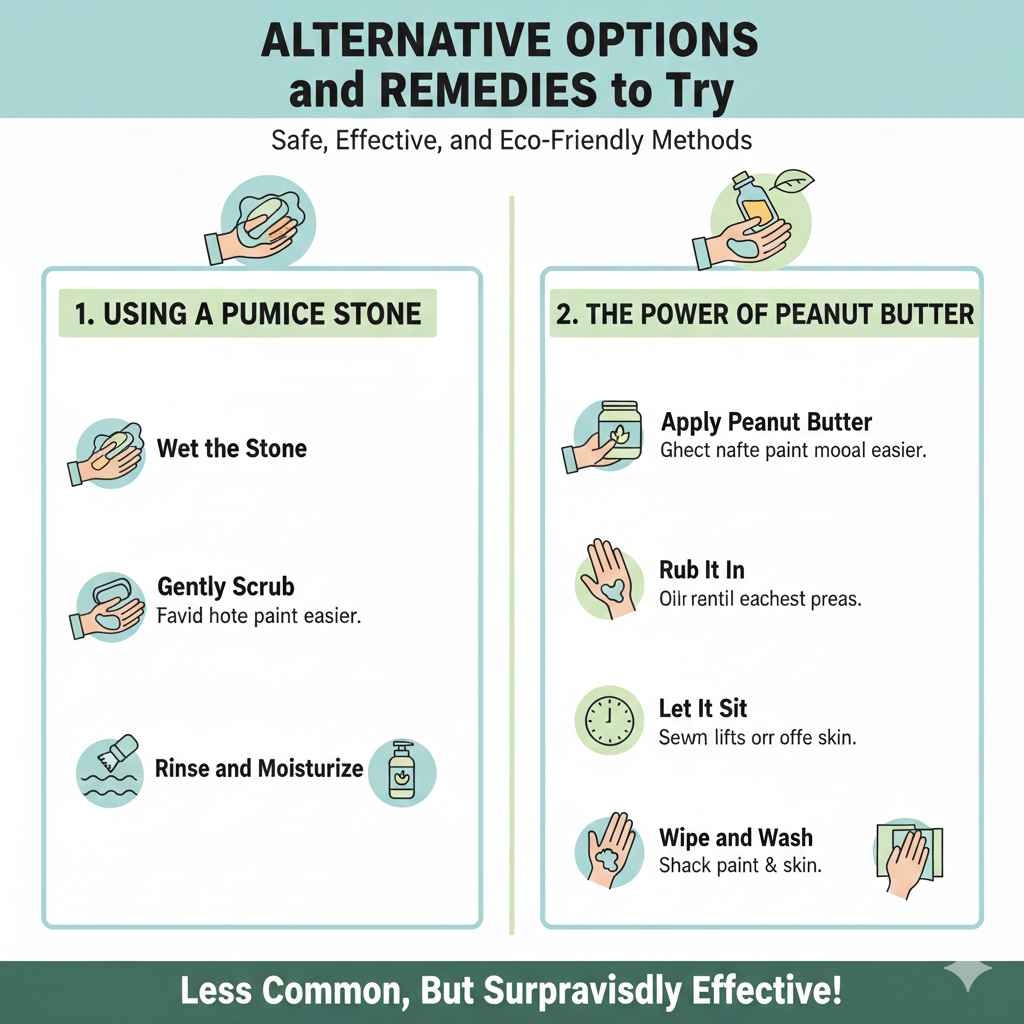
Using a Pumice Stone
A pumice stone can be very helpful for removing stubborn paint, especially dried paint. It’s a natural abrasive that can gently scrub away paint. Use it carefully, and always moisturize your skin afterward, as it can be drying.
Wet the Stone: Wet the pumice stone with warm water.
Make sure the stone is wet before use. This helps to make it less harsh on your skin.
Gently Scrub: Gently rub the stone over the painted areas, using a circular motion.
Apply light pressure, and avoid scrubbing too hard, as this can irritate your skin.
Rinse and Moisturize: Rinse your hands with warm water to remove any remaining paint and stone residue, and then moisturize your skin.
This will prevent your skin from drying out after using the pumice stone.
The Power of Peanut Butter
Yes, you read that right! Peanut butter can sometimes help remove paint, especially oil-based paints. The oils in peanut butter can help to loosen the paint, making it easier to wipe away. It’s a bit messy, but it can be surprisingly effective.
Apply Peanut Butter: Apply a generous amount of peanut butter to the painted areas.
Make sure to cover all areas with paint.
Rub It In: Rub the peanut butter into the paint, using your fingers or a soft cloth.
The oils in the peanut butter will help to break down the paint.
Let It Sit: Let the peanut butter sit on your hands for a few minutes.
This will give the peanut butter time to work on loosening the paint.
Wipe and Wash: Wipe away the peanut butter and paint with a clean cloth or paper towel, and then wash your hands with soap and water.
Make sure to wash your hands well to remove any peanut butter residue.
Frequently Asked Questions
Question: Can I use paint thinner to remove paint from my hands?
Answer: It is not recommended to use paint thinner on your skin. It can be harsh and cause irritation or chemical burns. Stick to the methods described in this guide for safer options.
Question: What’s the best way to remove dried paint?
Answer: For dried paint, try using a baking soda paste, a pumice stone, or vegetable oil. Patience may be required. Repeat the application and scrubbing process if needed.
Question: Are there any natural ways to remove paint?
Answer: Yes, many natural options can remove paint! Vegetable oil, baking soda, and peanut butter are just a few examples. These methods are also much gentler on your skin and better for the environment.
Question: What should I do if I get paint in my eyes?
Answer: Immediately rinse your eyes with plenty of water for at least 15 minutes. Seek medical attention if irritation persists or if you experience any vision changes.
Question: What’s the best way to keep paint off my hands in the first place?
Answer: The best way is to wear protective gear, such as gloves and old clothes. Taking your time, preparing your workspace, and painting carefully will also help prevent paint from getting on your skin.
Final Thoughts
Cleaning paint off your hands doesn’t have to be a struggle! With the right techniques, you can easily Remove Paint From Hands Without Paint Thinner. Remember that gentle methods, like soap and water or vegetable oil, are usually the best places to start. For tougher jobs, you can move on to techniques like baking soda paste or even hand sanitizer. Understanding the type of paint you’re dealing with can guide your choices, making the process more effective. Don’t forget that preventing paint from getting on your hands is always the best approach. So, next time you’re painting, be sure to wear gloves and protect your skin. Now you have everything you need for the cleanest hands after any project!