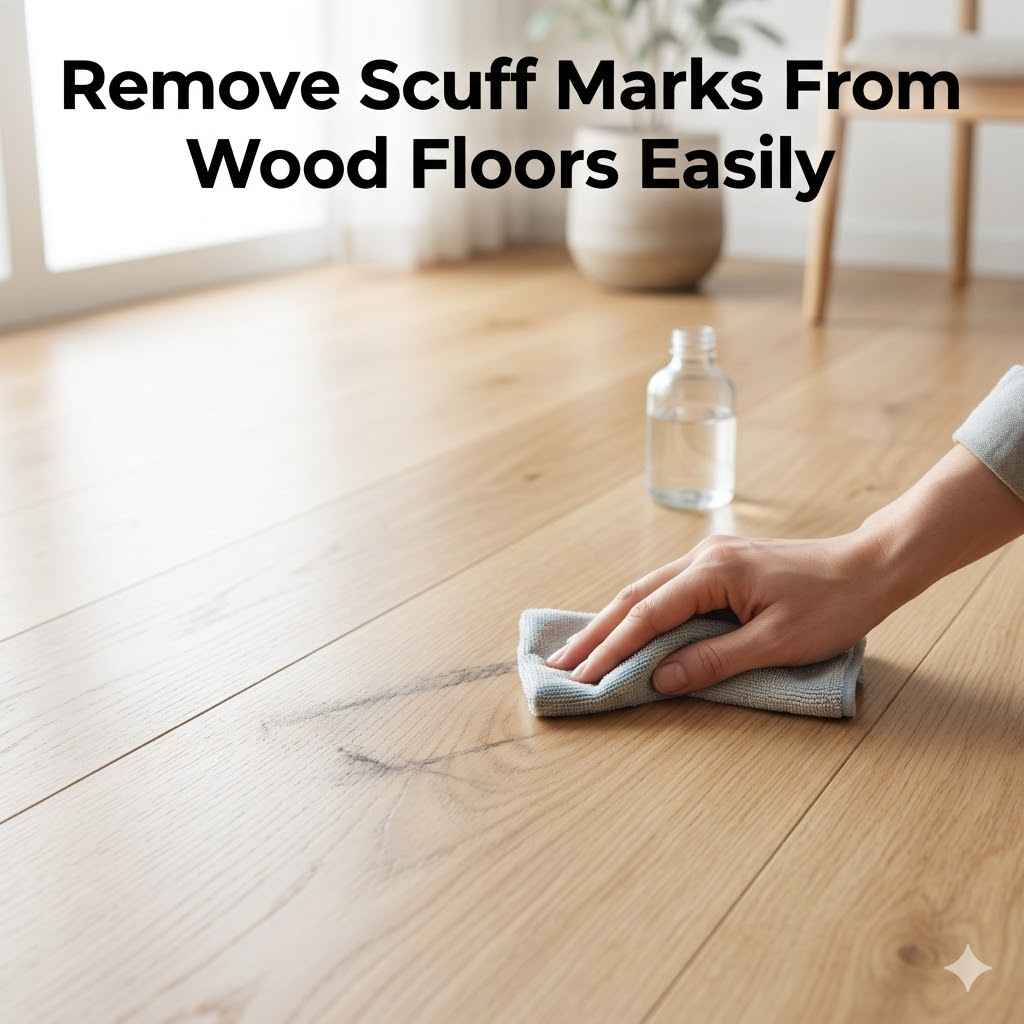
Remove Scuff Marks From Wood Floors Easily
Sometimes, you notice those annoying dark marks on your pretty wood floors. It happens when shoes or furniture rub against the wood, leaving a scuff. For folks new to wood floor care, knowing how to remove scuff marks from wood floors easily can seem tricky.
You might worry about scratching the floor more or using the wrong cleaner. Don’t worry! We’ll show you simple ways to make those scuffs disappear.
Let’s get started and bring back that shine to your floors.
Easy Ways to Remove Scuff Marks From Wood Floors
Seeing scuff marks on your beautiful wood floors can be frustrating, but dealing with them doesn’t have to be difficult. This section focuses on straightforward and effective methods that most people can use without special tools or expertise. We will cover common household items and simple techniques that work well for everyday scuffs.
The goal is to restore the appearance of your floors without causing damage. You’ll learn how to identify the type of scuff and choose the best method for your situation.
Using Household Staples for Scuff Removal
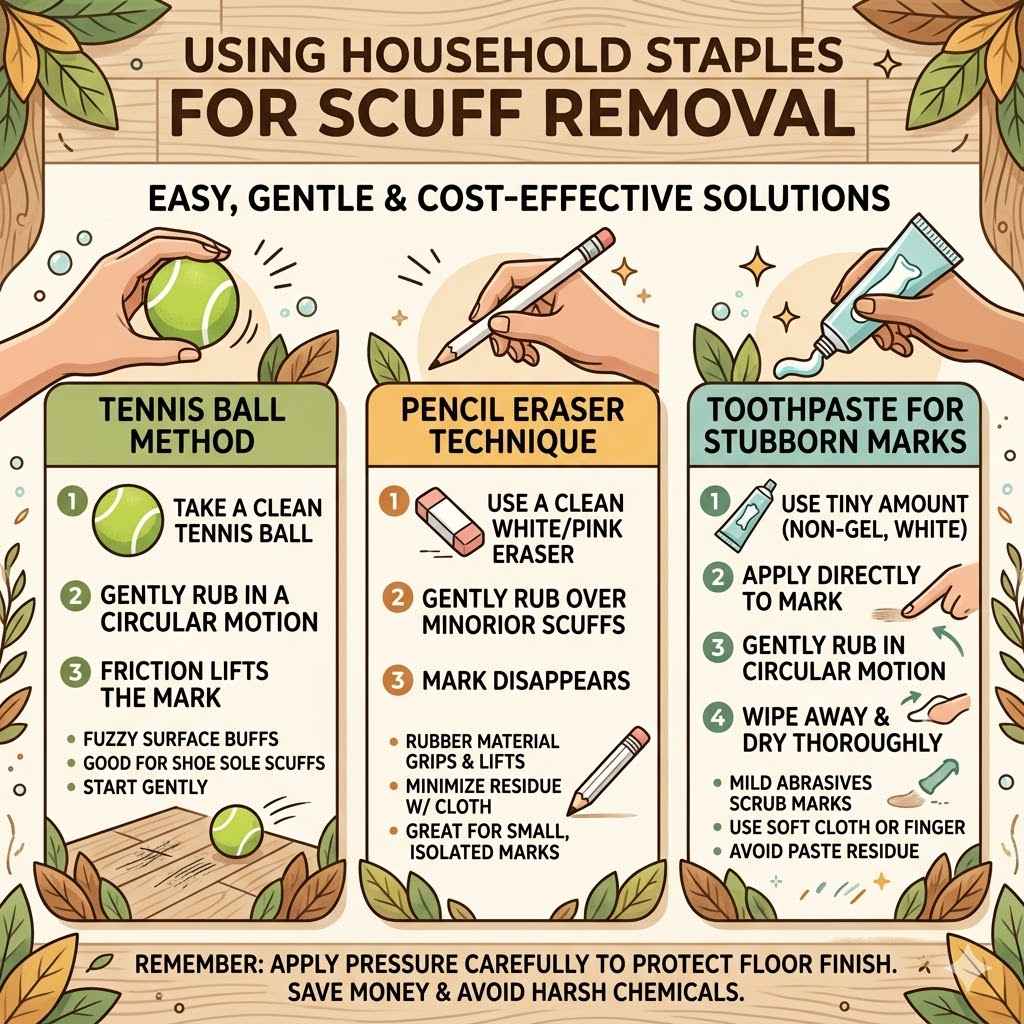
Many everyday items in your home can be surprisingly effective at lifting scuff marks from wood floors. These methods are gentle and cost-efficient, making them ideal for quick touch-ups. We will explore how items like tennis balls, pencil erasers, and even toothpaste can be used.
The key is to use these items with care, applying just enough pressure to lift the mark without harming the floor’s finish. This approach saves you money and avoids harsh chemicals.
Tennis Ball Method
A simple tennis ball can be a fantastic tool for scuff removal. The fuzzy surface of the ball is just abrasive enough to buff out many scuff marks without scratching the wood. To use it, simply take a clean tennis ball and gently rub it over the scuff mark in a circular motion.
The friction created by the ball helps to lift the mark from the wood’s surface. For tougher scuffs, you might need to apply a little more pressure, but always start gently to avoid damaging the finish. This method is particularly effective for scuffs left by shoe soles.
Pencil Eraser Technique
A standard pencil eraser, the kind you find on top of a pencil, can be very useful for minor scuffs. The rubber material of the eraser can grip and lift scuff marks effectively. It’s best to use a clean, white or pink eraser to avoid transferring any color to your floor.
Gently rub the eraser over the scuff mark. You should see the mark start to disappear as you erase it. After removing the scuff, wipe the area with a soft, dry cloth to pick up any eraser residue.
This method is great for small, isolated scuffs.
Toothpaste for Stubborn Marks
For scuffs that are a bit more stubborn, a small amount of non-gel toothpaste can work wonders. The mild abrasives in toothpaste help to gently scrub away marks without being too harsh. Use a small dab of white, non-gel toothpaste.
Apply it directly to the scuff mark with a soft cloth or your finger. Gently rub the area in a circular motion. You will feel the toothpaste working to lift the scuff.
Wipe away the residue with a clean, damp cloth, and then dry the area thoroughly. Be sure to use only a tiny amount to avoid leaving a paste residue.
Specific Cleaners for Removing Scuff Marks
While household items are great, sometimes a dedicated cleaning product is more efficient for removing scuff marks from wood floors. These products are formulated to be safe for wood finishes while tackling tougher marks. It’s important to choose products specifically designed for wood floors to ensure they don’t strip the finish or cause discoloration.
We will look at types of wood floor cleaners and how to use them correctly. Following the product instructions will give you the best results.
Wood Floor Cleaner Sprays
Many commercial wood floor cleaners come in spray bottles, making them easy to use. These cleaners are designed to gently lift dirt, grime, and scuff marks without damaging the wood’s protective coating. Always opt for cleaners labeled as safe for finished wood floors.
To use, spray a small amount directly onto the scuff mark or onto a clean microfiber cloth. Then, gently rub the scuff in the direction of the wood grain. Buff the area with a dry cloth afterward to restore shine.
Avoid using too much liquid, as excess moisture can harm wood floors.
Vinegar and Water Solution
A mixture of white vinegar and water can be an effective and natural cleaner for wood floors, including for scuff marks. Vinegar is acidic, which helps to break down the material causing the scuff. Mix one part white vinegar with four parts water in a spray bottle.
Lightly mist the scuff mark or apply the solution with a cloth. Gently rub the area. The vinegar smell dissipates quickly as it dries.
Follow up by wiping the area with a clean, damp cloth to remove any vinegar residue and then dry thoroughly with a soft cloth to prevent water spots.
Commercial Wood Floor Polish
Some scuff marks might be caused by a dull finish or minor surface scratches. In such cases, a good quality wood floor polish can help. Polish not only buffs out minor imperfections and scuffs but also restores shine and protects the wood.
Apply a small amount of polish to a clean, soft cloth and rub it into the scuffed area using a circular motion. Follow the manufacturer’s instructions for drying and buffing time. This can also help prevent future scuffs by strengthening the protective layer on your floor.
Preventing Scuff Marks on Your Wood Floors
The best way to deal with scuff marks is to avoid them altogether. Implementing some simple preventive measures can save you a lot of cleaning time and keep your wood floors looking pristine. These strategies involve everyday habits and simple additions to your home environment.
By being mindful of how you use and care for your floors, you can significantly reduce the occurrence of scuff marks. Making these changes is easy and has long-lasting benefits for your floor’s appearance and durability.
Use Furniture Pads
Felt pads placed on the bottom of furniture legs are a game-changer for preventing scuffs and scratches. When furniture is moved, even slightly, the felt acts as a buffer, gliding smoothly over the floor instead of digging in. This is especially important for items that are moved frequently, like dining chairs or sofa legs.
You can buy pre-cut pads or cut them to size from larger sheets. Make sure the surface of the furniture leg is clean before applying the adhesive pads so they stick well and stay in place.
Use Doormats
Placing doormats at all entrances to your home is a simple yet highly effective way to catch dirt, grit, and moisture from shoes. Much of the abrasive material that causes scuffs is tracked in from outside. A good quality doormat, both inside and outside the door, will significantly reduce the amount of debris that comes into contact with your wood floors.
Regularly clean or replace your doormats to ensure they are functioning effectively. This small step can make a big difference in keeping your floors clean and mark-free.
Choose Appropriate Footwear
Encourage household members and guests to remove shoes when entering the house, or at least wear soft-soled slippers or socks. High heels, athletic shoes with hard treads, and work boots can easily leave deep scuff marks that are difficult to remove. By being mindful of footwear, you protect the delicate finish of your wood floors.
You can place a shoe rack or bench near the entrance to make it convenient for people to leave their shoes. This simple habit is one of the most effective ways to prevent damage.
Understanding Different Wood Floor Finishes
The type of finish on your wood floors plays a big role in how scuff marks appear and how easy they are to remove. Different finishes have varying levels of durability and resistance to marks. Knowing your floor’s finish helps you choose the right cleaning methods and products.
This knowledge empowers you to care for your floors more effectively and prevent damage. Understanding these differences ensures you are always using the gentlest yet most effective approach.
Polyurethane Finishes
The most common type of finish for modern wood floors is polyurethane. This is a durable, protective coating that sits on top of the wood. It’s available in oil-based and water-based formulations, with water-based generally being clearer and faster drying, while oil-based offers more durability and a warmer tone.
Polyurethane finishes are excellent at resisting water and general wear and tear. Scuff marks on polyurethane floors often sit on the surface of the finish, making them relatively easy to buff out with the methods discussed earlier. The key is to avoid abrasive cleaners or tools that could dull or scratch this protective layer.
For example, a scuff from a rubber-soled shoe on a polyurethane floor usually transfers the rubber material onto the finish. This material can then be lifted using a gentle abrasive like a pencil eraser or a soft cloth with a mild cleaner. The polyurethane itself is quite resistant to the mild friction needed to remove these surface marks.
However, if the scuff is deep enough to penetrate the finish, it can be more challenging to remove completely without refinishing.
Penetrating Finishes
Penetrating finishes, such as oils or waxes, are absorbed into the wood grain rather than forming a surface layer. These finishes give wood a more natural, matte appearance and are preferred by some for their authentic look and feel. While they are easier to repair in the sense that you can reapply oil or wax to a specific spot, they are generally less resistant to scuffs and scratches than polyurethane.
Scuff marks on oiled or waxed floors may sink into the wood, making them harder to remove without affecting the surrounding area.
When dealing with scuffs on penetrating finishes, gentle buffing is still the first step. If the scuff mark is a transfer of material, try a soft cloth with a wood-safe cleaner or a very mild soap. If the scuff has actually damaged the wood fibers, you might need to lightly sand the affected area and then reapply the oil or wax finish.
This is a more involved process than simply buffing a surface mark, highlighting the importance of prevention with these types of finishes.
Shellac and Lacquer Finishes
Older homes may feature floors finished with shellac or lacquer. These finishes are more traditional and generally less durable than modern polyurethanes. Shellac is sensitive to heat and moisture, while lacquer can yellow over time and is prone to chipping.
Scuff marks on these finishes can be tricky. While they might be buffed out with very gentle methods, they are also more susceptible to damage from any cleaning agent. If you have shellac or lacquer, it’s best to consult with a wood floor professional before attempting aggressive cleaning, as improper methods can easily ruin the finish.
For instance, attempting to remove a stubborn scuff with a household abrasive on a lacquer finish could result in removing the lacquer itself, leaving a bare spot that requires refinishing. Therefore, when dealing with these vintage finishes, the primary approach should always be prevention. If a scuff does occur, test any cleaning method on an inconspicuous area first.
Often, a light buffing with a soft, dry cloth is the safest bet for minor marks.
Advanced Techniques and When to Call a Professional
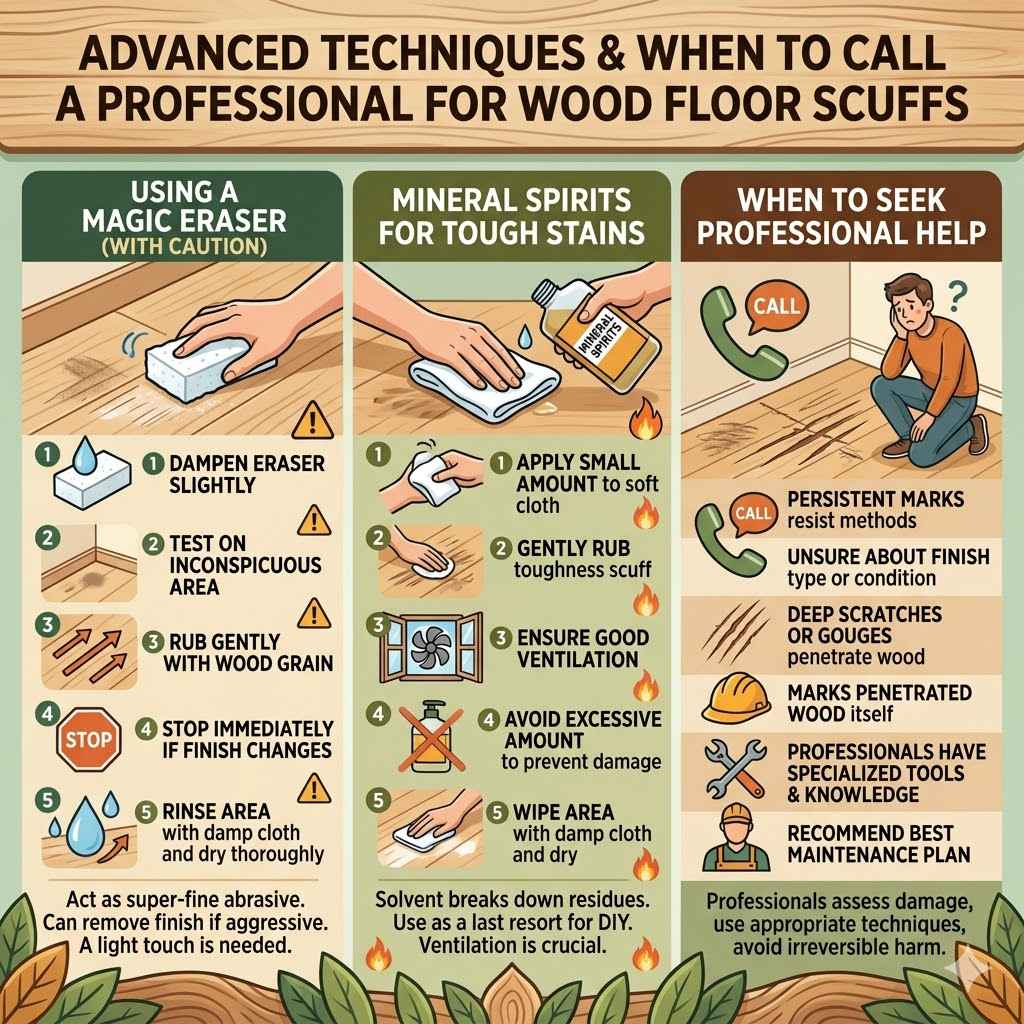
While many scuff marks can be removed with simple home remedies, some might require a bit more effort. In certain situations, you might consider slightly more advanced DIY techniques. However, it’s crucial to know when to stop and call in the experts to avoid causing irreversible damage to your beautiful wood floors.
Understanding these boundaries ensures you maintain the integrity and appearance of your flooring.
Using a Magic Eraser (with Caution)
Melamine foam erasers, often known by brand names like Magic Eraser, can be very effective for scuff marks. They work by acting as a super-fine abrasive. However, they can also remove finish if used too aggressively.
Always dampen the eraser slightly and test it on an inconspicuous area first. Rub gently with the grain of the wood. If you see the finish changing color or texture, stop immediately.
For most surface scuffs, a light touch is all that’s needed to remove the mark. Rinse the area afterward with a damp cloth and dry it thoroughly.
Mineral Spirits for Tough Stains
For very tough, set-in scuff marks that resist other methods, a small amount of mineral spirits might be considered. Mineral spirits are a solvent that can break down certain types of residues. Apply a very small amount to a clean, soft cloth.
Gently rub the scuff mark. Ensure the area is well-ventilated, and avoid using excessive amounts of mineral spirits, as they can damage certain finishes if left on too long or used too frequently. After removing the scuff, wipe the area with a damp cloth and dry thoroughly.
This should be a last resort for DIY methods.
When to Seek Professional Help
If you’ve tried several gentle methods and the scuff marks remain, or if you are unsure about the finish of your wood floor, it’s best to contact a professional. Professionals have specialized tools and knowledge to assess the damage and use the most appropriate techniques without harming your floors. This is especially true for deep scratches, gouges, or if the scuff mark appears to have penetrated the wood itself.
Professionals can also recommend the best maintenance plan for your specific type of wood flooring.
Frequently Asked Questions
Question: How quickly can I expect to remove scuff marks from wood floors?
Answer: For most light scuff marks, you can expect to remove them in just a few minutes using simple household items or appropriate wood floor cleaners. More stubborn marks might take a bit longer, but should still be manageable within 15-30 minutes.
Question: Are there any DIY methods that could damage my wood floors?
Answer: Yes, some DIY methods can cause damage if not used carefully. Overly aggressive scrubbing, using harsh chemicals not meant for wood, or excessive moisture can scratch the finish, dull the shine, or even damage the wood itself.
Question: Can I remove scuff marks from oiled or waxed wood floors?
Answer: Removing scuffs from oiled or waxed floors can be more challenging than from polyurethane finishes. While gentle buffing might work for surface marks, deeper scuffs might require reapplication of oil or wax to the affected area.
Question: How often should I clean my wood floors to prevent scuffs?
Answer: Regular cleaning, at least weekly, helps prevent scuffs by removing abrasive dirt and grit. It’s also good to address any visible scuff marks as soon as they appear rather than letting them build up.
Question: What’s the best way to test a cleaning product on my wood floors?
Answer: Always test any new cleaning product or method on an inconspicuous area of your wood floor first. This could be inside a closet or under a rug. Wait for it to dry completely to check for any adverse effects on the finish or color.
Conclusion
You now have simple ways to remove scuff marks from wood floors easily. From common household items to specific cleaners, you can restore your floor’s beauty. Remember to always be gentle and test first.
Prevention is key, so use furniture pads and doormats. Enjoy your clean, beautiful wood floors!