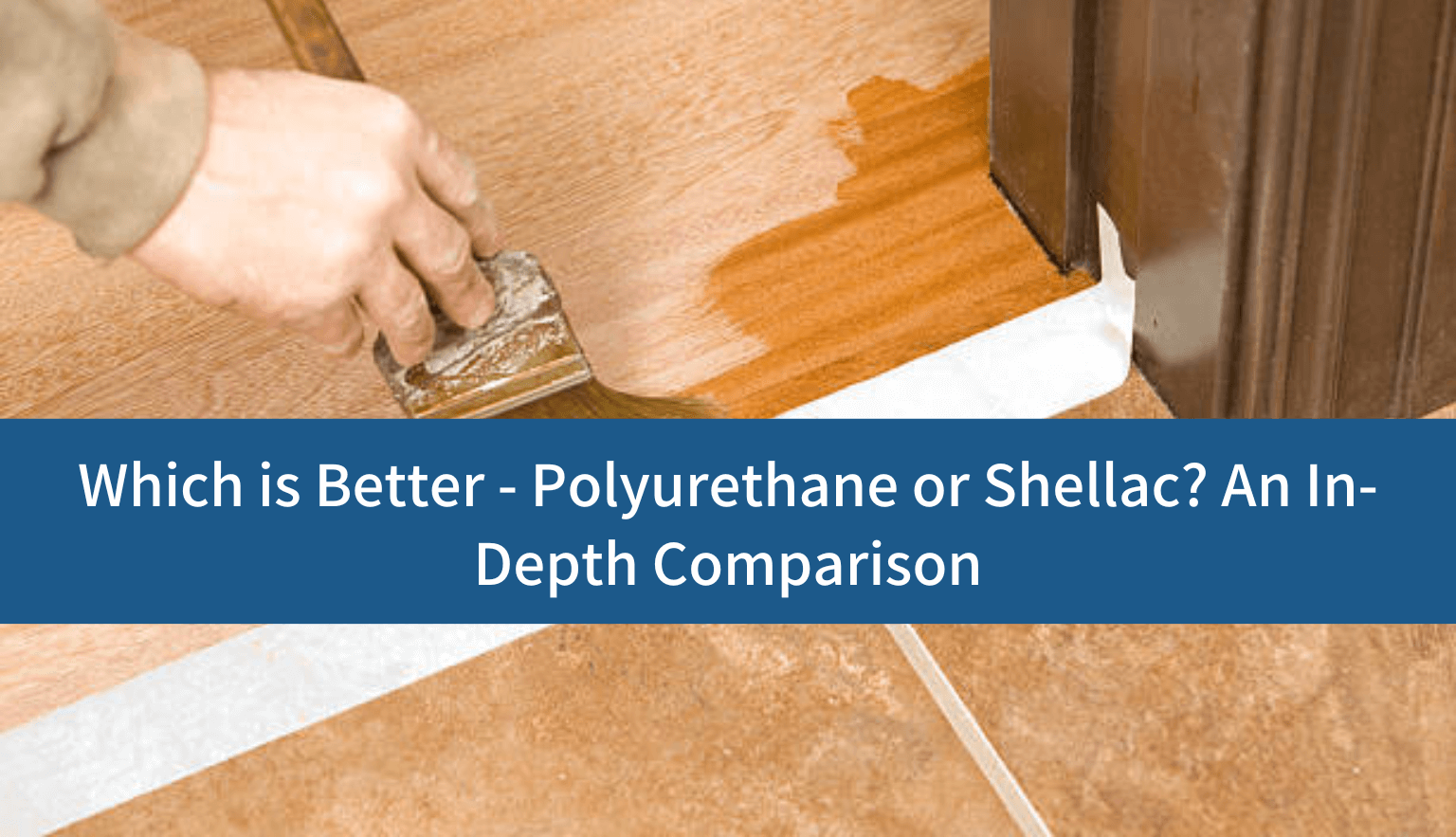
Shellac Vs Polyurethane: Ultimate Finish Showdown
Are you planning to refinish a piece of furniture or tackle a woodworking project? Choosing the right finish is crucial to achieving the look and durability you desire.
You might be wondering whether shellac or polyurethane is the better option for your masterpiece. Both finishes have unique characteristics that can enhance your work, but they also have distinct differences. This guide will walk you through the pros and cons of each, helping you make an informed decision that aligns with your goals.
Keep reading to uncover which finish will best suit your needs, ensuring your project turns out exactly how you’ve envisioned.
Shellac: Characteristics And Benefits
Shellac comes from bugs. Yes, bugs! These insects live in trees. They make a sticky substance. It is called shellac. People collect it and clean it. Then, it turns into a finish. This finish is naturaland safe.
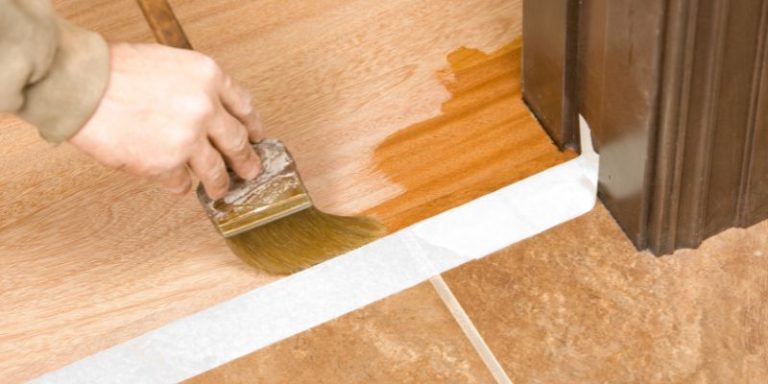
Applying shellac is easy. Use a brush or cloth. Dip it and spread it evenly. Let it dry. Apply more coats if needed. Each coat makes the surface shinier. Remember, thin coats are best. They dry faster. They look better too.
Pros: Shellac dries fast. It gives a shiny look. It’s easy to repair. It’s also eco-friendly. Cons: Shellac is not water-proof. It can melt with alcohol. It needs careful handling. It might not be strong like others.

Credit: www.youtube.com
Polyurethane: Features And Advantages
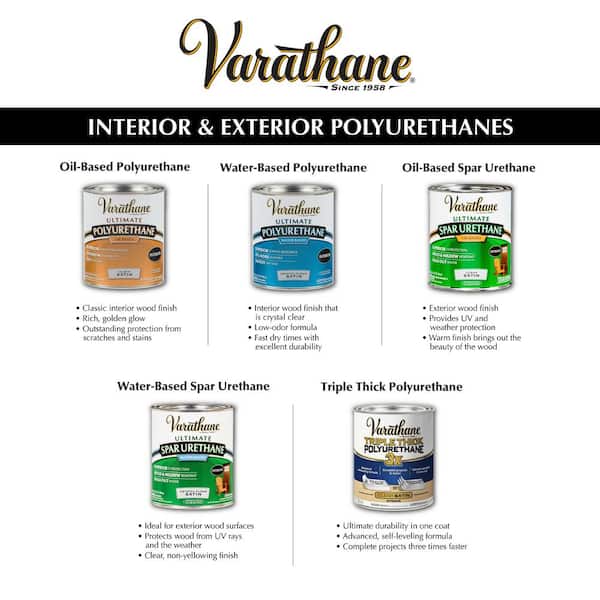
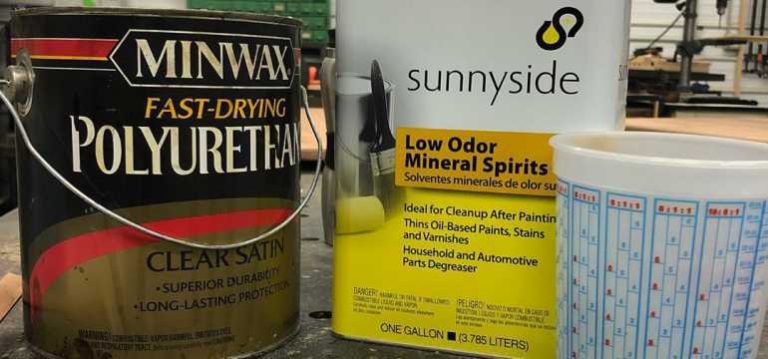
Polyurethane is a man-made material. It is used to protect surfaces. There are two main types: oil-based and water-based. Oil-based gives a rich finish. Water-based dries quickly. Both types are strong and durable.
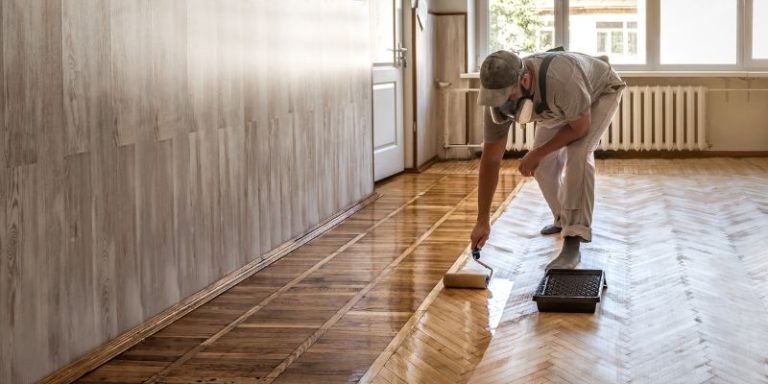
Polyurethane can be applied with a brushor a spray. Brushes are good for small areas. Sprays cover large areas fast. Both methods need care. Thin layers dry better and look smooth.
Polyurethane is very tough. It resists scratches and chemicals. Great for floors and furniture. But, it can be tricky to apply. It may turn yellow over time. Water-based types stay clear longer. Oil-based types last longer but need more time to dry.
Comparing Durability
Shellac and polyurethane are finishes for wood. Both protect the surface. Shellac is less resistant to scratchesand dents. It can wear off over time. Polyurethane is more durableand handles daily use better. It protects against scratchesand scuffs. Polyurethane is a good choice for high traffic areas. Shellac may need more care to stay nice. Polyurethane needs less maintenance over time.
Shellac can be affected by water and heat. It may leave marks or stains. Polyurethane is more resistant to moisture and heat. It provides better protection in kitchens and bathrooms. Sunlight can fade shellac faster than polyurethane. Polyurethane holds up well under sunlight. It keeps its colorlonger. Choosing the right finish depends on the environment. Consider where the wood will be used.
Assessing Aesthetic Appeal
Shellac offers a warm, natural finish. It highlights the beauty of wood. Its gloss level is usually high. This adds a shiny surface to furniture. Polyurethane, on the other hand, provides a variety of gloss levels. From satin to high gloss. It’s more versatile in this aspect. Polyurethane also delivers a more durable finish. It withstands wear and tear better than shellac.
Shellac comes in a limited range of colors. Usually amber and clear. It has a smooth texture and can feel soft to touch. Polyurethane offers more color options. It can be tinted to match any decor. Its texture is more plastic-like. This makes it feel more solid and robust. Both finishes have their own unique appeal.
Ease Of Application
Shellac needs basic tools like brushes or cloths. It is easy to apply. Polyurethane is thicker and needs more care. Use a brush or roller for smooth application. Shellac dries fast, but Polyurethane takes longer. Follow the steps for the best finish. Always work in a clean area. Dust can ruin the finish.
Shellac dries in about 30 minutes. Polyurethane takes several hours to dry. Curing is different from drying. Shellac cures in one day. Polyurethane can take days to cure. Shellac is good for quick projects. Polyurethane is better for long-lasting finishes. Check the label for exact times. Weather can change the drying times.
Maintenance And Longevity
Shellacneeds gentle care. It can scratch easily. Regular cleaning is essential. Use a soft cloth for cleaning. Avoid water. Water can damage shellac. Polyurethaneis tougher. It resists scratches. Cleaning is easier. Water is safe for cleaning. Use mild soap if needed. Polyurethane is more forgiving.
Shellac lasts around five years. Polyurethane can last longer. It may last up to ten years. Shellac needs frequent touch-ups. Polyurethane holds its look longer. Both need proper care. Care affects lifespan. Choose based on needs. Consider maintenance effort too.
Cost Comparison
Shellac is often cheaper than polyurethane. Shellac comes from tree sap. It costs less to make. Polyurethane is a synthetic material. It is made from chemicals. This makes it more expensive. Shellac can be bought in small amounts. Polyurethane usually comes in large cans. This affects the price you pay. Shellac is natural. Polyurethane is man-made. This difference impacts the cost.
Shellac is easier to apply. It dries quickly. This saves time. Less time means lower labor costs. Polyurethane takes longer to dry. It requires more skill to apply. More skill means more money. Labor costs can be higher with polyurethane. Shellac needs more coats. Polyurethane needs fewer coats. This affects work time and cost.
Credit: www.youtube.com
Environmental Impact
Choosing between shellac and polyurethane impacts the environment differently. Shellac, a natural resin, is biodegradable. Polyurethane, a synthetic material, often involves more chemical processes. Consider eco-friendliness when selecting finishes for woodworking projects.
Sustainability Of Materials
Shellac comes from natural sources. It is made from insect resin. This makes it more sustainablethan many other finishes. Polyurethane is a synthetic product. It is made from chemicals in factories. These chemicals can harm the environment. Shellac breaks down naturally over time. Polyurethane can last for many years. It does not break down easily.
Health And Safety Concerns
Shellac is safe for indoor air quality. It gives off little fumes. This makes it better for home use. Polyurethane can release strong fumes. These fumes might cause headaches. It is important to use a mask while applying it. Shellac is often used on toys and food items. It is safe to touch and handle. Polyurethane requires more caution. It is not used on items for children.
Choosing The Right Finish
Choosing between shellacand polyurethanedepends on your project. Shellac is great for small furniture. It dries fast and is easy to apply. Polyurethane is better for floors. It offers more protection and lasts longer. Think about where you will use the item. Will it face water or sunlight? Shellac can be damaged by water. Polyurethane can handle more wear and tear. Consider these needs when picking your finish.
Some people like the shiny look of shellac. Others prefer the matte look of polyurethane. Shellac has a natural appearance. It can make wood look warm. Polyurethane can look more modern. It feels smooth and is less sticky. Some prefer how shellac smells. Others don’t mind the odor of polyurethane. Think about what you like best. Your choice can change how your project looks.
Frequently Asked Questions
What Is The Difference Between Shellac And Polyurethane?
Shellac is a natural resin, while polyurethane is synthetic. Shellac provides a warm, glossy finish but is less durable. Polyurethane offers superior water and scratch resistance, making it ideal for high-traffic areas. Choose shellac for aesthetics and polyurethane for protection and longevity.
Which Is Better For Wood Finishing?
Polyurethane is better for durability and protection against moisture and scratches. Shellac is preferred for its rich, warm finish and ease of application. Consider the wood type and usage environment to decide which is best for your project.
Can Shellac Be Used llac And Polyurethane?
Shellac is applied using a brush or cloth in thin layers. Polyurethane is brushed or sprayed in even coats. Allow each layer to dry completely. Sand between coats for a smooth finish and follow product instructions for best results.
Conclusion
Choosing between shellac and polyurethane depends on your project needs. Shellac offers a natural finish, suitable for indoor furniture. Polyurethane provides durability, perfect for high-traffic areas. Consider the time and effort for application. Shellac dries quickly but may require more coats.
Polyurethane takes longer to dry but lasts longer. Think about the look and feel you want. Shellac gives a warm, classic look. Polyurethane offers a glossy, tough finish. Both have their strengths. Decide based on your specific requirements. Your project’s success depends on informed choices.