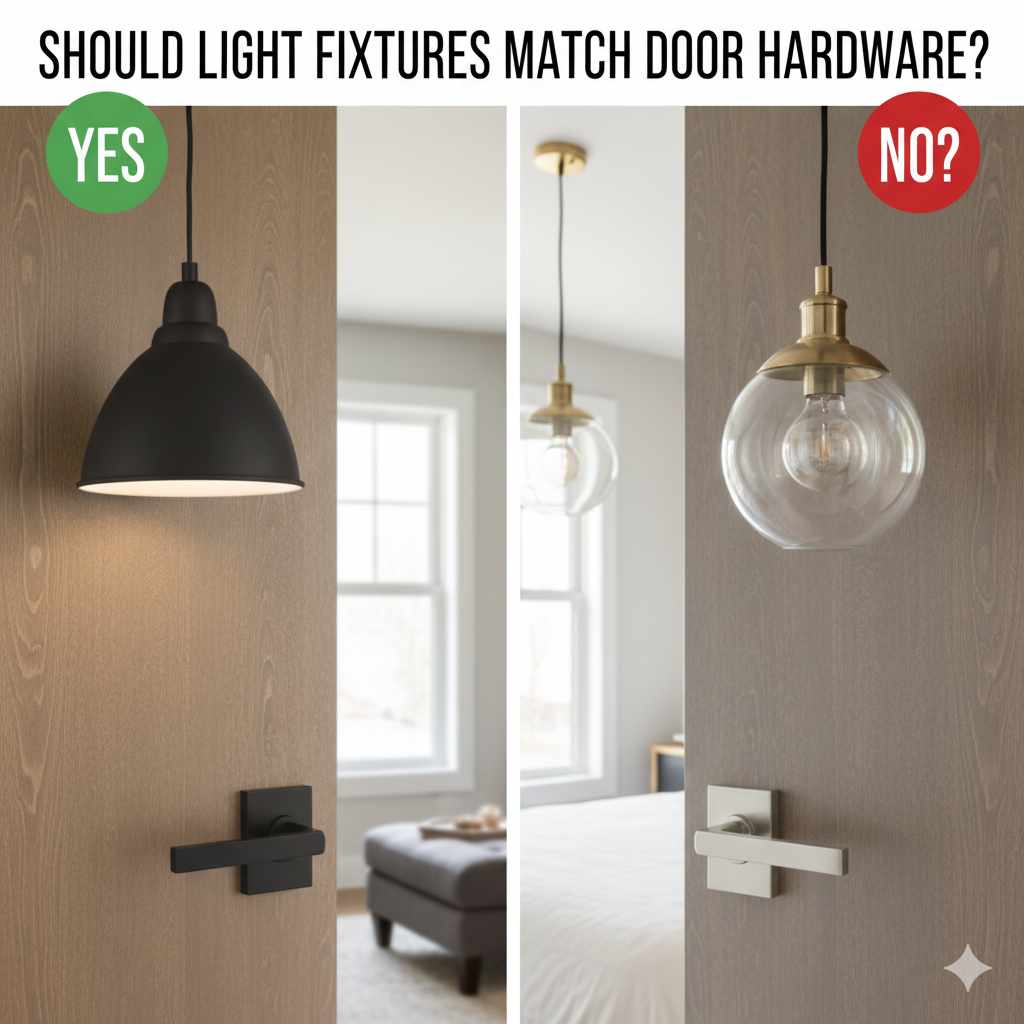
Should Light Fixtures Match Door Hardware: Proven Guide
Quick Summary: Yes, light fixtures and door hardware should generally coordinate for a cohesive look, but they don’t need to be identical. Focus on matching finishes and styles to create a polished and inviting home.
Hey there, DIY home improvers! Md Meraj here, ready to tackle a question that pops up more often than you might think: “Do my light fixtures absolutely have to match my door hardware?” It’s a common little puzzle when you’re sprucing up your home, and sometimes it can feel like a big decision. You want your place to look great, right? You might be staring at a shiny new doorknob and wondering if that ceiling light needs a twin. Don’t worry, it’s not as complicated as it seems! We’ll walk through this together, step-by-step, so you can make choices that feel right for your home and your style. Let’s get your home looking its best, with confidence!
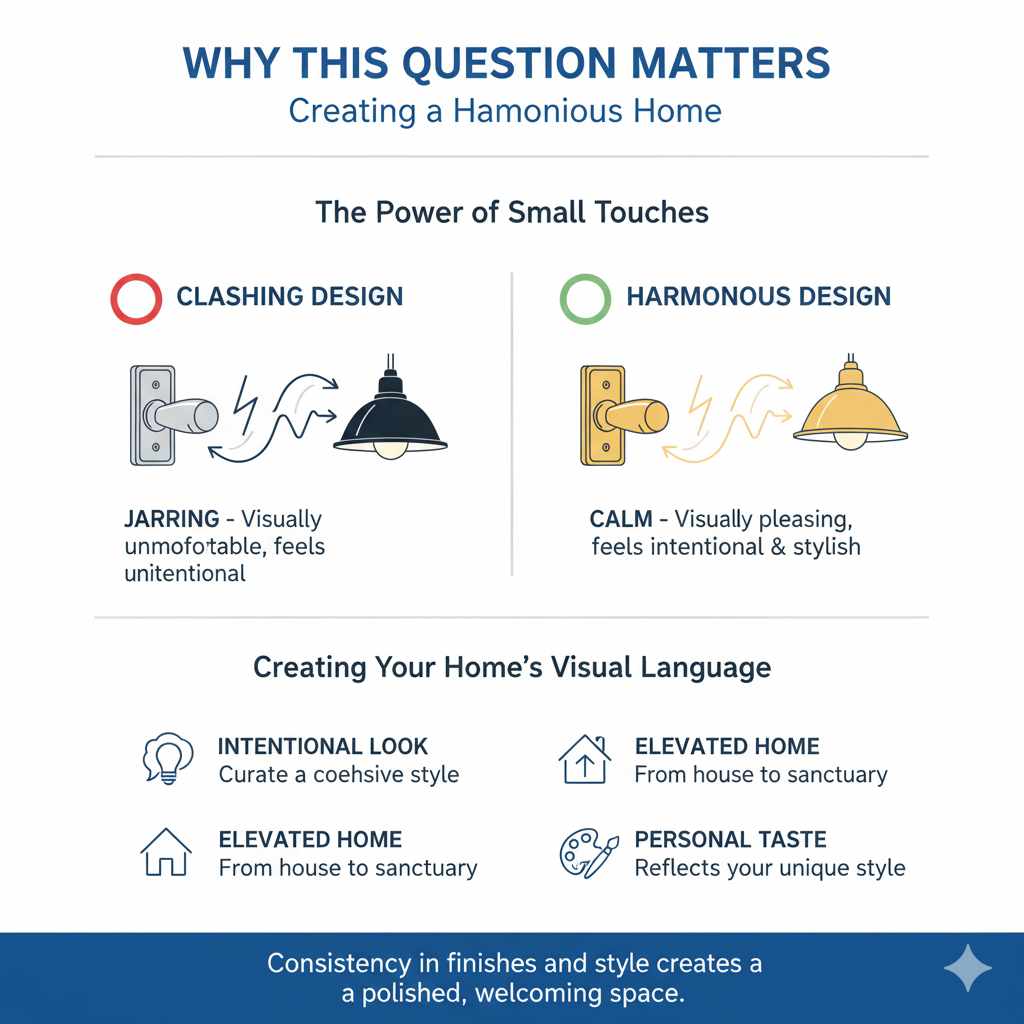
Why This Question Matters: Creating a Harmonious Home
When you’re updating your home, whether it’s a fresh coat of paint, new flooring, or just swapping out a few details, you’re essentially curating a look and feel. The small touches, like the finish on your door knobs and the style of your light fixtures, play a surprisingly big role in the overall impression your home makes. Think about it: when everything flows together, your space feels more intentional, calm, and put-together. When things clash, it can feel a bit jarring, even if you can’t quite pinpoint why. This isn’t about rigid rules; it’s about creating a visual language for your home that feels welcoming and reflects your personal taste. Getting this right can elevate your home from just a house to a truly comfortable and stylish sanctuary.
Understanding Finishes: The Foundation of Coordination
The first and most important step in deciding if your light fixtures should match your door hardware is understanding what “matching” actually means in the world of home decor. It’s not about finding two items that are exactly the same color or made of the same material. Instead, it’s about coordinating finishes. Finishes are the surface treatments applied to metal, wood, or other materials that give them their color and texture. Think of it like choosing complementary colors in an outfit; they don’t have to be identical to look good together.
Here are some common finishes you’ll encounter:
- Brushed Nickel/Satin Nickel: A popular choice, it has a soft, matte, silvery appearance. It’s versatile and works with many decor styles.
- Polished Nickel: This has a brighter, more reflective silver tone than brushed nickel. It offers a more traditional or elegant feel.
- Chrome: Very bright, highly reflective, and cool-toned silver. Often seen in modern or industrial designs.
- Oil-Rubbed Bronze: A dark, rich finish that often has reddish or brownish undertones. It can look aged or antique.
- Matte Black: A bold, contemporary finish that provides a strong contrast. It’s very popular in modern and farmhouse styles.
- Brushed Brass/Satin Brass: A softer, more muted gold tone compared to polished brass. It adds warmth and a touch of elegance.
- Polished Brass: A bright, shiny gold finish. It can be traditional or make a statement in modern settings.
- Wrought Iron: A dark, often textured black finish that can have a rustic or traditional feel.
The key is to consider the undertones of each finish. For example, brushed nickel and chrome are both silver-toned but have different levels of shine. Oil-rubbed bronze and wrought iron are both dark but have distinct textures and undertones. Understanding these nuances will help you make informed decisions.
Should Light Fixtures Match Door Hardware? The Simple Answer
So, to get straight to the point: No, your light fixtures do not need to be the exact same finish as your door hardware, but they should coordinate. The goal is to create a harmonious look throughout your home. This usually means choosing finishes that belong to the same color family or have similar undertones. For instance, if your interior door knobs are brushed nickel, your pendant lights could also be brushed nickel, or perhaps a slightly different silver-toned finish like polished nickel or even chrome, as long as the overall feel is cohesive.
Think of it as a palette. You wouldn’t wear clashing colors, and you don’t want your home to feel that way either. Coordination creates a sense of order and intentionality. This principle applies to both interior and exterior hardware and fixtures. Matching finishes helps guide the eye and makes your home feel more polished and complete.
Why Coordination Works: The Psychology of Design
Our brains are wired to appreciate patterns and consistency. When elements in our environment align, it creates a sense of order and calm. In home design, this translates to a feeling of harmony and intentionality. When your door hardware and light fixtures share a similar finish, you’re reinforcing a visual theme. This makes the space feel more thoughtfully designed and less chaotic.
Consider these points:
- Visual Flow: Coordinated finishes create a smooth visual transition as you move from room to room or from one element to another.
- Sense of Completion: When details like finishes are considered, it makes the space feel finished and well-executed.
- Reduced Visual Clutter: Too many competing finishes can make a space feel busy and overwhelming.
- Elevated Style: A consistent approach to finishes demonstrates a higher level of design awareness.
This doesn’t mean every single piece of hardware needs to be identical. You can mix within a family (like brushed nickel and polished nickel) or even introduce a secondary complementary finish sparingly. The key is thoughtful selection, not strict uniformity.
When to Match Exactly (And When Not To)
There are times when an exact match can be the simplest and most effective solution, and other times when a bit of variation is not only acceptable but beneficial.
Situations Where Exact Matching Works Best:
- Small Spaces: In a very small entryway or powder room, matching everything precisely can make the space feel larger and more cohesive.
- Minimalist or Modern Design: These styles often thrive on clean lines and a sense of uniformity. An exact match can enhance the sleekness.
- Budget-Conscious Updates: Sometimes, buying a matching set of door hardware and a coordinating light fixture from the same collection is the easiest and most cost-effective way to ensure a good match.
- Entry Doors: For the main entry door, matching the exterior handle set, kick plate, and exterior light fixture can create a strong, welcoming first impression.
Situations Where Variation is Okay (and Even Encouraged):
- Larger Homes or Open Floor Plans: In a larger home, using the same finish throughout can become monotonous. You might use one primary finish for most of your hardware and fixtures, but introduce a secondary finish in specific areas for interest.
- Transitional or Eclectic Styles: These styles embrace a mix of elements. You might have brushed nickel door hardware but opt for matte black light fixtures for a modern contrast, as long as other elements in the room support this mix.
- Adding Accents: You can use a different finish for light fixtures than your door hardware, but then echo that secondary finish in other small accents in the room, like drawer pulls, decorative objects, or picture frames. This creates a deliberate, curated look rather than an accidental clash.
- Mixing Metals Strategically: It’s increasingly common and stylish to mix metals, but it requires a bit more intention. For example, you might have brushed nickel hardware and brass light fixtures. To make this work, ensure the metals are in the same sheen category (e.g., both brushed or both polished) or that one metal is clearly dominant and the other acts as an accent.
Key Considerations for Coordination
When you’re deciding how to coordinate your light fixtures and door hardware, keep these factors in mind:
1. Finish Family:
This is the most crucial aspect. Group finishes into families:
- Silver Tones: Chrome, Polished Nickel, Brushed Nickel, Stainless Steel.
- Warm Tones: Polished Brass, Unlacquered Brass, Satin Brass, Gold finishes.
- Dark Tones: Oil-Rubbed Bronze, Black (Matte Black, Wrought Iron), Dark Bronze.
- Brown Tones: Antique Brass, Venetian Bronze.
Aim to stick within one family for your primary hardware and fixtures. For example, if your door knobs are brushed nickel, your interior light fixtures can also be brushed nickel, or perhaps polished nickel or chrome for a slight variation. If your exterior hardware is oil-rubbed bronze, your exterior lights could also be oil-rubbed bronze or a complementary dark finish.
2. Style and Form:
Beyond the finish, consider the style of the fixtures and hardware. A sleek, modern lever handle on your door will look best with a contemporary, minimalist light fixture. A traditional ornate door knob might pair better with a more classic or vintage-style chandelier.
Think about the overall aesthetic you’re aiming for:
- Modern/Contemporary: Clean lines, geometric shapes, minimalist designs. Chrome, matte black, and brushed nickel often work well.
- Traditional: More ornate details, curves, classic shapes. Polished brass, oil-rubbed bronze, and wrought iron can fit here.
- Farmhouse/Rustic: Natural materials, textured finishes, simple forms. Matte black, oil-rubbed bronze, and brushed brass are popular.
- Transitional: A blend of modern and traditional elements. This style offers the most flexibility for mixing finishes and styles.
3. Sheen Level:
The sheen refers to how reflective or matte a finish is. Mixing sheens can add depth, but it needs to be done carefully.
- High Sheen: Polished Nickel, Chrome, Polished Brass.
- Low Sheen/Matte: Brushed Nickel, Matte Black, Oil-Rubbed Bronze.
Generally, it’s easier to coordinate by keeping the sheen levels similar (e.g., brushed nickel with brushed nickel, or polished nickel with polished nickel). If you mix, try to have one dominant sheen and use the other as an accent. For example, if your door hardware is matte black (low sheen), your light fixtures could be matte black, or perhaps brushed nickel (low sheen) to complement it without being too stark.
4. Location:
Consider where the fixtures and hardware are located. Interior and exterior elements can have slightly different treatment, though a cohesive look throughout is usually desirable.
- Exterior Entry: This is your home’s first impression. Matching the exterior door hardware (handle, deadbolt, kick plate) with the exterior light fixtures is a strong choice for curb appeal.
- Interior Doors: For interior doors, focus on consistency within rooms or zones. For example, all interior doors on the main floor might have brushed nickel knobs, and the light fixtures in those areas would coordinate.
- Kitchen and Bath: These areas often have a lot of hardware (cabinet pulls, faucets, light fixtures). Coordination here is key to avoiding a cluttered look.
Practical Steps to Harmonize Your Home
Ready to put this into action? Here’s a simple, step-by-step approach:
- Assess Your Current Finishes: Take stock of the door hardware and light fixtures you already have. Note their finishes and styles. This will help you understand what you’re working with.
- Identify Your Primary Finish: Decide on one or two primary finishes that you want to use throughout your home or in a specific area. This is often dictated by your existing door hardware, as that’s usually the most expensive item to replace.
- Choose Complementary Finishes: Select one or two secondary finishes that work well with your primary choice. For example, if your primary is brushed nickel, a secondary could be matte black for contrast, or polished nickel for a slightly different silver tone.
- Apply the “Rule of Three” (Optional but Recommended): For a balanced look, try to use your primary finish on the majority of your hardware and fixtures. Use your secondary finish on about 30% of the items, and your accent finish on no more than 10%. This ensures a dominant theme without being boring. For instance, if door knobs are brushed nickel, use brushed nickel for cabinet pulls, and perhaps matte black for your main pendant light and accent table lamps.
- Consider Style and Scale: Ensure the style of the light fixture matches the style of the door hardware and the overall room decor. Also, consider the size of the fixture relative to the space. A tiny fixture in a large room or vice-versa will look out of place, regardless of finish.
- Shop Smart: When buying new items, bring a sample of your existing hardware or a photo with you. Many hardware stores have displays where you can hold items next to each other to see how they look. Look for collections from the same manufacturer, as they are often designed to coordinate.
- Don’t Forget the Details: Think about other metal accents in the room: cabinet hardware, drawer pulls, picture frames, decorative objects, even the legs of furniture. Try to keep these consistent with your chosen finish palette.
Table: Common Finish Combinations and Why They Work
Here’s a quick guide to some popular and successful finish pairings:
| Primary Finish (e.g., Door Hardware) | Coordinating Finishes (e.g., Light Fixtures) | Why It Works | Best For Styles |
|---|---|---|---|
| Brushed Nickel | Polished Nickel, Chrome, Matte Black | Silver tones complement each other. Matte black offers a modern contrast. | Modern, Transitional, Contemporary, Coastal |
| Oil-Rubbed Bronze | Wrought Iron, Matte Black, Antique Brass | Dark tones create a unified, rich look. Antique brass adds a warm accent. | Traditional, Farmhouse, Rustic, Craftsman |
| Matte Black | Brushed Nickel, Brass (Polished or Satin), Oil-Rubbed Bronze | Offers strong contrast or a sophisticated blend. Brass adds warmth. | Modern, Farmhouse, Industrial, Transitional |
| Satin Brass/Gold | Brushed Nickel, Oil-Rubbed Bronze, Matte Black | Warm metal pairs well with cooler or darker tones for a balanced aesthetic. | Mid-Century Modern, Transitional, Eclectic, Art Deco |
| Polished Chrome | Polished Nickel, Matte Black | High shine with high shine, or high shine with a bold contrast. | Modern, Art Deco, Industrial |
Expert Tips for Mixing and Matching
As your woodworking and home improvement guide, I’ve learned a few tricks over the years that can make coordinating finishes even easier and more stylish. It’s all about intention and balance!
- Embrace the “Same Family” Rule: When in doubt, stick to finishes within the same color family (silvers, golds, darks). This is the safest and most foolproof way to achieve a cohesive look.
- Let One Finish Dominate: Whether you’re matching exactly or mixing, ensure one finish is the most prevalent. This provides a strong visual anchor. For example, if most of your hardware is brushed nickel, make that your dominant finish.
- Use Metal Finishes as Accents: If you have a primary finish (say, brushed nickel door hardware), you can introduce a secondary metal finish (like matte black or brass) in smaller doses. Think cabinet knobs, drawer pulls, or even decorative items. This adds personality without overwhelming the space.
- Consider the Undertones: This is key for mixing. Is your “bronze” more reddish or brown? Is your “nickel” more cool or warm? Understanding these undertones helps prevent clashes. For instance, a very warm, reddish oil-rubbed bronze might not pair as well with a very cool, blue-toned chrome as it would with a warmer brushed nickel.
- Don’t Forget Other Metal Elements: Look around your room. What about your faucet? Are there metal legs on your coffee table? Even picture frames or lamp bases can contribute to the metal landscape of your room. Try to tie them into your chosen palette.
- When in Doubt, Go Neutral: If you’re really struggling to decide, matte black and brushed nickel are incredibly versatile and tend to work with almost anything. They offer a sophisticated look without demanding too much attention.
- Trust Your Eye: Ultimately, design is subjective. If you love a combination, and it feels right to you, that’s what matters most! These are guidelines, not strict laws.
When to Call a Professional (or Just Get a Second Opinion)
While most of these decisions can be made confidently by homeowners, there are times when seeking a little extra help can be beneficial. If you’re undertaking a major renovation with many different elements, or if you have a particularly complex space (like an open-concept home with many different zones), a designer can help you create a unified vision. You can also ask for advice at a reputable hardware store or lighting showroom; their staff often have excellent insights into coordinating finishes.
Sometimes, just asking a friend or family member whose style you admire for their opinion can be helpful. A fresh pair of eyes can spot potential issues or offer great suggestions you might have overlooked.
External Resources for Further Exploration
For those who love to dive deeper into the world of home design and hardware, here are some excellent resources:
- The Spruce: This website offers a wealth of information on home decor, including detailed guides on different metal finishes and how to mix them. You can find articles like “How to Mix Metals in Your Home Decor” which offer fantastic visual examples.
- Houzz: A fantastic platform for design inspiration. You can browse thousands of photos of kitchens, bathrooms, and entryways to see how real homes have coordinated their hardware and lighting. It’s a great place to discover new ideas and product pairings.
- Manufacturer Websites: Brands like Schlage, Baldwin, Kwikset (for hardware) and Progress Lighting, Kichler (for lighting) often have design guides or inspiration galleries on their sites that show how their products can be used together. This is especially helpful if you’re looking at products from a single brand.
- Local Hardware Stores/Showrooms: Don’t underestimate the knowledge of your local experts. Many staff members at well-stocked hardware stores or dedicated lighting showrooms can offer personalized advice based on the products they carry.
These resources can provide visual examples and deeper dives into the principles of interior design, helping you make informed choices for your home.

FAQ Section
Q1: Do all the light fixtures in my house need to match?
A1: Not necessarily! While consistency is good, you can vary light fixture styles and finishes between rooms to suit the function and decor of each space. However, it’s wise to maintain a consistent finish family (like all silvers or all darks) within a single room or a connected open-plan area for a cohesive feel.
Q2: Can I mix brass light fixtures with nickel door hardware?
A2: Yes, you absolutely can! This is a popular way to add warmth and visual interest. The key is to do it intentionally. For example, if your door hardware is brushed nickel, you might choose satin brass light fixtures. Ensure the sheens are complementary (e.g., both brushed or both polished) or that one metal is clearly dominant and the other acts as a deliberate accent.
Q3: What’s the easiest way to ensure my door hardware and light fixtures match?
A3: The simplest approach is to choose them from the same collection or manufacturer, as they are often designed to coordinate. Alternatively, pick one primary finish (like brushed nickel) and stick to it for all your main hardware and fixtures. If you want to mix, choose finishes from the same color family (e.g., brushed nickel and polished nickel).
Q4: Does exterior door hardware need to match exterior light fixtures?
A4: Yes, it’s highly recommended for curb appeal. Your front door is the first impression of your home. Matching the finish and style of your door handle set, deadbolt, and exterior light fixtures creates a welcoming and polished look. Consider a unified finish for all elements visible from the street.
Q5: What if I have a mix of finishes already? How can I make it look intentional?
A5: To make a mix of finishes look intentional, try to follow the “rule of three” or a similar principle. Let one finish be dominant, use a second finish for about 30% of your items, and a third as a small accent. Echoing finishes in different elements (e.g., using the same accent metal for drawer pulls as for a lamp base) also helps tie everything together.
Q6: Are oil-rubbed bronze and matte black finishes similar enough to mix?
A6: They are both dark finishes and can often be mixed successfully, especially in farmhouse or rustic styles. Oil-rubbed bronze typically has warmer, reddish-brown undertones and can sometimes have metallic highlights, while matte black is a true, deep black with no undertones. As long as the overall feel is cohesive and not jarring, they can work together.
Conclusion
So, should light fixtures match door hardware? The answer, as we’ve explored, is that they should coordinate, but not necessarily be identical. By understanding finishes, considering styles, and applying a few simple principles of design, you can confidently create a home that feels harmonious and reflects your personal taste. Whether you’re aiming for a sleek modern look, a cozy traditional feel, or something uniquely your own, paying attention to these details will make a significant difference.
Remember, the goal is to create a space that feels welcoming and complete. Don’t be afraid to experiment a little, but always keep that sense of balance and cohesion in mind. With these tips and a little thoughtful planning, you can elevate your home’s aesthetic and feel proud of the beautiful, functional space you’ve created. Happy decorating, and happy DIYing!