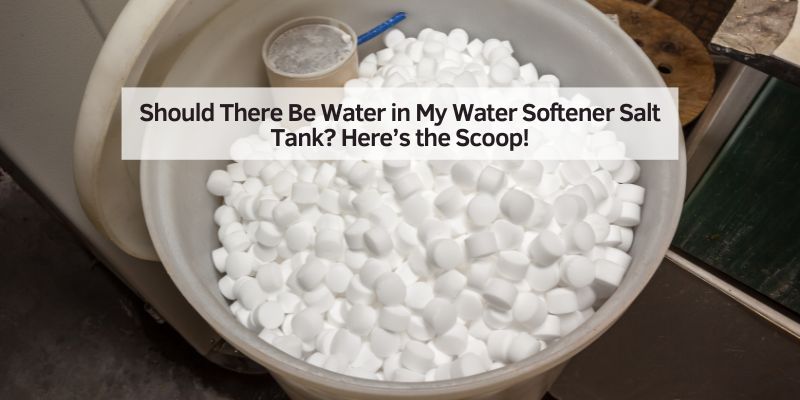
Should There Be Water in My Water Softener Salt Tank? Here’s the Scoop!
A few years ago, I peeked into my water softener’s salt tank while adding a bag of salt pellets and gasped—there was water at the bottom! I thought, “Is this normal, or did I break something?” If you’re wondering should there be water in my water softener salt tank, you’re not alone. This article will clear up the confusion with simple explanations, handy tips, and easy steps to keep your water softener humming. Whether you’re a beginner or a pro, I’ll walk you through why water might be in your tank, how to check it, and what to do if something’s off. Let’s dive in like it’s a sunny day at the pool!
What’s a Water Softener Salt Tank?
A water softener has two main parts: a resin tank and a salt tank (also called a brine tank). The resin tank is where the magic happens—it swaps hard minerals like calcium for sodium to make your water soft. The salt tank holds salt and water, which mix to create a salty solution called brine. This brine cleans the resin during a process called regeneration. Think of it like giving your softener a bubble bath to keep it fresh!
Water in the salt tank dissolves the salt to make brine. Without water, the salt just sits there, and your softener can’t do its job. So, yes, water in the salt tank is usually normal—but how much is too much?
Why Is There Water in My Salt Tank?
Seeing water in your salt tank can feel weird, like finding a puddle in your car. But it’s often part of the plan. Here’s why water is there:
- Normal Operation: Most water softeners (called wet brine systems) keep a few inches of water in the salt tank to dissolve salt into brine. This happens after regeneration, so the brine is ready for the next cycle.
- Regeneration Cycle: During regeneration, the softener pulls brine from the salt tank to clean the resin. Then, it refills the tank with water to make more brine. You might see water levels change depending on the cycle.
- Dry Brine Systems: Some newer softeners (dry brine systems) only add water right before regeneration, so the tank might be dry most of the time.
If the water level is low (0-4 inches) and the salt is above it, you’re probably fine. But if the water is high or the tank’s overflowing, something might be wrong.
How Much Water Should Be in the Salt Tank?
The amount of water depends on your softener’s type and settings. Here’s a quick guide:
- Wet Brine Systems: Expect 0-4 inches of water at the bottom, enough to cover the salt slightly. My old softener had about 2 inches, and it worked like a charm.
- Dry Brine Systems: These might have no water most of the time, only filling up briefly before regeneration.
- General Rule: The water should always be below the salt level. If the salt is underwater or the tank’s nearly full, you’ve got a problem.
Here’s a simple table to help you know what’s normal:
| Softener Type | Normal Water Level | What to Watch For |
|---|---|---|
| Wet Brine System | 0-4 inches | Water above salt, overflow |
| Dry Brine System | 0 inches (mostly dry) | Any water when not regenerating |
Table 1: Normal Water Levels in Water Softener Salt Tanks
What If There’s Too Much Water?
If your salt tank looks like a mini swimming pool, don’t panic! Here are common reasons for too much water and what to do:
- Clogged Brine Line: A blockage can stop brine from being sucked out, leaving extra water. Check the line for gunk and clean it with a toothpick (not metal!) or a cleaner like CLR.
- Faulty Float Valve: The float valve controls water flow. If it’s stuck or clogged, water keeps flowing. Remove and clean it, or call a pro if it’s tricky.
- Salt Bridge: This is when salt hardens into a crust above the water, blocking it from dissolving properly. Poke it with a PVC pipe or pour hot water to break it up.
- Wrong Settings: If the softener’s regeneration settings are off, it might add too much water. Check your manual or ask a technician to tweak it.
Here’s a quick checklist to fix excess water:
- Scoop out extra water with a bucket or wet-dry shop vac.
- Check for a salt bridge and break it up.
- Inspect the float valve and brine line for clogs.
- Run a manual regeneration to see if the water drains.
List 1: Steps to Fix Too Much Water in Your Salt Tank
How to Check Your Salt Tank Like a Pro
Checking your salt tank is easier than baking cookies. Here’s how I do it:
- Open the Lid: Pop open the tank’s lid. It’s usually next to the main softener unit.
- Look at the Water: Is there water? How much? A few inches is okay for wet systems; none is fine for dry ones.
- Check the Salt: The salt should be above the water line. If it’s low, add more (pellets are best). Don’t overfill—keep it half to three-quarters full.
- Feel for Bridges: Use a stick or PVC pipe to poke the salt. If it’s hard, you’ve got a bridge. Break it up gently.
I check my tank monthly, and it’s become a quick routine, like brushing my teeth. If you’re new, set a phone reminder to check every 4-6 weeks.
Benefits and Drawbacks of Water in the Salt Tank
Water in the salt tank is a good thing when it’s the right amount. Here’s why:
-
Benefits:
- Creates brine to clean the resin, keeping your water soft.
- Prevents hard water spots on dishes and dry skin.
- Saves money by protecting pipes and appliances from limescale.
-
Drawbacks:
- Too much water can mean a clog or broken part, leading to hard water.
- If ignored, it might cause overflow or damage the softener.
If you notice hard water signs (like spots on dishes), check the tank first. It’s often the culprit!
My Top Tips for a Happy Salt Tank
After years of tinkering with my water softener, here are my go-to tips:
-
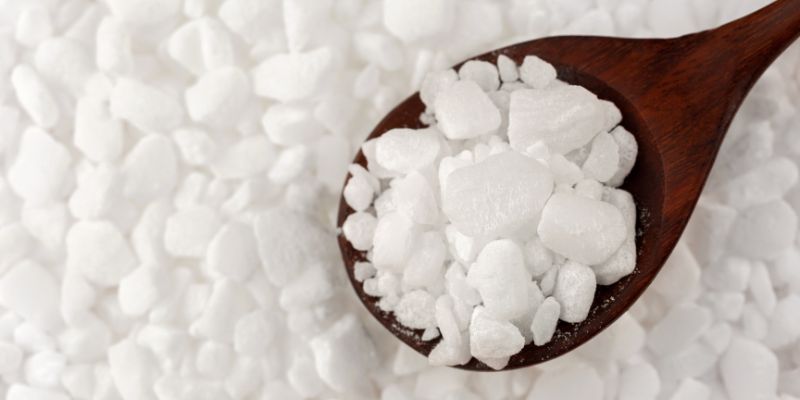
Use High-Quality Salt: Pellets or solar salt dissolve better and keep the tank cleaner. Avoid table salt—it’s a no-go
- Don’t Overfill: Keep the tank half to three-quarters full to avoid salt bridges. My first try was a total flop because I dumped in too much salt!
- Clean Regularly: Every 6 months, scoop out sludge or sediment with a shop vac. It keeps things running smoothly.
- Test Your Water: Use a hardness test strip to confirm your softener’s working. I got mine online for a few bucks.
Here’s a table comparing salt types for your softener:
| Salt Type | Pros | Cons | Cost (40-lb bag) |
|---|---|---|---|
| Pellets | Dissolves well, widely available | Can form bridges if overfilled | $10-$15 |
| Solar Salt | Purer, less residue | Slightly pricier | $12-$18 |
| Crystals | Fast-dissolving | May leave sediment | $8-$12 |
Table 2: Comparing Water Softener Salt Types
Visual Ideas for Better Understanding
To make this easier, imagine these visuals (sorry, I can’t draw them here!):
- Diagram of a Water Softener: Show the resin tank, salt tank, and brine line with arrows for water flow.
- Salt Bridge Sketch: Picture a crust of salt above water, with a stick breaking it up.
- Water Level Chart: A simple bar graph showing normal (0-4 inches) vs. too much water (above salt).
These would make the process crystal clear, like a sunny day!
Common Mistakes to Avoid
Here are rookie mistakes I made (so you don’t have to):
- Ignoring the Tank: I once forgot to check for months, and my water got hard. Check monthly!
- Using the Wrong Salt: Table salt or rock salt can clog your system. Stick to softener-specific salt.
- Overfilling: Piling salt to the top caused a bridge. Keep it half full, and you’re golden.
Frequently Asked Questions
Why Is There Water in My Water Softener Salt Tank?
It’s normal for wet brine systems to have 0-4 inches of water to dissolve salt into brine for regeneration. Dry systems may have no water most of the time. Check your manual to confirm your system type.
How Much Water Is Too Much in the Salt Tank?
If water is above the salt level or the tank’s nearly full, it’s too much. This could mean a clogged brine line, stuck float valve, or wrong settings. Run a manual regeneration or clean the line.
Should I Add Water to My Salt Tank?
Usually, no. Most softeners add water automatically. For new setups, you might add 3-5 gallons at first, but check your manual. Adding water manually can mess up the brine balance.
What If My Salt Tank Is Dry?
A dry tank is normal for dry brine systems, which only add water before regeneration. For wet systems, a dry tank might mean a clog or no regeneration. Run a manual cycle to check.
Can Too Much Water Damage My Softener?
Yes, excess water can overflow, damage parts, or stop regeneration, leading to hard water. Fix clogs or call a pro if the water doesn’t drain after a manual cycle.
How Do I Clean My Salt Tank?
Scoop out water and salt with a bucket or shop vac. Break up bridges with a stick. Clean sediment with a damp cloth. Refill with fresh salt and run a regeneration cycle.
Why Is My Water Hard Even with Water in the Tank?
Hard water could mean a salt bridge, low salt, or a clogged line stopping regeneration. Check salt levels, break bridges, and test water hardness with a strip.
Wrapping It Up
Water in your water softener’s salt tank is usually a good sign—it’s doing its job to make brine and keep your water soft. A few inches is normal for wet systems, but too much or none at all might mean trouble. Check your tank monthly, use quality salt, and don’t be afraid to poke around for bridges. Try running a manual regeneration or cleaning the brine line to keep things smooth. Got a tip or a funny softener story? Share it with friends or dive into a water softener forum online. Keep your water soft and your dishes spot-free—it’s a piece of cake!