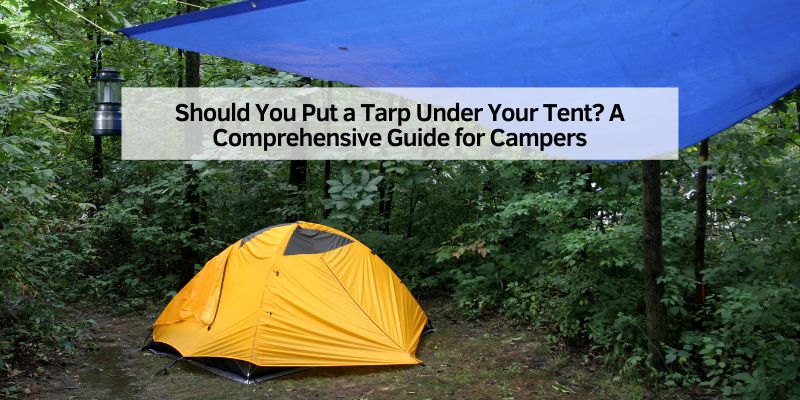
Should You Put a Tarp Under Your Tent? A Comprehensive Guide for Campers
Hey there, fellow camper! If you’re planning a weekend in the great outdoors, you’ve probably wondered, “Should I put a tarp under my tent?” I’ve been camping for years, from the misty forests of the Pacific Northwest to the rugged deserts of the Southwest, and I’ve learned a thing or two about keeping my tent safe and dry. This question comes up a lot, especially for new campers, and it’s not as simple as it sounds. A tarp can be a game-changer, but it’s not always necessary. Let me walk you through everything I’ve discovered about using a tarp under your tent. By the end, you’ll know exactly what to do for your next adventure.
I’ve pitched tents in all kinds of conditions—pouring rain, scorching sun, and even on rocky ground that tested my patience. Each time, I’ve tinkered with my setup, including whether to use a tarp. In this guide, I’ll share my experiences, break down the pros and cons, and give you practical tips to make your camping trip comfortable and worry-free. Whether you’re a beginner or a seasoned camper, let’s dive into why a tarp might (or might not) be your tent’s best friend.
Why Consider a Tarp Under Your Tent?
When I first started camping, I didn’t think much about what went under my tent. I’d just find a flat spot, pitch my tent, and hope for the best. But after a few soggy nights and a torn tent floor, I realized a tarp could make a big difference. A tarp is like a protective shield for your tent. It’s a simple piece of gear, but it can save you from a lot of headaches.
The main reason to use a tarp is to protect your tent’s floor from damage. Rocks, sticks, and rough ground can poke holes or wear out the fabric over time. A tarp adds an extra layer to take the beating instead. It also helps keep your tent dry by blocking moisture from seeping up from the ground. I’ve woken up in a damp sleeping bag before, and trust me, it’s not fun. A tarp can also make your campsite feel a bit cleaner, giving you a barrier between your tent and the dirt or mud.
But it’s not just about protection. A tarp can extend the life of your tent, saving you money in the long run. Tents aren’t cheap, and replacing a floor because of tears or water damage can be a hassle. By using a tarp, you’re adding a layer of insurance for your gear.
The Benefits of Using a Tarp
Let’s talk about the good stuff. Over the years, I’ve found several reasons why a tarp is worth packing. Here’s what I’ve learned:
Protection from Ground Moisture
When I camped in Olympic National Park, it rained for two days straight. Without a tarp, my tent would’ve been a swamp. The tarp kept the moisture from the soggy ground from seeping into my sleeping area. Even if your tent has a waterproof floor, wet soil can still cause problems over time. A tarp acts as a barrier, keeping your tent’s base dry and preventing mold or mildew from forming.
Shielding Against Rough Terrain
I once set up camp on a rocky ridge in Joshua Tree. The ground was like a minefield of sharp stones. My tarp saved the day by cushioning my tent from abrasions. Whether it’s rocks, roots, or pinecones, a tarp takes the brunt of the damage, so your tent doesn’t have to.
Easy Cleanup
Mud is every camper’s enemy. I’ve spent too many mornings scrubbing dirt off my tent floor. A tarp makes cleanup easier because you can shake off the dirt or rinse it separately. It’s a small thing, but it saves time when you’re packing up.
Added Insulation
In colder weather, like a late-fall trip I took in the Adirondacks, a tarp can add a bit of insulation. It creates a barrier between your tent and the cold ground, keeping you a little warmer. It’s not a substitute for a good sleeping pad, but every bit helps when the temperature drops.
Versatility
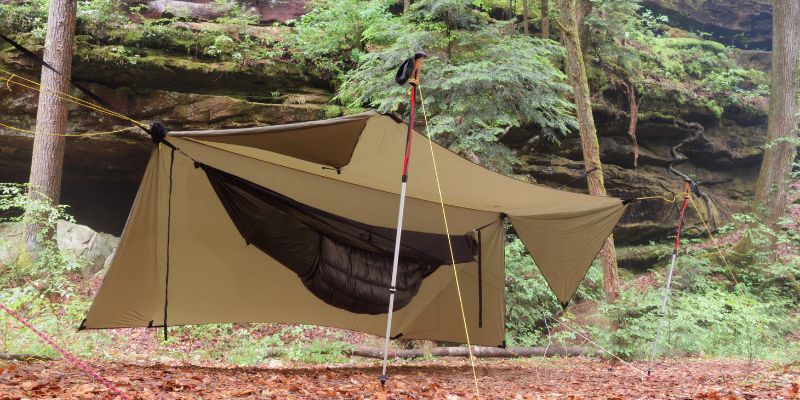
A tarp isn’t just for under your tent. I’ve used mine as a makeshift shelter, a picnic blanket, or even to cover gear during a sudden downpour. It’s one of those multi-purpose items that earns its place in your pack.
Here’s a quick table summarizing the benefits:
| Benefit | Description |
|---|---|
| Moisture Protection | Blocks ground moisture, keeping your tent dry. |
| Terrain Shield | Protects against rocks, sticks, and rough surfaces. |
| Easy Cleanup | Simplifies cleaning by keeping dirt off your tent. |
| Insulation | Adds a slight barrier against cold ground. |
| Versatility | Can be used for other purposes, like a shelter or gear cover. |
When You Might Not Need a Tarp
Now, I’ll be honest—there are times when I skip the tarp. It’s not always a must-have. If you’re camping in dry conditions on soft ground, like a grassy meadow in summer, you might not need one. Modern tents often come with durable, waterproof floors that can handle mild conditions. For example, my current tent has a 70-denier nylon floor with a high waterproof rating, and I’ve used it without a tarp on dry, sandy beaches without issues.
Another reason to skip the tarp is weight. If you’re backpacking and counting every ounce, a tarp can add bulk to your pack. I’ve gone on ultralight trips where I left the tarp behind to save space. Instead, I was extra careful about choosing a smooth, dry campsite.
You also might not need a tarp if you’re using a tent footprint. A footprint is a custom-made ground cloth designed specifically for your tent. It’s lighter and fits perfectly, which can be a better option than a generic tarp. I’ll talk more about footprints later, but they’re worth considering if you want a tailored solution.
Potential Downsides of Using a Tarp
As much as I love my tarp, it’s not perfect. There are a few drawbacks I’ve run into over the years. Knowing these can help you decide if a tarp is right for you.
Water Pooling
Here’s a mistake I made early on: I didn’t tuck my tarp properly under my tent. During a rainy night in the Smoky Mountains, water pooled on the tarp’s edges and seeped into my tent. If your tarp is too big and sticks out beyond your tent, it can collect rainwater and make things worse. Always make sure the tarp is smaller than your tent’s footprint or tucked tightly underneath.
Added Weight and Bulk
A tarp can weigh anywhere from a few ounces to a couple of pounds, depending on the material and size. When I’m packing for a long hike, that extra weight can feel like a burden. If you’re car camping, this isn’t a big deal, but for backpackers, it’s something to think about.
Setup Hassle
Setting up a tarp takes a bit of extra time. You need to smooth it out, make sure it’s centered, and secure it so it doesn’t shift. On a windy day in the Mojave Desert, I spent way too long wrestling with a flapping tarp. If you’re in a rush to pitch your tent, this can be annoying.
Cost
A good tarp isn’t free. While you can find budget options for $10-$20, a high-quality, lightweight tarp can cost $50 or more. If you’re on a tight budget, you might wonder if it’s worth the investment.
Choosing the Right Tarp
Not all tarps are created equal. I learned this the hard way when I bought a cheap hardware store tarp that tore after one trip. Here’s what to look for when picking a tarp:
Material
Most camping tarps are made of polyethylene, nylon, or polyester. Polyethylene is affordable and durable but heavier. Nylon and polyester are lighter and more packable but can be pricier. I prefer nylon for backpacking because it’s tough yet lightweight.
Size
Your tarp should be slightly smaller than your tent’s floor to avoid water pooling. Measure your tent’s dimensions and get a tarp that’s a few inches shorter on all sides. For my two-person tent, I use a 6×8-foot tarp, which works perfectly.
Weight
If you’re backpacking, go for a lightweight tarp under a pound. For car camping, weight matters less, so you can opt for a heavier, more durable option.
Waterproofing
Check the tarp’s waterproof rating, often measured in millimeters (mm). A rating of 1,500mm or higher is good for most conditions. My go-to tarp has a 2,000mm rating, and it’s kept me dry in heavy rain.
Durability
Look for tarps with reinforced edges and grommets. These features make it easier to secure the tarp and prevent tearing. I’ve had a nylon tarp with reinforced corners last me years of rough use.
How to Set Up a Tarp Under Your Tent
Setting up a tarp is simple, but there are a few tricks I’ve picked up to make it foolproof. Here’s my step-by-step process:
- Clear the Ground: Before laying down your tarp, remove rocks, sticks, and debris. I once skipped this step and ended up with a small tear in my tarp from a sharp twig.
- Lay the Tarp Flat: Spread the tarp out where you want your tent. Smooth out any wrinkles to avoid lumps under your sleeping area.
- Size It Right: Make sure the tarp doesn’t stick out beyond your tent’s edges. If it’s too big, fold the excess under so it’s hidden beneath the tent.
- Secure It: In windy conditions, use stakes or rocks to hold the tarp in place. I carry a few lightweight tent stakes just for this.
- Pitch Your Tent: Set up your tent directly on top of the tarp. Double-check that the tarp stays tucked under the tent’s footprint.
Tarp vs. Tent Footprint: What’s the Difference?
You might be wondering if a tarp is the same as a tent footprint. I used to think they were interchangeable, but they’re not. A tent footprint is a ground cloth designed specifically for your tent model. It’s cut to match the exact shape of your tent’s floor, so there’s no risk of water pooling. Footprints are usually lighter than tarps but more expensive.
I’ve used both, and here’s how they compare:
| Feature | Tarp | Tent Footprint |
|---|---|---|
| Cost | $10-$50 | $20-$80 |
| Weight | Heavier (0.5-2 lbs) | Lighter (0.2-1 lb) |
| Fit | Generic, may need folding | Custom-fit for your tent |
| Versatility | Can be used for other purposes | Designed only for tent protection |
| Durability | Varies, depends on material | Usually durable but thinner |
If you’re on a budget or want a multi-purpose option, a tarp is great. If you want a lightweight, perfect fit, a footprint might be worth the investment. I often stick with a tarp because I like its versatility, but I’ve used footprints for ultralight backpacking trips.
Tips for Camping with a Tarp
Here are some extra tips I’ve learned from years of camping with a tarp:
- Bring Extra Stakes: Wind can lift your tarp, so pack a few extra stakes or use rocks to keep it secure.
- Check the Weather: If it’s going to be dry and the ground is soft, you might skip the tarp to save weight.
- Practice at Home: Set up your tarp and tent in your backyard first. It’s easier to figure out the sizing and folding before you’re out in the wilderness.
- Carry Repair Tape: If your tarp tears, a strip of repair tape can save the day. I always keep some in my gear bag.
- Store It Dry: After your trip, make sure your tarp is completely dry before packing it away to prevent mold.
When to Skip the Tarp Altogether
There are times when I leave my tarp at home. If I’m camping on a sandy beach or a soft, grassy field in dry weather, I trust my tent’s floor to handle it. I also skip the tarp on short trips where I’m prioritizing a light pack. The key is to assess the conditions. If the ground is smooth and the forecast is clear, you can probably get by without one. Just be sure to inspect your tent’s floor for wear after each trip.
My Personal Experience with Tarps
One of my favorite camping memories is a trip to Yosemite, where a tarp saved my tent during an unexpected storm. The rain came down in sheets, and the ground turned to mud. My tarp kept my tent dry and protected, and I stayed cozy inside. But I’ve also had trips where I didn’t bother with a tarp—like a summer weekend in the Grand Canyon when the ground was bone-dry. It’s all about knowing your environment and planning accordingly.
Conclusion
So, should you put a tarp under your tent? In my experience, it’s usually a smart move. A tarp protects your tent from moisture, rough ground, and wear, making your camping trips more comfortable and your gear last longer. It’s versatile, affordable, and easy to use, though it does add some weight and setup time. If you’re camping in wet or rocky conditions, a tarp is a no-brainer. For dry, soft ground or ultralight trips, you might skip it or opt for a tent footprint instead.
Camping is all about preparation, and a tarp is one of those simple tools that can make a big difference. Whether you’re a newbie or a seasoned adventurer, I hope my experiences and tips help you decide what’s best for your next trip. Pack smart, stay dry, and enjoy the great outdoors!
FAQs
What size tarp should I use under my tent?
Choose a tarp slightly smaller than your tent’s floor to prevent water pooling. Measure your tent’s dimensions and get a tarp a few inches shorter on each side. For example, a 6×8-foot tarp works well for most two-person tents.
Can I use a regular hardware store tarp for camping?
Yes, but they’re often heavier and less durable than camping-specific tarps. Look for a lightweight,waterproof tarp with reinforced edges for the best results.
Will a tarp keep my tent completely dry?
A tarp helps block ground moisture, but it won’t protect against rain falling directly on your tent. Make sure your tent is waterproof and use a rainfly for full protection.
Is a tent footprint better than a tarp?
A footprint is lighter and custom-fit for your tent, but it’s more expensive and less versatile. A tarp is a budget-friendly, multi-purpose option, but it may require folding to fit properly.
How do I clean my tarp after camping?
Shake off dirt and debris, then rinse with water if needed. Let it dry completely before storing to prevent mold or mildew.
Can a tarp replace a tent’s rainfly?
No, a tarp under your tent protects the floor, but a rainfly is needed to shield the tent from rain falling from above. They serve different purposes.