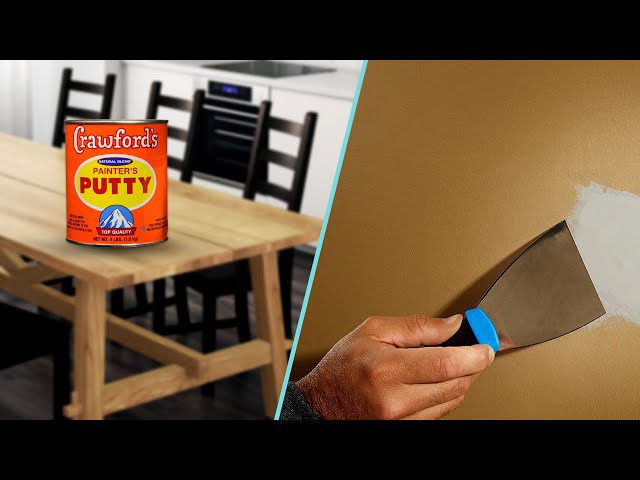
Spackling VS Painters Putty: Which Is Best for Repairs?
Have you ever stared at those pesky holes and cracks in your walls and wondered about the best way to fix them? You’re not alone.
Many homeowners face this challenge, and choosing the right product for the job can make all the difference. When it comes to filling gaps, two popular options often come up: spackling and painter’s putty. But which one is truly the right choice for your needs?
We’ll dive into the differences between these two products, helping you make an informed decision. Whether you’re preparing your walls for a fresh coat of paint or simply aiming for a flawless finish, understanding these options can save you time and money. Plus, we’ll share expert tips to ensure you achieve a professional look without the hassle. So, are you ready to transform your walls into a smooth, pristine surface? Let’s get started!
Overview Of Spackling
Spackling is a paste used to fix walls. It contains gypsum and binder. This paste dries quickly and is easy to sand. It is usually white and smooth in texture. The paste fills small holes and cracks well. Spackling is lightweight and easy to apply. It is ideal for indoor use.
People use spackling to repair walls and ceilings. It is used for small holes from nails. Also, it fixes cracks in walls. Spackling is great for minor repairs. It helps make surfaces smooth before painting. DIY enthusiasts like using spackling. It is useful for quick touch-ups.
Spackling has several pros. It dries fast. It is easy to sand. Spackling is lightweight and simple to use. Cons include not suitable for large holes. It is not good for outdoor repairs. Sometimes, it shrinks after drying. It might need multiple coats for deep holes.
Overview Of Painters Putty
Painters putty is a thick paste. It is made from linseed oil and calcium carbonate. This putty is flexible and smooth. It fills small holes and cracks. The putty is easy to shape. It can be painted over once it dries. It hardens quickly. This makes it great for quick repairs.
Painters putty is used to fill nail holes. It also covers small cracks in walls. It is helpful in woodwork repairs. Painters use it on window frames. It helps to prepare surfaces before painting. The putty ensures a smooth finish.
Painters putty is easy to use. It is affordable and readily available. It dries fast, saving time. But, it is not suitable for large holes. The putty can shrink as it dries. It may need multiple layers for deep holes. It is best for small repairs only.
Key Differences
Spackling is smooth and creamy. It’s easy to spread on walls. Painters putty is thick and dense. It needs more effort to apply. Spackling is great for small holes and cracks. Painters putty is better for larger gaps. Both need tools like a putty knife. Spackling dries faster than putty. Choose based on your project needs.
Spackling dries quickly, often in minutes. Painters putty takes longer to dry. Spackling is easy to sand. It leaves a smooth finish. Putty can be harder to sand. It might need more work. Always check drying times on the package. Some projects need fast drying. Others might need slow drying.
Painters putty is very durable. It can handle more movement. Spackling is less flexible. It might crack if the wall moves. For areas with lots of movement, use putty. Spackling is good for indoor use. Use putty for outdoor projects. Choose based on where you are working.

Credit: www.reddit.com
Best Uses For Spackling
Spackling is ideal for small holesand crackson walls. It dries quickly and is easy to sand. This makes it perfect for quick touch-ups. Use it to fill nail holes or minor wall imperfections. It creates a smooth surface ready for paint. A simple tool for home repairs.
Spackling works well indoors and outdoors. It resists weather changes. This makes it suitable for exterior walls. Indoors, it repairs drywall efficiently. Choose a type that fits your climate needs. Versatile and reliable for various projects.
Spackling is highly compatible with paints. It bonds well and doesn’t affect paint color. Choose spackling for a seamless finish. It ensures your walls look flawless. Paint adheres smoothly to spackled surfaces. A great choice for neat painting results.
Best Uses For Painters Putty
Painters putty is great for filling nail holes. It hides small spots on walls. Use it to cover minor imperfections. Walls look smooth and clean after using it.
This putty works well on wood. It’s perfect for repairing woodwork and trim. It fills gaps and cracks. Make wood look new and neat.
Painters putty is good with stains and finishes. It matches wood colors easily. The putty blends with different finishes. Perfect for a seamless look.
Factors To Consider
Choose the right material based on project size. Spackling works well for small holes and cracks. Painters putty suits larger gaps and surfaces. For drywall, spackling is a great choice. Wood surfaces need painters putty.
Think about where you will use the filler. Spackling dries fast, which is good for indoor use. Painters putty handles moisture better. It’s ideal for outdoor projects. Temperature and humidity affect drying time.
Cost plays a role in your choice. Spackling is often cheaper than painters putty. Availability depends on your local stores. Check what materials are easily found. This can save time and effort.
Expert Recommendations
Experts recommendusing spackling for small holes and cracks. It dries fast and is easy to sand. Painters putty is good for windows and trim. It stays flexible and is great for wood. Choose the right one for your task.
Don’t use spackling on large gaps. It might crack or shrink. Avoid using painters putty on drywall. It is not meant for that. Always read labels before you start. Follow directions carefully.
Use a putty knife for smooth application. Ensure surfaces are clean before applying. Let the product dry completely. Sand gently for a perfect finish. Paint after the surface is smooth. This ensures the best look.

Credit: www.youtube.com
Frequently Asked Questions
What Is Spackling Used For?
Spackling is used to repair small holes and cracks in walls. It provides a smooth surface for painting. Spackling is ideal for quick fixes and minor repairs. It dries quickly and is easy to sand.
How Does Painters Putty Differ?
Painters putty is thicker and used for filling gaps in woodwork. It’s ideal for preparing surfaces before painting. Painters putty is more flexible and durable than spackling. It’s better for larger repairs and uneven surfaces.
Can I Paint Over Spackling?
Yes, you can paint over spackling once it’s dry. Ensure the surface is smooth and dust-free before painting. Spackling is designed to be painted over. It blends well with paint for a seamless finish.
Is Painters Putty Suitable For Walls?
Painters putty is not typically used for walls. It’s best for wood surfaces and trim. It provides a durable base for paint on woodwork. For wall repairs, spackling is more appropriate.
Conclusion
Choosing between spackling and painter’s putty depends on your project needs. Spackling suits indoor wall repairs and fills small holes. Painter’s putty is ideal for wood surfaces and sealing gaps. Both products offer reliable solutions for home improvement tasks. Consider surface type and repair size when deciding.
Quality results depend on correct usage and application. Read product labels for guidance. Test small areas first to ensure compatibility. Proper preparation leads to smooth finishes. Make informed choices for successful repairs. Your choice impacts your project’s outcome. Be mindful, plan, and achieve the best results.