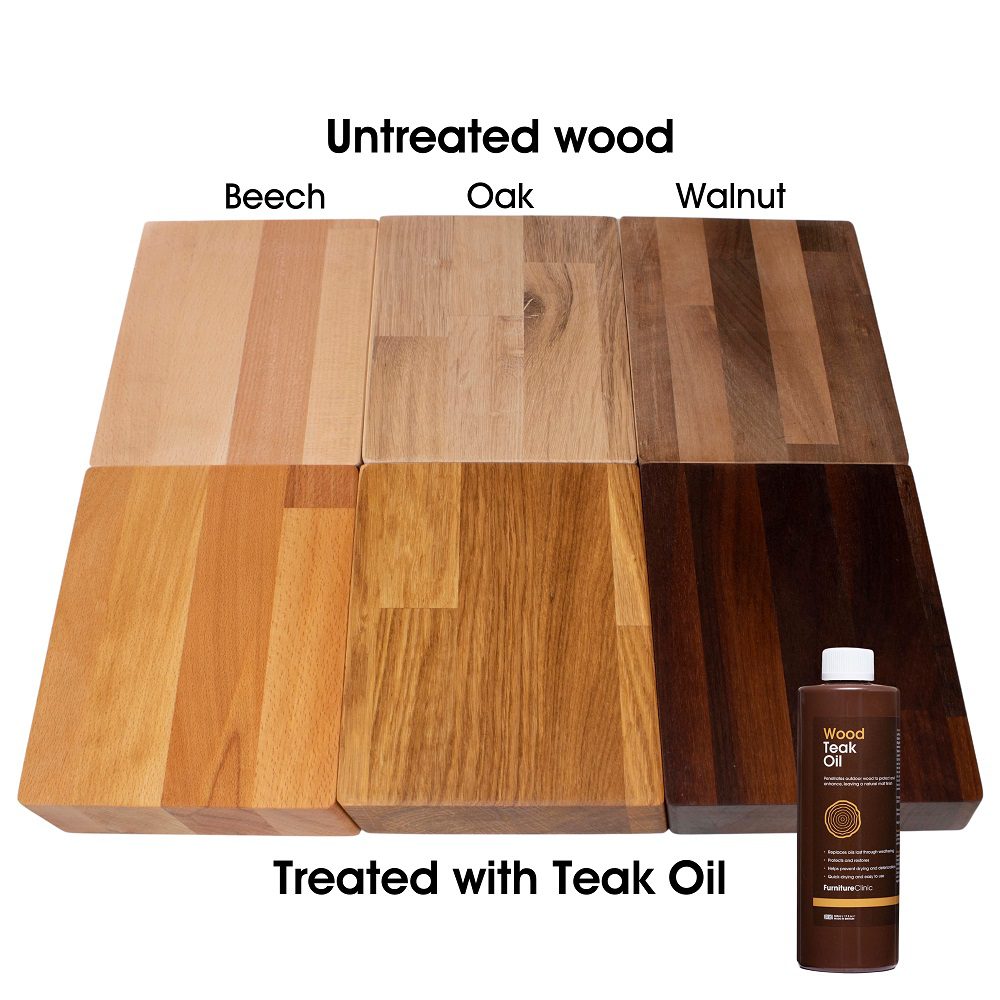
Teak Oil Vs Polyurethane: Ultimate Finish Showdown
Have you ever found yourself staring at your wooden furniture, wondering how to keep it looking fresh and polished? You’re not alone.
Choosing the right finish can feel overwhelming, especially when faced with options like teak oil and polyurethane. Each has its own unique advantages, but which one is right for you and your beloved wood pieces? Imagine having the perfect finish that not only enhances the natural beauty of your wood but also protects it from wear and tear.
By the time you finish reading this article, you’ll feel empowered to make an informed decision that suits your style and needs. Let’s dive in and explore these two popular finishes, ensuring your wood remains stunning and durable for years to come.

Credit: beckwithstreasures.com
Teak Oil Characteristics
Teak oil enhances wood’s natural beauty, offering a warm finish and protection. Unlike polyurethane, it penetrates deeply, preserving the wood’s texture. Ideal for outdoor furniture, it provides a breathable shield, while polyurethane creates a hard, glossy surface. Each has its unique benefits for different wood projects.
Natural Finish Benefits
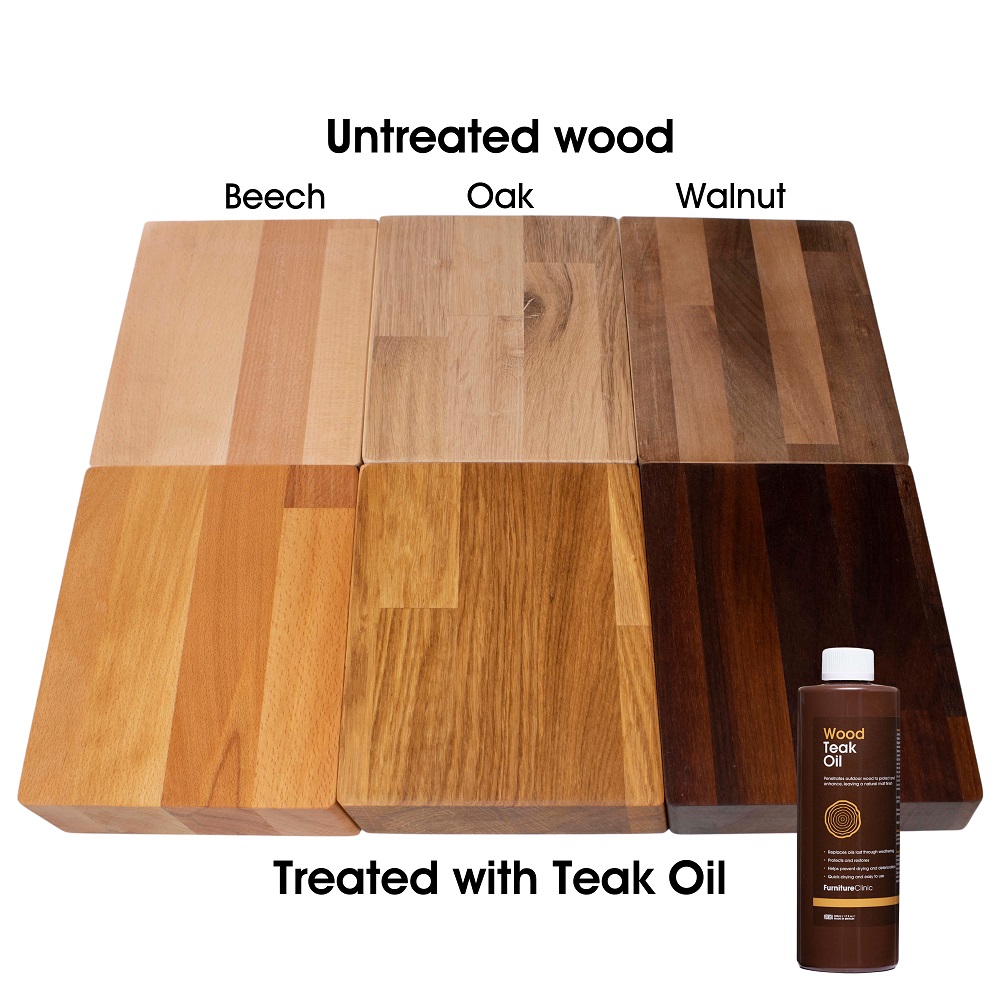
Teak oil offers a rich, warm glow. This enhances the wood’s natural beauty. It penetrates deeply, nourishing the wood. This helps to protect from moisture and UV rays. The finish is smooth and non-glossy, ideal for those who prefer a natural look. It highlights the wood grain beautifully. This makes your furniture or deck look authentic and warm.
Application Process
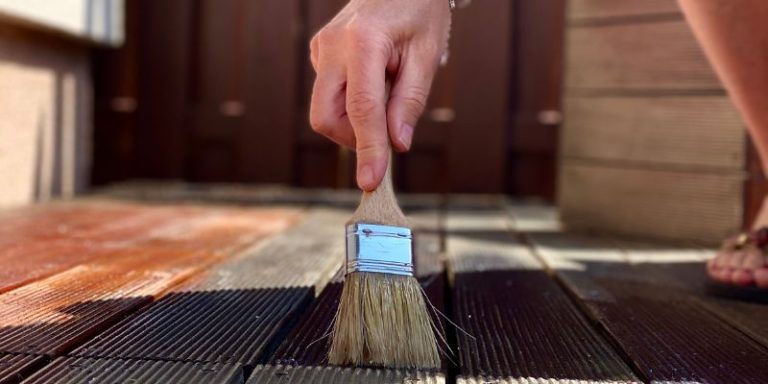
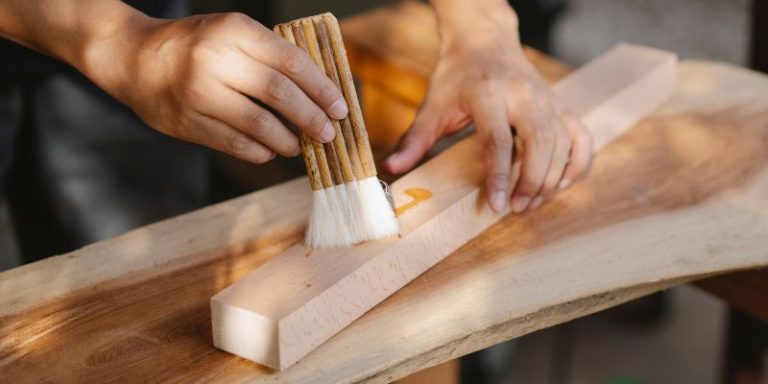
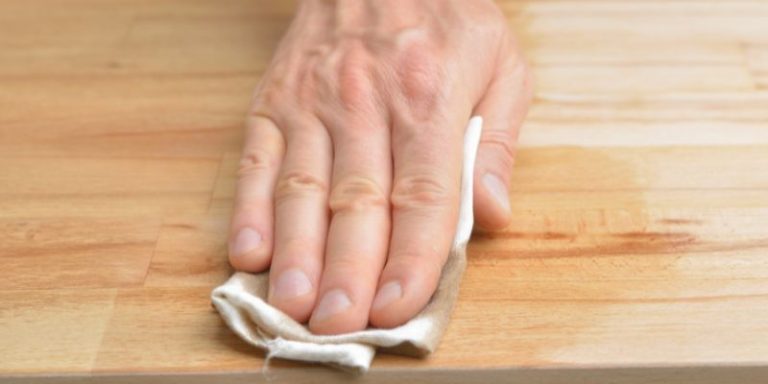
Applying teak oil is simple and straightforward. First, clean the wood surface. Next, use a clean cloth or brush. Apply the oil evenly across the surface. Allow the oil to soak for a few minutes. Wipe away any excess oil. Let it dry completely. Reapply as needed for maintenance. This keeps the wood healthy and vibrant.
Ideal Uses
Teak oil is perfect for outdoor furniture. It protects against weather elements. Use it on boats to maintain the wood’s strength. It is suitable for wooden decks and patio furniture. Indoor furniture like tables and chairs can benefit too. It is a versatile choice for various wood applications.
Polyurethane Features
Polyurethane provides a hard, durable finish, ideal for high-traffic areas. Unlike teak oil, it offers superior protection against water and scratches. This makes polyurethane a popular choice for preserving wood surfaces indoors.
Durability And Protection
Polyurethane offers strong protection for wood surfaces. It creates a hard layer that resists scratches and dents. This makes it ideal for high-traffic areas. It’s also water-resistant, preventing damage from spills. Polyurethane ensures wood remains beautiful and long-lasting.
Application Techniques
Applying polyurethane requires care and patience. Clean the surface before starting. Use a brush or foam applicator for smooth coverage. Thin coats work best. Allow each coat to dry completely. Sand lightly between coats for a smooth finish. It may need multiple layers for best results.
Best Use Cases
Polyurethane is perfect for floors and furniture. Use it on tables to prevent scratches. Kitchen cabinets benefit from its water resistance. It’s also great for outdoor furniture. Protects wood from sunlight and rain. Keeps surfaces looking new for years.
Comparing Aesthetics
Teak oil gives wood a warm, natural glow. It makes the wood look rich and deep. The oil soaks into the wood. This brings out the wood’s real color. The finish is smooth and soft. It feels nice to touch. Many people like teak oil for old furniture. It makes the wood look new again.
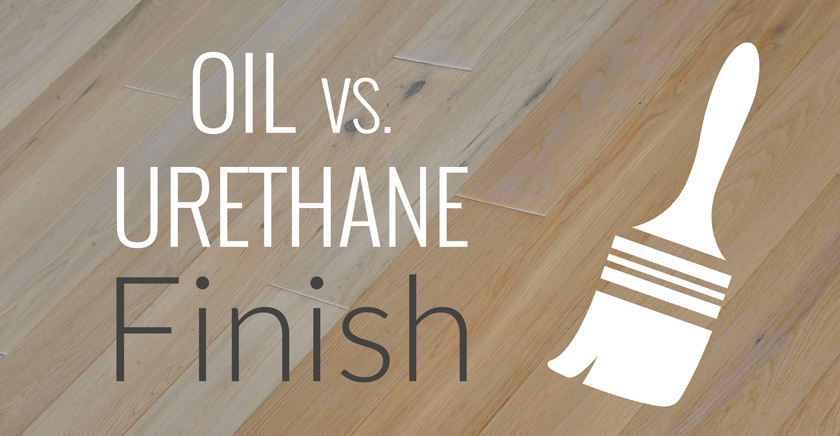
Polyurethane creates a shiny and strongsurface. It sits on top of the wood. This makes it look bright and glossy. The finish is hard and smooth. It protects the wood from scratches. Many people use polyurethane for floors and tables. They like the shiny look and feel.
Ease Of Maintenance
Teak oil needs regular care. Apply the oil every few months. It keeps the wood shiny. Dusting is simple. A soft cloth works best. Water spills must be wiped quickly. This stops stains. No harsh cleaners allowed. They can damage the finish. Teak oil finish is natural. Many people like its look.
Polyurethane is tough. It needs less care. Cleaning is easy. Just use a damp cloth. No need to reapply often. It lasts long. Scratches can happen. They need fixing. Use a repair kit. Avoid dragging heavy items. This keeps it safe. Polyurethane gives a shiny look. Many love its durability.
Environmental Considerations
Choosing between teak oil and polyurethane impacts the environment differently. Teak oil is natural and biodegradable, offering an eco-friendly option. Polyurethane, a synthetic product, may release harmful chemicals, impacting air quality.
Eco-friendliness Of Teak Oil
Teak oil comes from natural sources. It is often made from linseed oil or tung oil. These oils are biodegradable. They break down in the environment. This makes teak oil a better choice for nature lovers. It contains fewer chemicals. Less harm to plants and animals. People who care about the earth choose teak oil.
Environmental Impact Of Polyurethane
Polyurethane is made from synthetic materials. It is not biodegradable. It stays in the environment for a long time. This can be harmful. It releases chemicals during production. These chemicals can pollute air and water. Polyurethane is strong and durable. But it can damage nature. People should be careful when using it.
Credit: www.garrisoncollection.com
Cost Analysis
Teak oil is generally more affordable. Prices usually range from $10 to $20for a small bottle. Larger containers may cost $50 or more. Most teak oils are budget-friendly. Suitable for small projects or touch-ups.
Polyurethane finishes can be pricier. A small can may cost $15 to $30. Larger cans can go up to $100 or more. Good for big projects. Offers long-lasting protection. Often worth the cost.
Choosing The Right Finish
Choosing the right finish is important. Teak oil and polyurethane offer different benefits. Teak oil gives a natural lookand enhances wood grains. It is easy to apply and maintain. Polyurethane offers a stronger protectionagainst scratches and water. It lasts longer and is more durable. Consider the use of the wood. Will it be indoors or outdoors? Indoor projects might benefit from polyurethane’s protection. Outdoor projects may look better with teak oil’s natural shine.
Each project has unique needs. For outdoor furniture, teak oilis great. It withstands sun and rain well. It also keeps wood looking fresh. For floors and surfaces that see heavy use, polyurethaneis ideal. It provides better wear resistance. It also protects against spills. Choose the finish based on the environment and use. Think about the look you want. Do you prefer shiny or natural? Both finishes have their own charm.
Credit: www.furnitureclinic.ae
Frequently Asked Questions
What Is Teak Oil Used For?
Teak oil is primarily used to enhance and protect wooden surfaces. It penetrates the wood, providing a rich, warm finish. This oil is especially popular for outdoor furniture due to its ability to resist weather conditions. Regular application can preserve the wood’s natural beauty and extend its lifespan.
Is Polyurethane Waterproof?
Polyurethane is indeed waterproof, making it ideal for surfaces exposed to moisture. It creates a protective barrier over wood, preventing water damage. This durability makes it popular for kitchen cabinets and flooring. However, proper application is crucial to ensure its effectiveness in waterproofing.
How Long Does Teak Oil Last?
Teak oil typically lasts for several months before needing reapplication. Its longevity depends on exposure to weather conditions. For outdoor furniture, reapplication every 3-6 months is recommended. Regular maintenance helps maintain its protective qualities and keeps the wood looking vibrant and healthy.
Can Polyurethane Be Applied Over Teak Oil?
Applying polyurethane over teak oil is possible but requires caution. Ensure the teak oil is fully dried before application. This prevents adhesion issues and ensures a smooth finish. Testing on a small area first can help avoid potential compatibility problems between the two products.
Conclusion
Teak oil offers natural beauty and easy application. It enhances wood’s grain and color. Great for outdoor furniture. Needs regular maintenance. Polyurethane provides strong, durable protection. It resists scratches and water damage. Best for high-traffic areas. Choosing between teak oil and polyurethane depends on your needs.
Consider the wood type and usage. Both have their advantages. Think about maintenance and finish. Teak oil is simpler to apply. Polyurethane lasts longer. Explore your options. Make an informed decision. Enjoy the beauty and protection of your wood surfaces.