Teak Vs Cedar: Which is the Best Choice for Your Deck?
When it comes to choosing the right wood for your outdoor projects, you might find yourself torn between teak and cedar. You want something durable yet beautiful, a material that complements your style and stands the test of time.
Teak and cedar are both popular choices, but how do you decide which is best for your needs? Your decision could transform your backyard into a stunning oasis or a cozy retreat. Imagine sitting on your deck or patio, soaking in the beauty and comfort of perfectly chosen wood.
By exploring the unique qualities of teak and cedar, you’ll be equipped to make a choice that resonates with your vision and enhances your outdoor living experience. Dive in as we uncover the essential features, benefits, and considerations of each, ensuring you make an informed decision that truly satisfies your desires.
Credit: www.teakmaster.com
Wood Characteristics
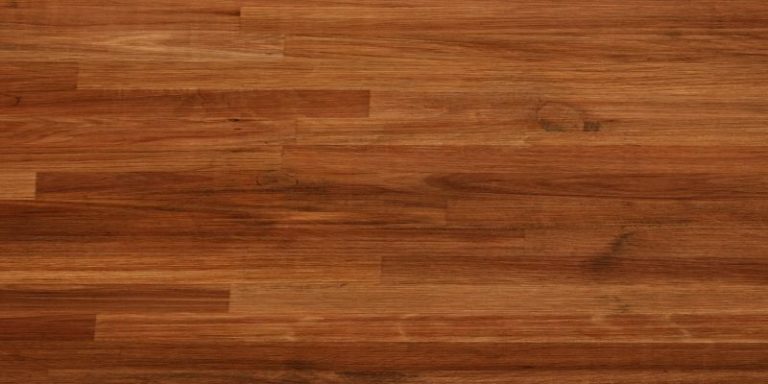
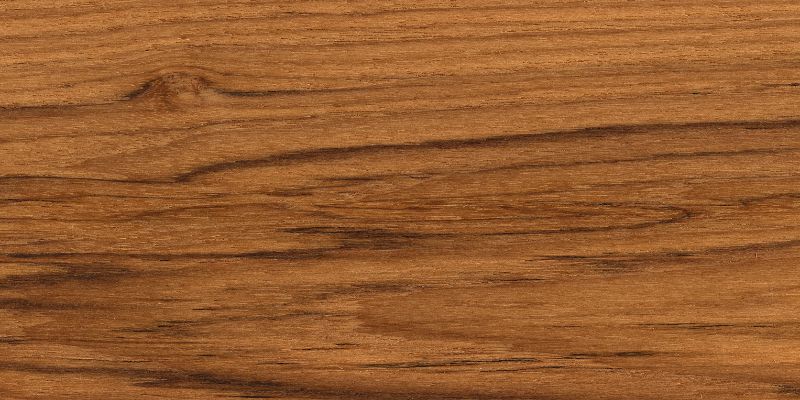
Teakis known for its strong and durable nature. It has a rich, golden color that looks beautiful. This wood is often used in making outdoor furniture. Teak is resistant to water and pests. So, it lasts long even in bad weather. The surface of teak feels smooth and oily.
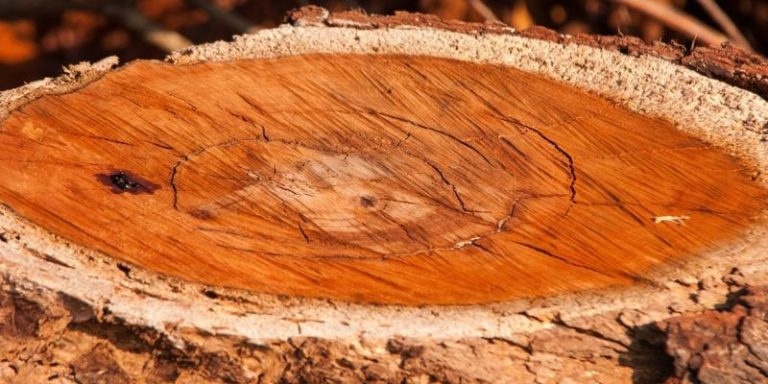
Cedarwood is light and soft. It has a pleasant smell that keeps bugs away. Cedar is popular for making closets and chests. The color of cedar is reddish and warm. It is easy to cut and shape. Cedar wood does not rot easily, making it a good choice for outdoor use.
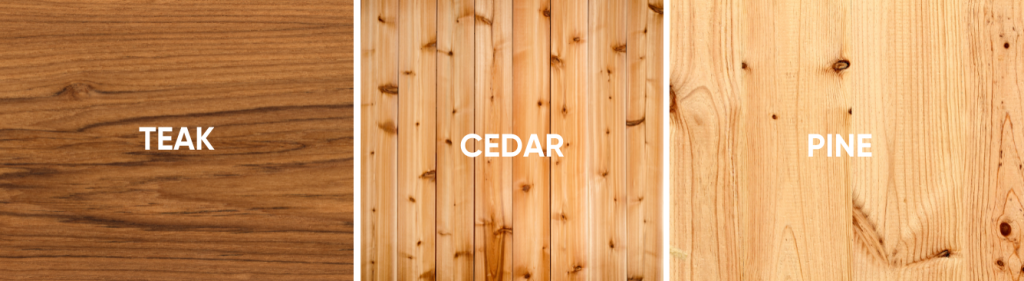
Credit: www.level.com.au
Durability Comparison
Teak is known for its strong weather resistance. It can handle rain and sun well. Its natural oils protect it from water damage. Cedar, on the other hand, also resists weather but not as much as teak. It can warp or crack in extreme conditions. But cedar is a good choice for many outdoor projects. It smells nice and keeps bugs away.
Both teak and cedar have natural pest resistance. Teak’s oils keep bugs at bay. It’s hard for insects to eat or live in. Cedar has a strong smell. This smell drives insects away. Bugs don’t like to live in cedar wood. Both woods are great at keeping pests away. This makes them good for outdoor use. Your furniture will stay safe from bugs.
Aesthetic Appeal
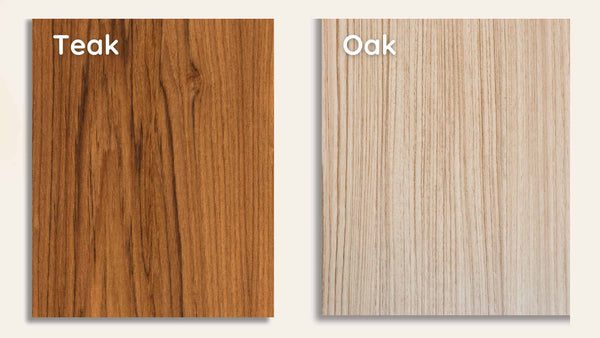
Teak woodhas a warm, golden color. It looks rich and elegant. Over time, it can turn silver-gray. This change gives it a classic look. Cedar woodstarts with a reddish hue. Its texture is smooth and fine. It often has knots, adding a rustic charm. Both woods have unique grains. Teak’s grain is tight and straight. Cedar has a more varied pattern.
Teak ages gracefully. It develops a soft patina. This patina protects the wood. Cedar ages differently. It may darken or lighten. The aging process gives cedar a weathered look. Both woods gain character over time. Their beauty enhances with age.
Maintenance Needs
Teak wood needs regular cleaning. Use mild soap and water. This keeps it clean and bright. Every year, apply teak oil. This helps in keeping its color. Teak can turn gray in the sun. Using oil stops this. Keep teak away from very wet areas. This helps it last long. Remember, teak is strong. But, care is still needed.
Cedar needs less care than teak. It stays good with just water. Soap is not needed often. Cedar is naturally resistant to bugs. This means fewer problems. Cedar can also change color. A wood sealer helps keep its look. Avoid placing cedar in standing water. This can harm the wood. Cedar is light, but it is strong.
Environmental Impact
Teak is a strong and durable wood. It comes from tropical forests. These forests are often in danger. Cutting teak can hurt these forests. New trees take a long time to grow. This makes teak less sustainable. Using teak can lead to deforestation. Forests are important for animals and plants. Protecting them is essential for the environment.
Cedar is a more sustainable option. It grows in many places. It grows faster than teak. This makes cedar more eco-friendly. Cedar forests are often managed well. They are replanted to keep the balance. Cedar forests support many animals and plants. They help keep the ecosystem healthy. Choosing cedar can be a better choice for nature.
Cost Considerations
Teak generally costs more due to its durability and scarcity. Cedar, being more abundant, offers a budget-friendly alternative. Both woods provide excellent value for different budget considerations.
Initial Investment
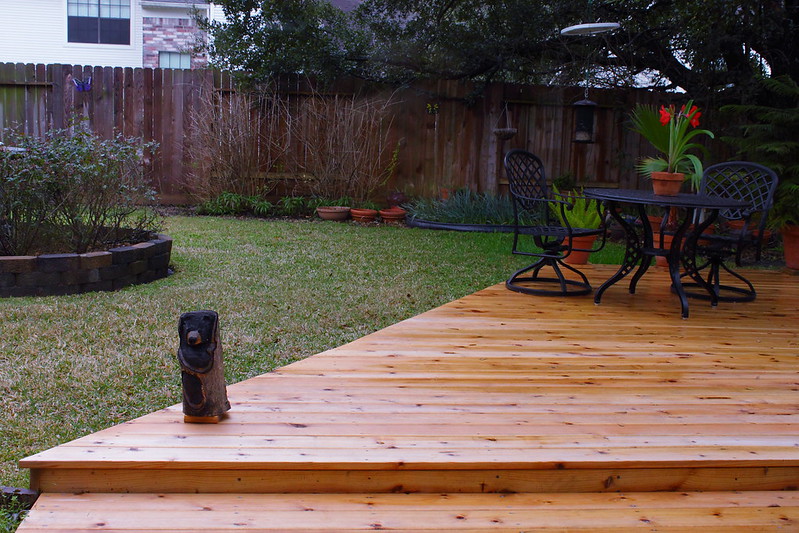
Teak woodis often more expensive than cedar. It is prized for its beauty and durability. People who choose teak usually enjoy its rich color. Cedar woodis cheaper. It is common for fences and decks. Many like cedar for its fresh smell and natural look.
Long-term Value
Teak lasts longer without much care. It resists weather and pests well. This makes it a good choice for the future. Cedar needs more care. It may not last as long as teak. But it is still a strong wood. Many people still choose cedar for its cost and charm.
Suitability For Different Climates
Teak is a strong choice for humid places. It does not rot easily. The natural oils in teak protect it well. Moisture does not harm teak much. Many people use teak for outdoor furniture. It stays good in rainy areas. Teak lasts a long time without much care. It is a popular choice for coastal regions. Teak is also good for gardens. The wood resists mold and mildew. It is often used on boats. Teak can handle wet conditions. It stays durable and strong.
Cedar is great for dry areas. It does not crack easily. The aromatic oils in cedar help it stay strong. Cedar does not shrink much. It is a popular wood for hot places. Many people use cedar for fences. Cedar smells nice and is insect-resistant. It does not need much water to stay good. Cedar is often used for indoor furniture. It is also used in closets for its scent. The wood remains stable in dry air. Cedar is lightweight and easy to work with.
Installation And Workability
Teakis a hard wood. It is tough to cut and shape. You need special tools for this. Cedaris softer. It is easy to work with. You can use regular tools. Less effort is needed with cedar. It is light, making handling simple. Teakrequires more skill. It lasts longer but is harder to install.
For teak, you need strong sawsand drills. Cedar needs regular tools. Teakdust is harmful. Wear a mask when cutting. Cedaris safer for workers. Both woods need sanding. This makes them smooth. Teak requires more sanding time. Cedar sands quickly.
User Experiences
Many homeowners prefer teak for its rich color. It looks warm and elegant. Cedar is often chosen for its pleasant smell. It is also cheaper than teak. People find cedar lighter to move around. Teak can last longer, even in wet weather. Some say it feels smoother to touch. Both woods need care to last. People often oil teak to keep its shine. Cedar can turn gray over time. It adds a rustic look. Homeowners love both for different reasons.
Experts often recommend teak for outdoor furniture. It resists weather well. Cedar is praised for its natural oils. These help keep bugs away. Experts agree both woods are strong. Teak is dense and heavy. Cedar is light but sturdy. Both can be used for many years. Experts suggest sealing both woods. This keeps them looking nice. Teak is usually more expensive. Cedar is a budget-friendly option. Both have their unique charm.

Credit: woodceylon.com
Frequently Asked Questions
What Is Better For Outdoor Furniture, Teak Or Cedar?
Teak is superior for outdoor furniture due to its durability and resistance to weather elements. Cedar is also a good option, being lightweight and aromatic. However, teak’s natural oils and dense grain make it more weather-resistant, while cedar may require more maintenance over time.
How Do Teak And Cedar Compare In Cost?
Teak is typically more expensive than cedar due to its durability and long lifespan. Cedar is a more budget-friendly option but may require more maintenance. Teak’s cost reflects its premium quality and resistance to decay, making it a worthwhile investment for long-term use.
Which Wood Is More Resistant To Insects?
Teak is more resistant to insects due to its natural oils that repel pests. Cedar also has some insect-repelling properties but is less effective than teak. Both woods are good choices for outdoor use, but teak offers superior protection against insect damage.
Is Teak Harder Than Cedar?
Yes, teak is harder than cedar, making it more durable and resistant to wear. Teak’s dense grain ensures longevity, whereas cedar is softer and can dent more easily. This hardness makes teak ideal for high-traffic areas and outdoor furniture exposed to the elements.
Conclusion
Choosing between teak and cedar depends on your specific needs. Teak offers durability and resistance to weather. Cedar provides a lighter feel and pleasant aroma. Both woods have unique strengths. Think about your budget, location, and style preference. Teak can be costlier but lasts longer.
Cedar is more affordable and eco-friendly. Consider the maintenance each wood requires. Each option brings beauty and functionality to your space. Make your decision based on what fits your lifestyle best. Both choices add natural charm to your home. Enjoy the warmth and elegance they bring.