Threshold between Wood And Tile: Seamless Transition Guide
Are you planning a home renovation or looking to refresh your space? If so, you might be considering the transition between wood and tile flooring.
This threshold is not just a physical divider; it’s a design statement that can significantly impact the flow and feel of your home. You might wonder how to create a seamless transition, or perhaps you’re worried about potential clashes in styles.
Rest assured, you’re not alone. Many homeowners face the same challenge and are seeking that perfect balance. Imagine stepping from the warm, inviting texture of wood into the sleek, cool surface of tile without a jarring change. It’s all about creating harmony and ensuring that each step feels natural and cohesive. You’ll discover the secrets to achieving a flawless transition that enhances your home’s aesthetic and functionality. Dive in to learn tips, tricks, and expert advice on making the threshold between wood and tile a beautiful and practical feature of your home. Your space deserves it!
Choosing The Right Materials
Wood floors are warm and cozy. They add a natural feel to homes. Wood is durable and lasts long. It can be sanded and refinished. Tile is cool and easy to clean. It resists water well. Tiles come in many colors and styles. They are great for kitchens and bathrooms. Choosing the right one depends on needs. Both have unique benefits.
Think about the room’s purpose. Wood is better for living rooms. Tile works well in wet areas. Consider the climate. Wood may warp in humid places. Tile stays steady in any weather. Budget is important too. Wood can be costly. Tile offers options for every pocket. Maintenance matters. Wood needs care. Tile is easier to clean. Choose what fits your lifestyle best.
Designing The Transition
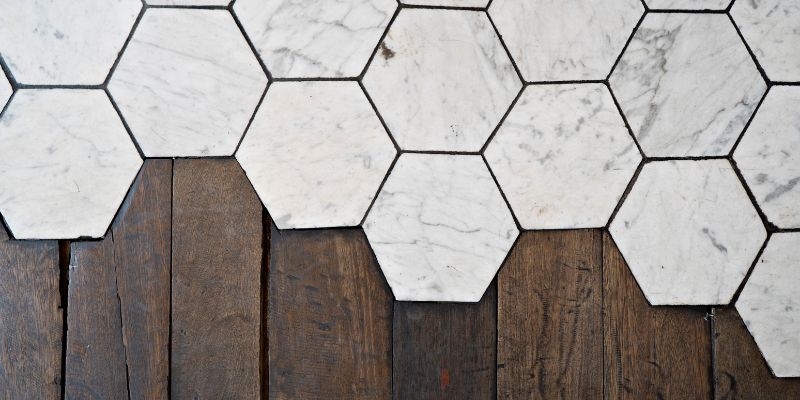
Wood and tile transitionscan look stunning. It’s all about balance. The shapes and lines must flow together. Mixing curved lines with straight ones adds interest. Make sure the colors do not clash. Choose shades that blend nicely. Let each material shine in its own way.
Pick colors that match the whole room. Textures matter too. Wood is warm and feels cozy. Tile is cool and smooth. Use them to create a welcoming space. Think about the room’s style. Modern spaces might need sleek designs. Rustic rooms can have more texture.
Installation Techniques
It is important to make sure the surfaces are even. Uneven floors can cause problems. Use a leveling compound to fix uneven spots. Mix it well and spread it evenly. Wait for it to dry. This helps in making a smooth transition. Your wood and tile will fit better. It also prevents tripping hazards.
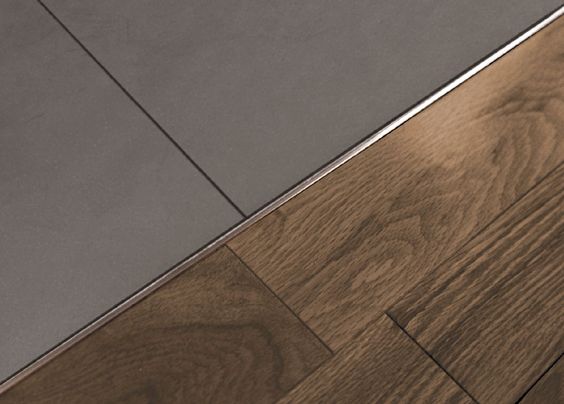
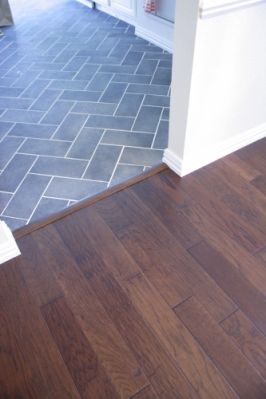
Transition strips connect different floors. These strips cover gaps between wood and tile. They come in different materials like metal or wood. Choose one that matches your floor. Measure the gap and cut the strip to fit. Secure it with screws or adhesive. It makes the floor look neat and tidy. The strip also protects the edges of the flooring.
Credit: sandiegomarbletile.com
Maintenance And Care
Use a soft broomto sweep the floor. This helps to remove dirt. For deeper cleaning, a damp mopis best. Add a mild cleanerto the water. Avoid using too much water. It can damage the wood. Dry the floor with a soft cloth. This keeps the surface shiny and clean.
Place rugsat doorways to trap dirt. This protects both wood and tile. Use felt padsunder furniture. This prevents scratches on the floor. Check for loose tiles or boards often. Fix them quickly to avoid further damage. Keep the area dry. Water can harm both wood and tile.
Common Challenges
Uneven floors can cause tripping hazards. This is a common problem. Wood and tile might not match well. Gap fillers can help. Leveling compound is another option. It smooths out surfaces. Professional help might be needed. Fixing this issue is important. It ensures safety. It also improves appearance.
Moisture can harm floors. Wood is sensitive to water. It can warp or rot. Tiles might crack. Sealants can protect surfaces. Proper ventilation is key. It reduces moisture build-up. Regular checks can help spot issues early. Taking steps can save money. It keeps floors looking new.
Credit: sandiegomarbletile.com
Expert Tips For A Seamless Look
Aligning wood and tile floors needs precision. Experts suggest using a transition strip. This helps keep floors even. Color matching is crucial. Choose a strip that blends with both floors. This gives a smooth appearance. Height difference can ruin the look. Use spacers to adjust levels. Avoid sharp edges. Smooth edges are safer and look better. Professionals recommend gluing the strip firmly. This prevents movement over time. A stable strip maintains a neat finish.
Measure the gap carefully. Accurate measuring avoids mistakes. Choose a strip material that suits your style. Metal, wood, or rubber are options. Cut the strip to fit the gap. Use a saw for precise cuts. Secure the strip with screws or glue. This keeps it in place. Check the alignment before finishing. A quick check ensures a straight fit. Clean the area after installation. Dust and debris can spoil the look.

Credit: easiklip.com
Frequently Asked Questions
What Is A Threshold Between Wood And Tile?
A threshold between wood and tile is a transition strip. It bridges the gap between different flooring types. This prevents tripping hazards and ensures a seamless look. It can be made of wood, metal, or rubber. Choosing the right material enhances both safety and aesthetics.
Why Use A Threshold Between Wood And Tile?
Using a threshold ensures a smooth transition between wood and tile floors. It helps in leveling uneven surfaces and prevents tripping. Additionally, it protects the edges of the flooring. This increases their lifespan and maintains a polished, cohesive look in your space.
How To Choose The Right Threshold Material?
Choosing the right threshold material depends on aesthetics and functionality. Consider the color and style of your floors. Ensure the material complements both wood and tile. Common materials include wood, metal, and rubber. Each offers different durability and design benefits.
Ensure it matches your decor and meets your needs.
Can Thresholds Prevent Moisture Damage?
Yes, thresholds can help prevent moisture damage. They seal gaps between different flooring types. This prevents water from seeping underneath. This is especially important in moisture-prone areas like kitchens and bathrooms. Proper installation ensures effective moisture protection. This prolongs the life of both wood and tile floors.
Conclusion
Choosing the right threshold enhances your home’s look and feel. It connects wood and tile seamlessly, creating a smooth transition. Consider factors like durability, design, and cost. These help in making an informed decision. A well-chosen threshold adds value and style.
It blends rooms beautifully. Maintenance and ease of installation are crucial too. Keep these in mind for lasting satisfaction. Enjoy the harmony of wood and tile in your home. A simple change makes a big difference. Your space will feel more connected and complete.