Torchiere Floor Lamps For Living Room: Essential Guide
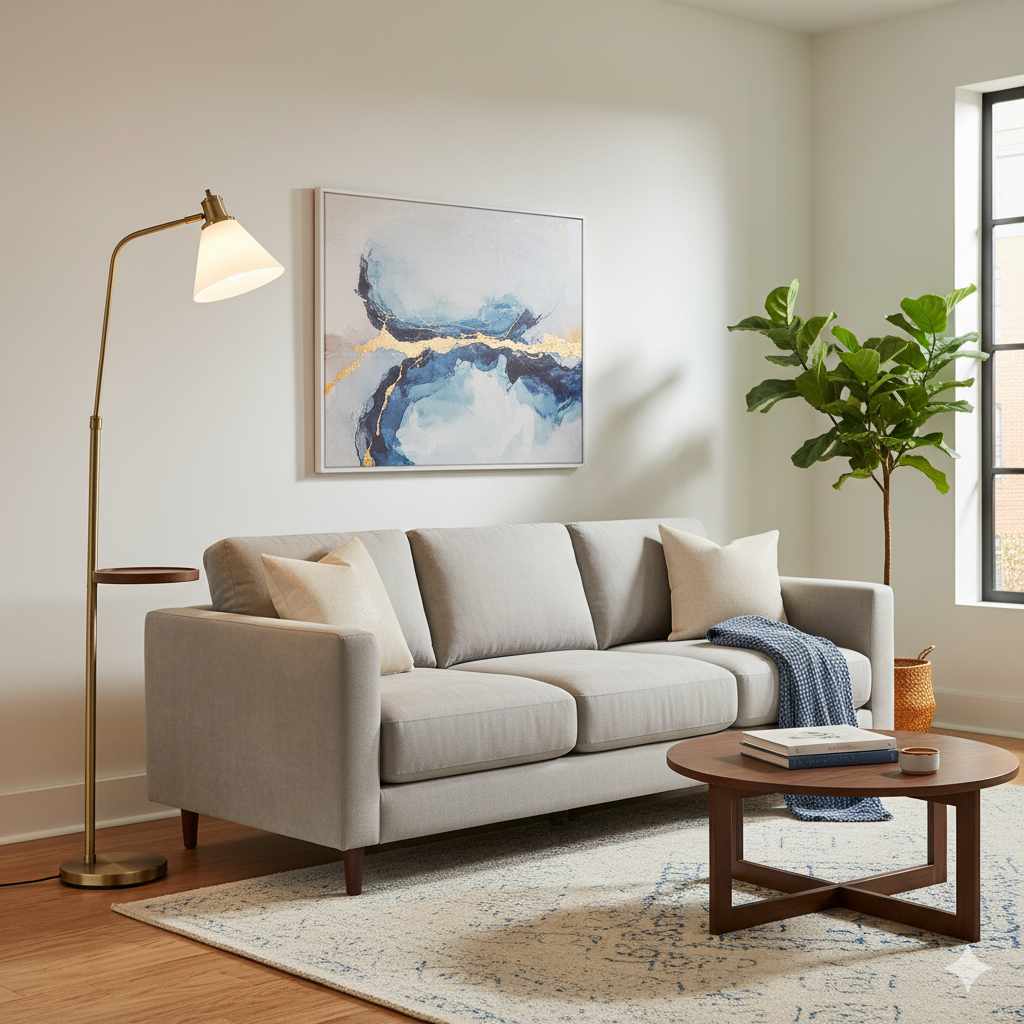
Torchiere floor lamps are a fantastic, space-saving way to brighten your living room. They cast light upwards, creating a soft, ambient glow that reduces glare and makes spaces feel larger and more inviting. This guide will help you choose the perfect torchiere for your home.
Finding the right lighting for your living room can sometimes feel like a puzzle. You want it to be bright enough to see, but cozy enough to relax in. That’s where a torchiere floor lamp shines! These lamps are designed to bounce light off your ceiling, creating a beautiful, diffused glow that’s easy on the eyes. They’re perfect for adding that extra layer of light without taking up much floor space. If you’ve ever felt a bit lost when it comes to choosing one, don’t worry! We’re going to walk through everything you need to know, step by step.
What Exactly is a Torchiere Floor Lamp?
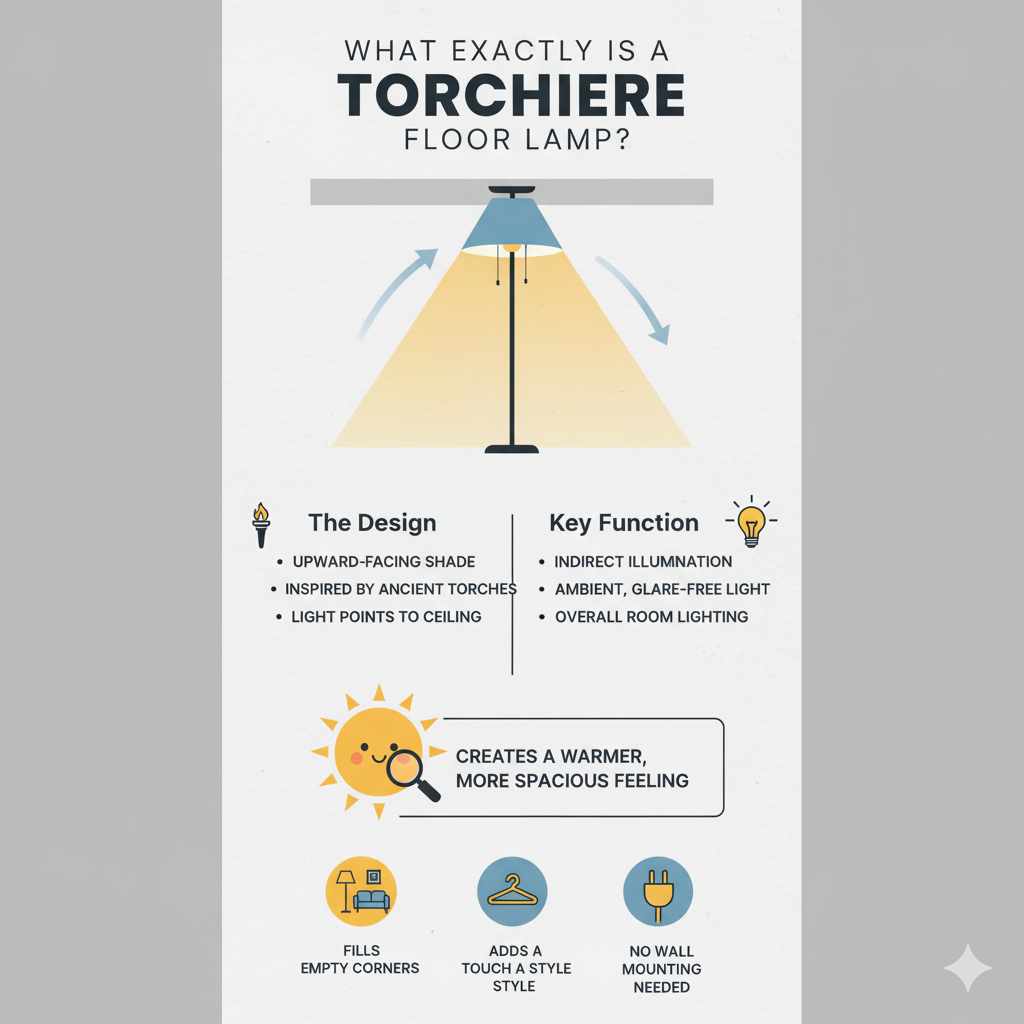
A torchiere floor lamp, often simply called a torchiere, is a type of floor lamp characterized by its upward-facing shade. The word “torchiere” itself comes from the French word for “torch,” which perfectly describes its design – a standing lamp with a light source pointing towards the ceiling. This design is key to its function: it illuminates the room indirectly by reflecting light off the ceiling and walls, creating a soft, ambient, and glare-free light. Unlike lamps that point light downwards, torchiere lamps are excellent for providing overall room illumination rather than task lighting.
Think of it like this: instead of shining a flashlight directly at something, you’re bouncing the light off a large white surface (your ceiling) to spread it out evenly. This makes your living room feel warmer and more spacious. They are a popular choice for living rooms because they can fill a corner, add a touch of style, and provide much-needed light without the need for wall-mounted fixtures.
Why Choose a Torchiere Lamp for Your Living Room?
Torchiere floor lamps offer a unique blend of style and function that makes them a superb addition to any living room. Their design is not just about aesthetics; it’s about creating a specific type of lighting environment.
Benefits of Torchiere Lamps:
- Ambient Lighting: Their primary function is to cast light upwards, which bounces off the ceiling to create a soft, diffused, and even glow throughout the room. This is perfect for creating a relaxing atmosphere.
- Space-Saving Design: Torchiere lamps have a relatively small footprint. Their tall, slender design means they can fit into corners or next to furniture without taking up much valuable floor space, making them ideal for smaller living rooms.
- Reduces Glare: Because the light is indirect, there’s no harsh glare directly in your eyes, which is great for watching TV or reading.
- Adds Height and Dimension: The verticality of a torchiere lamp can draw the eye upwards, making a room feel larger and more open.
- Stylish Versatility: They come in a vast array of styles, from modern and minimalist to traditional and ornate, allowing you to find one that perfectly complements your existing decor.
- Easy to Install: Most torchiere lamps require minimal assembly – usually just screwing the pole sections together and attaching the shade and base. No complex wiring or installation is needed, making them a great DIY-friendly option.
- Energy Efficiency: Many modern torchiere lamps are designed to work with LED bulbs, which are incredibly energy-efficient and long-lasting.
Types of Torchiere Floor Lamps
While the core concept of a torchiere lamp remains the same, there are variations in design and features that cater to different needs and preferences. Understanding these types can help you narrow down your choices.
Traditional Torchiere
These often feature classic materials like brushed brass, oil-rubbed bronze, or antique nickel. The shades might be made of frosted glass or a simple fabric. They evoke a sense of timeless elegance and are a great fit for more conventional living room styles.
Modern/Contemporary Torchiere
Modern designs lean towards clean lines, minimalist shapes, and materials like polished chrome, stainless steel, or even unique materials like concrete or acrylic. They often have sleek, geometric shades or sometimes no shade at all, with the bulb itself being a design element. These are perfect for contemporary or minimalist living rooms.
Adjustable/Swing-Arm Torchiere
Some torchiere lamps include an adjustable arm or head. While the main light still points upwards, these offer a bit more flexibility. You might be able to angle the light slightly or, in some cases, direct a small portion of the light downwards for a bit of task lighting, though this is less common for true torchieres.
Smart Torchiere Lamps
These are the tech-savvy option. Smart torchiere lamps can be controlled via a smartphone app, voice assistants (like Alexa or Google Assistant), and often offer features like dimming, color temperature adjustment (warm white to cool white), and scheduling. They can also integrate with other smart home devices.
Torchiere Lamps with Reading Lights
A popular variation includes a secondary, often adjustable, reading light located lower down on the pole. This combines the ambient lighting of a torchiere with the functionality of a dedicated reading lamp, offering a complete lighting solution in one fixture.
Key Features to Consider When Buying
When you’re ready to pick out your torchiere floor lamp, there are several important features to keep in mind to ensure you get the best fit for your living room and your needs.
Material and Finish
The material and finish of the lamp’s base and pole should complement your existing furniture and decor. Common finishes include:
- Brushed Nickel/Satin Nickel: A popular, versatile finish that works well with many decor styles.
- Polished Chrome: Offers a bright, reflective, and modern look.
- Oil-Rubbed Bronze: A darker, richer finish that adds warmth and can lean traditional or transitional.
- Black/White: Classic and adaptable, suitable for modern or minimalist spaces.
- Brass/Gold Tones: Can add a touch of elegance or a retro feel, depending on the shade and style.
The material of the shade is also important. Frosted glass is common for diffusing light, while fabric shades can add texture and warmth.
Size and Height
Consider the scale of your living room and the placement of the lamp. A standard torchiere is typically between 5 to 6 feet tall. Make sure it’s tall enough to direct light effectively over your furniture but not so tall that it feels overpowering or obstructs views. The base size is also crucial; ensure it’s stable and won’t be a tripping hazard.
Bulb Type and Wattage
Most modern torchiere lamps use standard screw-in bulbs (E26 base in North America). Consider the type of bulb:
- LED: Highly recommended for their energy efficiency, long lifespan, and variety of color temperatures.
- Incandescent: Less energy-efficient and produce more heat, but offer a warm, familiar light.
- Halogen: Brighter than incandescent but still less efficient than LED.
Check the maximum wattage the lamp can support. For ambient lighting, a bulb around 800-1100 lumens (equivalent to a 60-75W incandescent) is often sufficient, but you can go higher for brighter rooms or use a dimmer. A cooler color temperature (around 4000K-5000K) can make a room feel brighter and more modern, while a warmer temperature (around 2700K-3000K) creates a cozier, more traditional feel. You can learn more about light bulb color temperatures from resources like Energy.gov’s guide to light bulbs.
Switch Type
The switch is how you’ll interact with the lamp daily. Common types include:
- Foot Switch: Often located on the cord, allowing you to turn the lamp on/off with your foot. Very convenient when your hands are full.
- Rotary Switch: A knob on the pole that you twist to turn the light on/off and often to adjust brightness.
- Pull Chain: A classic switch where you pull a chain to cycle through settings.
- Touch Controls: Found on some modern lamps, allowing you to tap the base or pole to control the light.
- Remote Control/App Control: For smart lamps, controlling the light remotely.
Dimmer Functionality
A built-in dimmer is a fantastic feature. It allows you to adjust the light intensity to suit the mood or activity, whether you need bright light for cleaning or a soft glow for a movie night. Some lamps come with dimmers, while others can be used with dimmer-compatible bulbs and a separate dimmer switch on the cord.
Stability and Safety
A torchiere lamp needs a sturdy base to prevent tipping. Look for a base that is wide and heavy enough for the lamp’s height. Ensure the electrical cord is safely routed and doesn’t pose a tripping hazard. For households with children or pets, a more stable, heavier base is particularly important.
How to Choose the Right Torchiere for Your Living Room Style
Your living room’s style is a big clue in picking the perfect torchiere. Let’s match some common styles to lamp designs.
For a Modern Living Room
Think sleek lines, minimalist furniture, and a neutral color palette. A torchiere with a polished chrome or brushed nickel finish, a simple geometric shade, or even an open design with exposed bulbs would fit right in. Look for lamps with clean, unfussy silhouettes.
For a Traditional Living Room
If your room has classic furniture, rich fabrics, and warmer tones, opt for a torchiere with an oil-rubbed bronze, antique brass, or brushed gold finish. A frosted glass shade or a fabric empire shade would enhance the traditional feel. A torchiere with a more ornate pole or base can also add to the classic charm.
For a Transitional Living Room
Transitional style blends modern and traditional elements. A torchiere in a versatile finish like brushed nickel or a matte black, with a simple yet elegant shade (like frosted glass or a subtle fabric), can bridge the gap beautifully. The key is balance – not too ornate, not too stark.
For a Farmhouse or Rustic Living Room
Consider finishes like matte black, brushed bronze, or even distressed wood accents. A torchiere with a slightly more industrial feel or a simple, sturdy design could work well. Avoid overly polished or sleek designs.
For a Bohemian Living Room
Boho style is all about eclecticism and warmth. A torchiere with a unique material, a textured shade (like woven rattan or patterned fabric), or even a pop of color could be a fantastic choice. The key is to embrace individuality.
Where to Place Your Torchiere Lamp
The placement of your torchiere lamp can dramatically affect the ambiance and functionality of your living room. Here are some prime spots:
In a Corner
This is perhaps the most classic placement. A torchiere in an empty corner can fill the space with light, making the room feel larger and more inviting. It draws the eye upwards and prevents corners from feeling dark and neglected.
Next to a Sofa or Armchair
Place a torchiere next to your favorite reading spot. While its primary function is ambient light, the upward glow can still provide enough general illumination to make the area comfortable for reading without needing a separate task lamp, especially if the room is otherwise dimly lit.
Behind a Large Plant or Piece of Furniture
Positioning a torchiere behind a tall plant or the edge of a large piece of furniture can create a soft, layered lighting effect. The light will spill out and gently illuminate the surrounding area, adding depth and visual interest.
To Balance Other Light Sources
If your living room has a main overhead light or several table lamps, a torchiere can help balance the illumination. It adds a different quality of light and can fill in any shadowed areas, ensuring the room feels evenly lit.
Near Artwork or Architectural Features
While not direct accent lighting, the upward glow from a torchiere can subtly highlight ceiling details or the tops of walls, drawing attention to the room’s architecture.
Setting Up Your Torchiere Lamp: A Simple Guide
Setting up a torchiere floor lamp is usually a straightforward DIY task. Most lamps come with clear instructions, but here’s a general step-by-step process:
Tools You Might Need:
- Phillips head screwdriver (sometimes)
- Pliers (rarely, if a nut is stubborn)
- A soft cloth or towel to protect surfaces
Step-by-Step Setup:
- Unpack Carefully: Lay out all the parts on a soft surface like a rug or towel to avoid scratches. Check that you have all the pieces listed in the manual.
- Assemble the Pole: Torchiere lamp poles usually come in sections that screw together. Start with the base and screw the first pole section onto it. Then, screw the next section onto the first, and so on, until you reach the top. Ensure each section is tightened securely.
- Attach the Lamp Holder/Socket: The socket where the bulb goes usually screws onto the top pole section. Make sure it’s attached firmly and straight.
- Install the Shade: Most torchiere shades simply rest on top of the socket or are secured with a finial (a decorative cap) that screws onto the top of the socket. Follow your lamp’s specific instructions for this step. If it has a finial, screw it on gently but firmly.
- Insert the Bulb: Choose an appropriate bulb (LED is recommended for efficiency and longevity) and screw it into the socket. Do not exceed the maximum wattage specified by the manufacturer.
- Position the Lamp: Move the assembled lamp to its desired location. Ensure the cord is routed safely away from walkways to prevent tripping.
- Plug In and Test: Plug the lamp into a working electrical outlet and test the switch. If it has a dimmer, test its functionality.
Safety Tip: Always ensure the lamp is unplugged before assembling or changing the bulb. If any part feels loose or unstable, double-check the assembly steps.
Maintenance and Care for Your Torchiere Lamp
Keeping your torchiere lamp in good condition will ensure it brightens your living room for years to come. Maintenance is generally very simple.
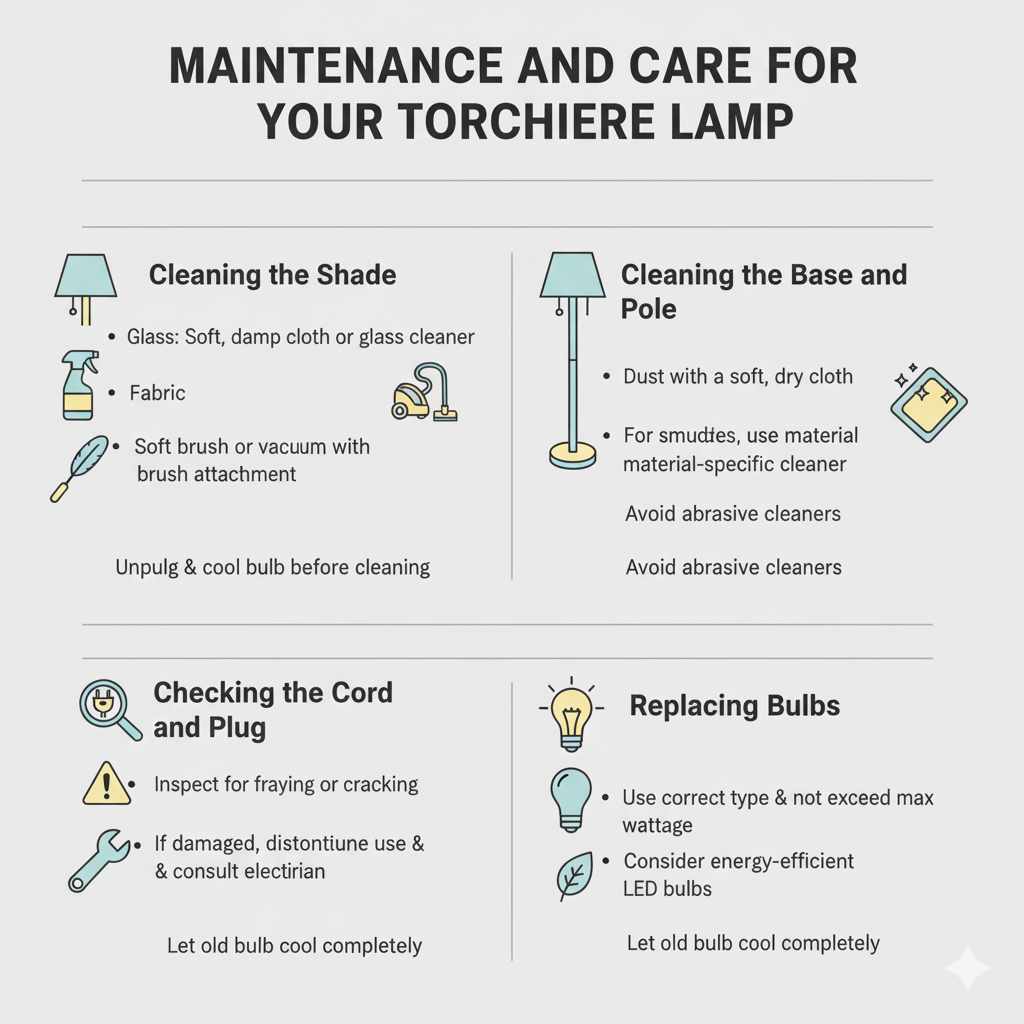
Cleaning the Shade
For glass shades, a soft, damp cloth or a glass cleaner (applied to the cloth, not directly to the shade) works well. For fabric shades, a soft brush or a vacuum cleaner with a brush attachment can remove dust. Always ensure the lamp is unplugged and the bulb is cool before cleaning.
Cleaning the Base and Pole
Use a soft, dry cloth to dust the metal or other materials. For smudges or fingerprints on metal finishes, you can use a cleaner specifically designed for that material (e.g., stainless steel cleaner, brass polish) or a slightly damp cloth followed by a dry one. Avoid abrasive cleaners, as they can scratch the finish.
Checking the Cord and Plug
Periodically inspect the electrical cord and plug for any signs of damage, such as fraying or cracking. If you notice any damage, discontinue use immediately and have the cord repaired or replaced by a qualified electrician.
Replacing Bulbs
When a bulb needs replacing, ensure you use one that is the correct type and does not exceed the lamp’s maximum wattage. It’s a great opportunity to switch to more energy-efficient LED bulbs if you haven’t already. Remember to let the old bulb cool completely before removing it.
Torchiere Lamps vs. Other Living Room Lighting
How does a torchiere stack up against other common living room lighting options? Let’s compare.
| Lighting Type | Pros | Cons | Best For |
|---|---|---|---|
| Torchiere Floor Lamp | Ambient lighting, space-saving, reduces glare, adds height, stylish. | Not ideal for focused task lighting, can be tip-prone if base is small, light depends on ceiling height/color. | Overall room ambiance, filling corners, general illumination. |
| Table Lamps | Provide task lighting, decorative element, easy to move, variety of styles. | Take up surface space, can create shadows if not placed well, may require more lamps for full room coverage. | Reading nooks, accent lighting, bedside tables, adding decorative touches. |
| Floor Lamps (non-torchiere) | Can provide directed light (e.g., arc lamps, pharmacy lamps), decorative. | Can be bulkier, may require specific placement for optimal light. | Reading over a chair, illuminating specific areas, adding style. |
| Overhead Lighting (Ceiling Fixtures) | Provides primary room illumination, can be a focal point. | Can be harsh and create shadows, installation is more involved, less flexible. | General room brightness, main light source. |
| Wall Sconces | Space-saving on floor, can provide ambient or task light, architectural element. | Requires electrical work/installation, less flexible placement, can be costly to install. | Hallways, accenting walls, providing ambient light without floor/table clutter. |
As you can see, torchiere lamps excel at creating a comfortable, ambient glow that makes a living room feel welcoming. They are a fantastic complementary light source, often working best in conjunction with other types of lighting to achieve a well-rounded lighting scheme. For instance, you might use a torchiere for general ambiance, a table lamp next to a sofa for reading, and an overhead light for brighter tasks.
Frequently Asked Questions (FAQs)
Q1: How bright is a torchiere lamp?
A1: The brightness depends on the bulb used. Torchiere lamps typically use standard bulbs (often up to 100W incandescent equivalent, or around 1500 lumens for LED). Since the light is diffused and bounced off the ceiling, it provides general ambient light rather than intense brightness. For a medium-sized living room, a torchiere with a 1000-lumen LED bulb is often sufficient for ambiance.
Q2: Can a torchiere lamp be used as the only light source in a living room?
A2: It can be, especially in smaller rooms or if you prefer a very soft, dim atmosphere. However, for most living rooms, a torchiere is best used as part of a layered lighting plan. It provides excellent ambient light but might not be bright enough for tasks like reading or detailed work. Combining it with a table lamp or an overhead fixture usually creates a more functional and comfortable space.
Q3: What kind of bulbs should I use in a torchiere lamp?
A3: LED bulbs are highly recommended. They are energy-efficient, long-lasting, and come in various color temperatures (warm white for cozy, cool white for brighter). Ensure the bulb base matches the lamp socket (usually E26 in North America) and that the wattage or lumen output does not exceed the lamp’s maximum recommended limit. Always check the lamp’s specifications.
Q4: Are torchiere lamps safe for homes with children or pets?
A4: Torchiere lamps can be safe, but extra caution is advised. Ensure the lamp has a stable, heavy base to prevent tipping. Keep the electrical cord tidy and out of reach to avoid tripping hazards or chewing. Some lamps come with anti-tip hardware, which can be a good safety feature.
Q5: How do I clean a torchiere lamp?
A5: Always unplug the lamp and let it cool down. For glass shades, use a soft, damp cloth or a glass cleaner sprayed onto the cloth. For fabric shades, gently dust with a soft brush or use a vacuum cleaner with an upholstery attachment. Wipe down the pole and base with a soft, dry cloth; use appropriate metal polish if needed for the finish.
Q6: What is the difference between a torchiere and an arc lamp?
A6: A torchiere lamp has an upward-facing shade that bounces light off the ceiling for ambient lighting. An arc lamp typically has a curved arm that extends over a seating area, directing light downwards for task or reading light. While both are floor lamps, their primary function and light direction differ significantly.
Conclusion
Torchiere floor lamps are a remarkably versatile and stylish lighting solution for any living room. They offer a simple yet effective way to bathe your space in soft, ambient light, making it feel more welcoming and spacious. From their ability to save precious floor space to their role in reducing glare and enhancing decor, the benefits are clear.
By considering the type of torchiere that best suits your living room’s aesthetic, paying attention to key features like material, size, and bulb type, and understanding where to place it for maximum impact, you can transform your living area into a beautifully illuminated sanctuary. Setting one up is usually a breeze, and with a little care, your torchiere will be a reliable source of warm light for years to come. So, go ahead and embrace the gentle glow – your living room will thank you for it!