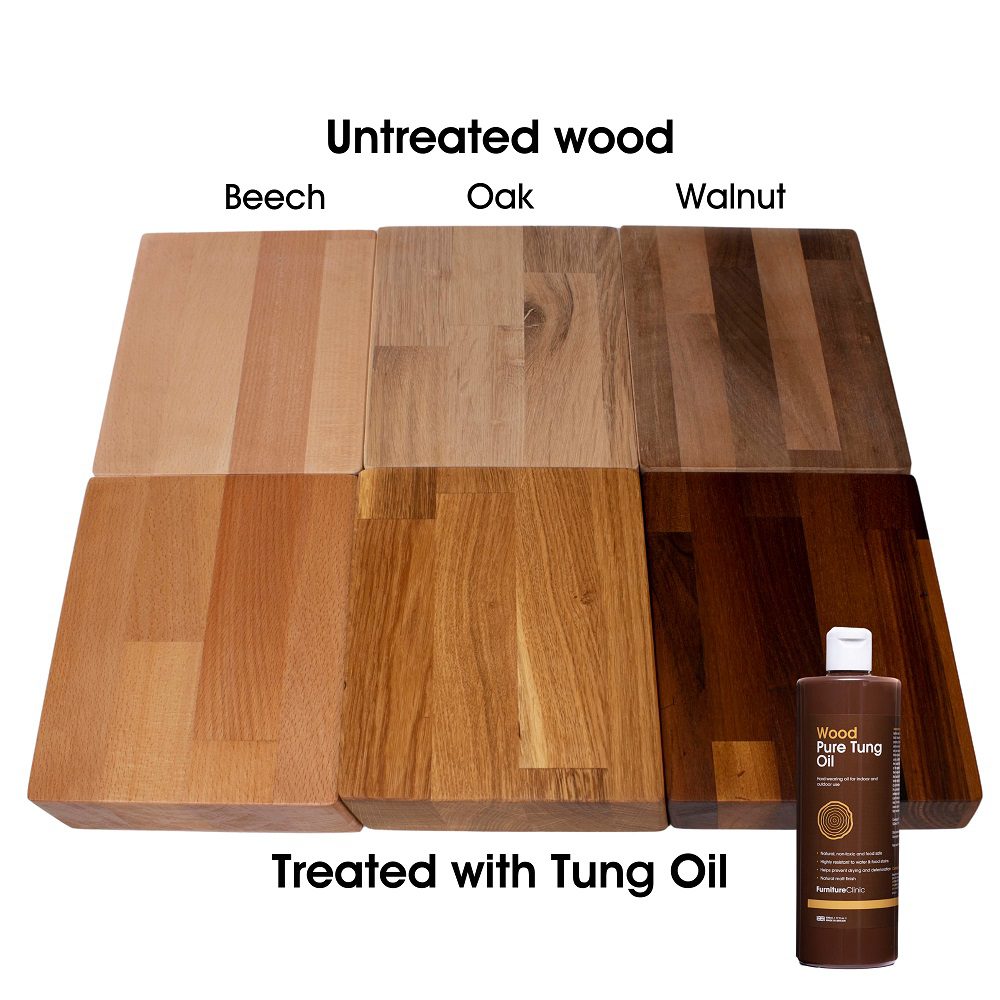
Tung Oil Vs Mineral Oil: Which is Best for Wood Finish?
Are you trying to decide between tung oil and mineral oil for your next woodworking or home project? You’re not alone.
With so many finishes available, choosing the right one can feel overwhelming. But don’t worry, you’re in the right place. Understanding the differences between these two oils can save you time, money, and even ensure the longevity of your treasured pieces.
What if you could easily enhance the beauty and durability of your woodwork with just a few simple choices? You’ll discover the unique benefits of each oil, and by the end, you’ll know exactly which one is the perfect match for your needs. Keep reading to unlock the secrets of these oils and transform your projects from ordinary to extraordinary.
Tung Oil Characteristics
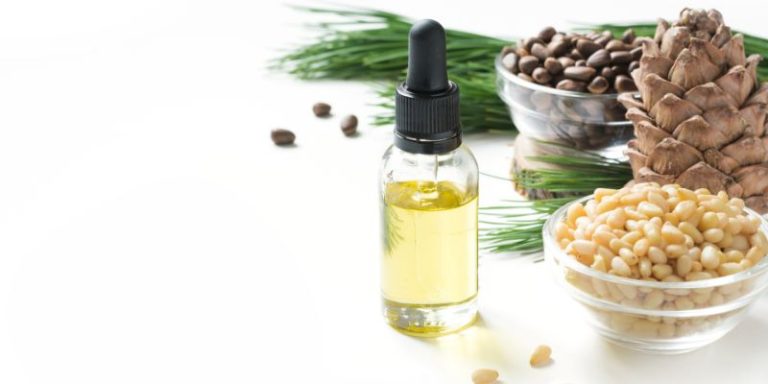
Tung oil comes from the seeds of the tung tree. This oil is naturaland safe. It is not made from chemicals. Many people like its organicnature.
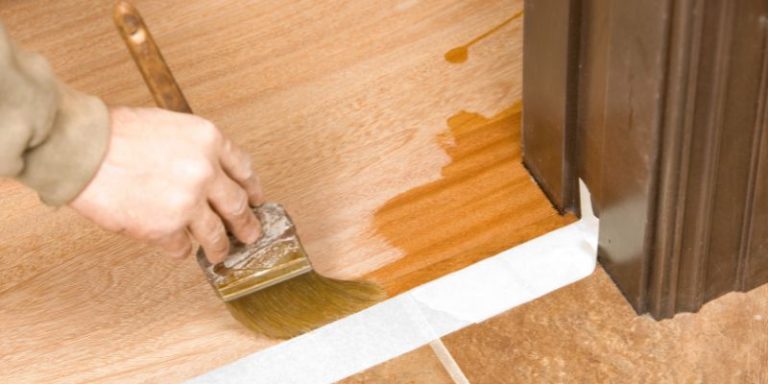
Applying tung oil is easy. First, clean the surface. Then, rub the oil with a cloth. Let it dry for a day. Apply more coats for a better finish. It needs multiplecoats for best results.
Tung oil gives a warm, shinylook. The surface looks smooth and rich. Wood shines beautifully with tung oil. The finish is clearand glossy.
Tung oil protects wood from water. It makes wood last longer. The oil forms a hard layer. This layer is strong against scratches. Tung oil is long-lasting.
Mineral Oil Characteristics
Mineral oil is a synthetic product. It is made from petroleum. This means it is not natural. It is made in factories. Companies produce it in large amounts. This makes it easy to buy. Mineral oil is clear and does not smell. It is used for many things.
Using mineral oil is very simple. It is ready to use from the bottle. You do not need to mix or change it. Just pour it on a cloth. Then rub it on the surface. It does not take much time. Even kids can help with it.
Mineral oil gives a shiny look. It makes surfaces look clean. But it does not change the color. It stays clear. So, the original color stays the same. This is why people like it for tables and counters.
Mineral oil protects surfaces. It stops water from entering. This keeps surfaces dry. It also stops dust from sticking. But it needs regular use. Apply it often for the best results. This keeps surfaces looking new.
Comparison Of Application Techniques
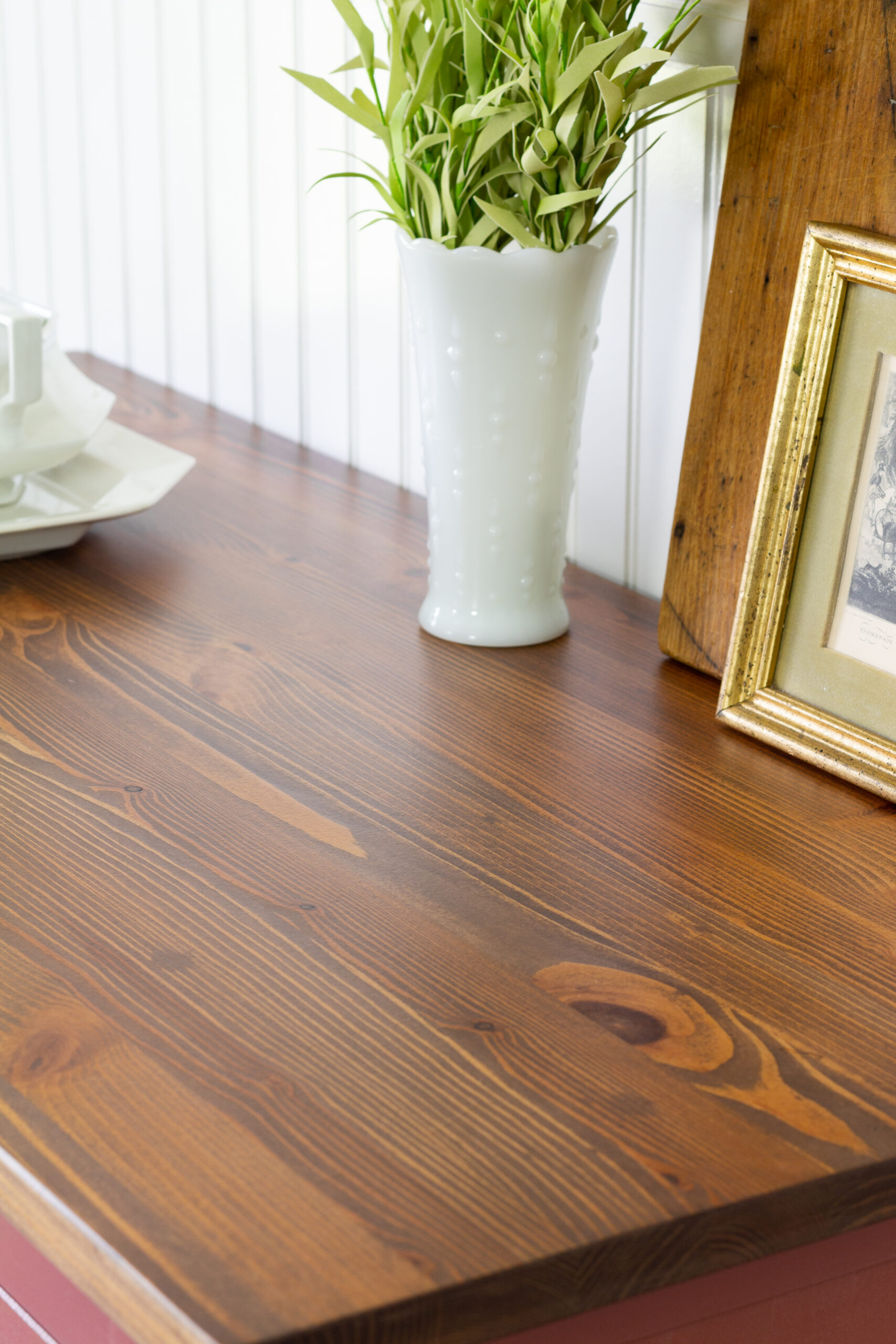
Both oils need a clean surface before use. Tung oil requires more sanding. This is to ensure it soaks in well. Mineral oil needs less work. Just ensure the surface is dust-free. A cloth or brush can be used for both. Always work in a dry place.
Tung oil takes longer to dry. Sometimes over 24 hours. It forms a hard finish. Mineral oil dries faster. Only a few hours. But it remains soft and oily. This means more frequent reapplication is needed.
Tung oil requires multiple coats. Often three to five layers. Each coat must dry before adding another. Mineral oil needs fewer coats. Usually, one or two are enough. But regular upkeep is necessary. Reapply every few weeks to maintain shine.
Credit: fusionmineralpaint.com
Finish And Aesthetic Differences
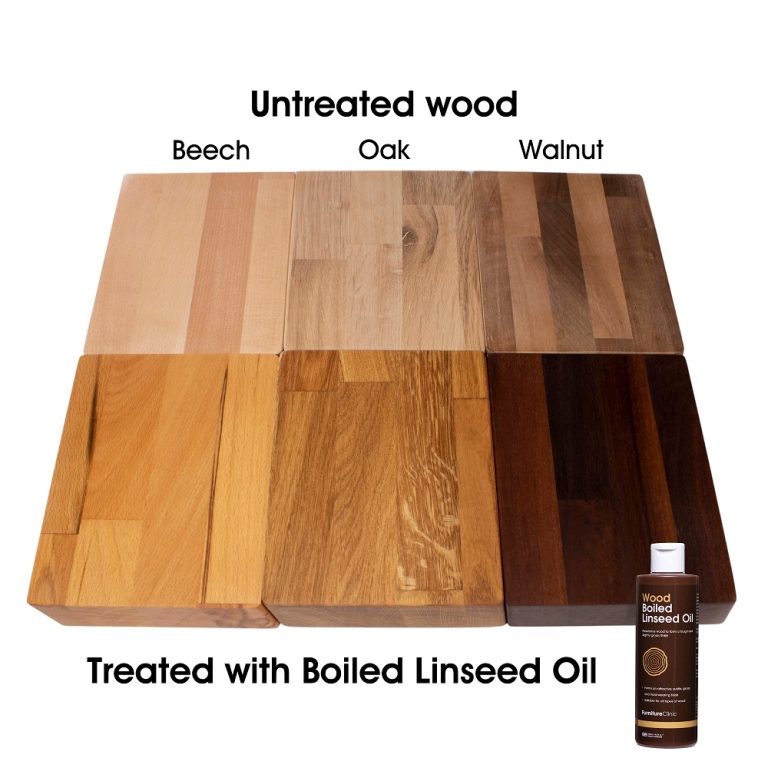
Tung oil gives a warm, rich color. It makes wood look bright. Mineral oil is clear. It keeps the wood’s natural color. This oil does not change the wood’s hue much. Both oils make wood beautiful in their own way.
Tung oil adds a smooth feel. It creates a soft sheen on the surface. This oil feels silky. Mineral oil feels slick and not sticky. It gives a matte finish. Both oils feel nice to touch.
Tung oil lasts longer on wood. It forms a strong layer. This layer protects the wood. Mineral oil needs reapplying often. It is good for quick touch-ups. Choose based on how long you want the finish to last.
Safety And Environmental Impact
Tung oil is made from nuts. It’s safe for skin. Mineral oil comes from petroleum. It’s safe too. But, some think it may cause issues. Always check if you are allergic to oils. Choose what suits you best.
Tung oil is natural. It comes from plants. It’s good for the earth. Mineral oil is from the ground. It is not as green. People like eco-friendly choices. Think about nature when picking.
Tung oil does not smell strong. It’s good for indoor air. Mineral oil is similar. Both are safe to use. Keep a window open if you worry. Good air helps us stay well.

Credit: www.youtube.com
Cost And Availability
Tung oil usually costs more and is harder to find compared to mineral oil. Mineral oil is widely available in most stores and is budget-friendly, making it a popular choice for many.
Price Comparison
Tung oil often costs more than mineral oil. Tung oil comes from a tree. Mineral oil is made from petroleum. Many people find mineral oil cheaper. For large projects, mineral oil can save money. Tung oil has a higher price but it lasts longer.
Market Accessibility
Mineral oil is easy to find in stores. Tung oil is less common. Many hardware stores sell mineral oil. Tung oil might need online shopping. Some people use mineral oil for kitchen items. Tung oil is often used for furniture.
Long-term Investment
Tung oil lasts longer on wood. Mineral oil needs frequent reapplication. Tung oil protects wood well. Mineral oil is best for short-term use. Some prefer tung oil for furniture. Others choose mineral oil for cutting boards.
Best Use Cases
Tung oil offers a natural finish for wood surfaces, providing durability and water resistance. Mineral oil excels in kitchen use, particularly for cutting boards and utensils, due to its food-safe properties. Each oil serves unique purposes, catering to different needs and preferences.
Indoor Furniture
Tung oilcreates a warm, rich finish on wood. It enhances grain and texture. This oil is perfect for tables and chairs. It protects against water and spills. Mineral oilis more basic. It adds shine but little protection. Ideal for cutting boards and kitchen tools. Not great for high-traffic areas.
Outdoor Applications
Tung oilis more durable outdoors. It resists rain and sun damage. Good for patio furniture and decks. Mineral oillacks weather resistance. It washes away in rain. Better for indoor use. Not recommended for outdoor projects.
Specialty Projects
Tung oilsuits art pieces and musical instruments. It highlights intricate designs. Long-lasting and water-resistant. Mineral oilis less protective. Suitable for non-sensitive items. Use for simple wood crafts. Choose tung for delicate pieces.
Expert Recommendations
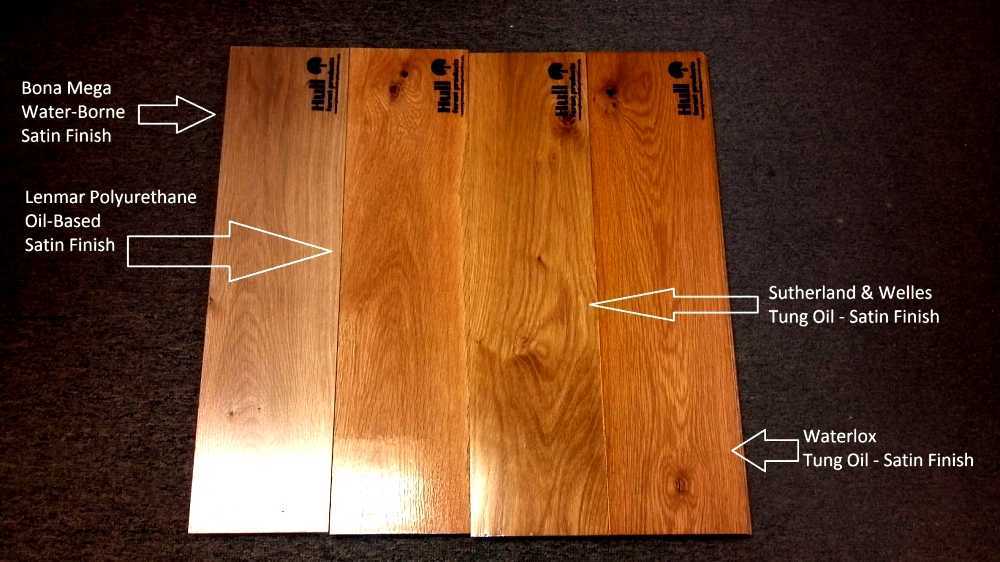
Tung oil and mineral oil have different uses. Tung oil is great for wood finishing. It gives a hard, water-resistant surface. Mineral oil is often used for cutting boards. It’s safe for food-contact surfaces. Experts like tung oil for furniture. It enhances the wood grain beautifully. Mineral oil is easy to apply. It doesn’t change the wood color. Choose the oil based on your project needs.
People sometimes apply too much oil. This can make surfaces sticky. Tung oil needs time to dry. Rushing can ruin the finish. Mineral oil requires regular reapplication. Forgetting can lead to dry wood. Both oils need proper ventilation. Using them in closed spaces can be harmful. Read instructions carefully to avoid mistakes.
Clean the wood before applying oil. Use a soft cloth for application. Apply thin layers of tung oil for better results. Let each layer dry completely. Mineral oil needs a generous coat. Rub it in well. Keep your work area dust-free. Dust can ruin the finish. Store oils in a cool place. Heat can damage them.
Credit: carvingcentral.com
Frequently Asked Questions
What Is Tung Oil Used For?
Tung oil is primarily used for wood finishing. It provides a durable, waterproof surface that enhances the natural beauty of wood. It’s ideal for furniture, flooring, and kitchen items due to its protective properties. Tung oil also resists scratches and wear, making it a popular choice for high-traffic areas.
Is Mineral Oil Safe For Food Contact?
Yes, mineral oil is safe for food contact. It’s commonly used on butcher blocks and cutting boards. This non-toxic oil helps maintain wood surfaces and prevents drying. Mineral oil is also used in cosmetics and pharmaceuticals, indicating its safety for skin contact and ingestion in small amounts.
How Long Does Tung Oil Take To Dry?
Tung oil typically takes 24 to 48 hours to dry. The drying time depends on the application thickness and environmental conditions. Multiple coats may be required for optimal protection and finish. Ensure proper ventilation during application to speed up the drying process and achieve the desired finish.
Can Mineral Oil Prevent Wood Cracking?
Yes, mineral oil can prevent wood cracking. It penetrates the wood, keeping it moisturized and flexible. Regular application helps maintain wood integrity and prevents drying out. This is especially important in dry climates. Mineral oil is ideal for maintaining wooden kitchen tools and surfaces prone to cracking.
Conclusion
Choosing between tung oil and mineral oil depends on your needs. Tung oil gives a natural, glossy finish. It is great for wooden surfaces. Mineral oil is often used for kitchen items. It is food-safe and easy to apply. Both oils have pros and cons.
Consider your project type and desired outcome. Tung oil offers durability and a rich look. Mineral oil is affordable and simple to maintain. Think about the wood type and use. Make your choice based on what fits best. Remember, each oil serves different purposes.
Choose wisely for the best results.