Varnish Vs Stain: Choosing the Right Finish
Are you planning to refresh your wooden furniture or flooring, but can’t decide between varnish and stain? You’re not alone.
Choosing the right finish can be tricky, especially when both options offer distinct benefits. Varnish and stain might seem similar at first glance, but they serve different purposes and can dramatically change the look and durability of your wood surfaces.
We’ll break down the differences between varnish and stain, helping you make an informed decision that perfectly suits your project needs. By understanding the unique advantages of each, you’ll be equipped to bring out the best in your woodwork. Stay with us to discover which option aligns with your vision and transforms your space beautifully.

Credit: abutterflyhouse.com
Varnish Basics
Varnish is a clear liquid. It is applied on wood surfaces. It protects and adds shine. It contains resins, oils, and solvents. Resins give the varnish its hardness. Oils provide flexibility. Solvents help it spread easily. Once applied, varnish dries into a hard layer. This layer is durable and water-resistant. It enhances the natural look of wood. Varnish is available in gloss, semi-gloss, and matte finishes.
| Type | Characteristics |
|---|---|
| Oil-based | Long drying time, strong protection |
| Water-based | Quick drying, low odor |
| Polyurethane | Very durable, resistant to scratches |
| Spar varnish | Ideal for outdoor use, weather-resistant |

Credit: www.reddit.com
Stain Fundamentals
Choosing between varnish and stain depends on your wood protection needs. Varnish offers a glossy, protective finish, while stain penetrates and enhances natural wood color. Each has unique benefits, making them ideal for different projects. Understanding their differences helps in selecting the right option for your woodwork.
Composition And Characteristics
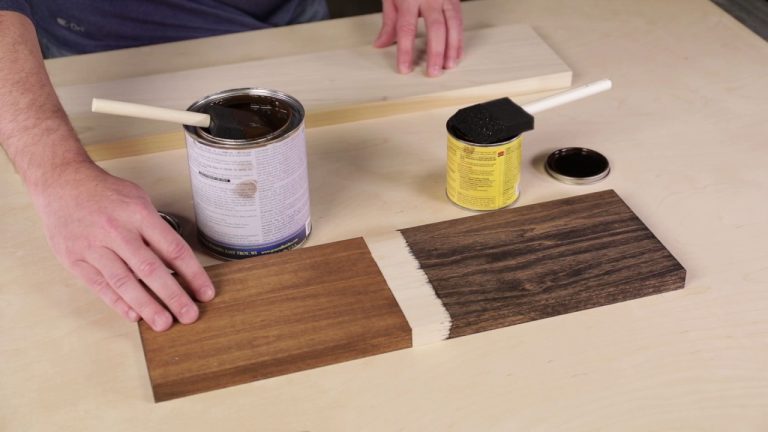
Stains are used to color wood. They consist of pigments and dyesmixed with a solvent. The solvent can be water or oil. Stains are thin and penetrate wood surfaces. They highlight wood’s natural grain. Different stains offer various colors and shades. Some stains dry quickly, others take time. Choose the right one for your project.
Types Of Stain
There are many types of stains. Water-based stainsdry fast and have less smell. They are easy to clean with water. Oil-based stainsgive rich colors. They dry slower and need mineral spirits for cleaning. Gel stainsare thick and do not drip. They work well on vertical surfaces. Lacquer stainsdry quickly and are durable. Picking the right stain depends on the project needs.
Application Techniques
Clean the wood before applying varnish or stain. Dirt and dust can ruin the finish. Use a damp cloth to wipe the wood. Let it dry fully before starting. Sand the wood for a smooth surface. Start with coarse sandpaper. Move to finer grit for a polished feel.
Check for any old paint or finish. Use a scraper to remove it if needed. A clean and smooth base helps the varnish or stain stick better. Apply a wood conditioner for even absorption. Especially on soft woods like pine. Always test on a small area first.
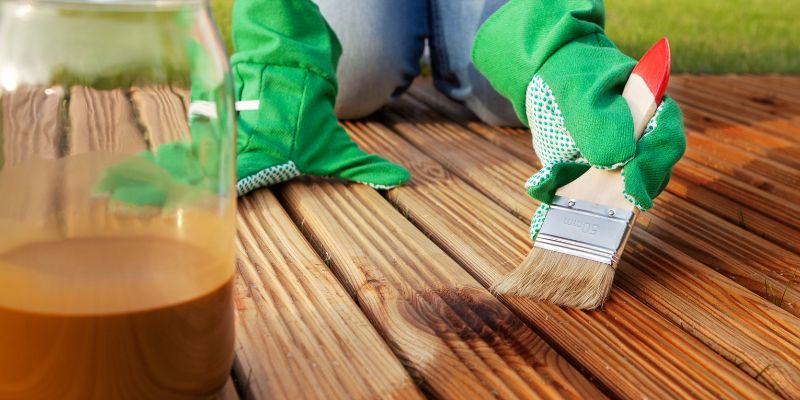
Use a brush or a cloth for application. Brushes work well for varnish. Choose a natural bristle brush for best results. For stain, a cloth gives better control. Apply in thin layers. Let each layer dry before adding more. This prevents drips and runs.
Keep stirring the stain or varnish. This ensures the color stays even. Avoid shaking the can. It creates bubbles that may appear on the wood. Follow the grain of the wood while applying. This ensures a natural look. Always wear gloves to protect your hands.
Durability And Maintenance
Varnish is very strong. It protects wood from scratches. It lasts for many years. You do not need to reapply often. It makes wood look shiny. This coating is tough and clear. Perfect for outdoor furniture.
Stain goes deep into the wood. It colors the wood very well. It does not protect as much as varnish. Needs reapplication more often. Helps wood look natural. Best for indoor use. Keeps wood looking fresh.
- Clean spills quickly.
- Use soft cloths to clean.
- Reapply stain yearly.
- Check varnish every few years.
- Avoid harsh chemicals.
Aesthetic Considerations
Varnish and stain offer different looks. Varnish gives a clear and shiny finish. It shows the natural wood. Stain adds color to wood. It can be light or dark. The wood’s look changes with stain. Choose based on your style.
Varnish keeps the wood grain clear. It enhances the natural pattern. Stain can hide some grain details. Darker stains make grains less visible. Some people prefer this. Others like the clear grain of varnish. Both have their own beauty.
Environmental Impact
Varnish and stain both can affect the environment. Varnish often contains more chemicals. These can harm nature. Stain usually has fewer chemicals. This makes it more eco-friendly. Always check product labels. Look for words like “non-toxic” and “water-based”. These are better for the earth. Some stains use natural ingredients. These are the best choice.
Safety is very important with varnish and stain. Varnish can release fumes. These fumes are not good to breathe. Use it in open areas. Stain also has some fumes. But, usually, it’s less harmful. Wear masks and gloves when using them. Keep them away from children and pets. Always read and follow safety instructions. This helps to stay safe.
Cost Comparison
Varnish and stain differ in cost, with varnish often being pricier due to its durability and glossy finish. Stain is typically more affordable, offering a natural look while emphasizing wood grain. Choosing between them depends on budget and desired finish quality.
Initial Costs
Varnish costs are usually higher than stain. You pay for quality. Varnish needs more layers. More layers mean more cost. Stain is simpler. It needs fewer layers. You save money with fewer layers.
Long-term Value
Varnish lasts longer. It keeps wood safe from damage. You save money over time. Stain needs touch-ups. Touch-ups cost money. Varnish gives better long-term value. It saves money with fewer repairs.
Choosing The Right Finish
Different projects need different finishes. Varnish protects wood from scratches and water. It makes surfaces shiny. Stain colors the wood. It shows the natural wood grain.
Varnish is good for outdoor furniture. It lasts long under the sun. Stain is better for indoor projects. It gives a warm feel.
Everyone has their own taste. Some people love shiny surfaces. Varnish gives that shiny look. Others like natural look. Stain shows the wood’s true color.
Think about where you use the item. Varnish is perfect for tables. Stain works well on cabinets. Choose what feels right for you.
Frequently Asked Questions
What Is The Difference Between Varnish And Stain?
Varnish is a clear protective finish applied to wood surfaces, enhancing durability and gloss. Stain, however, adds color to wood while highlighting its natural grain. Varnish offers a glossy look, whereas stain provides a matte finish. Choosing between them depends on desired appearance and protection level.
Can Stain Be Used Over Varnish?
Stain generally doesn’t adhere well to varnished surfaces. Varnish creates a seal that prevents stain absorption into the wood. To apply stain over varnish, first strip the varnish or sand the surface. This ensures better penetration of the stain, resulting in a uniform color finish.
Is Varnish More Durable Than Stain?
Varnish typically offers more durability than stain. It forms a protective layer against scratches, moisture, and UV damage. Stain penetrates wood, providing color but less protection. For high-traffic or outdoor areas, varnish is preferable. It offers longevity and enhanced resistance compared to stain.
Does Stain Require A Topcoat?
Yes, stain generally requires a topcoat for optimal protection. Without it, the stain can fade or deteriorate over time. Applying a topcoat like varnish or polyurethane enhances durability, moisture resistance, and longevity. This ensures the stained wood maintains its appearance and remains protected.
Conclusion
Choosing between varnish and stain depends on your project’s needs. Varnish offers strong protection. It gives a glossy finish. Stain enhances wood’s natural beauty. It penetrates deeply into the grain. Both have unique benefits. Consider durability and appearance. Outdoor projects might need varnish.
Indoor furniture often benefits from stain. Think about maintenance requirements too. Varnish can be easier to clean. Stain may need more upkeep over time. Evaluate your priorities. Make a decision based on your goals. Both options can enrich wood beautifully.
Your choice will reflect your style and practical needs.