Water Based Vs Oil Based Polyurethane: Which Is Better?
When it comes to protecting your wooden floors or furniture, choosing the right finish is crucial. You might find yourself torn between water-based and oil-based polyurethane.
Which one should you choose? Each option has its own set of advantages and drawbacks, and understanding these can help you make an informed decision that suits your needs. Imagine the pride of showcasing your beautifully finished woodwork, knowing you’ve made the best choice for its durability and appearance.
Curious about which option will give you that perfect blend of protection and aesthetics? Keep reading, and you’ll discover the secrets behind these popular finishes and how they can transform your living space.

Credit: www.newenglandfloorsanding.com
Water Based Polyurethane
Water based polyurethane is made with water as a solvent. This gives it a low odor. Non-toxic for people and pets. It dries clear, keeping wood colors true. It’s thinner than oil-based types. Easier to apply with a brush or roller.
This type of polyurethane is eco-friendly. It releases fewer harmful chemicals. Better for the environment. Safer for indoor use. It aligns with green building practices.
Water based polyurethane dries quickly. Often within 2 hours. This speeds up project timelines. Easy to apply in thin coats. Multiple coats can be applied in one day.
Provides a strong protective layer. Resistant to scratches and stains. Suitable for floors and furniture. It may need more coats for heavy use areas. Less durable than oil-based options.
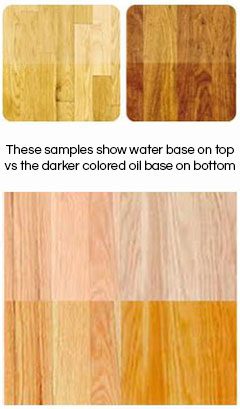
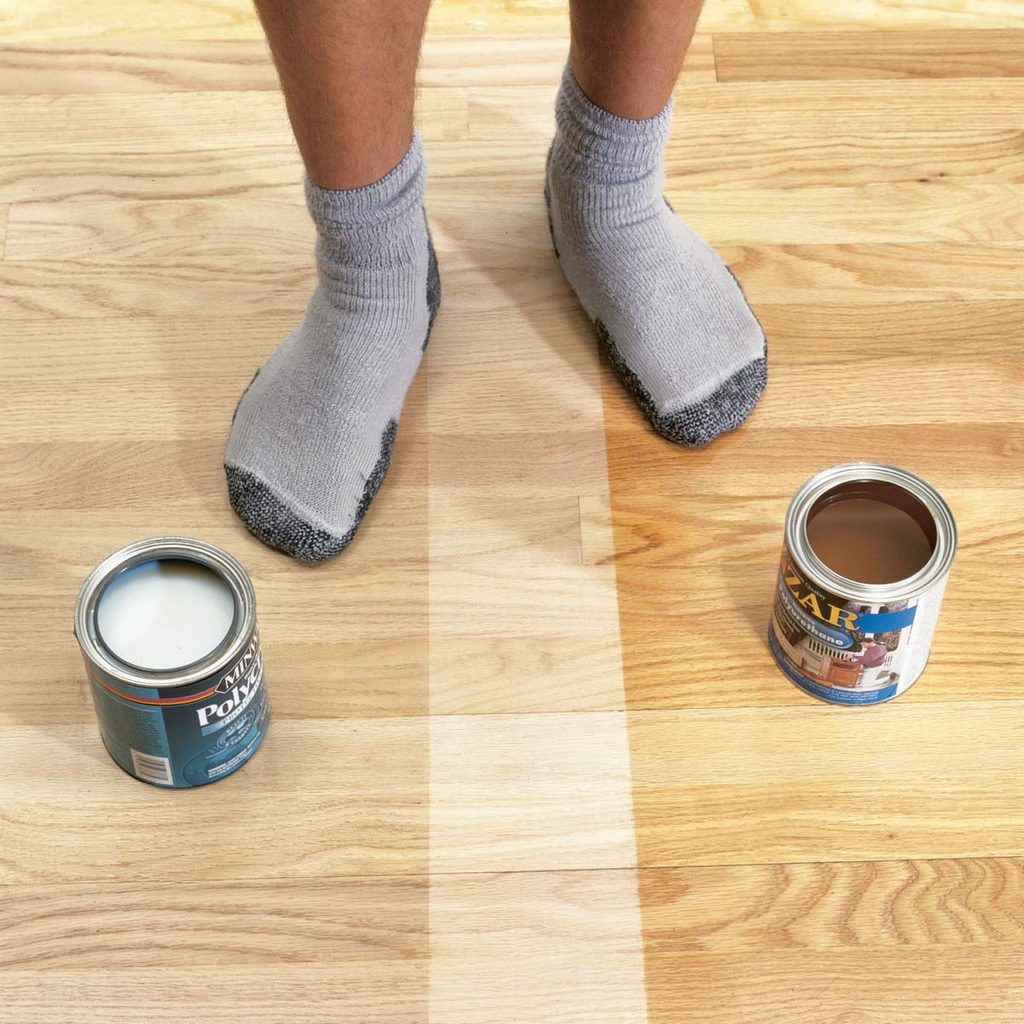
Water based polyurethane gives a clear finish. It does not yellow over time. Offers a clean and modern look. Enhances natural wood grain. Ideal for light-colored woods.

Credit: rippnfinish.com
Oil Based Polyurethane
Oil based polyurethane is made from natural oils. It creates a strong shield on wood surfaces. This type is thicker than water-based versions. It has a slight amber tint, adding warmth to wood.
Oil based polyurethane releases fumes during application. It requires proper ventilation. It is not the best choice for eco-friendly projects. Cleanup needs mineral spirits, not water.
Oil based polyurethane is easy to apply. It takes longer to dry than water-based types. Usually, it needs 24 hours to dry between coats. Full curing takes up to a week.
This type offers excellent durability. It is harder than water-based polyurethane. It withstands heavy traffic well. Scratches and dents are less likely.
Oil based polyurethane gives a rich, deep finish. It enhances wood grain beautifully. The finish is glossy and smooth. It ages with a classic look.
Cost Comparison
Choosing between water-based and oil-based polyurethane can affect your budget. Water-based options are generally more affordable. They often need more coats, though. Oil-based polyurethane lasts longer, so you use less over time. The upfront cost is higher for oil-based types. Keep in mind, oil-based finishes need more ventilation. This can add to your project costs.
Water-based polyurethane dries faster. This can save you time and money. You won’t need to wait long to use the space again. Less waiting means quicker project completion. Each choice has its own financialimplications. Consider your specific needs and budget when choosing.
Ease Of Application
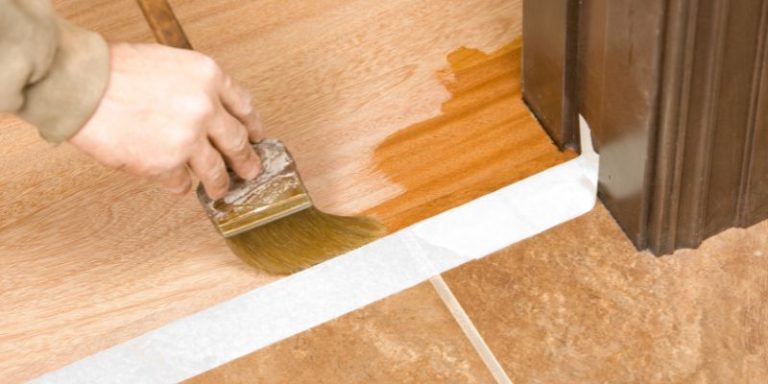
Oil-based polyurethaneis thicker. It takes longer to dry. Easy to brush on. Smooth finish with fewer coats.
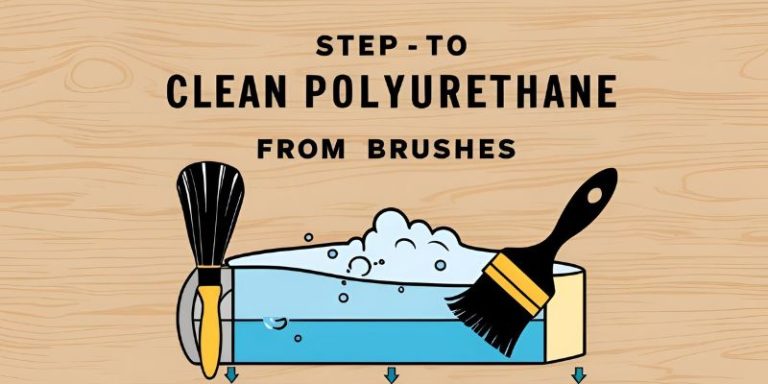
Water-based polyurethaneis thinner. Dries quickly. Needs more coats for a smooth finish. Easier to clean up with water.
Both types need good airflow. Helps dry faster. Use a brush or roller. Choose a type based on your needs.
Maintenance And Longevity
Water-based polyurethane is easy to clean. It needs simple soap and water. Oil-based needs special cleaners. This can be a bit harder. For repairs, water-based dries fast. You can fix it quickly. Oil-based takes longer to dry. This means more waiting time.
Longevity is different. Oil-based lasts longer. It can stay strong for many years. Water-based might need recoating sooner. But it keeps its color well. Oil-based can turn yellow over time.
Both types need care. Keep them clean and dry. This helps them last longer. Avoid using harsh cleaners. They can damage the finish. Regular care keeps them looking nice.
Credit: www.familyhandyman.com
Best Uses For Water Based
Water based polyurethaneworks well on light-colored woods. It keeps the wood’s color bright. Perfect for maple and birch. These coatings dry quickly. Great when time is short. Less smell during and after use. Good for indoor projects. Use on furniture and floors.
Water based is easy to cleanwith soap and water. Safe to use around kids and pets. It is less toxic. Offers a smooth finish. Works well on cabinets and doors. Ideal for small touch-ups. Use it for quick fixes.
Best Uses For Oil Based
Oil based polyurethane is perfect for hardwood floors. It brings out the natural beauty of the wood. The finish is rich and warm. It gives floors a deep shine.
Furniture also benefits from oil based polyurethane. It adds a durable layerthat protects against scratches. The finish lasts longer than water based options.
Outdoor projectsneed oil based polyurethane. It withstands weather changes. The protection is strong and reliable.
Oil based polyurethane is ideal for high-traffic areas. It handles wear and tear well. Use it in hallways or busy rooms.
Choose oil based for a classic look. It enhances color and grain. The finish is elegant and timeless.
Health And Safety Considerations
Water-based polyurethane is less harmful. It has fewer volatile organic compounds (VOCs). These compounds can cause headaches and dizziness. Oil-based polyurethane has more VOCs. It can be dangerous in closed spaces. Proper ventilation is needed when using oil-based products.
Water-based polyurethane is easier to clean. It dries faster. This reduces the risk of inhaling harmful fumes. Oil-based polyurethane takes longer to dry. It can cause skin irritation if touched.
Always wear protective gear. Gloves and masks are important. They keep your skin and lungs safe. Read labels carefully. Follow all safety instructions.
Children should stay away during application. This keeps them safe from fumes and spills. Keep the area well-ventilated. Open windows and doors for fresh air.
Frequently Asked Questions
What Is Water-based Polyurethane?
Water-based polyurethane is a finish that uses water as its primary solvent. It dries quickly, emits fewer VOCs, and offers a clear finish. This type of polyurethane is ideal for indoor projects. It is less odor-intensive and can be cleaned up with soap and water.
How Does Oil-based Polyurethane Differ?
Oil-based polyurethane uses oil as its main solvent. It provides a durable, amber-tinted finish. This type of polyurethane is more resistant to wear and tear. It takes longer to dry and emits more VOCs, making it less eco-friendly compared to water-based options.
Which Polyurethane Dries Faster?
Water-based polyurethane dries faster than oil-based polyurethane. It typically dries within two to four hours. This quick drying time allows for multiple coats in a day. Oil-based polyurethane can take up to 24 hours to dry completely.
Is Water-based Polyurethane Eco-friendly?
Yes, water-based polyurethane is more eco-friendly. It emits fewer volatile organic compounds (VOCs). This makes it a safer choice for indoor use. Its low odor and easy cleanup contribute to its environmentally friendly nature.
Conclusion
Choosing between water-based and oil-based polyurethane depends on your needs. Water-based dries fast and has low odor. Oil-based offers a rich color and durable finish. Consider the environment and application time. Think about the surface and desired look. Both have unique benefits.
Decide which works best for your project. Test a small area if unsure. This helps in making the right choice. Always follow application instructions. Proper use ensures lasting results. Enjoy your beautifully finished surfaces.