Waxed Vs Dewaxed Shellac: Which is Right for You?
When it comes to finishing wood, the choice between waxed and dewaxed shellac can feel overwhelming. You might be wondering which option will give your furniture that perfect sheen or protect your treasured pieces from wear and tear.
Understanding the differences between these two types of shellac is crucial for achieving the best results. We’ll dive into the unique properties, benefits, and potential drawbacks of both waxed and dewaxed shellac, helping you make an informed decision. Get ready to unlock the secrets behind these popular wood finishes and discover which one truly aligns with your project needs.
Keep reading to find out how your choice could impact the longevity and appearance of your woodwork.
Credit: www.wwgoa.com
What Is Shellac?
Shellaccomes from a small insect. It lives on trees in India and Thailand. This bug makes a sticky substance. People collect it and clean it. After cleaning, it becomes shellac. It is a natural resin. It has been used for centuries. Shellac is used in many products. People love its shiny finish. It is also safe for food. This makes it special and useful.
Shellac is used in many ways. It is used for furnitureand wood finishing. It gives a shiny look. Also, it is used in food. Candy and pills have shellac. It makes them look nice. It is also used in art. Artists use it for making sculptures. Shellac is important in many fields. It has many uses because it is versatile.

Credit: boldwallflowers.com
Waxed Shellac
Waxed shellac has a natural waxy layer. This layer gives it a soft finish. The color is rich and warm. It dries quickly. Perfect for quick projects.
The wax makes it water-resistant. It protects wood surfaces. Easy to apply. No special tools needed. Ideal for beginners. Great for household use.
- Furniture finishing
- Wooden toys
- Art frames
- Decorative items
Dewaxed Shellac
Dewaxed shellac is clear and smooth. It dries fast and hard. It is less sticky than waxed shellac. Dewaxed shellac is often used for finishing. It gives a shiny and glossy look. It does not change the wood’s color. It can be mixed with other finishes.
Dewaxed shellac gives a smooth finish. It protects surfaces well. It does not change the color of wood. It is safe for food surfaces. Dewaxed shellac is easy to use. It can be mixed with other finishes. It dries quickly and hardens fast.
Dewaxed shellac is used on furniture. It is great for antiques. It is used in musical instruments. Dewaxed shellac is safe for kitchen surfaces. It is used in art and craft projects. It is used for woodworking. Dewaxed shellac is often chosen for fine finishes.
Credit: www.finewoodworking.com
Comparing Waxed And Dewaxed
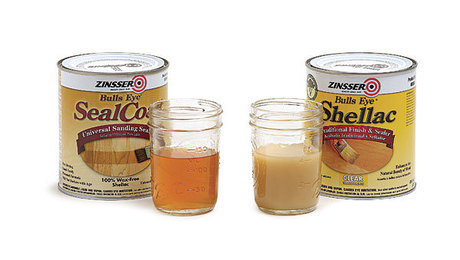
Waxed shellaccontains natural wax. This wax gives a slight sheen. It can affect how shellac sticks. Dewaxed shellachas no wax. It offers a pure finish. Many people prefer it for clear coating. Wax in shellac changes its look. Some prefer the softer look of waxed shellac.
Dewaxed shellac dries fast. It is very durable. Waxed shellac dries slower. It can be less strong. Dewaxed shellac resists scratches. It is perfect for protection. Waxed shellac might wear down faster. Choose dewaxed for high traffic areas.
Many finishes need dewaxed shellac. It works well with them. Waxed shellac can cause problems. Other finishes may not stick. Dewaxed shellac blends easily. It is best for mixing finishes. Always check your finish type first.
Choosing The Right Shellac
Picking the right shellac is important. Waxed shellac has a natural sheen. It’s great for furniture. Dewaxed shellac is different. It has no wax. This makes it better for top coats. Waxed shellac is simple to use. It provides a smooth finish. Dewaxed shellac works well for sealing. It allows for painting or varnishing later.
Project-specific needs matter too. Some projects need a glossy look. Others need a strong seal. Waxed shellac can be less durable. Dewaxed shellac offers better bonding. It sticks well to other finishes. Think about the environment too. Humidity can affect shellac. Choose wisely for the best result.
Tips For Application
Choosing between waxed and dewaxed shellac affects the finish of your project. Waxed shellac gives a warm, mellow tone. Dewaxed shellac offers a clear, glossy finish and is ideal for surfaces needing a topcoat. Understand the properties to achieve your desired look.
Preparation And Tools
Before starting, gather all needed toolsand materials. You will need a brush, sandpaper, and a clean cloth. Make sure the surface is smooth. Use sandpaper to remove any rough spots. Clean the surface with a cloth to remove dust. This helps shellac stick better.
Techniques For Best Results
Apply shellac in thin, even coats. Use smooth, long strokes with the brush. Let each coat dry completely before adding another. This avoids sticky surfaces. Sand lightly between coats for a polished finish. Be patient and take your time. This gives the best results.
Common Mistakes To Avoid
Shellac can be tricky to apply. Many people rush the process. Patience is key. Let each coat dry well. Thin coats are better. Thick coats may crack. Use a good brush. Cheap brushes leave marks. Sand between coats. This smooths the surface. Avoid using shellac in humid places. Humidity affects drying. Temperature matters too. Keep room warm. Cold rooms slow drying.
Shellac does not last forever. Store it in a cool place. Avoid sunlight. Light weakens it. Buy small amounts. Large amounts might spoil. Keep lids tight. Air makes it hard. Mark the date of purchase. Use within six months. Old shellac may not work well. Check for lumps or smell. These show it is bad. Good shellac is smooth.
Frequently Asked Questions
What Is Waxed Shellac Used For?
Waxed shellac is used for finishing wood surfaces. It provides a warm, rich color and enhances grain patterns. It’s ideal for projects where a natural, glossy finish is desired. Waxed shellac also acts as a protective coating, offering resistance to moisture and wear.
Why Choose Dewaxed Shellac For Furniture?
Dewaxed shellac is preferred for furniture due to its compatibility with other finishes. It doesn’t interfere with topcoat adhesion, making it versatile. Dewaxed shellac offers a clear finish, preserving wood’s natural appearance. It’s also great for sealing and priming wood surfaces.
Can Dewaxed Shellac Be Used As A Primer?
Yes, dewaxed shellac is an excellent primer. It seals porous surfaces and blocks stains effectively. Dewaxed shellac dries quickly, allowing for fast application of topcoats. It enhances adhesion, ensuring a durable finish. It’s particularly useful for priming wood, metal, and plaster surfaces.
Is Waxed Shellac Water-resistant?
Waxed shellac offers moderate water resistance. It protects wood from moisture but is not completely waterproof. Regular maintenance is needed to maintain its protective qualities. For better water resistance, consider using a topcoat. Waxed shellac is suitable for indoor use where moisture exposure is limited.
Conclusion
Choosing between waxed and dewaxed shellac depends on your needs. Waxed shellac offers a smooth finish. Ideal for projects needing less protection. Dewaxed shellac provides a harder surface. Great for high-traffic areas. Consider the surface type and exposure. Wood furniture may benefit from waxed shellac.
Floors often need dewaxed shellac. Think about ease of use too. Waxed is simpler to apply. Dewaxed requires more care. Both options are eco-friendly. Each has unique advantages. Decide based on your project’s requirements. Whether protection, ease, or appearance. Your choice matters for the best results.