What Are TARP Funds: A Complete Guide to Understanding the Bailout Program
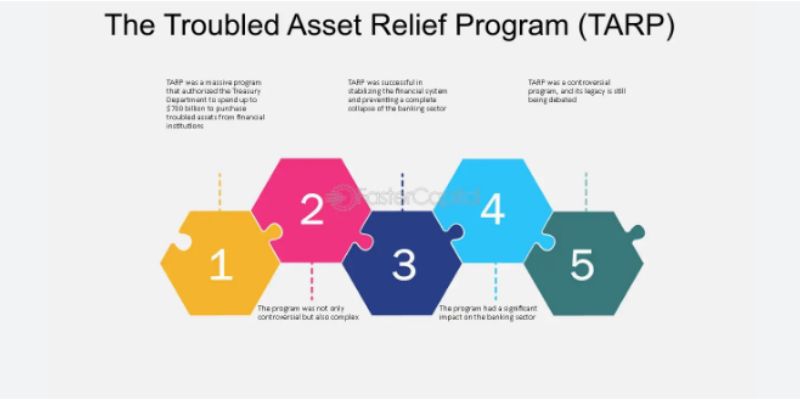
Hey there! So, you’ve heard the term “TARP funds” thrown around, maybe on the news or in a conversation about the economy, and you’re wondering, “What are TARP funds, exactly?” I totally get it. Back when the 2008 financial crisis hit, I was just as curious. It sounded like some big government program, but the details were fuzzy. After digging into it and watching how it played out, I learned it’s a fascinating—and sometimes controversial—piece of American history. TARP, or the Troubled Asset Relief Program, was a massive effort to save the U.S.
Economy from collapse. In this article, I’m going to break it all down for you, sharing what I’ve learned in a way that’s easy to understand. Whether you’re a car enthusiast curious about how this affected the auto industry or just someone trying to make sense of it all, I’ve got you covered. Let’s dive in!
What Are TARP Funds and Why Were They Created?
Let’s start with the basics. TARP stands for Troubled Asset Relief Program. It was a government program launched in October 2008 to stabilize the U.S. economy during the financial crisis. If you remember 2008, things were rough. Banks were failing, people were losing their homes, and the stock market was crashing. I was working at a car dealership back then, and I saw firsthand how tough it was for customers to get loans because banks were so scared to lend money.
The government stepped in with TARP to stop the economy from spiraling into a second Great Depression. The idea was to use taxpayer money to buy “troubled assets”—like bad mortgages and risky securities—that were clogging up banks’ balance sheets. By clearing out these toxic assets, banks could start lending again, and the economy could get back on track. Congress authorized up to $700 billion for TARP, though not all of it was used. It was a bold move, and I remember people arguing about whether it was the right thing to do. Some called it a bailout for greedy banks, while others said it saved the country.
How Did TARP Funds Work?
Okay, so how did TARP actually work? At first, the plan was to buy up bad mortgages and other risky assets from banks. But that turned out to be tricky, so the government shifted gears. Instead, they used TARP funds to inject capital directly into banks, automakers, and other companies. They did this by buying stocks or making loans to these businesses.
For example, the government bought preferred stock in big banks like Citigroup and Bank of America. This gave the banks cash to stay afloat, and in return, the government got dividends and a stake in the companies. It was like the government becoming a temporary investor. I found this part fascinating because it wasn’t just about handing out money—it was structured to make sure taxpayers might get something back.
TARP also helped other industries, like the auto sector, which hit close to home for me. General Motors and Chrysler got billions to avoid bankruptcy. Without TARP, I might’ve been out of a job at the dealership. The program wasn’t perfect, but it kept a lot of businesses—and jobs—alive.
Here’s a quick look at how TARP funds were distributed:
| Industry | Amount Committed | Purpose |
|---|---|---|
| Banking | ~$250 billion | Stabilize banks by buying stock or making loans |
| Auto Industry | ~$82 billion | Prevent collapse of GM, Chrysler, and suppliers |
| Insurance (AIG) | ~$70 billion | Keep AIG from failing |
| Housing | ~$46 billion | Help homeowners avoid foreclosure |
| Credit Markets | ~$27 billion | Restart lending for businesses and consumers |
The Role of TARP in Saving the Auto Industry
Since this is for my automotive blog, let’s zoom in on how TARP funds helped the car industry. Back in 2008, General Motors and Chrysler were in big trouble. They were losing money fast, and banks wouldn’t lend them cash to keep going. I remember the panic at our dealership—nobody knew if GM would survive, and customers stopped buying cars because they were worried about warranties.
TARP stepped in with about $80.7 billion for the auto industry. GM got the biggest chunk, around $50.7 billion, and Chrysler received about $12.5 billion. The money wasn’t just a handout. The government required both companies to restructure, which meant closing plants, cutting jobs, and renegotiating contracts. It was tough to watch, but it saved them from going under.
By 2014, the government had sold its stakes in GM and Chrysler. They recovered most of the money but lost about $10.2 billion overall. Still, TARP saved over a million jobs, including mine. I’m grateful for that, even if it wasn’t perfect. Without TARP, the ripple effect would’ve crushed suppliers, dealers, and small towns across the USA.
TARP’s Impact on Banks and Financial Institutions
Banks were the biggest recipients of TARP funds, and for good reason—they were at the heart of the crisis. When I looked into this, I was shocked by how close some banks were to collapsing. Big names like Citigroup, Bank of America, and Wells Fargo got billions through TARP’s Capital Purchase Program. The government bought preferred stock, which paid dividends, and set rules like limiting executive bonuses.
One thing that surprised me was how TARP didn’t just help big banks. Smaller community banks got help too, through programs like the Community Development Capital Initiative. This was important because small banks lend to local businesses, like the auto repair shops and parts stores I know. By keeping them afloat, TARP helped keep Main Street alive.
By 2010, most banks had repaid their TARP funds, often with interest. The banking part of TARP actually made a profit for taxpayers—about $16 billion. That’s not something you hear every day, right? But it wasn’t all smooth sailing. Some banks took risks with the money, and others dragged their feet on lending, which frustrated a lot of people, including me.
TARP and the Housing Market: Helping Homeowners
Another big piece of TARP was aimed at homeowners. The housing market crash was brutal—millions of Americans were losing their homes to foreclosure. I had friends who couldn’t keep up with their mortgages, and it was heartbreaking. TARP set aside about $46 billion for programs to help people stay in their homes.
The main program was the Home Affordable Modification Program, or HAMP. It encouraged banks to lower monthly mortgage payments for struggling homeowners. There was also the Hardest Hit Fund, which gave grants to states with high unemployment and foreclosure rates. These programs helped over 3 million homeowners, but they didn’t work for everyone. I know a couple who applied for HAMP but got denied because of paperwork issues. It was frustrating to see.
The housing programs were the costliest part of TARP, with a final price tag of about $31.4 billion. Unlike the bank investments, most of this money wasn’t repaid because it was given as grants. Some folks say TARP didn’t do enough for homeowners, and I get why—it was a drop in the bucket compared to the scale of the crisis.
The Controversy Around TARP Funds
Let’s be real—TARP wasn’t loved by everyone. When I first heard about it, I was torn. On one hand, I didn’t want banks and car companies to fail. On the other hand, it felt unfair to use taxpayer money to bail out businesses that made bad decisions. A lot of people felt the same way.
One big issue was the so-called “TARP bonuses.” Some banks that got TARP funds paid huge bonuses to their executives. I remember reading about Citigroup and Merrill Lynch handing out millions while losing money. It made my blood boil. The government tried to limit bonuses, but it didn’t stop the outrage. People called it a bailout for Wall Street fat cats.
Another criticism was that TARP created a “too big to fail” problem. By saving giant banks, the government signaled that it’d step in again if needed. This worried me because it might encourage banks to take bigger risks in the future. Some experts, like Nobel Prize winner Paul Krugman, also questioned whether TARP’s structure gave banks too good a deal.
But defenders of TARP—and I lean this way after seeing the auto industry survive—say it prevented a total economic collapse. The government made a profit on some parts of the program, and it saved millions of jobs. Still, I understand why it left a bad taste in some people’s mouths.
How Much Did TARP Cost Taxpayers?
One question I get a lot is, “How much did TARP actually cost?” It’s a fair question, since it was our tax dollars at work. When TARP ended in September 2023, the total amount spent was about $443.5 billion. But here’s the surprising part: after repayments, dividends, and interest, the net cost was only $31.1 billion.
Some parts of TARP, like the bank investments, made money. Others, like the housing programs, were a net loss. The auto industry bailout cost about $10.2 billion after repayments. When I crunched the numbers, I was impressed that the government got back as much as it did. But that $31.1 billion loss still stings, especially for folks who think it could’ve been spent elsewhere, like on schools or healthcare.
The Legacy of TARP: Did It Work?
So, did TARP do what it was supposed to? I’ve thought about this a lot, and I think the answer is yes—but it’s complicated. TARP stabilized the financial system. Banks started lending again, the auto industry survived, and the economy didn’t crash into a depression. By 2010, the U.S. was growing again, and TARP played a big role in that.
For me, the auto industry bailout was the biggest win. It saved GM and Chrysler, which kept dealerships like mine open and protected jobs across the country. The banking programs also worked, since most banks repaid their funds with interest. The housing programs helped millions, but they fell short for many others.
On the flip side, TARP’s legacy includes some negatives. The “too big to fail” issue is still a concern. Banks are bigger than ever, and I worry about what happens if there’s another crisis. The bonuses and perceived favoritism toward Wall Street also damaged trust in the government. I’ve talked to customers who still feel burned by TARP, even though it saved their jobs indirectly.
Overall, I think TARP was a necessary evil. It wasn’t perfect, but it stopped a disaster. Looking back, I’m glad it was there, even if it sparked plenty of debates at the dealership coffee machine.
Lessons Learned from TARP
After studying TARP, I’ve picked up a few lessons that stick with me. First, the economy is more fragile than we think. One bad move—like those risky mortgages—can bring everything down. Second, government intervention can work, but it needs to be fair and transparent. Those bonuses really hurt TARP’s reputation.
Third, oversight is crucial. The Special Inspector General for TARP, or SIGTARP, did a great job catching fraud and waste. They even got convictions for people who misused TARP funds. I wish more government programs had that kind of watchdog.
Finally, I learned that bailouts come with trade-offs. Saving banks and car companies helped the economy, but it also meant some people got richer while others struggled. It’s a tough balance, and I hope we’re better prepared for the next crisis.
How TARP Affects Us Today
You might be thinking, “Okay, but why does TARP matter now?” Great question. Even though TARP ended in 2023, its effects are still around. The auto industry is stronger because of it—GM and Chrysler are still making cars, and I’m still selling them. Banks are more stable, which means you can get a car loan or mortgage more easily.
But TARP also changed how we think about government and banks. The “too big to fail” debate is still alive, and new regulations, like the Dodd-Frank Act, came out of the crisis to keep banks in check. I’ve noticed customers are savvier now—they ask more questions about loans and financing, which is a good thing.
TARP also showed that the government can act fast in a crisis. When COVID hit in 2020, programs like the Paycheck Protection Program reminded me of TARP—quick cash to save businesses. It’s proof that TARP’s playbook is still relevant.

Conclusion
So, what are TARP funds? They were a lifeline for the U.S. economy during one of its darkest moments. From saving banks and car companies to helping homeowners, TARP was a massive, messy, and controversial program that left a lasting mark. As someone who saw its impact up close in the auto industry, I’m grateful it kept my dealership open and saved millions of jobs. But I also understand why it frustrated so many people, from the big bonuses to the “too big to fail” problem.
Looking back, TARP was like a tough call in a high-stakes game. It wasn’t perfect, but it got the job done. I hope this guide has cleared up what TARP was all about and why it mattered. Whether you’re a car buff or just curious about history, understanding TARP gives you a peek into how the economy works—and how we bounce back from hard times. Thanks for sticking with me—now go tell your friends you’re a TARP expert!
FAQs
What does TARP stand for?
TARP stands for Troubled Asset Relief Program. It was a government program to stabilize the economy during the 2008 financial crisis.
Why was TARP created?
TARP was created to prevent the economy from collapsing. It helped banks, automakers, and homeowners by buying troubled assets and injecting capital.
How much money was spent on TARP?
TARP spent about $443.5 billion. After repayments and profits, the net cost to taxpayers was around $31.1 billion.
Did TARP help the auto industry?
Yes, TARP gave about $80.7 billion to General Motors, Chrysler, and their suppliers. It saved them from bankruptcy and protected over a million jobs.
Why were TARP funds controversial?
TARP was controversial because some banks paid big bonuses with the money, and it seemed to favor Wall Street. Many felt it didn’t help homeowners enough.