What Are The Best Furniture Sliders For Hardwood Floors: Genius Guide
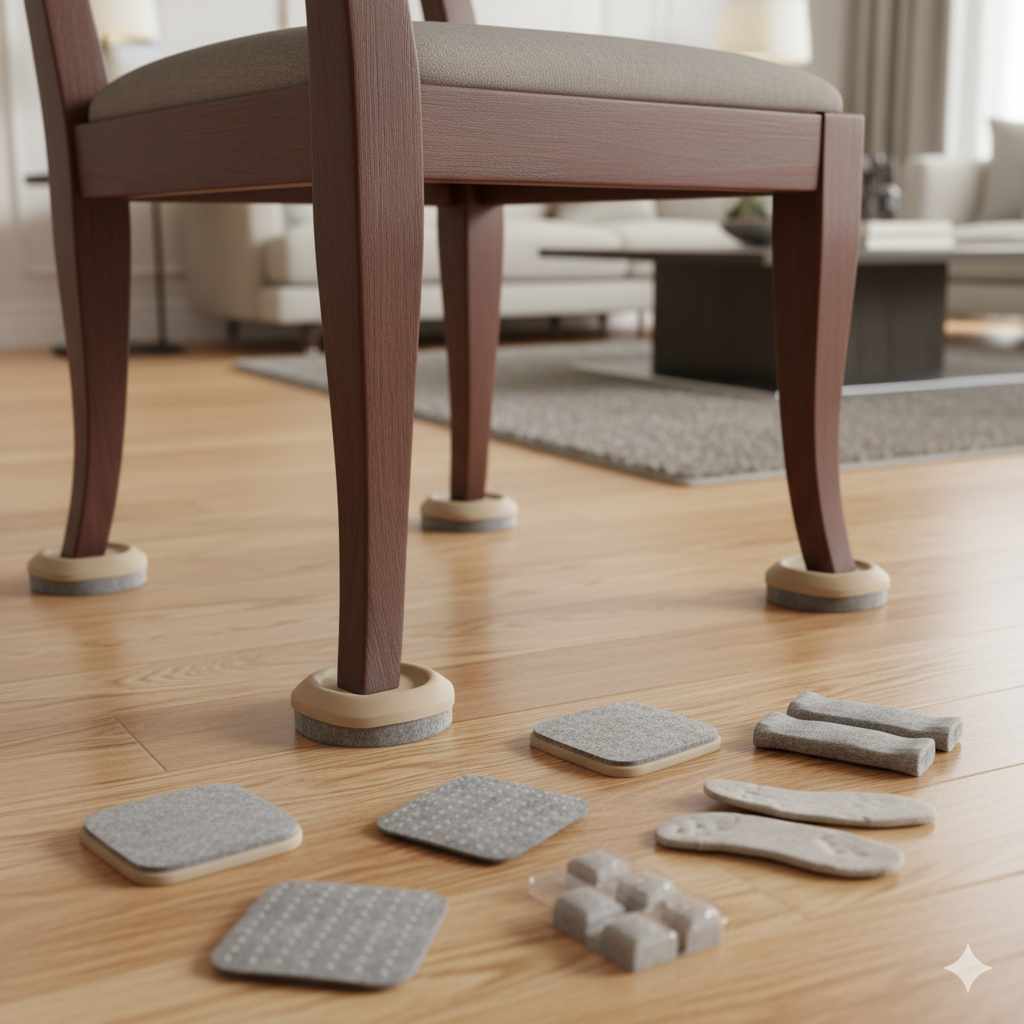
For hardwood floors, the best furniture sliders are durable, smooth-bottomed discs or pads made of felt, Teflon, or rubber, designed to lift furniture legs and glide them effortlessly without scratching or damaging your precious wood.
Ever tried to rearrange your living room and ended up with dreaded scratches on your beautiful hardwood floors? It’s a common frustration! Moving heavy furniture can feel like an impossible task, especially when you’re worried about marring that lovely finish. But what if I told you there’s a simple, affordable solution that makes it a breeze? You don’t need to be a weightlifter or hire professionals to reposition your sofa or that heavy bookshelf. We’re going to explore the magic of furniture sliders, specifically those perfect for keeping your hardwood floors looking pristine. Get ready to say goodbye to scratches and hello to easy furniture moving!
Why Furniture Sliders Are a Hardwood Floor’s Best Friend
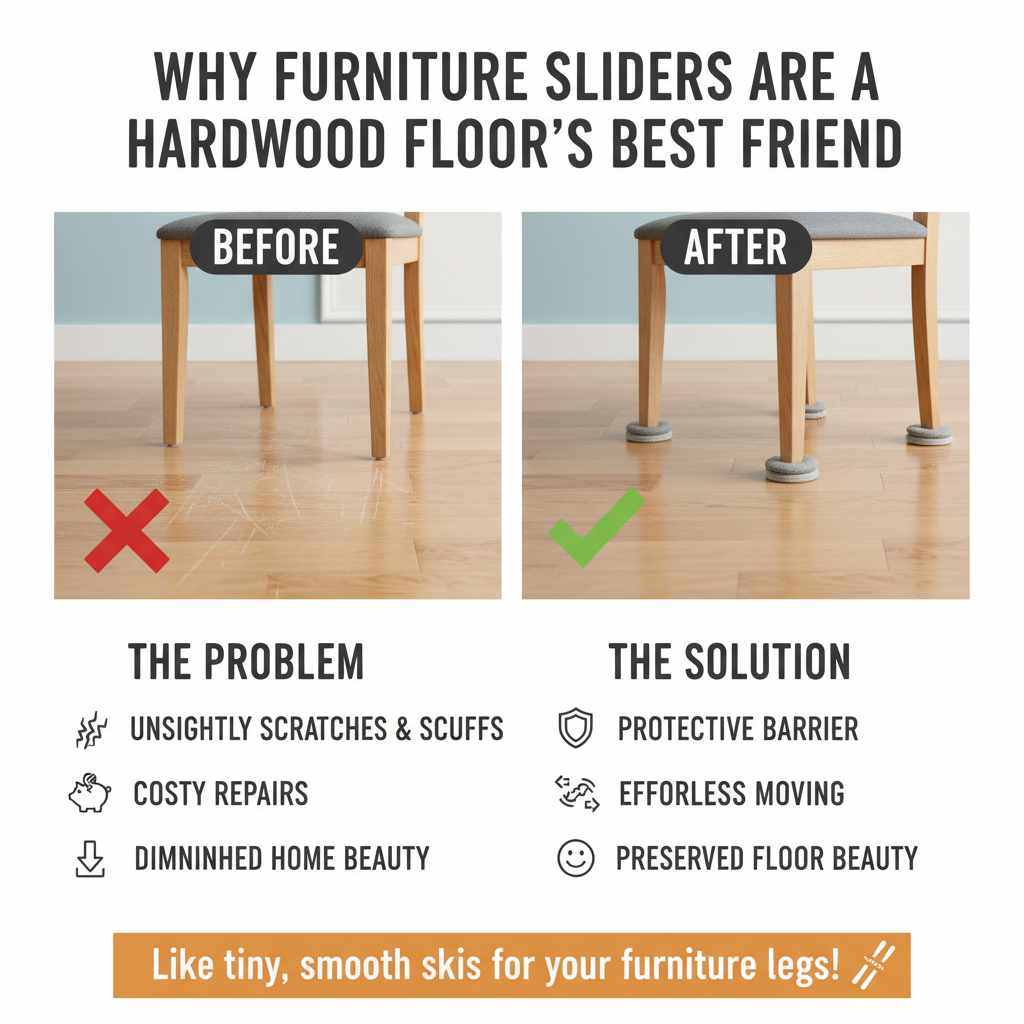
Hardwood floors are gorgeous, but they can be quite sensitive. The friction from dragging furniture across them is the quickest way to cause unsightly scratches, scuffs, and dents. This can be costly to repair and significantly diminish the beauty of your home. Furniture sliders act as a protective barrier, lifting the furniture slightly off the floor and providing a smooth surface that allows you to glide objects with minimal effort and zero damage.
Think of them like tiny, smooth skis for your furniture legs. They distribute the weight and reduce friction, turning a potentially damaging drag into a smooth, controlled slide. This is especially important for heavy items like sofas, pianos, recliners, and large cabinets that you might need to move for cleaning, redecorating, or even just to reach a dropped remote!
Types of Furniture Sliders for Hardwood Floors
Not all sliders are created equal, and the best type for your hardwood floors depends on the furniture and your specific needs. Here’s a breakdown of the most popular and effective options:
1. Felt Sliders
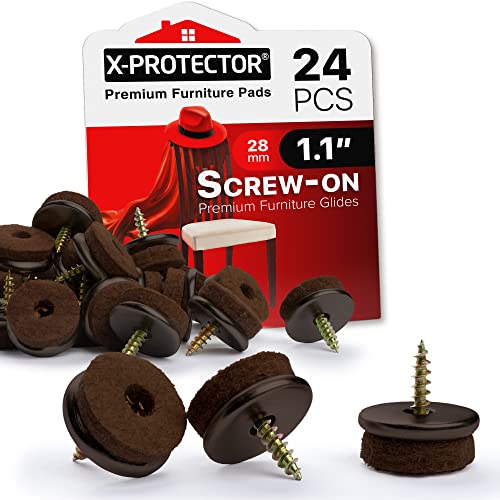
These are perhaps the most classic and widely used furniture sliders for hardwood floors. They typically have a hard plastic base that grips the furniture leg and a thick, dense felt pad on the bottom.
-
Pros:
- Extremely smooth glide on hardwood.
- Very effective at preventing scratches.
- Affordable and widely available.
- Good for most types of furniture.
-
Cons:
- Felt can wear down over time, especially with very heavy furniture or frequent moving.
- Can pick up dirt and debris, which might scratch if not cleaned.
- Not ideal for carpets.
2. Teflon (PTFE) Sliders
Teflon, also known by its chemical name Polytetrafluoroethylene (PTFE), is a non-stick material famous for its low friction properties. Furniture sliders made with Teflon are exceptionally smooth.
-
Pros:
- Incredibly low friction, allowing for very easy gliding.
- Durable and long-lasting.
- Resistant to dirt and debris sticking to them.
- Excellent for very heavy items.
-
Cons:
- Can be slightly more expensive than felt sliders.
- Some Teflon sliders have a plastic base that might require careful placement to avoid minor scuffs if the floor is exceptionally delicate.
3. Rubber or Silicone Sliders
While often recommended for preventing furniture from sliding unintentionally on hard surfaces, certain rubber or silicone sliders can work for moving purposes. These are usually thicker and designed with a smooth base.
-
Pros:
- Can offer a good grip when you want furniture to stay put.
- Some designs have a very smooth, rounded edge that can glide.
- Can provide a bit of cushioning.
-
Cons:
- Generally offer more friction than felt or Teflon, making them less ideal for effortless gliding.
- The rubber can sometimes leave marks on certain types of finishes if it’s a softer compound.
- More prone to picking up and holding onto grit.
4. Reusable vs. Disposable Sliders
Most sliders are designed to be reusable. You attach them once, and they can stay on your furniture for as long as you own it. Disposable ones are often simple felt pads that you might stick on temporarily for a specific move and then remove. For long-term use and the best protection, reusable sliders are the way to go.
Choosing the Right Slider for Your Furniture
The best furniture slider for your hardwood floors isn’t just about the material; it’s also about the shape and how it attaches to your furniture.
Consider the Furniture Leg Shape
- Round Legs: Round sliders that cup the leg or flat discs that fit underneath are best.
- Square or Rectangular Legs: Square-shaped sliders or flat pads that cover the entire base of the leg work well.
- Irregular Shapes: For legs with unique designs, flat, oversized sliders that cover the entire bottom surface are usually the most effective.
Attachment Methods
Sliders come with different ways to attach them to your furniture:
- Nail-On: These have small nails built into the base. You hammer them into the bottom of the furniture leg. This is a very secure method but is permanent.
- Adhesive (Sticky Back): These have a strong adhesive pad. You peel off the backing and press them onto the furniture leg. They are easy to apply and generally stay put well, but can be harder to remove cleanly if needed.
- Friction Fit/Sleeve: These are often made of a pliable material like silicone or a firm plastic and simply slip over or around the furniture leg. They are easy to put on and take off, making them great for temporary use or if you move furniture frequently.
For hardwood floors, adhesive or friction-fit sliders are often preferred because they don’t involve permanently altering the furniture with nails. However, for extremely heavy items that will never be moved without sliders, nail-on can offer the most security.
Top Furniture Slider Recommendations for Hardwood Floors
Based on durability, ease of use, and effectiveness on hardwood, here are some of the top contenders:
When selecting, look for sliders that are specifically marketed for hardwood floors. This usually means they have a soft, non-abrasive bottom like felt or high-quality Teflon.
| Slider Type | Best For | Key Features | Considerations |
|---|---|---|---|
| Heavy-Duty Felt Sliders (Adhesive) | Sofas, beds, heavy cabinets, frequent moving. | Thick felt pad, strong adhesive, durable plastic base. | Ensure felt is dense to prevent wear. |
| Teflon Sliders with Adhesive Base | Extremely heavy items, delicate hardwood, minimal effort. | Low-friction Teflon surface, secure adhesive. | Can be pricier. Ensure base doesn’t snag. |
| Friction-Fit Plastic/Silicone with Felt/Smooth Bottom | Chairs, tables, items moved occasionally. | Easy on/off, good for various leg shapes. | May not be as secure for very heavy items. |
| Nail-On Furniture Glides (Felt or Nylon) | Permanently placed heavy furniture where movement is rare. | Maximum security, very durable. | Requires hammering into furniture legs. |
Always check product reviews to see how well sliders perform on hardwood floors specifically. Users often share valuable insights on their longevity and effectiveness.
How to Use Furniture Sliders on Hardwood Floors: A Step-by-Step Guide
Using furniture sliders is incredibly simple. Follow these steps to make moving your furniture a safe and easy task:
Step 1: Gather Your Supplies
You’ll need:
- Your chosen furniture sliders.
- A helper (especially for heavy items).
- A damp cloth or vacuum cleaner.
- Optional: A pry bar or flathead screwdriver if you need to lift legs slightly to attach sliders.
Step 2: Prepare the Furniture Legs
Turn the furniture item upside down if possible, or tilt it significantly to access the bottom of the legs. Clean the bottom of each leg. Dust, dirt, or debris can prevent sliders from adhering properly or cause scratches if they get trapped underneath.
Step 3: Attach the Sliders
This depends on the type of slider you have:
- Adhesive Sliders: Peel off the backing from the adhesive. Center the slider on the bottom of the furniture leg and press down firmly. Hold for about 30 seconds to ensure a good bond.
- Friction-Fit/Sleeve Sliders: Simply push or slide the slider onto the furniture leg until it’s snug and secure. Ensure it covers the entire bottom surface that will contact the floor.
- Nail-On Sliders: Position the slider on the leg and carefully hammer the nails through the designated holes until the slider is flush with the leg.
Make sure the slider is attached securely and evenly on each leg. If a leg is uneven or has a very unusual shape, you might need a larger, flat slider that covers the entire base.
Step 4: Position the Furniture
With the sliders attached to all legs, carefully tilt or lift the furniture item. You’ll want to lift it just enough so that the sliders make contact with the floor. For very heavy items, it’s best to lift one side at a time.
You can use a furniture dolly, a sturdy board, or even just have your helper lift while you position the sliders. Some people find using a pry bar gently under the leg can give you just enough space to slide the slider into place.
Step 5: Glide and Move
Once the furniture is slightly lifted and the sliders are in place, you can gently push or pull the furniture to its new location. It should glide smoothly across your hardwood floors.
Pro Tip: If you’re moving something very heavy, like a full-size refrigerator or a grand piano, consider using specialized furniture dollies in conjunction with sliders for maximum safety and ease. For guidance on safely moving heavy appliances, resources like Energy.gov’s appliance efficiency tips can offer helpful context on appliance handling and placement.
Step 6: Remove or Leave On
If you plan to move the furniture again soon, you can leave the sliders on. If they are temporary movers (like some felt pads), remove them carefully after moving. If you used adhesive sliders and need to remove them later, you might need a solvent like Goo Gone or rubbing alcohol to help dissolve the adhesive.
Maintaining Your Furniture Sliders and Floors
To keep your sliders working effectively and your floors protected:
- Clean Regularly: Periodically check the bottom of your sliders. If they’ve picked up dirt, grit, or pet hair, gently brush or vacuum them clean. Trapped debris is a major cause of scratches.
- Inspect for Wear: Over time, especially with very heavy items or frequent moves, the gliding surface (felt or Teflon) can wear down. Inspect your sliders every few months. If the felt is matted or the Teflon is scratched, it’s time to replace them.
- Check Adhesive: Ensure adhesive sliders are still firmly attached. If one starts to peel, reapply pressure or consider replacing it.
- Sweep/Vacuum Floors: Keep your hardwood floors free of grit and debris, especially before moving furniture. This prevents anything from getting caught under the sliders.
Proper maintenance ensures your sliders continue to protect your floors for a long time.
Common Mistakes to Avoid
Even with a simple tool like furniture sliders, there are a few pitfalls to watch out for:
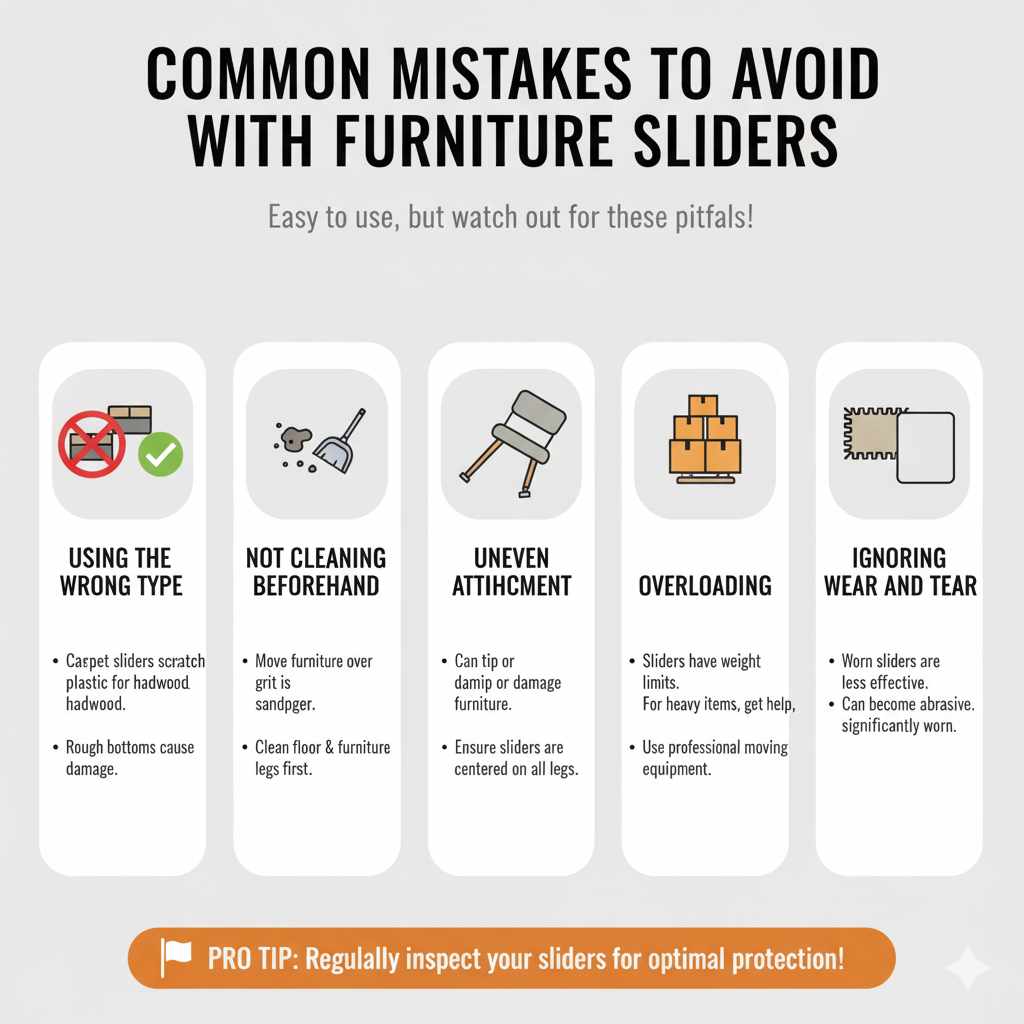
- Using the Wrong Type: Don’t use carpet sliders on hardwood floors. Their rougher bottoms are designed for carpet and will scratch wood. Similarly, avoid sliders with rough plastic or rubber bottoms that aren’t specifically designed for smooth gliding.
- Not Cleaning Beforehand: Moving furniture over a floor littered with small stones or grit is like dragging sandpaper across your wood. Always clean the floor and the furniture legs.
- Uneven Attachment: Make sure sliders are attached evenly on all legs. An unevenly applied slider can cause the furniture to tip or drag unevenly, leading to damage.
- Overloading: While sliders make moving easier, don’t try to slide furniture that’s far too heavy for the sliders you’re using. For extremely heavy items, use professional moving equipment or get plenty of help.
- Ignoring Wear and Tear: Worn-out sliders can become less effective and even abrasive. Replace them when they show signs of damage or significant wear.
Frequently Asked Questions About Furniture Sliders for Hardwood Floors
Q1: Can furniture sliders really protect my hardwood floors from scratches?
A: Yes, absolutely! When used correctly, good quality furniture sliders create a smooth interface between your furniture legs and the floor, preventing direct friction and the resulting scratches and scuffs. Felt and Teflon sliders are particularly effective for this.
Q2: What’s the difference between sliders for carpet and sliders for hardwood?
A: Sliders for carpet usually have a smooth, hard plastic or metal bottom designed to dig slightly into the carpet pile and glide. Sliders for hardwood floors have a soft, smooth bottom, typically made of felt or Teflon, to glide easily without abrasion.
Q3: How do I choose the right size furniture slider?
A: For round or square legs, choose a slider that matches the shape and is large enough to cover the entire bottom surface of the leg. For irregular shapes, a larger, flat, circular or square slider that covers the whole base is best. Many sliders are sold in various sizes, so measure your furniture legs first.
Q4: Can I use furniture sliders on a newly refinished hardwood floor?
A: Yes, in fact, it’s highly recommended! Newly refinished floors are often more susceptible to damage. Using the right sliders immediately after refinishing will help keep them looking pristine for longer.
Q5: How long do furniture sliders typically last?
A: The lifespan of furniture sliders varies depending on the quality of the slider, the weight of the furniture, and how often it’s moved. High-quality felt or Teflon sliders can last for many years with moderate use. You’ll know it’s time to replace them when the gliding surface becomes worn, matted, or damaged.
Q6: What if my furniture has a very odd-shaped leg?
A: For unusual leg shapes, the best solution is often a universal furniture slider. These are typically flat pads, sometimes round or square, made of a durable material like thick felt or Teflon. They are designed to cover the entire bottom surface of the leg, providing a consistent gliding surface. You might need to use a strong adhesive or even a nail-on type for a secure fit.
Conclusion
Moving furniture doesn’t have to be a dreaded chore that ends with scratched floors. By understanding the types of furniture sliders available and choosing the right ones for your hardwood floors – typically smooth felt or slick Teflon options – you can transform a potentially damaging task into a simple, safe, and efficient process. Remember to consider the shape and weight of your furniture, attach the sliders securely, and always clean your floors before you start gliding. With these simple yet genius tools, you’ll gain the confidence to rearrange your home whenever inspiration strikes, keeping your beautiful hardwood floors looking as good as new for years to come.