What Are The Drawbacks To Solar Tube Lighting: Essential
Quick Summary:
Solar tube lighting offers natural light but has drawbacks like installation complexity, potential for leaks, limited light in cloudy weather, and fixed placement. Understanding these essentials helps you decide if it’s the right fit for your home.
Hello there! Are you looking to brighten up those dim corners of your home with natural light, but you’re wondering if solar tube lighting is truly the perfect solution? It’s a fantastic idea to explore all sides before you dive in. While solar tubes, also known as sun tunnels or light tubes, are brilliant for bringing sunshine where you can’t have a traditional window, they aren’t without their challenges. Don’t worry, though! I’m here to walk you through everything you need to know, making sure you feel confident and prepared. We’ll cover the essential drawbacks so you can make the best decision for your DIY project.
Understanding Solar Tube Lighting: A Quick Refresher
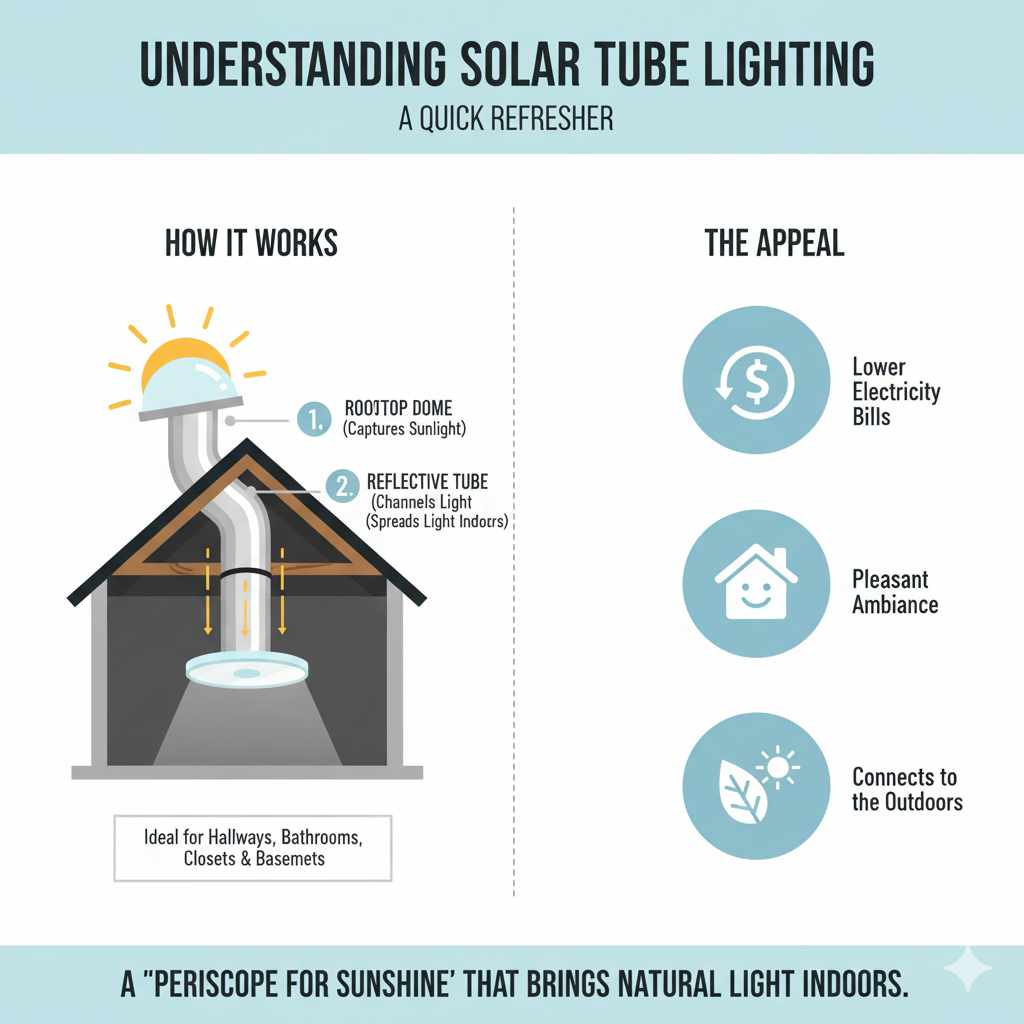
Before we get into the nitty-gritty of the drawbacks, let’s quickly recap what solar tube lighting is all about. Imagine a highly reflective tube that captures sunlight from your roof and channels it down into your interior spaces. It’s a bit like a periscope for sunshine! This means you can add natural light to areas like hallways, bathrooms, closets, or even basements without needing to cut a large hole for a window. They typically consist of a rooftop dome, a reflective tube, and a ceiling diffuser inside your home.
The appeal is huge: lower electricity bills, a more pleasant ambiance, and a touch of the outdoors brought inside. However, like any home improvement, it’s wise to be aware of the potential downsides. Knowing these will help you plan better and avoid surprises down the road.
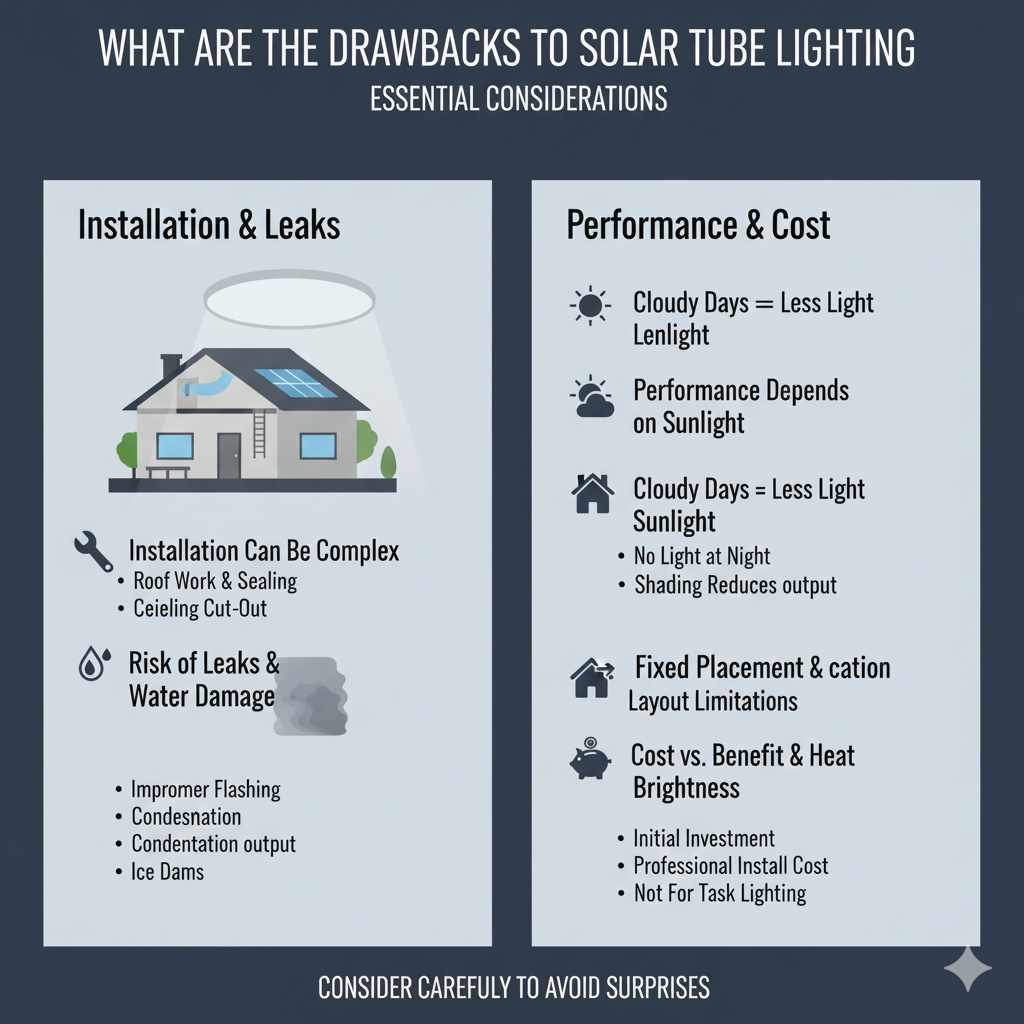
What Are The Drawbacks To Solar Tube Lighting: Essential Considerations
Let’s get down to business. While solar tubes are a smart way to get natural light, it’s essential to understand their limitations. Here are the key drawbacks you should be aware of:
1. Installation Can Be More Complex Than It Looks
While many DIYers tackle solar tube installations, it’s not always as simple as screwing in a light bulb. It involves working on your roof, cutting into your ceiling, and ensuring everything is sealed properly. This can be a significant hurdle if you’re not comfortable with these tasks.
- Roof Work: You’ll need to safely access your roof, cut an opening for the dome, and seal it against the elements. If your roof has a steep pitch or you’re not used to working at heights, this can be a major concern. Safety is paramount when working on a roof.
- Attic Navigation: The reflective tube needs to be routed through your attic. This can involve navigating around joists, insulation, and other obstructions. Depending on your attic’s layout, this can be a tight squeeze and require some creative maneuvering.
- Ceiling Cut-Out: You’ll need to precisely cut a hole in your ceiling for the diffuser. This requires careful measuring and cutting to ensure a clean finish that integrates well with your existing ceiling.
- Sealing and Weatherproofing: Improper sealing around the roof dome is a common cause of leaks. Ensuring a watertight seal is critical to prevent water damage to your roof, attic, and the interior of your home.
For a detailed guide on safe roof work, you can check out resources from organizations like OSHA (Occupational Safety and Health Administration), which offers valuable safety standards for working at heights.
2. The Risk of Leaks and Water Damage
This is perhaps one of the most significant concerns for homeowners. If the solar tube isn’t installed perfectly, water can find its way into your attic and home.
- Improper Flashing: The flashing around the roof dome is designed to direct water away. If it’s not installed correctly, or if the sealant fails over time, leaks can occur.
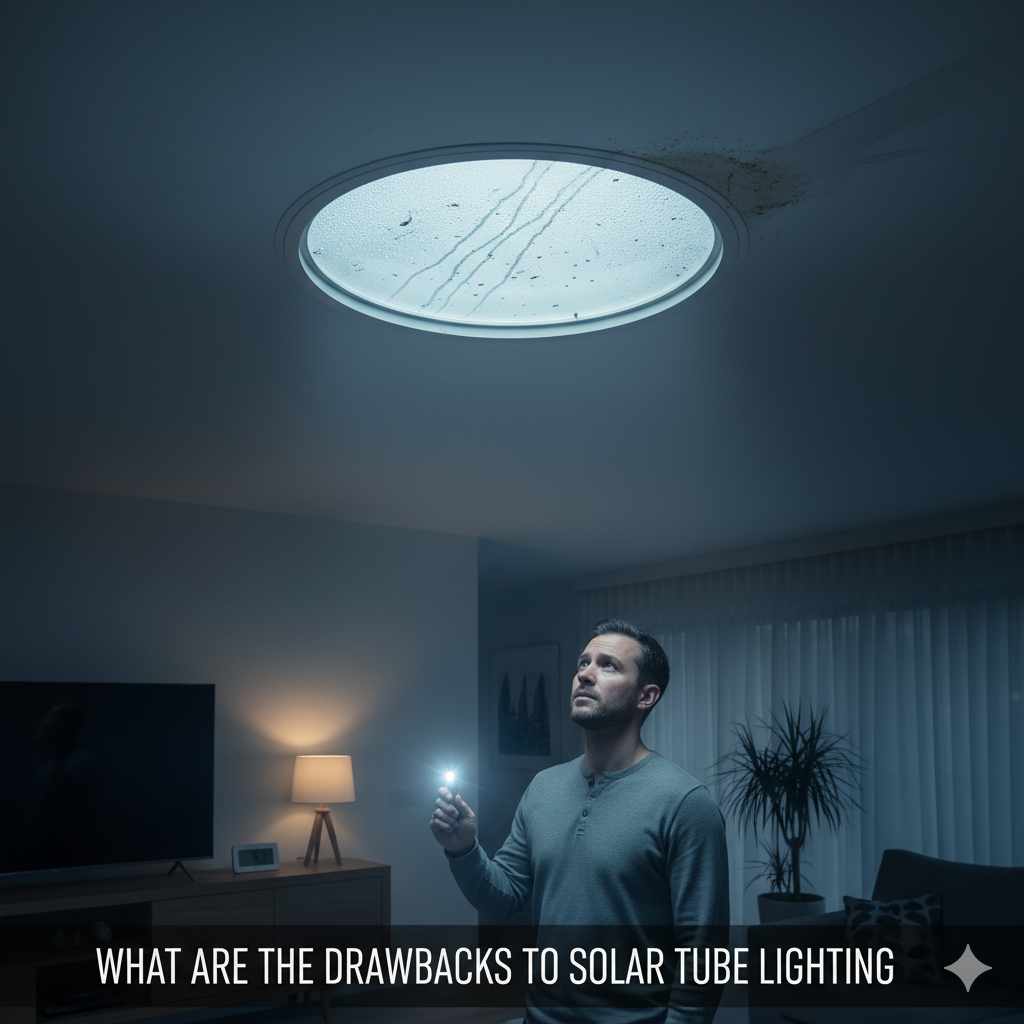
- Condensation: In some climates, condensation can form inside the tube, especially during temperature fluctuations. While most modern solar tubes have features to mitigate this, it’s still a potential issue that could lead to moisture problems if not managed.
- Ice Dams: In colder climates, ice dams can form around the roof dome, forcing water underneath shingles and potentially into the tube if not properly sealed.
Taking the time to ensure every seal is perfect and using high-quality flashing materials is crucial. If you’re unsure about this aspect, hiring a professional installer for this part might be a wise investment to prevent costly repairs later.
3. Performance Depends Heavily on Sunlight
Solar tubes work by capturing sunlight, so their effectiveness is directly tied to the weather and time of day. This means you won’t have consistent light output 24/7.
- Cloudy Days: On overcast or heavily cloudy days, the amount of light entering your home will be significantly reduced. You might still get some diffused light, but it won’t be as bright as a sunny day.
- Nighttime: Naturally, solar tubes provide no light at night. You’ll still need to rely on your existing artificial lighting sources after sunset.
- Shading: If trees or nearby buildings cast shadows on your roof, especially during peak sunlight hours, the performance of your solar tube can be diminished.
While some advanced models offer optional solar-powered LED lights that can turn on automatically when natural light is low, this adds to the cost and complexity.
4. Fixed Placement and Limited Flexibility
Once a solar tube is installed, its location is permanent. You can’t easily move it if you decide to reconfigure your room layout or if you find it’s not placed optimally.
- Room Layouts: You need to carefully consider where the light will be most beneficial. Once cut into the ceiling and roof, repositioning is a major undertaking, essentially requiring a new installation.
- Obstructions: You must ensure there are no obstructions in the attic that would prevent a straight or efficient path for the tube from the roof to the ceiling. This includes ductwork, wiring, or structural beams.
- Aesthetics: The ceiling diffuser is visible in your room. You need to ensure its placement complements your room’s design.
This permanence means thorough planning is essential before you even pick up a measuring tape.
5. Potential for Heat Gain or Loss
The rooftop dome, while designed to let light in, can also affect your home’s temperature.
- Heat Gain: In hot, sunny climates, the dome can act like a magnifying glass, potentially adding heat to your attic and subsequently to your living space. While the tube itself is reflective, the dome material and direct sun exposure can contribute to heat.
- Heat Loss: Conversely, in cold climates, the dome and the tube can be a point where heated air from your home escapes into the attic, contributing to heat loss.
Many modern solar tubes come with features like double-paned domes or UV coatings to help mitigate these effects, but it’s still a factor to consider depending on your local climate.
6. Cost vs. Benefit Analysis
While solar tubes can save money on electricity bills over time, the initial investment can be significant. When weighing the drawbacks, the upfront cost is an important consideration.
- Material Costs: Good quality solar tube kits can range from a few hundred to over a thousand dollars, depending on the size, length of the tube, and features.
- Installation Costs: If you opt for professional installation, expect to pay additional labor costs, which can sometimes double the total price of the project.
- Potential for Additional Materials: You might need extra sealants, flashing, or even minor structural modifications, which add to the overall budget.
When comparing this to the cost of adding a traditional skylight or window, the pricing can be competitive, but it’s essential to get quotes and understand the full scope of expenses. For a comparison of natural lighting options, resources like the U.S. Department of Energy’s Energy Saver website can offer helpful insights.
7. Not Always a Bright Solution for All Rooms
While solar tubes are great for general ambient light, they might not be suitable for every situation or every room where you need targeted illumination.
- Task Lighting: If you need bright, focused light for a specific task, like a workbench or a reading nook, a solar tube might not provide enough intensity on its own. You’ll likely still need dedicated task lighting.
- Light Quality: The light from a solar tube is natural and diffused, which is generally pleasant. However, it’s not the same as direct sunlight, and the color rendering can vary slightly compared to artificial light sources.
Think about how you use the room. If it’s for general illumination in a hallway or a closet, a solar tube is often perfect. If it’s for detailed work, consider its limitations.
Comparing Solar Tubes to Other Natural Light Solutions
To truly understand the drawbacks of solar tubes, it helps to see how they stack up against other options for bringing natural light into your home. Here’s a quick comparison:
| Feature | Solar Tube | Skylight | Traditional Window |
|---|---|---|---|
| Light Intensity | Good ambient light, variable with sun. | Can be very bright, direct light possible. | Variable depending on window size and placement. |
| Installation Complexity | Moderate to high (roof & attic work). | High (structural support, sealing). | Moderate to high (depends on wall modification). |
| Leak Potential | Moderate (if not sealed perfectly). | Moderate to high (requires excellent sealing). | Low to moderate (depends on flashing). |
| Cost (Material + Install) | Moderate to high. | High to very high. | Variable, can be moderate to high. |
| Flexibility of Placement | Very low (fixed once installed). | Low (limited by roof structure). | Moderate (limited by exterior walls). |
| Heat Gain/Loss | Possible, depending on design. | More significant potential for heat gain/loss. | Variable, depends on window type and efficiency. |
As you can see, each option has its own set of pros and cons. Solar tubes often strike a balance between bringing in natural light and being less intrusive than a full skylight, but they come with their own unique set of installation and performance challenges.
Frequently Asked Questions About Solar Tube Drawbacks
Q1: Can solar tubes really leak?
Yes, they can, but only if they are not installed correctly. Proper sealing and flashing are critical to prevent water from entering your home. If you’re not comfortable with roofing work, consider hiring a professional for the installation.
Q2: How much light do solar tubes provide on a cloudy day?
On a cloudy day, a solar tube will provide less light than on a sunny day, but it will still diffuse some natural light into the room. The amount of light will depend on the thickness of the clouds and the quality of the solar tube’s reflective surfaces.
Q3: Can I install a solar tube myself?
Many DIYers do install solar tubes themselves. However, it requires working on your roof and in your attic, which can be challenging and potentially dangerous if you’re not experienced. If you decide to DIY, watch tutorial videos and prioritize safety.
Q4: Will a solar tube make my room hotter in the summer?
It’s possible, as the dome on the roof can let in some solar heat. However, many modern solar tubes are designed with features to minimize heat gain, such as UV-resistant coatings and insulated domes. The amount of heat gain is usually less than with a traditional skylight.
Q5: Are solar tubes noisy?
Generally, no. The reflective tube itself is typically insulated and doesn’t make noise. However, like any fixture on your roof, very heavy rain or hail might create some drumming sound on the rooftop dome, but this is usually minimal and not a significant issue for most people.
Q6: What happens to solar tubes in the winter?
In winter, solar tubes will still bring in natural light, though the intensity will be lower due to shorter days and less direct sunlight. You might also need to be mindful of snow accumulation on the rooftop dome, which can block light. However, proper installation helps prevent issues with ice dams.
Q7: Can I put a solar tube anywhere in my house?
You can put a solar tube in most places where you have access to the roof and a clear path through the attic to the ceiling. This includes hallways, bathrooms, closets, and even some kitchens. However, you cannot install them on walls, only on the roof.
Conclusion: Making the Right Choice for Your Home
So, there you have it! Solar tube lighting is a wonderful way to introduce natural light into spaces that would otherwise be dark and dreary. They offer a beautiful, energy-saving alternative to traditional lighting. However, as we’ve explored, it’s crucial to go into this with your eyes wide open to the potential drawbacks. From the careful planning and execution required for installation to the dependence on sunlight and the permanent nature of their placement, these are all essential factors to consider.
By understanding these limitations – the potential for leaks, the variable light output, the installation challenges, and the fixed location – you’re better equipped to decide if a solar tube is the right solution for your specific needs and your home. Weigh the benefits of natural light against these drawbacks, consider your DIY comfort level or budget for professional help, and think about how the light will truly serve your space. With this knowledge, you can confidently move forward, whether that means embracing solar tubes or exploring other options. Happy home improving!