
What Color Bedding Goes with Dark Wood Furniture?
Picking out bedding can sometimes feel tricky, especially when you have furniture that has a strong presence, like dark wood. You want your room to look good, but figuring out What Color Bedding Goes with Dark Wood Furniture? can leave you scratching your head. It’s a common question because dark wood can be beautiful but also a bit imposing if you don’t pair it right.
Don’t worry, though! We’re going to break it down step-by-step, making it super simple to find the perfect colors for your bedroom.
Choosing Bedding Colors for Dark Wood Furniture
This section focuses on the core principles of selecting bedding shades that complement dark wood furniture. Dark wood, with its rich, deep tones, acts as a strong foundation in a bedroom. The goal is to harmonize this robust base with bedding colors that either enhance its warmth, provide a pleasing contrast, or create a serene atmosphere.
Understanding the interplay of color temperature and saturation is key to achieving a balanced and inviting space. We will explore various color palettes that work exceptionally well, ensuring your dark wood furniture becomes a highlight, not a shadow, in your decor.
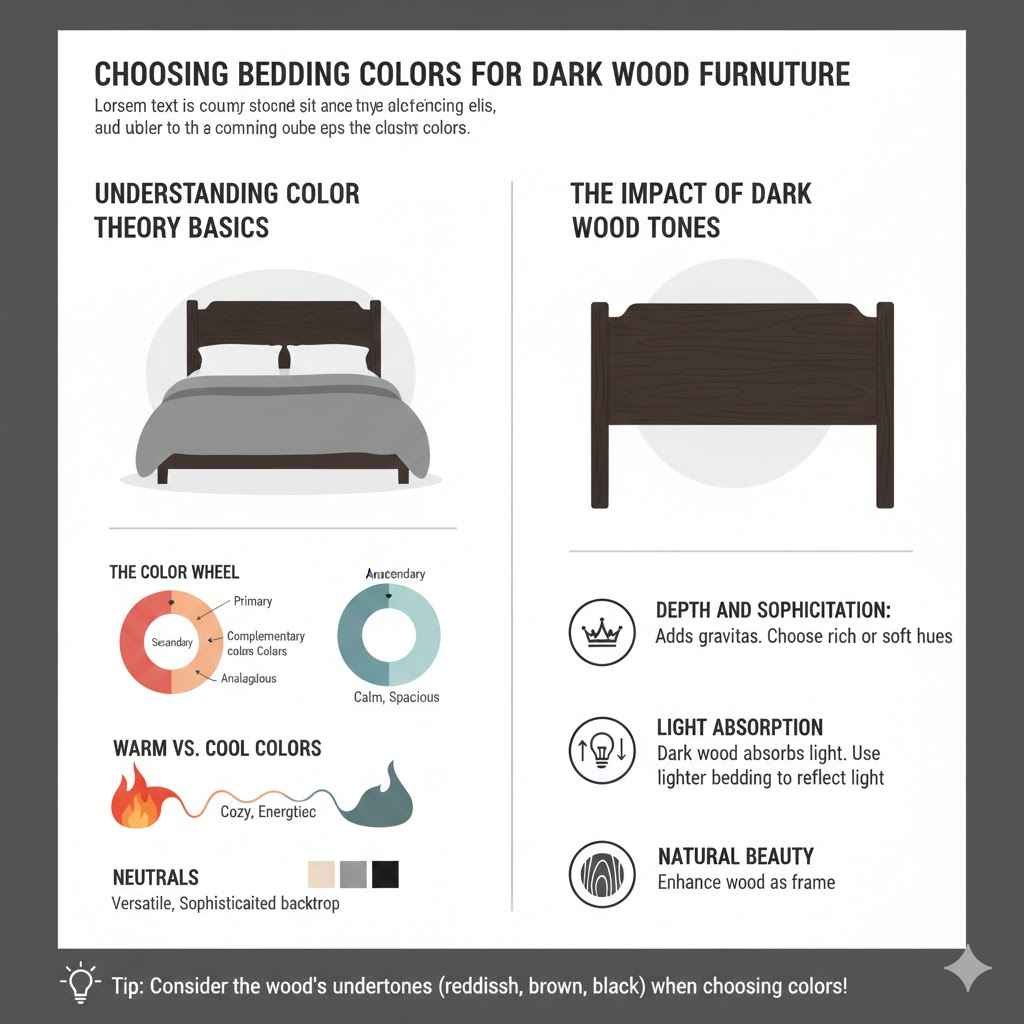
Understanding Color Theory Basics
Color theory is the science and art of using color. It explains how humans perceive color and the visual effects of how colors mix, match, or contrast with each other. For interior design, understanding basic color theory helps you make smart choices that make your room feel just right.
It’s about how colors make you feel and how they work together.
The Color Wheel: This is a visual tool that shows the relationships between primary, secondary, and tertiary colors. Understanding this wheel helps you see which colors look good next to each other, which are opposites, and which are variations of the same hue. For instance, you’ll learn about complementary colors, which are directly across from each other on the wheel, and analogous colors, which are next to each other.
Warm vs. Cool Colors: Warm colors, like reds, oranges, and yellows, tend to feel cozy and energetic. Cool colors, such as blues, greens, and purples, often create a sense of calm and spaciousness. Knowing this helps you decide if you want your bedroom to feel like a warm hug or a cool, peaceful retreat.
Neutrals: These are colors like white, black, gray, beige, and brown. They are versatile and can be paired with almost any other color. Neutrals are excellent for creating a sophisticated backdrop and are often used to ground bolder color choices. They are a safe and stylish bet when you’re unsure.
The Impact of Dark Wood Tones
Dark wood furniture, such as mahogany, walnut, or espresso finishes, brings a sense of depth, richness, and elegance to a room. Its inherent warmth and natural beauty can anchor a space. However, without the right bedding colors, dark wood can sometimes make a room feel too dark or heavy.
The key is to balance these deep tones with colors that provide light, contrast, or complement its inherent warmth.
Consider how different wood grains and undertones can affect your choices. Some dark woods might have reddish undertones, while others lean more towards brown or even black. These subtle differences can influence which bedding colors will best enhance the furniture’s natural beauty.
For example, a dark wood with warm undertones might pair beautifully with creamy whites or soft grays, while a cooler-toned dark wood could look stunning with blues or greens.
Depth and Sophistication: Dark wood naturally adds a feeling of gravitas and refinement. When selecting bedding, think about whether you want to build upon this sophistication with equally rich textures and colors, or if you’d prefer to lighten the mood with softer hues. This choice sets the overall tone for your bedroom.
Light Absorption: Dark colors absorb light, which is why dark wood furniture can make a room feel dimmer. To counteract this, bedding choices often benefit from being lighter and brighter to reflect more light, creating a more airy and open feel. This balance is crucial for a comfortable living space.
Natural Beauty: The grain and natural variations in dark wood are beautiful on their own. Bedding colors that complement these natural patterns without competing with them will allow the wood to shine. Think of bedding as a frame for the stunning centerpiece that is your dark wood furniture.
Popular Bedding Color Palettes with Dark Wood
This section will explore specific color combinations that consistently work well with dark wood furniture. We’ll move from universally appealing neutrals to bolder choices, providing concrete examples for each. The aim is to offer a clear guide so you can visualize how different shades will look and feel in your bedroom.
Elegant Neutrals
Neutrals are a fantastic starting point because they are timeless and versatile. They provide a calm and sophisticated backdrop that allows your dark wood furniture to stand out beautifully. Neutrals work by offering a gentle contrast or a harmonious blend that feels clean and uncluttered.
Crisp Whites and Off-Whites: A classic choice for a reason, crisp white bedding offers a bright, clean contrast to dark wood. It creates a sophisticated, airy feel. Off-whites, like ivory or cream, offer a softer, warmer version of this contrast. They feel cozy and inviting.
Imagine a bedroom with a dark walnut bed frame. Pairing it with pure white sheets and a duvet cover instantly brightens the space. The white acts like a spotlight, drawing attention to the rich grain and color of the wood.
This combination is perfect for creating a minimalist or modern look.
Soft Grays: Various shades of gray can be incredibly effective with dark wood. Light to medium grays offer a contemporary feel and provide a soft, soothing contrast. Darker grays can create a moodier, more dramatic look, while charcoal can be very chic.
Consider a bedroom with an espresso-colored bed. Soft, dove gray sheets with a slightly darker gray comforter can create a very polished and serene atmosphere. This palette feels grounded and mature, suitable for a guest room or a master suite where relaxation is key.
Warm Beiges and Tans: These earthy neutrals bring warmth and a natural, organic feel. They can blend seamlessly with the wood tones, creating a cohesive and inviting look. Beige and tan are excellent for creating a cozy, hygge-inspired bedroom.
If you have a mahogany bed frame, opting for a tan or beige duvet cover, perhaps with some textured throws in similar shades, can make the room feel incredibly warm and welcoming. This combination is perfect for a rustic or farmhouse-inspired aesthetic.
Soothing Blues and Greens
Blues and greens are popular choices because they are often associated with nature and tranquility. They can provide a calming contrast to the richness of dark wood, creating a bedroom that feels like a peaceful sanctuary. The way these colors interact with dark wood can evoke feelings of balance and harmony.
Navy and Deep Blues: Dark wood and navy blue are a powerful combination that exudes elegance and depth. This pairing creates a sophisticated, almost luxurious feel. Navy can be grounding and calming, making it ideal for a bedroom setting.
A dark cherry wood bed frame paired with navy blue bedding, accented with touches of gold or brass, creates a look reminiscent of a high-end hotel room. This combination is especially striking in larger rooms where the colors can be fully appreciated.
Teal and Turquoise: These vibrant yet calming shades offer a beautiful pop of color without being overwhelming. Teal, a mix of blue and green, and turquoise, a brighter blue-green, can bring a sense of exotic escape or serene water. They provide a lively contrast to dark wood.
Imagine a bedroom with a dark oak bed. Teal bedding, perhaps with subtle patterned accents, can make the room feel more vibrant and stylish. This is a great choice for adding personality and a touch of bohemian flair.
Sage and Forest Greens: These natural greens bring the outdoors in and offer a sense of calm and rejuvenation. Sage green is a softer, muted green, while forest green is deeper and more grounding. Both are excellent complements to the natural tones of dark wood.
A dark walnut bed can look stunning with sage green bedding. This pairing creates a very organic and earthy feel, promoting relaxation. For a richer look, forest green bedding can add a touch of natural drama and sophistication.
Rich and Warm Tones
While neutrals and cool tones offer contrast, warm colors can enhance the inherent richness of dark wood, creating a cozy and inviting atmosphere. These colors often draw out the wood’s natural warmth and depth. They can make a room feel particularly intimate and comfortable.
Terracotta and Burnt Orange: These earthy, warm hues bring a cozy, bohemian, or rustic vibe. They complement the deep tones of dark wood, creating a feeling of warmth and comfort. These colors often remind people of natural elements like clay and sunsets.
A dark wood bed frame in a room with terracotta bedding can feel incredibly inviting and grounded. This combination is perfect for creating a warm and cozy retreat, especially during cooler months.
Mustard Yellow and Ochre: These rich, golden tones add a touch of warmth and vibrancy without being too loud. They can create a cheerful yet sophisticated feel, especially when paired with dark wood. They bring a sense of sunshine and comfort.
Pairing a dark wood bed with mustard yellow bedding can add a cheerful and stylish element to the room. This combination works well for creating a welcoming and slightly retro-inspired space.
Deep Reds and Burgundy: For a more dramatic and luxurious feel, deep reds and burgundy can be stunning with dark wood. These colors exude richness and passion. They create a very intimate and elegant atmosphere.
A dark ebony bed frame with burgundy bedding can create a truly opulent and romantic bedroom. This pairing is ideal for those who want to create a dramatic and sophisticated statement.
Considering Patterns and Textures
Beyond solid colors, patterns and textures play a vital role in how bedding interacts with dark wood furniture. They add visual interest and depth, preventing a room from feeling monotonous. The right pattern or texture can either soften or enhance the presence of dark wood.
Subtle Geometric Patterns: Patterns with clean lines and geometric shapes, especially in neutral or muted tones, can add visual interest without overwhelming the dark wood. Think of simple stripes, chevrons, or abstract designs. These can add a modern touch.
A dark wood bed with bedding featuring a subtle gray and white geometric pattern can add a contemporary edge. The pattern provides visual texture that complements the smooth finish of the wood without competing for attention.
Floral and Botanical Prints: For a softer, more organic feel, floral or botanical prints can be beautiful. They bring a touch of nature indoors and can soften the intensity of dark wood. Choose prints where the colors complement or provide a pleasing contrast to the wood.
Dark wood furniture paired with bedding featuring a muted floral print in greens and creams can create a romantic and serene atmosphere. This look is particularly effective in bedrooms aiming for a vintage or cottage-inspired aesthetic.
Textured Fabrics: Materials like linen, velvet, chunky knits, or waffle weaves add tactile and visual depth. These textures can make the bedding feel more luxurious and inviting, and they can also help to absorb light, making the room feel cozier.
A dark wood bed frame can look incredibly sophisticated with linen bedding in a neutral tone, like beige or soft gray. The natural texture of linen adds a relaxed elegance. Velvet throws or pillows in deep jewel tones can add a touch of opulence and warmth.
The Role of Contrast and Harmony
When pairing bedding with dark wood, you’re essentially playing with contrast and harmony. Contrast creates visual excitement and defines the furniture, while harmony creates a sense of balance and flow. Both are important for a well-designed room.
High contrast, such as dark wood with bright white bedding, makes the furniture pop and creates a bold statement. Low contrast, like dark wood with deep browns or muted greens, creates a more unified and serene look. The goal is to find a balance that suits your personal style and the overall mood you want for your bedroom.
Creating Visual Interest: Contrast is key to preventing a room from feeling flat. For example, a dark wood dresser against a lighter colored wall creates separation and highlights the dresser’s form. Similarly, bedding that contrasts with the wood will make the bed a focal point.
Achieving Balance: Harmony ensures the room feels cohesive. If you have a lot of dark wood, incorporating softer textures and complementary colors in your bedding will create a more balanced and inviting space. Too much of one thing can make a room feel overwhelming.
Mood Setting: The level of contrast directly impacts the room’s mood. High contrast can feel energetic and modern, while low contrast tends to be more calming and traditional. Consider how you want to feel in your bedroom when making these choices.
Putting It All Together A Step-By-Step Approach
Now that we’ve explored various color families and design principles, let’s outline a simple process for selecting your perfect bedding. This approach will help you make confident choices that result in a beautifully coordinated bedroom. It moves from broad considerations to specific details.
Step 1 Assess Your Room’s Existing Colors and Light
Before you even look at bedding, take stock of what you already have. What color are your walls? What about your carpet or flooring?
How much natural light does the room get? These factors will influence how any bedding color will appear.
Wall Color: Light walls will make bedding colors appear brighter. Dark walls will absorb light, making colors appear deeper and richer. If your walls are a neutral color, you have more flexibility with your bedding.
Flooring: Consider the color and material of your floors. If you have dark floors, lighter bedding can help to break up the darkness. If your floors are light, you can play with a wider range of bedding colors.
Natural Light: A room with ample natural light can handle darker or more saturated bedding colors. A room with less light might benefit from lighter, brighter bedding to maximize the feeling of spaciousness.
Step 2 Define Your Desired Mood
Think about how you want your bedroom to feel. Do you want it to be a peaceful oasis, a cozy retreat, a vibrant space, or a sophisticated haven? Your desired mood will guide your color and texture choices significantly.
For a serene and relaxing bedroom, think of cool colors like blues and greens, or soft, muted neutrals. For a warm and cozy feel, consider earthy tones like terracotta or mustard yellow, or rich textures like velvet. If you prefer a dramatic and elegant look, deep jewel tones or bold contrasts can work well.
Relaxation and Calm: Opt for soft blues, greens, grays, or off-whites. Focus on smooth textures.
Cozy and Inviting: Choose warm neutrals, earthy tones, or deep, rich colors. Incorporate plush or textured fabrics like knits.
Vibrant and Energetic: Use brighter accents, bolder colors like teal or mustard yellow, and perhaps some playful patterns.
Sophisticated and Elegant: Stick to refined neutrals, deep jewel tones, and luxurious textures like silk or velvet.
Step 3 Select Your Core Bedding Colors
Based on your room assessment and desired mood, start choosing your main bedding colors. It’s often helpful to pick a duvet cover or comforter first, as this is usually the largest piece of bedding.
If you’re unsure, start with a neutral base. For example, a set of crisp white sheets always looks good with dark wood. Then, you can add a duvet cover or quilt in a color that matches your desired mood.
Start with the Largest Piece: Choose a duvet cover, comforter, or quilt in your primary color. This will set the tone for the rest of your bedding.
Consider Two to Three Colors: Aim for a palette of two to three coordinating colors for your bedding ensemble. This keeps the look cohesive without being too busy.
Think About Undertones: If your dark wood has warm undertones (reddish, yellowish), consider bedding that complements or contrasts these warmly. If it has cooler undertones (more brown or gray), cooler bedding colors might work best.
Step 4 Add Accent Pieces and Textures
Once you have your main bedding pieces, add accent pillows, throws, and perhaps a rug to tie everything together. These elements are where you can really personalize your look and introduce extra layers of color and texture.
Mix and match textures. For instance, pair a smooth satin pillow with a chunky knit throw. This adds visual and tactile interest.
Even a simple dark wood bed can feel complete with a few well-chosen accent pieces.
Accent Pillows: Choose pillows in coordinating colors or patterns that add personality. They can be solids, patterns, or textured.
Throws and Blankets: A soft throw draped over the end of the bed adds warmth, texture, and an extra layer of color.
Area Rugs: A rug can anchor the bed and the entire room. Consider colors and patterns that tie in with your bedding.
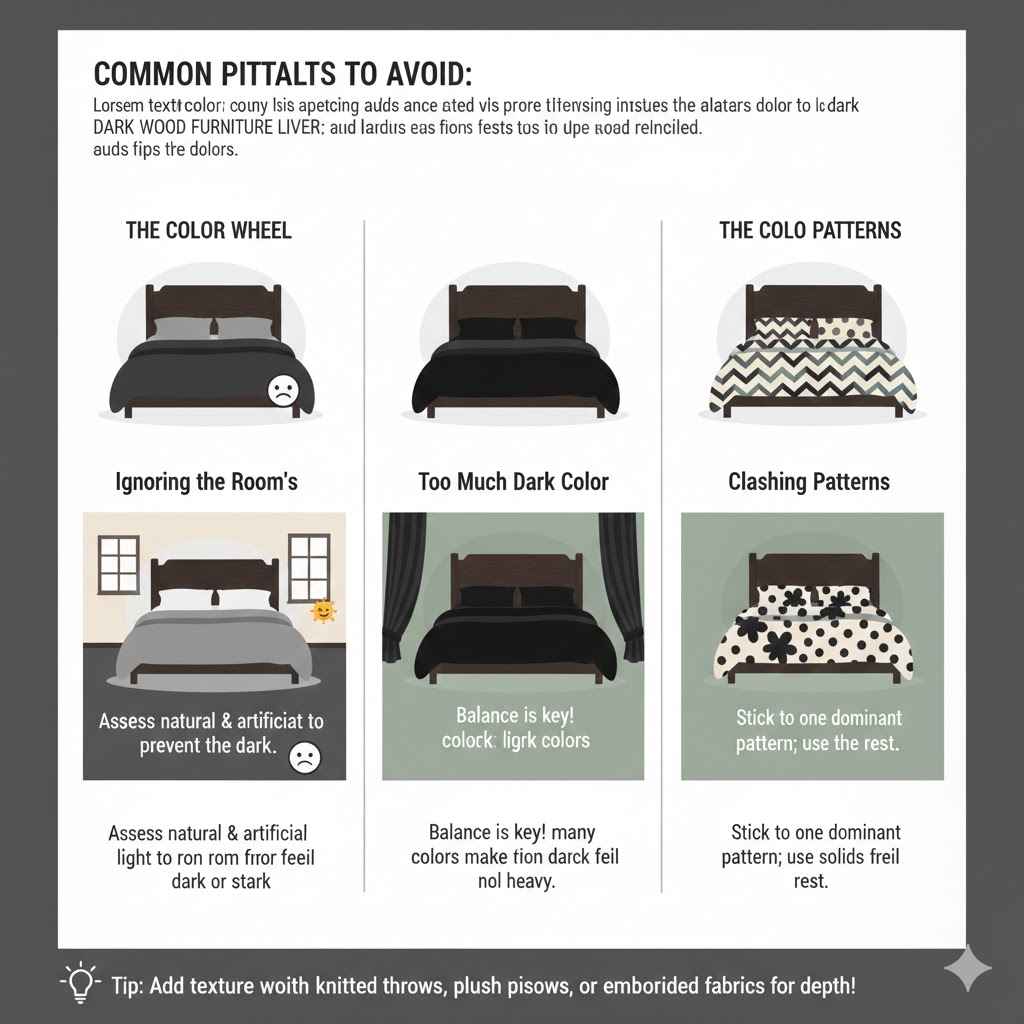
Common Pitfalls to Avoid
Even with the best intentions, there are a few common mistakes people make when choosing bedding for dark wood furniture. Avoiding these can save you from potential decorating headaches. These are the typical traps that can lead to a less-than-ideal room.
Ignoring the Room’s Light: As mentioned, not considering how much light your room gets can lead to a space that feels too dark or too stark. Always assess the natural and artificial light sources in your bedroom.
Too Much Dark Color: While dark wood is beautiful, using too many dark colors in your bedding and decor can make the room feel heavy and closed in. Balance is key.
Clashing Patterns: While mixing patterns can be stylish, ensure they work together. If you’re unsure, stick to one dominant pattern and use solids for the rest.
Forgetting Texture: A room with only smooth surfaces can feel a bit sterile. Adding different textures makes the space feel more inviting and layered.
Frequently Asked Questions
Question: What is the best color for bedding with dark wood furniture?
Answer: There isn’t one single “best” color, as it depends on the mood you want. However, crisp whites, soft grays, sage greens, and muted blues are very popular and safe choices for a calm, elegant look. Earthy tones like terracotta or mustard yellow also work well for a cozy feel.
Question: Can I use black bedding with dark wood furniture?
Answer: Yes, you can use black bedding with dark wood furniture, but it creates a very dramatic and moody effect. To prevent the room from feeling too dark, ensure you have plenty of good lighting and perhaps lighter accent pieces or wall colors to provide contrast.
Question: What color sheets go with a dark wood bed?
Answer: White, ivory, or cream sheets offer a classic, bright contrast. Light grays, soft blues, or even muted greens also pair well, creating a softer, more harmonious look. Consider the overall color scheme and mood you are aiming for.
Question: Should bedding colors match the dark wood exactly?
Answer: No, it’s generally better to choose colors that complement or contrast with the dark wood rather than match it exactly. Matching too closely can make the furniture and bedding blend together, losing definition. Aim for contrast or harmonious tones.
Question: What if my dark wood furniture has warm undertones?
Answer: If your dark wood has warm undertones (like mahogany or cherry wood), colors that complement warmth, such as deep reds, oranges, creams, or even certain greens, can enhance its richness. Alternatively, cool tones like blues or grays can provide a beautiful contrast.
Summary
Selecting bedding for dark wood furniture is all about balance. Crisp whites, soothing blues, earthy greens, and warm neutrals are excellent choices. Consider your room’s light and your desired mood.
Adding textures and accent pieces brings the look together for a beautiful, inviting bedroom.