What Does a DPF Warning Light Look Like? A Complete Guide for Diesel Vehicle Owners
Hey there! If you’re reading this, chances are you’ve seen a strange light pop up on your diesel vehicle’s dashboard, and you’re wondering, “What does a DPF warning light look like?” Don’t worry—I’ve been there too, staring at that glowing symbol, trying to figure out what my car is trying to tell me. As someone who’s dug deep into the world of diesel vehicles and their quirks, I’m here to walk you through everything you need to know about the DPF warning light.
From what it looks like to what it means and how to handle it, I’ve got you covered with practical advice and real-world insights. Let’s dive in and make sense of this together!
Understanding the Diesel Particulate Filter (DPF)
First things first, let’s talk about what a DPF actually is. A Diesel Particulate Filter, or DPF, is like the unsung hero of your diesel vehicle’s exhaust system. It’s a device designed to trap harmful soot particles produced by your engine before they escape into the air. Think of it as a filter that keeps the environment cleaner by reducing emissions. Since 2009, most diesel vehicles in the USA have been required to have a DPF to meet strict emissions standards. It’s a crucial part of keeping your car legal and eco-friendly.
But here’s the catch: the DPF can get clogged with soot over time, especially if you’re driving short distances or idling a lot. When that happens, your vehicle’s computer system notices the buildup and lights up the DPF warning light to grab your attention. This light is your car’s way of saying, “Hey, I need a little help here!” Ignoring it can lead to bigger problems, so understanding what it looks like and what it means is super important.
What Does a DPF Warning Light Look Like?
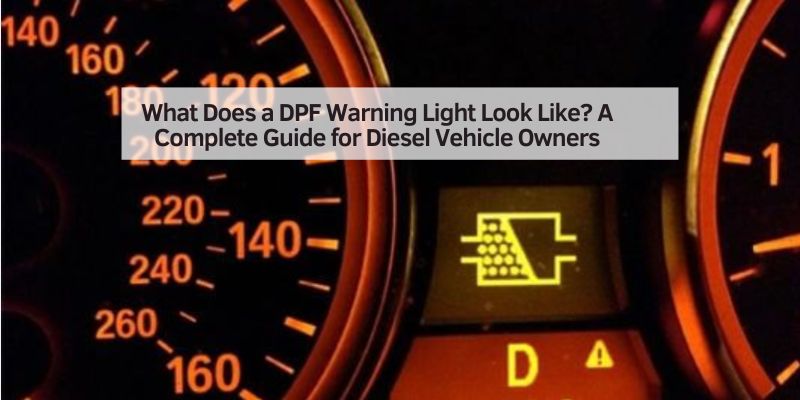
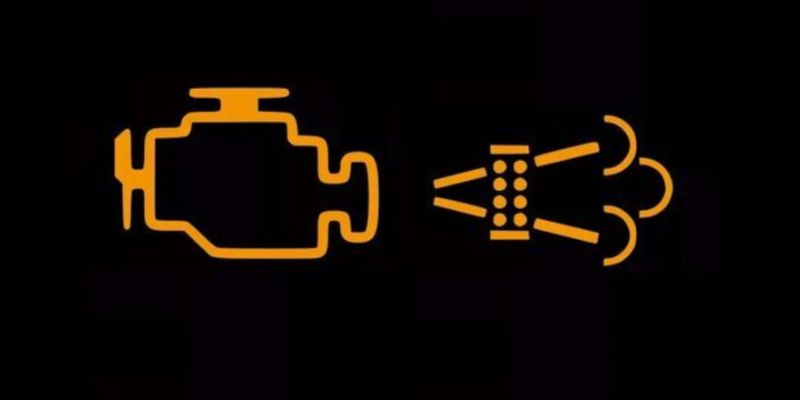
So, let’s get to the main question: what does this warning light actually look like? If you’re picturing a bright, flashing neon sign, it’s not quite that dramatic, but it’s distinct enough to notice. In most vehicles, the DPF warning light is an orange or amber icon that resembles an exhaust pipe with small dots or circles inside a rectangular box. The dots represent the soot particles trapped in the filter.
However, the exact design can vary depending on your vehicle’s make and model. For example:
- In some vehicles, like certain BMWs, the DPF warning light might appear on a multifunctional display screen with a message like “DPF Issue” or “Exhaust Filter Problem.”
- In brands like Nissan or Ford, it’s often a standalone light with the exhaust pipe and dots icon.
- Some trucks, like heavy-duty models, might show a more detailed symbol, like an engine with smoke or a thermometer, especially if the DPF is in regeneration mode.
Here’s a quick table to give you a sense of how the DPF warning light might look across different brands:
| Vehicle Brand | Typical DPF Warning Light Description |
|---|---|
| Ford | Orange exhaust pipe with dots inside a box |
| BMW | Message on display or amber exhaust icon |
| Nissan | Amber rectangular box with dots |
| Chevrolet | Exhaust pipe with circles or engine icon |
| Volkswagen | Amber DPF symbol with dots or warning text |
If you’re unsure about the light on your dashboard, check your vehicle’s owner’s manual. It’ll have a diagram of all the warning lights specific to your car. Trust me, I’ve spent my fair share of time flipping through those manuals, and they’re a lifesaver when you’re trying to decode dashboard mysteries!

Why Does the DPF Warning Light Come On?
Now that you know what the light looks like, let’s talk about why it’s showing up in the first place. The DPF warning light is your vehicle’s way of telling you that the filter is getting clogged with soot. This happens when the filter can’t clean itself through a process called regeneration. Regeneration is when the DPF burns off trapped soot at high temperatures, turning it into ash that can pass through the filter.
Here’s why the light might come on:
- Short Trips or Low-Speed Driving: If you mostly drive short distances or in stop-and-go traffic, your exhaust system doesn’t get hot enough for passive regeneration to occur. I learned this the hard way when I was commuting just a few miles a day in my diesel truck—my DPF light became a frequent visitor!
- Faulty Sensors: The DPF pressure sensor monitors soot levels. If it malfunctions, it might think the filter is full when it’s not, triggering the light.
- Poor Maintenance: Using the wrong engine oil or neglecting regular servicing can lead to more soot buildup, clogging the DPF faster.
- Engine Issues: Problems like air leaks or over-fueling can increase soot production, overwhelming the DPF.
When the light comes on, it’s usually orange or amber, which means it’s advisory—think of it as a nudge to take action. If it starts flashing or turns red, that’s a more urgent warning, signaling that the filter is nearly full or there’s a serious issue. In my experience, catching it early can save you a lot of hassle (and money!).
What Happens If You Ignore the DPF Warning Light?
I’ll be honest—ignoring the DPF warning light is a bad idea. I made that mistake once, thinking it was just a glitch, and it cost me a pricey repair. When the DPF gets too clogged, your vehicle might enter “limp mode,” which limits power and speed to protect the engine. It’s like your car is saying, “I’m not moving until you fix this!”
Here’s what could happen if you keep driving with the light on:
- Reduced Performance: A clogged DPF restricts exhaust flow, making your engine feel sluggish. You might notice it struggles to accelerate or feels underpowered.
- Increased Fuel Consumption: The engine works harder to push exhaust through a blocked filter, burning more fuel. I saw my gas mileage drop noticeably when my DPF was clogged.
- MOT Failure: In the USA, emissions tests are part of vehicle inspections in many states. A blocked DPF can cause excessive emissions, leading to a failed test.
- Expensive Repairs: If the filter becomes completely blocked, you might need a replacement, which can cost anywhere from $1,000 to $5,000, depending on your vehicle. Trust me, that’s not a bill you want to see.
The worst-case scenario? Ignoring the light could damage other engine components, like the turbo or catalytic converter, leading to even costlier repairs. My advice? Don’t wait—address the light as soon as you see it.
How to Fix a DPF Warning Light
Okay, so the light’s on—what now? The good news is that you might be able to fix it yourself, depending on the situation. Here’s what I’ve learned from tackling DPF issues over the years:
1. Try a Regeneration Drive
The simplest fix is to take your vehicle for a drive to trigger passive regeneration. Drive on a highway at a steady speed of at least 40 mph for 10 to 20 minutes. This heats up the exhaust system, allowing the DPF to burn off soot. I’ve done this a few times, and it’s like giving your car a chance to clear its throat. Just make sure you’re not stopping and starting—keep it steady.
2. Use a DPF Cleaner
If a highway drive doesn’t work, you can try a DPF cleaning additive. These products lower the temperature needed for regeneration, helping the filter clear out soot. I’ve used brands like Redex, and they can be a lifesaver for city drivers. Just pour the additive into your fuel tank, follow the instructions, and take your car for a drive.
3. Visit a Mechanic
If the light stays on, it’s time to call in the pros. A mechanic can perform a forced regeneration using diagnostic tools, which is more aggressive than passive regeneration. They can also check for underlying issues, like a faulty sensor or engine problem. I’ve found that a good mechanic can diagnose the issue in under an hour and save you from bigger headaches.
4. Professional DPF Cleaning
For stubborn clogs, a professional DPF cleaning service might be needed. This involves removing the filter and cleaning it with specialized equipment. It’s cheaper than a replacement—usually $200 to $500—and can make your DPF work like new again.
5. Replacement (Last Resort)
If the filter is damaged or too clogged to clean, you’ll need a new DPF. This is expensive, so I always recommend exploring other options first. Aftermarket DPFs can be more affordable than dealership parts, but make sure they’re high-quality to avoid future issues.
How to Prevent DPF Warning Light Issues
Prevention is always better than a cure, right? After dealing with my share of DPF headaches, I’ve picked up some habits to keep the warning light at bay:
- Drive Longer Distances: Try to take your diesel vehicle on a highway drive at least once every couple of weeks. Aim for 30 minutes at 40-50 mph to allow passive regeneration.
- Use the Right Oil: Always use low-ash (low SAPS) engine oil designed for DPF-equipped vehicles. It reduces soot buildup and keeps your filter happy.
- Maintain Your Vehicle: Regular servicing catches issues early, like faulty sensors or engine problems that could clog the DPF.
- Avoid Short Trips: If you only drive short distances, consider a gasoline vehicle instead. Diesels thrive on longer journeys, and I learned this after switching to a gas car for my daily commute.
- Use Quality Fuel: Poor-quality diesel can leave impurities that clog the DPF. Stick to reputable gas stations to keep your fuel clean.
Common Symptoms of a Clogged DPF (Beyond the Warning Light)
Sometimes, the DPF warning light isn’t the only clue that something’s wrong. Here are other signs I’ve noticed when a DPF is clogged:
- Black Smoke from Exhaust: If you see dark smoke coming from your tailpipe, it’s a sign the DPF isn’t filtering properly.
- Poor Fuel Economy: A clogged DPF makes your engine work harder, burning more fuel.
- Loss of Power: Your car might feel sluggish, especially when accelerating.
- Strange Engine Noises: You might hear a different idle sound or notice your cooling fans running louder during regeneration.
- Diesel Smell in Cabin: A clogged DPF can cause unburned fuel to linger, creating a strong diesel odor.
If you notice these symptoms along with the warning light, don’t wait—take action to avoid bigger problems.
Why Diesel Vehicles Are Still Worth It
You might be wondering, “If DPFs are such a hassle, why bother with a diesel vehicle?” I get it—DPF issues can be frustrating. But diesel vehicles have their perks, especially for certain drivers. They’re fuel-efficient, great for long-distance driving, and often have better torque for towing or hauling. I love my diesel truck for road trips and heavy-duty tasks, even with the occasional DPF maintenance.
The key is understanding your driving habits. If you’re mostly doing short trips around town, a diesel might not be the best fit. But if you’re hitting the highway regularly or need a workhorse vehicle, a diesel with a DPF can be a great choice—just keep up with maintenance.
Conclusion
Phew, we’ve covered a lot, haven’t we? The DPF warning light might seem like a small annoyance, but it’s your vehicle’s way of asking for help. Whether it’s an amber exhaust pipe with dots or a message on your display, don’t ignore it. By understanding what the light looks like, why it comes on, and how to fix it, you can keep your diesel vehicle running smoothly and avoid costly repairs. I’ve been down this road (pun intended), and trust me—taking action early makes all the difference.
So, next time that light pops on, try a highway drive, use a DPF cleaner, or call your mechanic. And don’t forget to maintain your vehicle with regular long drives and the right oil. Your car (and your wallet) will thank you! Got more questions about DPFs? Keep reading for some FAQs that might help clear things up.
FAQs
What Does a Flashing DPF Warning Light Mean?
A flashing DPF warning light is more serious than a solid one. It usually means the filter is nearly full of soot—around 70% or more. Your vehicle might go into limp mode to protect the engine, limiting power and speed. Try a regeneration drive immediately, and if that doesn’t work, get to a mechanic ASAP.
Can I Drive with the DPF Warning Light On?
You can drive for a short time, but it’s not a good idea to ignore it. A short highway drive at 40 mph or more might clear the light by triggering regeneration. If it stays on, see a professional to avoid damage or limp mode.
How Much Does It Cost to Fix a DPF Issue?
Costs vary. A regeneration drive is free if it works. A professional cleaning might cost $200-$500. A new DPF can range from $1,000 to $5,000, depending on your vehicle. Aftermarket parts are cheaper but check their quality.
Can a Blocked DPF Cause an MOT Failure?
Yes, a blocked DPF can lead to an MOT failure in states with emissions testing. Excessive soot or a warning light on the dashboard signals emissions issues, which can result in a failed test.
How Often Should I Drive on the Highway to Prevent DPF Issues?
Aim for a 30-minute highway drive at 40-50 mph every couple of weeks. This allows passive regeneration to keep the DPF clear. If you can’t do this regularly, consider a DPF cleaner or professional maintenance.