What Happens If You Burn Pressure Treated Wood?
Thinking about burning leftover wood from your deck or fence project? You might wonder, What Happens If You Burn Pressure Treated Wood? It’s a common question, especially if you’re new to DIY or dealing with old lumber. Burning this wood can be tricky because of the chemicals used to protect it.
But don’t worry! We’re here to make it simple and clear. We’ll walk you through what you need to know, step-by-step, so you can make safe choices.
Let’s figure this out together.
Understanding Pressure Treated Wood
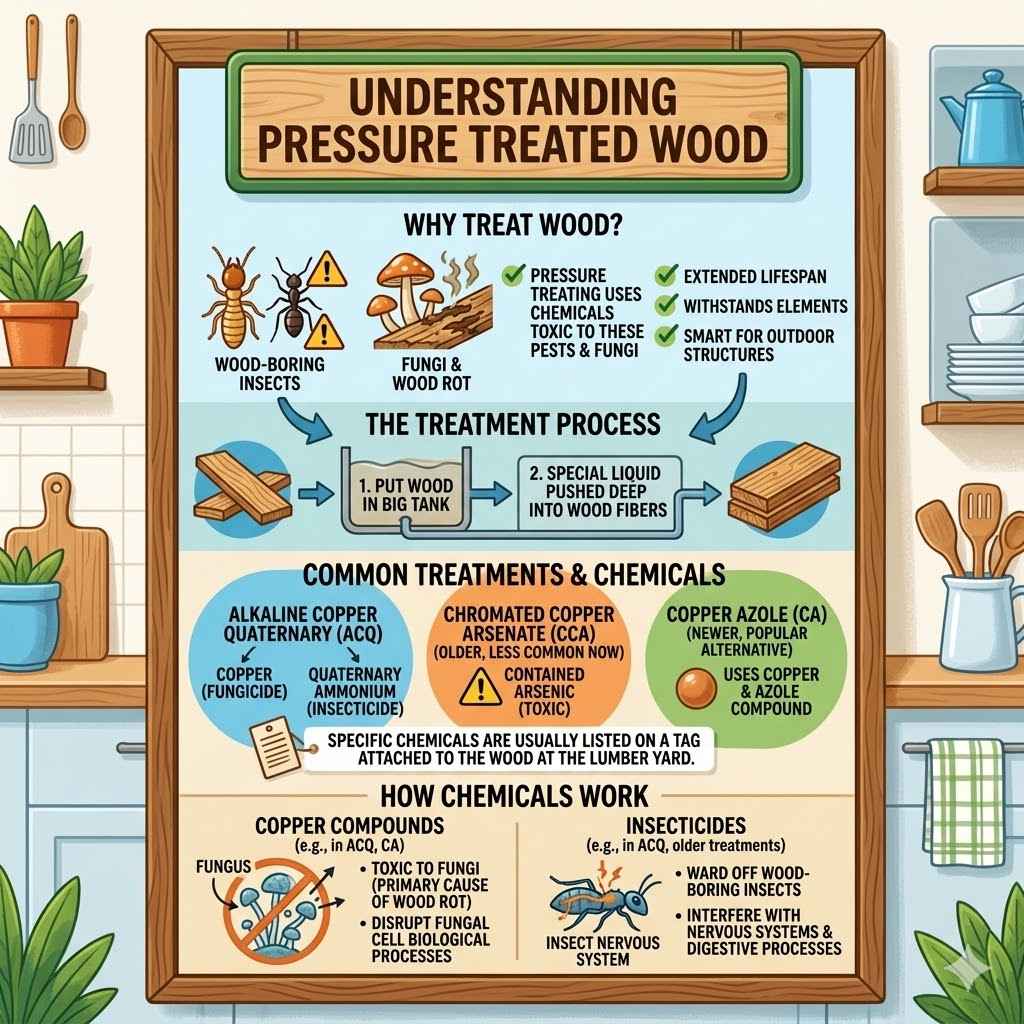
Pressure treated wood is specially made to last a long time, especially when it’s outside and might get wet. The wood gets put into a big tank and a special liquid is pushed deep into the wood fibers. This liquid is a type of chemical that stops bugs from eating the wood and stops rot from growing.
It’s like giving the wood a super shield against nature. This process helps wood used for things like decks, fences, and playground structures stay strong and safe for many years.
Why Treat Wood?
Wood is a natural material. Without protection, it can easily be damaged. Insects like termites and carpenter ants love to chew on wood, weakening it over time.
Fungi also cause rot, especially in damp conditions, making the wood soft and crumbly. Pressure treating wood uses chemicals that are toxic to these pests and fungi. This means the wood can withstand the elements much better than regular, untreated wood.
It’s a smart way to make outdoor structures last longer and stay safer.
The goal of pressure treating is to extend the lifespan of wood products. This is especially important for structural components or any wood that will be in contact with the ground. For example, a deck built with untreated wood might only last a few years before needing repairs or
Common Treatments and Chemicals
One of the most common treatments used for pressure treated wood is Alkaline Copper Quaternary (ACQ). This treatment uses copper and quaternary ammonium compounds to protect the wood. The copper acts as a fungicide, and the quaternary ammonium compounds are insecticides.
Another older, but less common now, treatment was Chromated Copper Arsenate (CCA). CCA contained arsenic, which is a toxic element. Because of health concerns, CCA is no longer used for most residential wood products, especially those that people might touch or children might play on.
Newer treatments often use less toxic chemicals. For instance, Copper Azole (CA) is another popular alternative that also uses copper but pairs it with an azole compound. These chemicals are designed to be effective at preventing decay and insect infestation while posing minimal risk to humans and the environment when used as intended.
The specific chemicals used are usually listed on a tag attached to the wood at the lumber yard. This tag is a good source of information about the type of treatment.
How Chemicals Work
The chemicals in pressure treated wood work in different ways to protect the lumber. Copper compounds, like those in ACQ and CA, are toxic to fungi. Fungi are the primary cause of wood rot.
They feed on the wood’s starches and sugars, breaking down its structure. By introducing copper deep into the wood, the treatment makes the wood unappealing and deadly to these organisms. The copper ions disrupt essential biological processes within the fungal cells, preventing them from growing and spreading.
Insecticides are also added to ward off wood-boring insects. These chemicals, like the quaternary ammonium compounds or other organic insecticides, interfere with the nervous systems of insects. They can also disrupt their digestive processes or act as repellents, making the wood inedible or dangerous for them to inhabit.
Together, these chemical components create a powerful barrier that significantly increases the wood’s resistance to biological degradation. This makes the treated wood suitable for outdoor use.
What Happens If You Burn Pressure Treated Wood?
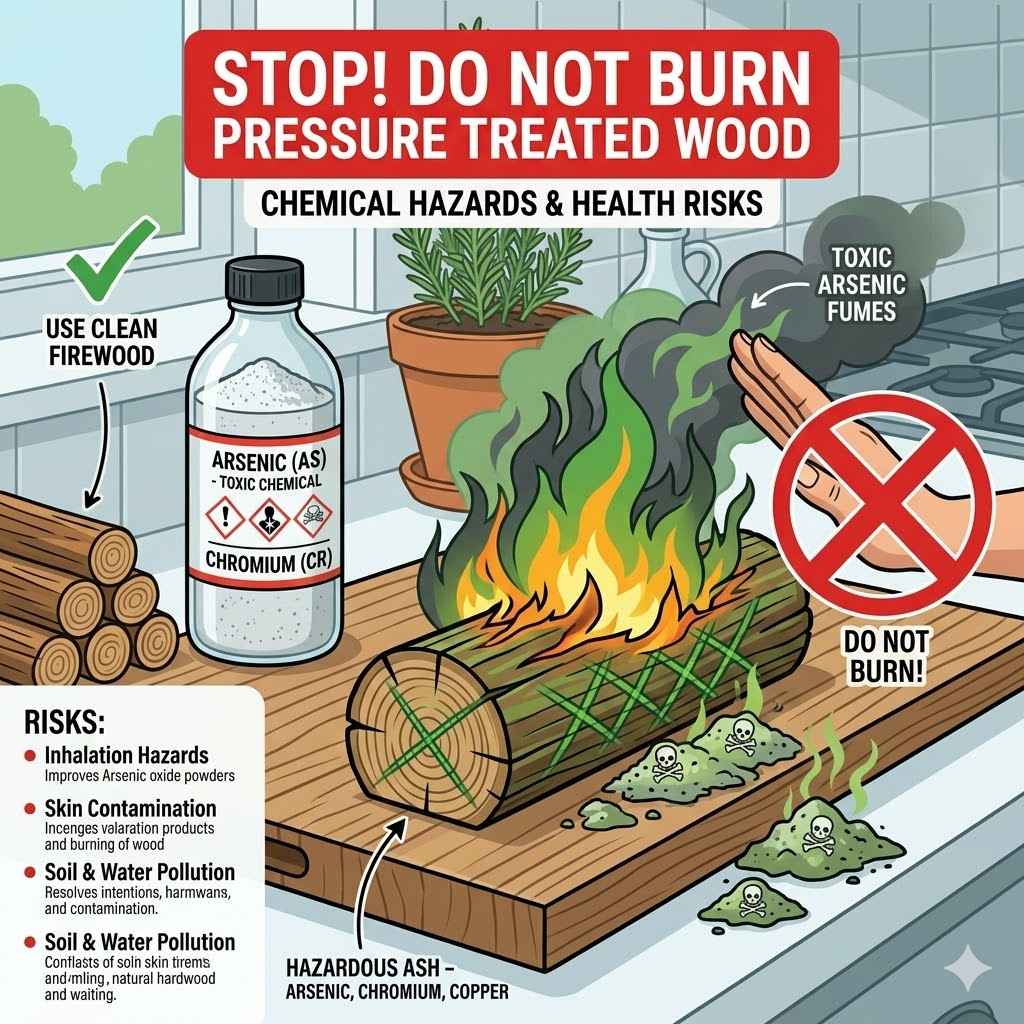
Burning pressure treated wood is not recommended, and here’s why. When you burn wood treated with these chemicals, the heat causes the chemicals to break down and release fumes. These fumes can contain harmful substances.
The specific chemicals used in the treatment will determine exactly what kinds of fumes are released. Some of these fumes are irritating to the lungs and eyes, and some can be quite toxic. Even if you can’t see or smell them, they are still present in the smoke.
Smoke and Fumes Release
The combustion of pressure treated wood releases a complex mixture of gases and particulate matter. When wood burns, it undergoes pyrolysis, a chemical decomposition process driven by heat. In the case of pressure treated wood, the added chemicals are also subjected to high temperatures.
Many of these chemicals, particularly those containing copper or certain organic compounds, will vaporize or break down into smaller, potentially hazardous molecules. The smoke you see will contain these airborne compounds.
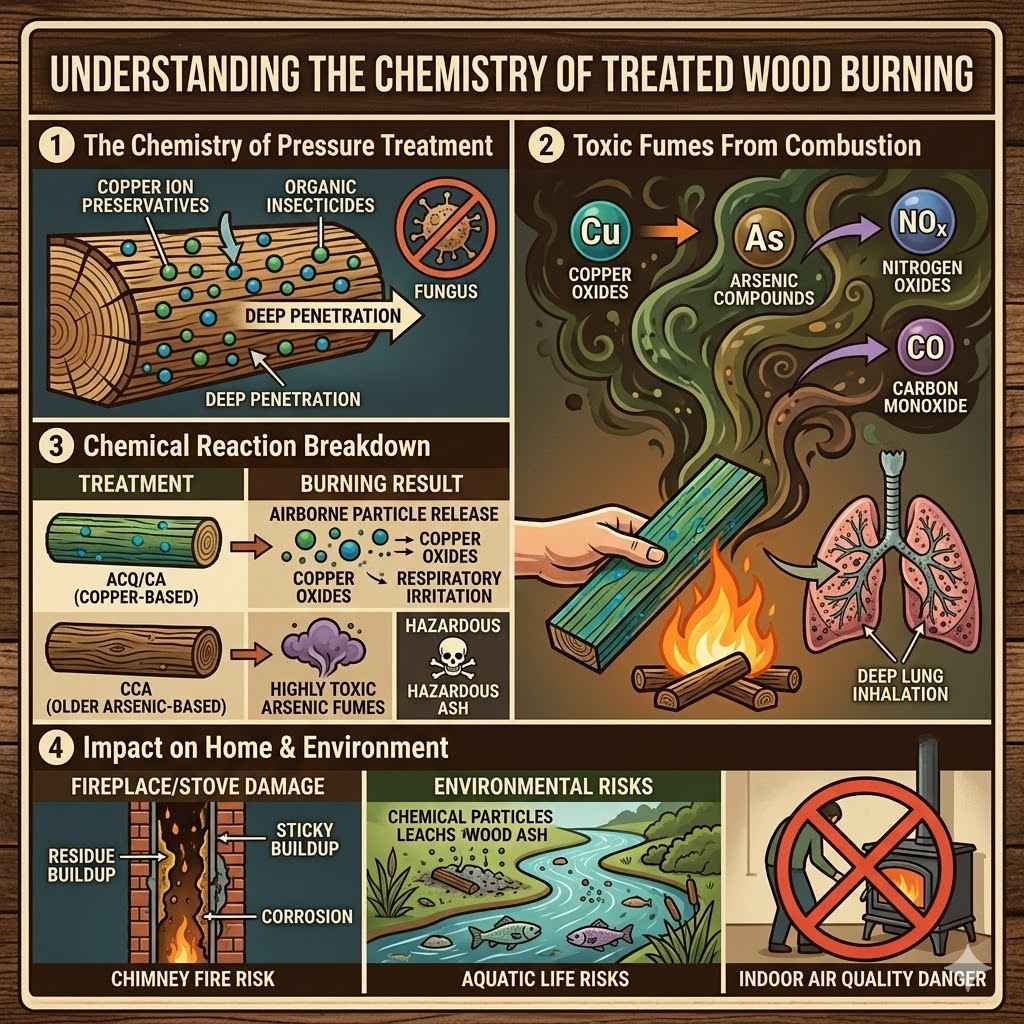
For example, burning wood treated with ACQ can release copper oxides and other metal compounds. These can be irritating if inhaled. Older treatments like CCA would release arsenic compounds, which are known carcinogens.
Even with newer, less toxic treatments, the burning process can create byproducts that are not safe to breathe. The intensity of the smoke and the concentration of harmful chemicals depend on factors like the type of wood, the specific treatment chemicals, and how completely it burns.
Health Risks of Inhaling Smoke
Inhaling smoke from burning pressure treated wood can lead to several health problems. For immediate effects, people might experience coughing, shortness of breath, and irritation to the eyes, nose, and throat. Those with existing respiratory conditions, such as asthma or bronchitis, are particularly vulnerable and can have severe reactions.
The particulate matter in the smoke can settle in the lungs, causing inflammation and long-term damage.
Longer-term exposure to certain chemicals released during combustion could potentially increase the risk of more serious health issues. While a single instance of brief exposure might not cause lasting harm for a healthy adult, repeated or prolonged exposure to these fumes can be dangerous. It’s important to avoid breathing in any smoke from burning treated wood.
This is why burning it in open fires or home fireplaces is strongly discouraged by safety experts and environmental agencies.
Environmental Concerns
Beyond the immediate health risks to individuals, burning pressure treated wood also poses environmental concerns. The smoke released can contribute to air pollution. When these chemicals are released into the atmosphere, they can travel and settle on soil and water sources.
This can impact local ecosystems and potentially enter the food chain. For instance, heavy metals like copper can accumulate in the soil, affecting plant growth and harming beneficial soil organisms.
The ash left behind after burning pressure treated wood is also a concern. It can contain residual chemicals from the treatment process. If this ash is not disposed of properly, it can leach into the ground or be washed away into waterways.
This further contaminates the environment. Proper disposal of treated wood, especially old or damaged pieces, is crucial to minimize these environmental impacts. This often involves taking it to specific waste disposal sites that can handle chemically treated materials safely.
Ash Disposal Issues
The ash from burned pressure treated wood is not like the ash from burning natural firewood. It can contain trace amounts of the preservatives used in the treatment process. If you spread this ash on your garden, for example, the chemicals could be absorbed by your plants or contaminate your soil.
This can harm plants and make them unsafe for consumption. Similarly, if the ash is washed into storm drains, it can end up in rivers and lakes, affecting aquatic life.
For these reasons, it is usually recommended to treat the ash from burning pressure treated wood as hazardous waste. This means it should not be added to regular compost or garden beds. Instead, it should be collected and disposed of according to local regulations for treated wood waste.
Some areas may have specific collection sites or require it to be bagged and sent to a specialized landfill. Always check with your local waste management authority for the correct disposal methods.
Legal and Regulatory Aspects
In many places, there are regulations about how pressure treated wood can be disposed of, and this often extends to how it can be burned. Burning treated wood in residential areas or for recreational fires is often prohibited by local ordinances or state environmental laws. These rules are put in place to protect public health and the environment from the harmful fumes and byproducts.
Checking these regulations is an important step before deciding what to do with old treated wood.
These regulations vary significantly depending on your location. Some municipalities have strict bans on burning treated wood, while others might have specific guidelines about where and how it can be burned, if at all. The reason behind these laws is the potential for the smoke to drift into populated areas, affecting many people and the surrounding environment.
Compliance with these rules helps ensure that everyone is protected and that environmental damage is minimized. It’s always best to err on the side of caution.
Safe Disposal and Alternatives
Since burning pressure treated wood is risky, it’s important to know safe ways to get rid of it. The best approach is usually to dispose of it through designated waste management channels. Many local waste disposal sites have specific areas for treated wood.
They know how to handle these materials safely, often through industrial incineration or by sending them to specialized landfills designed to contain any potential contaminants. Always call ahead to your local waste facility to ask about their procedures for treated wood.
Proper Waste Disposal Methods
One of the safest ways to dispose of pressure treated wood is to take it to your local landfill or transfer station. Most of these facilities have separate areas for construction and demolition debris, which includes treated wood. They are equipped to handle such materials responsibly.
Some areas also have special collection days for household hazardous waste, and treated wood might be included in these events. It is important to confirm with your local authorities.
Recycling is also becoming a more viable option for treated wood. Some companies specialize in recycling treated lumber. They might repurpose it for non-residential uses, like in industrial applications where the potential for human exposure is minimal.
Another option, if the wood is not too degraded, is to use it for projects where it won’t be burned or come into close contact with people. However, always check local rules.
When to Use a Professional Service
If you have a large amount of pressure treated wood to dispose of, or if you are unsure about the disposal options in your area, hiring a professional waste removal service can be a good idea. These companies are experienced in handling all types of waste, including chemically treated materials. They will ensure that the wood is transported and disposed of in compliance with all local, state, and federal regulations.
This takes the guesswork out of the process for you.
Professional services can often provide large bins or containers for you to fill, making the removal process more convenient, especially for major renovation projects. They have the necessary permits and knowledge to manage the disposal of treated wood without risking fines or environmental harm. It’s a worthwhile investment to ensure peace of mind and responsible waste management.
You can find these services by searching for “construction debris removal” or “hazardous waste disposal” in your local area.
Alternatives to Burning
When you have old pressure treated wood, there are several alternatives to burning that are much safer. Reusing the wood is often the first consideration. If the wood is still in good condition, you might be able to use it for other, smaller projects.
For example, short pieces could be used for garden edging, compost bin construction, or even as supports for plants. Ensure it’s not for projects where children or pets will have prolonged contact, as some preservatives can leach.
Another great alternative is to donate the wood. If the lumber is still structurally sound, consider donating it to a local school, community garden, or a non-profit organization that builds homes or structures. Many organizations can make good use of salvaged lumber.
Websites like Craigslist or local community groups often have sections for people giving away or selling used building materials. This keeps the wood out of landfills and gives it a new life.
Reusing the Wood
Giving old pressure treated wood a second life is a smart and eco-friendly choice. Even if a deck is being
One practical example of reuse is using cut-offs from a deck project for outdoor planter boxes. The wood’s resistance to rot makes it ideal for this purpose, especially since planter boxes will be exposed to moisture. Another idea is to use sturdy planks to create a simple outdoor storage bench for garden tools or cushions.
Ensure that any new fasteners used are also corrosion-resistant, as treated wood can be corrosive to some metals.
Donating Usable Lumber
Many community projects and organizations can benefit from donated building materials. Habitat for Humanity ReStores, for instance, often accept donations of lumber, along with other building supplies, which are then sold to fund their mission. Local schools might use lumber for shop classes, or community gardens might need it for building raised beds.
Even a local theater group might need wood for set construction.
Posting an ad on a local online marketplace can quickly connect you with someone who needs the wood. Be clear in your listing that it is pressure treated wood and mention its condition. This way, the recipient knows exactly what they are getting and can plan their project accordingly.
Many people are happy to take used lumber for free, especially if it saves them money on new materials for their projects. This prevents the wood from becoming waste.
Decommissioning Treated Wood
When pressure treated wood reaches the end of its usable life, it needs to be decommissioned properly. This means handling it with care and understanding that it’s not like regular waste. The chemicals it contains require special attention to prevent environmental contamination.
This is where knowing the original treatment type can be helpful, though often it’s just labeled as “pressure treated.” The general rule is to treat it as material that needs responsible disposal.
The process of decommissioning involves removing the wood from its original structure and then deciding on the safest disposal route. If you are replacing an old deck or fence, the old materials will need to be hauled away. This is often the point where people ask, “What Happens If You Burn Pressure Treated Wood?” because they want a quick way to get rid of it.
But as we’ve discussed, burning is not the answer. Proper decommissioning means choosing a disposal method that respects its treated nature.
Identifying Treated Wood
Often, pressure treated wood is identifiable by its greenish or brownish tint, though it can weather to a gray color over time. It may also have staple marks or other impressions from the treatment process. The most reliable way to know if wood is pressure treated is to look for a stencil or tag that was attached at the lumber yard.
This tag usually lists the type of wood, the treatment level, and the chemicals used. If you can’t find a tag, assume it is treated if it was used in an outdoor structural application.
Some older wood might have been treated with CCA, which contained arsenic. This is a key reason why identifying treated wood is important. Even if it looks like regular wood, the presence of residual chemicals from older treatments can still be a concern.
Always handle old lumber with gloves and consider using a mask when cutting or sanding it, just to be safe. This precautionary approach helps minimize any potential exposure to chemicals.
The Science Behind the Chemicals
The chemicals used in pressure treating wood are designed to be effective and long-lasting. They work by penetrating the wood fibers and making them resistant to decay and insect attack. Understanding these chemicals helps explain why burning them is problematic.
These are not natural compounds that break down harmlessly when burned. Instead, they often transform into more hazardous substances or release toxic fumes.
Copper-Based Preservatives
Copper has been used as a wood preservative for a long time because it is effective against fungi. In modern treatments like ACQ and CA, copper is combined with other chemicals to enhance its effectiveness and broaden the spectrum of protection. The copper ions are absorbed into the wood cells and interfere with the enzymes that fungi need to survive and grow.
This makes the wood toxic to fungal organisms that cause rot.
When wood treated with copper-based preservatives is burned, the copper can be released as copper oxides or other metallic compounds. These are fine particles that can become airborne. Inhaling these particles can irritate the respiratory system.
While copper is an essential trace element for humans, in higher concentrations or in particulate form from combustion, it can be harmful. It can also accumulate in the environment, posing risks to aquatic life if it leaches into waterways.
Arsenic and Older Treatments
Historically, Chromated Copper Arsenate (CCA) was a very common treatment. CCA contained arsenic, chromium, and copper. Arsenic is a highly toxic element that is a known carcinogen.
The chromium in CCA helps to fix the arsenic and copper into the wood fibers, making them more permanent. This made CCA very effective at preserving wood for a long time. However, the risks associated with arsenic exposure led to its ban for most residential uses.
Burning CCA-treated wood releases arsenic compounds into the air. These are extremely hazardous and can cause serious health problems, including various types of cancer, with prolonged exposure. Even short-term exposure can lead to nausea, vomiting, and other symptoms.
The ash from CCA-treated wood is also considered hazardous waste due to the arsenic content. This is why older treated wood should be handled with extreme caution and disposed of according to strict regulations.
Toxicity of Combustion Byproducts
The toxicity of combustion byproducts depends heavily on the specific chemicals used in the treatment. For example, if the wood contains any organic compounds, incomplete combustion can lead to the release of dioxins and furans, which are highly toxic and persistent environmental pollutants. Even common treatments can release nitrogen oxides, carbon monoxide, and volatile organic compounds (VOCs) when burned, all of which are harmful to respiratory health.
The danger isn’t just from the visible smoke. Many of these harmful compounds are odorless and colorless gases. This means you could be breathing in dangerous substances without realizing it.
The smaller the particles and the more volatile the compounds, the deeper they can penetrate the lungs, leading to more severe health consequences. This is a primary reason why burning treated wood in open fires or residential stoves is forbidden in many areas.
How Chemicals Affect Combustion
The presence of chemicals in pressure treated wood can alter its burning characteristics. For instance, the inorganic salts used in treatments can affect the temperature at which the wood ignites and burns. They might also produce more smoke and ash compared to untreated wood.
Some chemicals could potentially create a more volatile combustion process, leading to more rapid burning or even flare-ups, which can be dangerous.
The chemicals themselves do not necessarily act as accelerants in the way that gasoline would, but their presence changes the chemical reactions that occur during burning. They introduce new elements and compounds into the fire, leading to different combustion products. The goal of the preservatives is to be stable and locked into the wood, but extreme heat from fire can break these bonds, causing them to become mobile and react.
This is why the focus shifts from just burning wood to burning a mixture of wood and chemicals.
Impact on Fireplace and Stove Performance
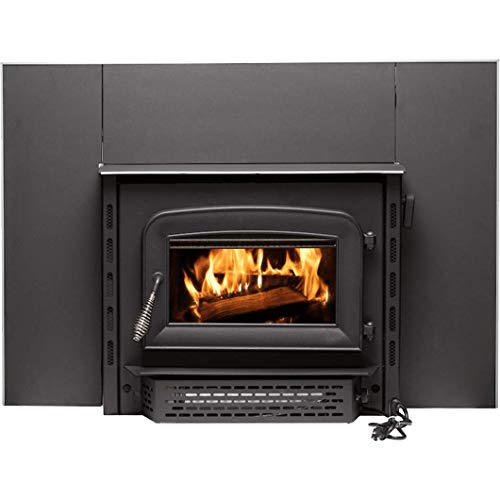
Burning pressure treated wood in a home fireplace or wood stove is a bad idea for several reasons. The chemicals can corrode the metal components of the stove or fireplace over time, leading to premature wear and potential damage. The sticky residues and particulate matter produced by the burning chemicals can build up in the chimney, increasing the risk of a chimney fire.
These deposits are often more hazardous than creosote from natural wood.
Furthermore, the fumes released can be extremely unpleasant and unhealthy for people inside the home. Unlike an outdoor, uncontrolled burn, a fireplace or stove is in a confined living space. This means any toxic fumes will directly impact the air quality inside your home.
The unpleasant odor can be hard to get rid of, and the health effects can range from headaches and dizziness to more severe respiratory issues. It’s simply not worth the risk.
Frequently Asked Questions
Question: Is it safe to cook food over a fire that has burned pressure treated wood?
Answer: No, it is absolutely not safe to cook food over a fire that has burned pressure treated wood. The smoke and ash from treated wood contain chemicals that can contaminate your food, making it harmful to eat. The fumes can also transfer to the food, impacting its flavor and safety.
Always use untreated wood or charcoal for cooking fires.
Question: Can I burn pressure treated wood in a backyard fire pit?
Answer: Burning pressure treated wood in a backyard fire pit is generally not recommended and may be illegal in your area. The smoke released contains harmful chemicals that can affect your health and the environment. It’s best to dispose of treated wood through proper waste channels instead of burning it.
Question: What are the signs that wood has been pressure treated?
Answer: Pressure treated wood often has a greenish or brownish tint when new, though it can weather to gray. Look for a tag or stencil on the wood that indicates the type of treatment. If it was used for outdoor structures like decks or fences, it’s likely treated.
Older wood might have been treated with CCA, which contains arsenic.
Question: How should I dispose of old pressure treated wood?
Answer: The safest way to dispose of old pressure treated wood is to take it to your local landfill or transfer station, which usually have designated areas for treated wood. Some areas may also have special collection days or recycling programs for treated lumber. Always check with your local waste management authority for specific guidelines.
Question: What if I accidentally burned a small amount of pressure treated wood?
Answer: If you accidentally burned a small amount of pressure treated wood, the most important thing is to avoid inhaling the smoke. Ensure good ventilation in the area. If you experience any respiratory symptoms or irritation, seek fresh air immediately.
For disposal of the ash, treat it as potentially hazardous and follow local guidelines for waste disposal.
Summary
Burning pressure treated wood releases harmful fumes and ash. These can harm your health and the environment. Proper disposal methods are essential.
Always check local regulations and consider safe alternatives like reuse or donation to avoid risks associated with combustion.