What Is a Bidet? A Complete Guide for Homeowners
Hey there! If you’ve ever wondered, “What is a bidet?” you’re not alone. I used to think bidets were some fancy European thing, only found in luxury hotels or homes of the super-rich. But after diving into the world of bidets for my own bathroom renovation, I realized they’re so much more than that. They’re practical, eco-friendly, and honestly, a game-changer for personal hygiene. In this article, I’m going to walk you through everything I’ve learned about bidets—what they are, how they work, their benefits, and why they’re becoming a must-have in American homes. Let’s get started!
The Basics: What Exactly Is a Bidet?
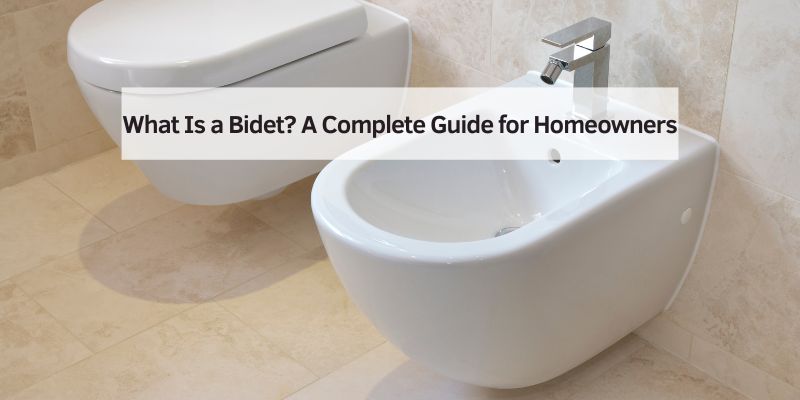
When I first heard about bidets, I pictured a complicated plumbing setup. Turns out, it’s much simpler. A bidet is a bathroom fixture designed to clean your private areas with water after using the toilet. Think of it as a gentle, targeted shower for your backside (and sometimes front!). It’s all about keeping you clean and fresh without relying solely on toilet paper.
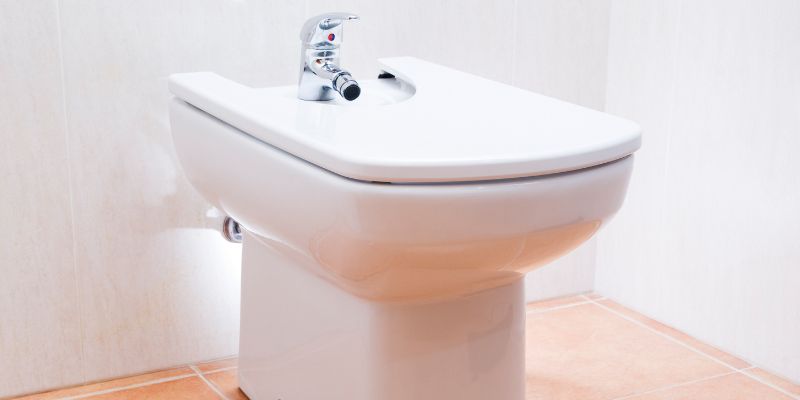
Bidets come in different forms. Some are standalone fixtures that look like a second toilet. Others are attachments that fit onto your existing toilet seat. There are even high-tech versions with heated seats and customizable water settings. The core idea is the same: a stream of water cleans you better than wiping ever could. I was skeptical at first, but after trying one, I was hooked on the clean feeling.
A Quick History of Bidets
I love a good backstory, so I dug into where bidets came from. The word “bidet” comes from a French term meaning “pony,” because early bidets were low fixtures you’d straddle like riding a horse. They popped up in France in the 1600s, mostly in fancy homes. By the 19th century, they were common in Europe, especially in France, Italy, and Spain. In places like Japan, bidets evolved into high-tech toilet seats with all sorts of bells and whistles.
In the U.S., bidets didn’t catch on as quickly. I think it’s because we got used to toilet paper and didn’t see the need for anything else. But times are changing. More Americans, including me, are discovering how practical and comfortable bidets are. It’s like we’re finally catching up!
Types of Bidets: Which One’s Right for You?
When I started shopping for a bidet, I was surprised by how many options there were. Here’s what I found:
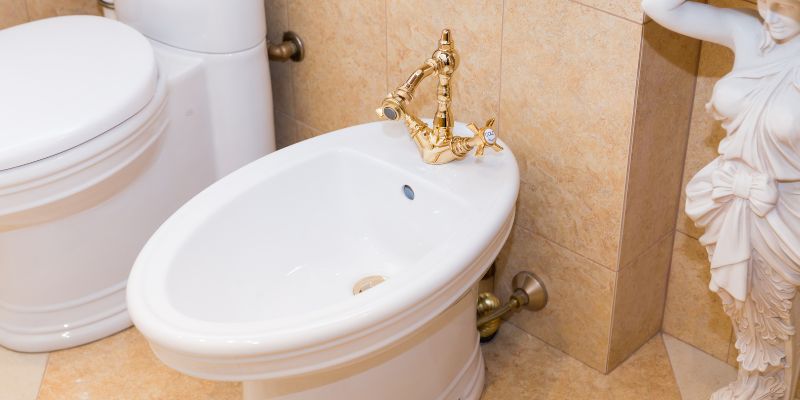
- Standalone Bidets: These are separate fixtures, like a small sink or toilet, usually placed next to your toilet. They’re common in Europe but need more bathroom space, which isn’t always practical for smaller homes like mine.
- Bidet Toilet Seats: These replace your existing toilet seat with one that has built-in bidet features. They often come with extras like heated seats, adjustable water temperature, and even air drying. I went with one of these because it’s easy to install and doesn’t take up extra space.
- Bidet Attachments: These are simple devices you attach under your existing toilet seat. They’re budget-friendly and perfect if you’re renting or don’t want a big renovation. I recommended one to a friend, and she installed it in under 20 minutes!
- Handheld Bidet Sprayers: Also called bidet showers, these are like a kitchen sink sprayer but for your toilet. You hold the nozzle and aim the water. They’re super affordable but require a bit more coordination.
- Portable Bidets: These are small, bottle-like devices you can carry for travel or use at home. They’re great for camping or if you’re hesitant to commit to a permanent bidet.
Here’s a quick comparison to help you decide:
| Type | Pros | Cons | Best For |
|---|---|---|---|
| Standalone Bidet | Luxurious, thorough cleaning | Takes up space, expensive | Large bathrooms, luxury homes |
| Bidet Toilet Seat | Feature-packed, easy to install | Higher cost than attachments | Homeowners wanting comfort |
| Bidet Attachment | Affordable, easy to install | Fewer features | Renters, budget-conscious users |
| Handheld Sprayer | Cheap, versatile | Manual operation, less precise | Small budgets, minimal setups |
| Portable Bidet | Portable, no installation needed | Limited water capacity | Travel, temporary use |
I went with a bidet toilet seat because it balanced cost, features, and ease of installation. But your choice depends on your budget, bathroom size, and how fancy you want to get.
How Does a Bidet Work?
Okay, let’s get to the nitty-gritty. When I first used a bidet, I was a little nervous—would it be cold? Too strong? Weird? But it’s actually super straightforward. Most bidets use a nozzle or sprayer to direct a stream of water to clean your private areas. You control the water pressure and temperature (on fancier models) to suit your comfort.
For example, my bidet toilet seat has a control panel with buttons for front and rear washing. You press a button, and a small nozzle extends under the seat to spray water. Some models let you adjust the nozzle’s position or even add a pulsating or oscillating spray for extra cleaning. After the water does its job, you can pat dry with a towel or use toilet paper for a quick finish. High-end models even have a built-in dryer, which feels like pure luxury.
The water comes from your bathroom’s plumbing, so it’s clean and safe. Basic models use cold water, but I splurged on one with warm water because, let’s be honest, cold water down there is a shock! Installation was a breeze—my husband and I had it set up in about 30 minutes with just a screwdriver and a wrench.
Why Should You Consider a Bidet?
When I first thought about getting a bidet, I wasn’t sure it was worth it. But after using one for a few months, I can’t imagine going back. Here’s why bidets are awesome:
- Better Hygiene: Water cleans so much better than dry toilet paper. It’s like choosing a shower over wiping your body with a dry towel. I feel fresher and cleaner every time.
- Eco-Friendly: Bidets cut down on toilet paper use. I’ve saved so much money on TP, and it feels good to reduce waste. Did you know Americans use about 36 billion rolls of toilet paper a year? Bidets could make a huge dent in that.
- Gentler on Skin: If you have sensitive skin or conditions like hemorrhoids, bidets are a lifesaver. No more irritation from wiping. My friend with postpartum discomfort swears by her bidet for this reason.
- Cost Savings Over Time: While some bidets have an upfront cost, they save money in the long run. I spend way less on toilet paper now, and my water bill hasn’t gone up much.
- Luxury and Comfort: Heated seats, warm water, and customizable settings make using the bathroom feel like a spa. It’s a small upgrade that makes a big difference.
- Accessibility: For people with mobility issues or disabilities, bidets make personal hygiene easier and more independent. My elderly neighbor said her bidet attachment changed her life.
Are Bidets Hard to Install?
I was worried about installation when I first considered a bidet. I’m not a plumber, and I didn’t want to hire one for a simple upgrade. But most bidets are designed for DIYers like me. Bidet attachments and handheld sprayers usually connect to your toilet’s water supply with a T-valve, which is included in the kit. You don’t need to mess with your home’s plumbing.
Bidet toilet seats are a bit more involved but still manageable. Mine required shutting off the water, removing the old seat, attaching the new one, and connecting it to the water line. Some models need an electrical outlet for features like heated water or drying, so check your bathroom setup. If you’re not handy, a plumber can install it in under an hour, but I found YouTube tutorials super helpful.
Standalone bidets are the trickiest since they require new plumbing lines. I didn’t go that route because my bathroom is too small, but if you’re renovating, it might be worth considering.
How Much Do Bidets Cost?
Cost was a big concern for me when I started looking into bidets. I didn’t want to break the bank, but I also wanted something reliable. Here’s what I learned about pricing:
- Bidet Attachments: These are the cheapest, ranging from $30 to $100. They’re basic but get the job done.
- Handheld Sprayers: Even more affordable, usually $20 to $50. Great for tight budgets.
- Bidet Toilet Seats: These range from $100 to $500, depending on features. I paid about $250 for a mid-range model with warm water and a heated seat.
- Standalone Bidets: These start at $500 and can go up to $1,500 or more, especially with installation costs.
- Portable Bidets: Around $10 to $30, perfect for travel or testing the waters.
I found that mid-range bidet seats offer the best value for homeowners. They’re affordable, packed with features, and don’t require major bathroom changes. If you’re on a budget, start with an attachment—you can always upgrade later.
Bidets and the Environment
One thing that really sold me on bidets was their environmental impact. I try to live sustainably, and cutting down on toilet paper was a big win. Producing toilet paper uses tons of water, trees, and energy. By using a bidet, I’ve reduced my toilet paper use by at least 70%. That’s fewer trees cut down and less waste in landfills.
Bidets do use water, but it’s a small amount—usually less than a gallon per use. Compare that to the 37 gallons of water needed to produce one roll of toilet paper! Plus, many modern bidets have eco modes to minimize water use. I feel good knowing I’m making a small but meaningful difference.
Common Myths About Bidets
I heard a lot of myths about bidets before I got one, and I want to clear them up:
- Myth: Bidets are only for the rich. Not true! You can get a great bidet attachment for under $50, and it’s a one-time purchase that saves money over time.
- Myth: Bidets are hard to use. They’re super intuitive. Most have simple controls, and you’ll get the hang of it after a couple of tries.
- Myth: Bidets are unhygienic. Actually, they’re way cleaner than toilet paper. The water is fresh from your plumbing, and nozzles are often self-cleaning.
- Myth: Bidets are only for women. Nope! Everyone can benefit. Many bidets have separate settings for front and rear washing, so they’re great for all genders.
- Myth: Bidets are a hassle to install. Most are DIY-friendly, especially attachments and sprayers. I had mine set up in no time.
How to Choose the Right Bidet for Your Home
Picking a bidet can feel overwhelming with so many options. Here’s what I considered when choosing mine:
- Budget: Decide how much you’re willing to spend. If you’re just starting out, a $40 attachment is a great way to test the waters.
- Bathroom Space: If your bathroom is small like mine, go for an attachment or bidet seat. Standalone bidets need more room.
- Features: Think about what matters to you. I wanted warm water and a heated seat for comfort, but you might prefer basic cleaning.
- Installation: Check if your toilet has a nearby water line and electrical outlet (for powered seats). Most modern toilets work with bidet attachments.
- Aesthetics: Bidets come in sleek designs that blend with your bathroom. I picked a white seat to match my toilet.
I recommend reading reviews and checking compatibility with your toilet model. Brands like TOTO, BioBidet, and Brondell are popular in the U.S. and have great customer support.
My Experience: Why I Love My Bidet
I’ll be honest—switching to a bidet felt a little weird at first. But after a week, I was sold. The clean feeling is unbeatable, and I love not relying on piles of toilet paper. My bathroom feels more modern, and I’ve even noticed my skin is less irritated. Plus, my husband and kids love it too! It’s become a fun conversation starter when friends visit, and I’ve convinced a few to get their own.
The best part? It’s low-maintenance. My bidet seat has a self-cleaning nozzle, and I just wipe down the seat like I would any toilet. It’s been a year, and I haven’t had a single issue.
Conclusion
So, what is a bidet? It’s a simple, life-changing bathroom upgrade that’s cleaner, greener, and more comfortable than toilet paper alone. Whether you’re on a budget or ready to splurge on a high-tech model, there’s a bidet out there for you. I was skeptical at first, but now I can’t imagine my bathroom without one.
It’s made my daily routine feel like a small luxury, saved me money, and helped me do my part for the planet. If you’re curious, start small with an attachment or sprayer—you won’t regret it. Trust me, once you try a bidet, you’ll wonder why you didn’t get one sooner!
Frequently Asked Questions
Are bidets safe to use?
Absolutely! Bidets use clean water from your home’s plumbing, just like your sink or shower. Many models have self-cleaning nozzles to keep things hygienic. I’ve used mine for a year with no issues, and it feels cleaner than toilet paper ever did.
Do bidets use a lot of water?
Not at all. Most bidets use less than a gallon per use, which is way less than the water needed to make toilet paper. My water bill barely changed after I started using mine.
Can I install a bidet myself?
Yes, most bidets are easy to install. Attachments and sprayers are super simple—just a few screws and a water connection. Bidet seats might take a bit more effort, but I did mine with basic tools and a YouTube video.
Are bidets good for sensitive skin?
Definitely. Water is gentler than wiping, especially if you have sensitive skin, hemorrhoids, or postpartum discomfort. My bidet has been a game-changer for comfort.
Do bidets work for both men and women?
Yes! Bidets are for everyone. Many models have separate settings for front and rear washing, so they’re great for all genders and needs.
How do I clean a bidet?
Most bidets are low-maintenance. My seat has a self-cleaning nozzle, and I just wipe the exterior with a damp cloth. Check your model’s manual for specific cleaning tips.
Can I use a bidet if I rent my home?
Totally! Bidet attachments and handheld sprayers are perfect for renters. They’re easy to install and remove without damaging the toilet. I recommended one to my renter friend, and she loves it.