What Is a Mailer Box: A Complete Guide for Automotive Enthusiasts
Hey there! If you’ve ever ordered car parts online or shipped automotive accessories, you’ve probably come across a mailer box. I remember the first time I got a shiny new set of spark plugs delivered in a sleek, sturdy mailer box—it caught my eye because it wasn’t just a plain cardboard box. It was custom-printed with the company’s logo and fit the parts perfectly.
That got me curious about what makes a mailer box special and why they’re so popular in the automotive world. After years of buying, selling, and shipping car parts, I’ve learned a ton about these handy boxes. I’m excited to share my insights with you in this guide, perfect for anyone in the USA who loves cars or runs an automotive business. Let’s unpack what a mailer box is and why it’s a game-changer for shipping and branding!
Understanding Mailer Boxes: The Basics
So, what is a mailer box? Simply put, it’s a type of corrugated cardboard box designed for shipping. Unlike regular boxes, mailer boxes are sturdy, fold together without tape, and often have a polished, professional look. I think of them as the VIPs of packaging—they’re built to protect your stuff and make a great first impression.
In the automotive world, mailer boxes are everywhere. They’re used to ship everything from small parts like oil filters to larger items like headlights or even custom car decals. I’ve received countless mailer boxes over the years, and they always feel like a step up from flimsy packaging. They’re strong, easy to open, and often reusable, which makes them perfect for both businesses and car enthusiasts like us.
Why Mailer Boxes Are Popular in the Automotive Industry
Mailer boxes have become a go-to choice for automotive businesses, and I can see why. First, they’re tough. Car parts can be heavy or oddly shaped, and mailer boxes hold up under pressure. I once ordered a set of brake rotors, and the mailer box kept them safe despite a rough delivery.
Second, they’re great for branding. Many mailer boxes are custom-printed with logos, colors, or instructions, which makes unboxing feel special. When I got a custom exhaust kit in a branded mailer box, it made the company seem more professional. Plus, these boxes are versatile—they work for e-commerce, subscription services, or even gift packaging for car shows. They’re also eco-friendly, often made from recyclable materials, which is a big win for environmentally conscious gearheads.
Types of Mailer Boxes
Not all mailer boxes are the same. I’ve seen a few different styles depending on the item being shipped. Here’s a breakdown of the main types I’ve come across:
Standard Mailer Boxes
These are the most common. They’re rectangular, fold together easily, and have flaps that tuck in to close securely. I’ve used standard mailer boxes to ship car detailing products to friends. They’re great for small to medium parts like spark plugs, air filters, or even car cleaning kits.
Tab-Locking Mailer Boxes
Tab-locking boxes have extra flaps that lock into place for added security. I received a car stereo in one of these, and it felt super secure—no chance of it popping open during shipping. They’re perfect for heavier or more valuable items like electronics or performance parts.
Roll-End Tuck-Front Boxes
These have a sleek design with rolled sides and a front flap that tucks in. They’re often used for high-end products because they look fancy. I got a set of custom car mats in one, and the unboxing felt like opening a gift. They’re great for branding and customer experience.
Custom-Shaped Mailer Boxes
Some companies go all out with custom shapes or sizes. I once ordered a specialty tool kit that came in a mailer box shaped to fit the tools exactly. These are pricier but perfect for unique items or premium automotive products.
Here’s a quick table summarizing these types:
| Mailer Box Type | Best For | Key Feature |
|---|---|---|
| Standard Mailer | Small to medium parts, general shipping | Easy to assemble, versatile |
| Tab-Locking Mailer | Heavy or valuable items | Extra secure with locking tabs |
| Roll-End Tuck-Front | High-end products, branding | Sleek design, premium look |
| Custom-Shaped Mailer | Unique or specialty items | Tailored to fit specific products |
Materials Used in Mailer Boxes
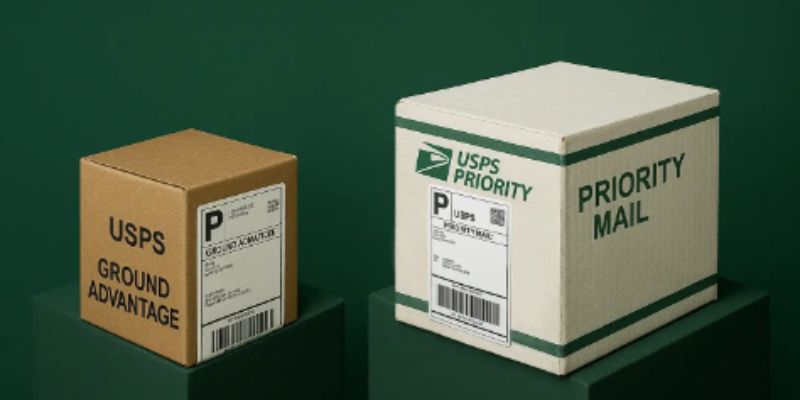
Mailer boxes are usually made from corrugated cardboard, which is what gives them their strength. I’ve learned that not all cardboard is created equal, though. Here’s what I’ve noticed about the materials:
Corrugated Cardboard
This is the standard material. It’s made of three layers: two flat sheets with a wavy layer in between for extra strength. I’ve seen corrugated mailer boxes hold up to heavy parts like alternators without a dent. The thickness varies—thicker ones are better for heavier items.
Kraft Cardboard
Kraft mailer boxes have a natural, brown look. They’re eco-friendly and give off a rustic vibe. I got a set of eco-friendly car wash soaps in a kraft box, and it felt very “green.” They’re just as strong as regular corrugated boxes but have a unique aesthetic.
White Cardboard
White mailer boxes are great for printing vibrant logos or designs. I received a car accessory subscription box in a white mailer, and the colors popped. They’re a bit more expensive but perfect for businesses wanting to stand out.
Recycled Materials
Many mailer boxes are made from recycled cardboard, which I love because it’s better for the planet. I’ve reused these boxes for storage in my garage, and they hold up just fine. Some companies even advertise their eco-friendly packaging, which resonates with customers.
Benefits of Using Mailer Boxes for Automotive Shipping
Why choose mailer boxes over regular boxes? I’ve found plenty of reasons through my own experience. First, they’re durable. Car parts can be heavy or fragile, and mailer boxes protect them from bumps and drops. I once dropped a mailer box with a fuel pump inside, and it was fine.
Second, they’re easy to use. You don’t need tons of tape to seal them—just fold and tuck. This saves time when packing orders or sending parts to a friend. Third, they’re great for branding. A custom-printed mailer box with your shop’s logo makes customers feel like they’re getting something special. I’ve kept a few branded boxes just because they looked so cool!
Finally, they’re cost-effective. While they’re slightly pricier than plain boxes, their durability means fewer damaged shipments, which saves money in the long run. Plus, they’re lightweight, so you don’t rack up extra shipping costs.
How to Choose the Right Mailer Box
Picking the right mailer box is key to keeping your automotive parts safe and making a good impression. Here’s how I do it:
First, consider the item’s size and weight. Measure your part and choose a box with a bit of extra space for padding—about 1-2 inches on each side. For example, when I shipped a set of hubcaps, I used a box slightly larger than the stack to fit bubble wrap.
Second, think about the item’s fragility. Fragile parts like headlights need thicker, sturdier boxes. I always add padding like foam or packing peanuts for extra protection. Third, decide if branding matters. If you’re running a business, a custom-printed box can boost your image. I’ve ordered from shops that use plain boxes, and it just doesn’t feel as professional.
Finally, check the shipping environment. If you’re shipping across the country or in bad weather, go for a waterproof or heavy-duty box. I learned this when a cardboard box got soggy shipping a car battery in the rain—not a fun return process!
Packing Tips for Mailer Boxes
Packing a mailer box right is just as important as choosing the box. Here’s what I’ve learned from packing countless boxes:
- Use Padding: Wrap fragile parts in bubble wrap or foam. I also fill empty spaces with packing peanuts to prevent shifting. This saved a glass lens I shipped last year.
- Secure Heavy Items: For heavy parts like brake rotors, tape them to the bottom of the box to keep the weight centered. I use double-sided tape for extra grip.
- Label Clearly: Write the address and return info directly on the box or use a strong adhesive label. I’ve had labels peel off in humid weather, so I double-check they’re secure.
- Seal Properly: Most mailer boxes don’t need tape, but I add a strip for extra security, especially for heavy loads. Just don’t overdo it—you want the box to be easy to open.
- Include Instructions: If you’re shipping car parts, add a note with installation tips or a thank-you card. I got a handwritten note with a car wax order once, and it made me smile.
Common Mistakes to Avoid
I’ve made my fair share of packing blunders, so let me save you some trouble. Don’t use a box that’s too small—it’ll tear or crush under pressure. I tried squeezing a radiator into a tight box once, and it arrived damaged. Don’t skimp on padding; even sturdy parts can dent a box if they shift. Avoid using weak tape or labels—they can come off in transit. Finally, don’t skip inspecting the box for damage before shipping. I once sent a part in a box with a small tear, and it got worse during delivery.
Customizing Mailer Boxes for Your Automotive Business
If you run an automotive shop or sell parts online, custom mailer boxes are a game-changer. I’ve ordered from companies that use custom boxes, and it makes the brand feel legit. You can print your logo, website, or even care instructions on the box. For example, I got a set of custom valve covers in a box with the shop’s logo and a QR code to their site—super smart!
Customization doesn’t have to be expensive. Many suppliers offer small-batch printing, so you can start with a few hundred boxes. Choose colors that match your brand, like black and red for a performance shop. You can also add practical info, like “Fragile” or “This Side Up,” to help with handling. I’ve even seen boxes with social media handles printed on them to boost engagement.
Eco-Friendly Mailer Boxes
Sustainability is a big deal these days, and I’m all for it. Many mailer boxes are made from recycled cardboard, which is great for the environment. I’ve started reusing these boxes for storage or shipping other items. Some companies go further, using biodegradable inks or minimal packaging. When I ordered eco-friendly car cleaning products, the mailer box was 100% recyclable, and it felt good to support a green brand. If you’re a business owner, advertising your eco-friendly packaging can attract customers who care about the planet.
When to Use Mailer Boxes vs. Other Packaging
Mailer boxes aren’t always the best choice, but they shine in many situations. Use them for e-commerce shipments, subscription boxes, or high-value items that need a premium look. I prefer mailer boxes for car parts because they’re sturdy and look professional. For very heavy items, like an engine block, a wooden crate might be better. For small, lightweight parts, padded envelopes can work to save on shipping costs. I once shipped a tiny sensor in a mailer box, and it was overkill—lesson learned!
Troubleshooting Common Mailer Box Issues
Sometimes, things go wrong with mailer boxes. If a box arrives damaged, check the contents immediately and take photos for a claim. I had a dented box with a scratched car part once, and photos helped me get a refund. If the box is too flimsy, double-box it or add extra padding next time. If labels peel off, use stronger adhesive or write directly on the box. For oversized items, custom mailer boxes are worth the investment to avoid awkward fits.
When to Call a Professional
Most mailer box tasks are DIY-friendly, but some situations call for help. If you’re shipping high-value or oversized parts, like a transmission, a professional packaging service can ensure it’s done right. If you need custom boxes in bulk, work with a packaging supplier for design and printing. I once tried designing my own boxes for a side hustle and quickly realized a pro could do it better and faster.
Maintaining and Reusing Mailer Boxes
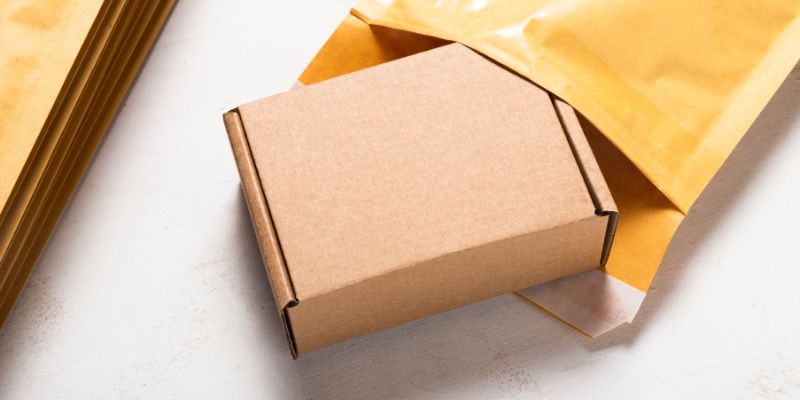
Mailer boxes are often reusable, which I love. I store car parts in my garage using old mailer boxes—they’re perfect for organizing bolts, filters, or tools. To keep them in good shape, store them flat in a dry place to avoid warping. If a box gets dirty, wipe it with a damp cloth, but don’t soak it. For businesses, reusing boxes for returns or storage can save money. I’ve even repurposed a sturdy mailer box as a toolbox for small projects.
Conclusion
Mailer boxes might seem like just another box, but they’re so much more in the automotive world. They protect your precious car parts, make your brand stand out, and even help the planet when made from recycled materials. I’ve gone from tossing out flimsy packaging to appreciating the thought that goes into a well-designed mailer box.
Whether you’re shipping a new carburetor, receiving a set of custom wheels, or running an automotive business, these boxes are your trusty sidekick. With the tips I’ve shared, you can choose, pack, and use mailer boxes like a pro. So next time you get a perfectly packed part in the mail, give a nod to the humble mailer box—it’s doing a lot of heavy lifting! Happy shipping!
Frequently Asked Questions
What is a mailer box used for in the automotive industry?
Mailer boxes are used to ship car parts, accessories, or tools. They’re sturdy, protect items, and can be customized for branding.
How is a mailer box different from a regular cardboard box?
Mailer boxes are made of corrugated cardboard, fold together without tape, and often have a professional, branded look.
Can I reuse mailer boxes?
Yes, they’re great for storage or reshipping. Store them flat in a dry place to keep them in good shape.
What’s the best mailer box for heavy car parts?
Use a tab-locking or heavy-duty corrugated mailer box. Add padding like bubble wrap to protect the part.
How do I choose the right size mailer box?
Measure your item and pick a box with 1-2 inches of extra space on each side for padding. Check the weight capacity too.
Are mailer boxes eco-friendly?
Many are made from recycled cardboard and can be recycled again. Some use biodegradable inks for extra sustainability.
How can I make my mailer boxes stand out for my business?
Customize them with your logo, brand colors, or instructions. Work with a packaging supplier for professional printing.