What Is A Vanity Light: Essential Guide
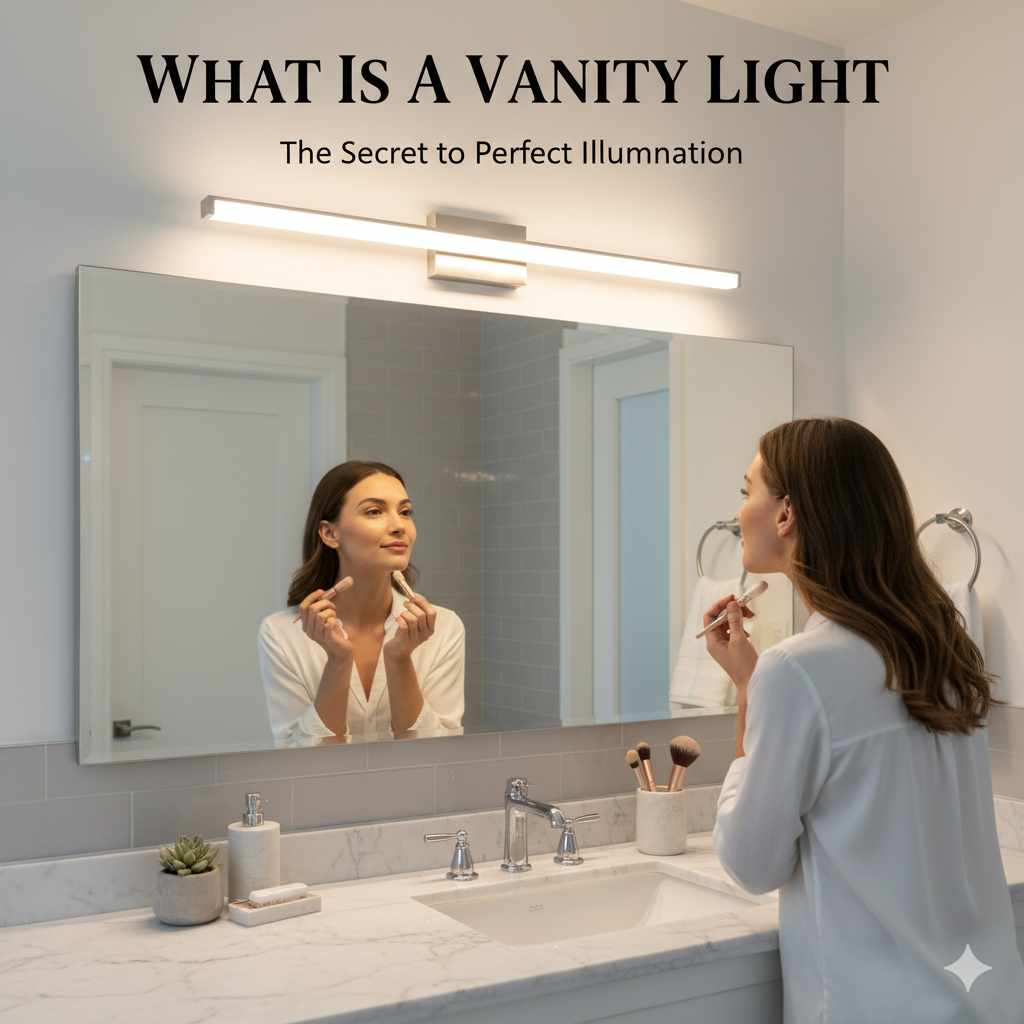
A vanity light is a fixture specifically designed to illuminate a bathroom mirror, providing bright, even light for grooming tasks like shaving, applying makeup, or brushing teeth. It’s typically mounted above or beside the mirror, ensuring your reflection is clear and well-lit without harsh shadows.
Are you looking to brighten up your bathroom and make your daily routines a little easier? You might have heard the term “vanity light” but aren’t quite sure what it means or why it’s important. Don’t worry, you’re not alone! Many homeowners wonder about these fixtures and how they differ from other bathroom lights.
Vanity lights are more than just a light bulb over your sink; they are crucial for both functionality and aesthetics in your bathroom. Getting the right kind of light can transform your space, making it more pleasant and practical. This guide will break down everything you need to know about vanity lights, from what they are to how to choose and install them. We’ll make sure you feel confident in understanding and selecting the perfect vanity lighting for your home. Let’s dive in and illuminate your way to a better bathroom!
What Exactly Is a Vanity Light?
A vanity light, often called a vanity bar or vanity fixture, is a type of lighting designed specifically for the area above or beside a bathroom mirror, typically found in a bathroom or dressing area. Its primary purpose is to provide ample, flattering light for tasks that require clear visibility, such as shaving, applying makeup, styling hair, or brushing your teeth. Unlike general overhead lighting that can cast shadows, vanity lights are positioned to illuminate your face evenly from the front, reducing shadows and making it easier to see details.
These fixtures come in a wide variety of styles, from simple, sleek bars to ornate sconces, and can accommodate different types of bulbs, including LED, incandescent, and fluorescent. The design and placement are key to their effectiveness, ensuring that you get the best possible light for your grooming needs without glare.

Why Are Vanity Lights So Important?
The importance of a good vanity light cannot be overstated, especially in a space where personal grooming and preparation happen daily. Here’s why they are essential:
- Improved Visibility for Tasks: The most critical function of a vanity light is to provide clear, shadow-free illumination for detailed tasks. When you’re shaving, applying makeup, or styling your hair, you need to see every detail. A well-placed vanity light ensures your face is evenly lit, making these tasks easier and more precise.
- Enhanced Aesthetics: Vanity lights contribute significantly to the overall look and feel of your bathroom. They can act as a decorative element, adding style and personality to your space. The right fixture can elevate the design, making your bathroom feel more luxurious or modern, depending on your chosen style.
- Safety: Adequate lighting in the bathroom, especially around the sink and mirror area, is crucial for safety. It helps prevent accidents, such as bumping into things or misjudging distances, particularly in lower-light conditions or for individuals with vision impairments.
- Reduced Glare and Shadows: Poor lighting can create harsh shadows on your face, making it difficult to see properly and potentially leading to mistakes in grooming. Vanity lights are designed to minimize these shadows and reduce glare, providing a more comfortable and accurate lighting experience.
- Creating Ambiance: Beyond task lighting, vanity lights can also help set the mood in your bathroom. Dimmable options or softer light temperatures can create a more relaxing ambiance for unwinding in the evening or preparing for bed.
Types of Vanity Lights
Vanity lights come in many forms, each offering a different look and light distribution. Understanding these types will help you choose the best fit for your bathroom’s size, style, and your specific needs.
Vanity Bars (Linear Fixtures)
Vanity bars are one of the most popular choices for modern bathrooms. These are typically long, horizontal fixtures that are mounted directly above the mirror. They often contain multiple bulbs or an LED strip that spans the width of the fixture, providing a broad wash of light across your face.
- Pros: Excellent for covering a wide mirror area, provide even light distribution, often have a sleek, modern look, can accommodate multiple bulbs or integrated LEDs.
- Cons: May require a wider mirror to look proportionate, can be more expensive than single sconces.
Sconces (Wall-Mounted Fixtures)
Sconces are individual light fixtures mounted on the wall on either side of the mirror. They are a classic choice and can offer a more traditional or decorative feel. Mounting them at eye level on both sides of the mirror provides excellent, shadow-free lighting for the face.
- Pros: Great for creating a balanced, symmetrical look, can be positioned at the perfect height for individual users, offer a wide range of decorative styles, good for smaller mirrors or areas where a bar fixture might be too wide.
- Cons: Requires more wiring and installation effort if electrical boxes aren’t already present on both sides, can be more difficult to find matching pairs for a cohesive look.
Pendant Lights
While less common for primary vanity lighting, pendant lights can be used as a stylish accent. They hang down from the ceiling or a wall mount and can add a touch of elegance or modern flair. Often used in pairs flanking a mirror, they can provide good light but might not offer the same even coverage as bars or sconces unless carefully chosen and positioned.
- Pros: Can add a dramatic design element, available in numerous stylish designs, good for creating a spa-like feel.
- Cons: May not provide the most functional task lighting without careful placement, can be more expensive, might require specific ceiling or wall configurations.
Integrated LED Fixtures
Many modern vanity lights, especially bars, now come with integrated LED technology. This means the LED light source is built directly into the fixture and is not replaceable like traditional bulbs. These fixtures are often very energy-efficient and can last for many years.
- Pros: Highly energy-efficient, long lifespan, slim and modern designs, often dimmable, low heat output.
- Cons: If the LED fails, the entire fixture may need to be replaced, initial cost can be higher.
Surface-Mounted Fixtures
These are lights that are mounted directly onto the wall or ceiling surface, often used in smaller bathrooms or powder rooms. They can include simple dome lights or small, decorative fixtures that provide general illumination. While not exclusively vanity lights, some can be positioned above a mirror.
- Pros: Easy to install, good for general bathroom lighting, can be more affordable.
- Cons: May not provide the best task lighting for the vanity area due to shadow casting.
Key Factors to Consider When Choosing a Vanity Light
Selecting the right vanity light involves more than just picking a style you like. Several practical factors will ensure your new fixture is both beautiful and functional. Think of it like choosing the right tool for a woodworking project – the right fit makes all the difference!
Size and Scale
The size of your vanity light should complement the size of your vanity and mirror. A good rule of thumb is that the width of a linear vanity bar should be about half to two-thirds the width of the mirror. For sconces, ensure they are spaced appropriately to frame the mirror without looking too crowded or too sparse.
Light Brightness (Lumens) and Color Temperature (Kelvin)
This is crucial for effective task lighting. You want a light that is bright enough but not harsh. For bathrooms, a brightness of around 800-1200 lumens for a single fixture is often recommended, though this can vary based on room size and other light sources. Color temperature, measured in Kelvin (K), affects the mood. Look for:
- Warm White (2700K-3000K): Creates a cozy, inviting atmosphere. Good for general ambiance but might be too yellow for detailed tasks.
- Cool White/Bright White (3500K-4000K): A balanced light that’s good for task lighting without being too harsh. This is often ideal for bathroom vanities.
- Daylight (5000K-6500K): Mimics natural daylight, providing very bright, crisp light. Excellent for detailed tasks but can feel stark or clinical if used exclusively.
For most vanity applications, aiming for a color temperature between 3000K and 4000K provides the best balance of clarity and comfort. You can learn more about light bulbs and their characteristics from resources like the U.S. Department of Energy’s Energy Saver website, which offers great insights into home lighting efficiency and types.
Style and Finish
The vanity light should complement your bathroom’s overall decor. Consider the finishes of your other fixtures (faucets, cabinet hardware, showerheads). Common finishes include brushed nickel, chrome, oil-rubbed bronze, matte black, and polished brass. Whether your style is modern, traditional, farmhouse, or minimalist, there’s a vanity light to match.
Dimmability
Dimmers add a lot of flexibility. A dimmable vanity light allows you to adjust the brightness. You can have bright light for grooming tasks and then dim it down for a more relaxing atmosphere, like during a bath.
Energy Efficiency (LEDs)
LED lights are significantly more energy-efficient than incandescent bulbs and last much longer. While the upfront cost might be slightly higher, they save money on electricity bills and reduce the frequency of bulb replacements. This is a smart, long-term investment for any home improvement project.
IP Rating (Ingress Protection)
For bathrooms, especially in areas prone to moisture, an IP rating is important. This rating indicates how well a fixture is protected against solid objects (like dust) and liquids (like water). For areas near the sink or shower, look for fixtures with at least an IP44 rating, which means they are protected against solid objects larger than 1mm and splashing water from any direction. You can find more detailed information on IP ratings from electrical safety organizations.
Installation Basics: What You Need to Know
Installing a vanity light is a common DIY project, but it involves working with electricity, so safety is paramount. If you’re not comfortable with electrical work, it’s always best to hire a qualified electrician. However, understanding the process can help you prepare and communicate effectively with a professional.
Safety First!
Before you begin any electrical work:
- Turn off the power! Locate the circuit breaker that controls the light fixture you’re replacing and flip it to the “off” position. It’s a good idea to test the switch to confirm the power is indeed off.
- Use a voltage tester. Even after turning off the breaker, use a non-contact voltage tester to confirm there is no power at the wires you’ll be working with.
- Wear safety glasses. Protect your eyes from dust and debris.
Tools You Might Need
Here’s a list of common tools that will be helpful:
- Screwdriver set (Phillips and flathead)
- Wire strippers/cutters
- Pliers
- Non-contact voltage tester
- Ladder or sturdy step stool
- Wire nuts (usually included with new fixtures)
- Electrical tape
- Safety glasses
- Gloves (optional, for grip and protection)
General Installation Steps (Replacing an Existing Fixture)
If you are replacing an old fixture with a new one, the process typically involves these steps:
- Remove the old fixture: Carefully unscrew the canopy or mounting bracket of the old light. Gently disconnect the wires, noting which wire from the fixture connects to which wire in the ceiling box (usually black to black, white to white, and ground to ground).
- Prepare the mounting bracket: Install the new mounting bracket that came with your vanity light according to the manufacturer’s instructions.
- Connect the wires: This is the most critical step. Connect the wires from your new fixture to the corresponding wires in the ceiling box using wire nuts. Typically, you’ll connect the black (hot) wire from the fixture to the black wire from the box, the white (neutral) wire to the white wire, and the green or bare copper (ground) wire to the ground wire. If your old fixture had no ground wire, connect the new fixture’s ground wire to the ground screw inside the electrical box.
- Secure the fixture: Gently tuck the connected wires back into the electrical box. Then, attach the new light fixture to the mounting bracket, usually by screwing it into place.
- Install bulbs and test: Install the appropriate bulbs, turn the power back on at the breaker, and test the light switch.
Important Note: If you are installing a new fixture where there was no previous electrical box, or if you need to move an existing box, this is a more complex job that typically requires professional help. Always follow the specific instructions provided with your new vanity light fixture.
Troubleshooting Common Vanity Light Issues
Even with careful installation, you might encounter minor issues. Here are a few common problems and how to address them:
- Light Flickers: This could be a loose wire connection, a faulty bulb, or a problem with the dimmer switch. Double-check all wire connections (with power OFF!). Try replacing the bulb. If you have a dimmer, ensure it’s compatible with your bulbs (especially LEDs).
- Light Won’t Turn On: First, check the circuit breaker. If the breaker is fine, re-check all wire connections. Ensure the bulb is screwed in properly. If it’s an LED fixture, there might be an internal issue, and you may need to contact the manufacturer or an electrician.
- Dimmer Switch Issues: Not all dimmer switches are compatible with all types of bulbs, especially LEDs. Ensure your dimmer is rated for LED bulbs if you’re using them, and check the wattage compatibility.
- Fixture is Loose: Ensure the mounting screws and the canopy screws securing the fixture to the wall or ceiling are tightened properly.
Vanity Light Styles and Trends
The world of vanity lighting is constantly evolving, with new styles and trends emerging to match contemporary home design. Here are a few popular trends you’ll see:
- Minimalist and Modern: Sleek lines, geometric shapes, and simple finishes like matte black, brushed nickel, and chrome are very popular. Integrated LED bars with clean designs fit perfectly into modern bathrooms.
- Industrial Chic: Fixtures with exposed bulbs, metal cages, and utilitarian designs add an edgy, industrial feel. Think Edison bulbs in simple metal holders.
- Farmhouse and Rustic: Lights with barn-style shades, distressed wood accents, or matte black finishes evoke a cozy, farmhouse charm.
- Glam and Art Deco: For a touch of luxury, look for fixtures with crystal accents, polished brass, intricate details, or unique glass shades.
- Smart Lighting Integration: Some modern fixtures are becoming “smart,” allowing control via apps, voice commands, and integration with home automation systems. This can include adjustable color temperature and brightness.
When choosing a style, consider how it will integrate with your existing bathroom elements. A well-chosen vanity light can be a statement piece that ties the whole room together.

Comparing Vanity Light Options: A Quick Look
To help you visualize the differences, here’s a table comparing common vanity light types based on key features:
| Feature | Vanity Bar | Sconces (Pair) | Pendant Lights (Pair) | Integrated LED |
|---|---|---|---|---|
| Best For | Wide mirrors, even lighting | Symmetrical look, specific height control | Decorative accent, unique style | Energy efficiency, modern design |
| Light Distribution | Broad, even wash | Focused, shadow-free on face | Can vary, may create shadows | Varies by design, often even |
| Installation Complexity | Moderate | Moderate to High (requires multiple points) | Moderate to High | Moderate (if replacing existing) |
| Style Variety | High (modern, minimalist) | Very High (traditional to modern) | High (decorative, statement) | High (especially modern) |
| Energy Efficiency | Varies (LEDs are best) | Varies (LEDs are best) | Varies (LEDs are best) | Excellent |
| Typical Lifespan | Varies (LEDs are longest) | Varies (LEDs are longest) | Varies (LEDs are longest) | Very Long (often 25,000+ hours) |
Frequently Asked Questions (FAQ)
What is the standard height for a vanity light?
For vanity bars mounted above the mirror, they are typically installed about 6 to 8 inches above the top of the mirror. For sconces mounted on either side of the mirror, they are usually placed at eye level, about 60 to 66 inches from the floor, or roughly 5 to 6 inches above the top of the mirror, depending on its height.
Can I use any light bulb in a vanity light fixture?
Generally, you can use any bulb that fits the socket and meets the fixture’s wattage requirements. However, for LED fixtures, the LEDs are integrated and not replaceable. When choosing bulbs for fixtures with sockets, consider the color temperature (Kelvin) and brightness (lumens) for the best task lighting. Always check the fixture’s maximum wattage rating to avoid overheating or damage.
How many lumens do I need for my bathroom vanity light?
For task lighting at the vanity, aim for a brightness of around 800-1200 lumens per fixture. This can vary based on the size of your bathroom, the height of the fixture, and whether you have other light sources. Brighter is generally better for grooming, but ensure it’s not glaring.
Should my vanity light match my faucet finish?
While it’s not a strict rule, matching your vanity light finish to your faucet and other hardware (like cabinet pulls) creates a cohesive and polished look. However, you can also intentionally mix metals or finishes for a more eclectic design, as long as it’s done thoughtfully.
What is the best color temperature for bathroom vanity lights?
The best color temperature for bathroom vanity lights is typically between 3000K (Warm White) and 4000K (Cool White/Bright White). This range provides a clean, clear light that is excellent for tasks like makeup application and shaving, without being too harsh or too yellow.
Are integrated LED vanity lights worth the investment?
Yes, integrated LED vanity lights are generally worth the investment. They are highly energy-efficient, meaning lower electricity bills. They also have a very long lifespan, reducing the need for frequent bulb replacements. While the initial cost might be higher, the savings over time make them a cost-effective and environmentally friendly choice.
Conclusion
Choosing and understanding vanity lights is a straightforward process once you know what to look for. These fixtures are essential for making your bathroom both functional and beautiful, providing the clear, even light you need for your daily routines while adding to your home’s overall style. Whether you opt for a sleek vanity bar, classic sconces, or an energy-efficient LED fixture, the right choice can significantly enhance your bathroom experience.
By considering factors like size, brightness, color temperature, style, and your own personal needs, you can confidently select a vanity light that perfectly suits your space. Remember, safety is key during installation, so don’t hesitate to call a professional if you’re unsure about electrical work. With the right vanity light, you’ll enjoy a brighter, more pleasant, and more practical bathroom for years to come. Happy lighting!