What Is the TARP Program: A Complete Guide for Automotive Enthusiasts
Hey there! If you’re an automotive buff like me, you’ve probably heard about the TARP program, especially when talking about the auto industry’s rough patch during the 2008 financial crisis. I remember those days—news headlines screaming about bank bailouts and car companies on the brink. It was a wild time, and TARP was a big part of it. So, what is the TARP program?
I’ve spent years digging into this topic, from reading up on government reports to chatting with folks in the auto world. I’m thrilled to share what I’ve learned in a way that’s easy to understand, especially for car lovers curious about how TARP saved some of our favorite brands. Whether you’re a gearhead or just someone who wants to know more, this guide will walk you through it all. Let’s hit the gas!
What Is the TARP Program?
Let’s start with the basics. TARP stands for Troubled Asset Relief Program. It was a U.S. government plan launched in 2008 to stabilize the economy during the financial crisis. I was just starting to get into cars back then, and I remember how scary it felt—banks were failing, people were losing homes, and even big car companies were in trouble. The government stepped in with TARP to keep things from falling apart.
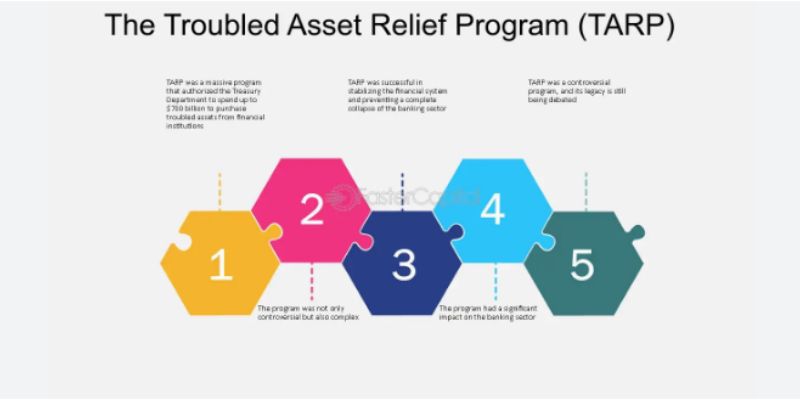
TARP was created under the Emergency Economic Stabilization Act, signed by President George W. Bush on October 3, 2008. The idea was to pump money into struggling banks, insurance companies, and automakers by buying their “troubled assets,” like bad mortgages or stocks. Congress originally set aside $700 billion for TARP, though not all of it was spent. For us car folks, TARP is most famous for saving General Motors (GM) and Chrysler from going under. Without it, we might not have some of the iconic vehicles we love today.
Why Was TARP Needed?
To understand TARP, you’ve got to picture the mess of 2008. I was in college then, and the news was grim. The financial crisis, often called the Great Recession, started with a housing bubble. Banks gave out risky mortgages to people who couldn’t afford them. These loans were bundled into complex securities and sold to investors. When homeowners started defaulting, the whole system began to crumble.
Big financial institutions like Lehman Brothers went bankrupt. Others, like Fannie Mae and AIG, were on the edge. Credit markets froze, meaning banks stopped lending money. Businesses couldn’t get loans, and consumers couldn’t buy cars or homes. The auto industry got hit hard—people weren’t buying vehicles, and companies like GM and Chrysler were bleeding cash. I remember seeing empty car lots and hearing about layoffs at factories. TARP was the government’s way of stopping this downward spiral by injecting cash into the economy.
How Did TARP Work?
TARP was like a giant financial lifeline. The U.S. Treasury Department ran the program, using taxpayer money to buy troubled assets or invest in struggling companies. I’ve always found it fascinating how they decided where the money went. They focused on five main areas: banks, credit markets, the auto industry, insurance giant AIG, and housing programs.
For banks, TARP bought toxic mortgage-backed securities or purchased stock to give them cash to keep lending. For automakers, the government provided loans and bought stock to keep them afloat. I’ll never forget reading about how GM and Chrysler had to submit restructuring plans to prove they could survive. It was like a high-stakes business pitch! By 2010, TARP stopped making new investments, and the focus shifted to recovering the money. The program officially ended in 2014, but its impact is still felt today.
TARP and the Auto Industry
As a car guy, this is the part I’m most passionate about. The auto industry was on its knees in 2008. GM and Chrysler were burning through cash, and bankruptcy loomed. I remember worrying about what would happen to brands like Chevrolet and Dodge. Ford managed to stay afloat without TARP, but GM and Chrysler needed help fast.
TARP poured about $80.7 billion into the auto industry, mostly for GM and Chrysler. The government gave loans and bought stock in these companies. In return, they had to make big changes—cut jobs, close factories, and streamline operations. I visited a GM plant a few years later and heard stories about how tough those cuts were. But they worked. GM and Chrysler emerged from bankruptcy in 2009, leaner and stronger. By 2013, the government sold its GM stock, and by 2014, Chrysler’s shares were sold too. The auto bailout saved over a million jobs and kept the industry alive.
Here’s a quick table to show how TARP helped the auto industry:
| Company | TARP Funds Received | What They Did With It | Outcome |
|---|---|---|---|
| General Motors | $50.7 billion | Repaid loans, went public in 2010, and are still thriving | Reorganized, partnered with Fiat, and emerged from bankruptcy |
| Chrysler | $12.5 billion | Supported parts manufacturers to keep the supply chain stable | Repaid loans, now part of Stellantis |
| Auto Suppliers | $17.5 billion | Supported parts manufacturers to keep supply chain stable | Helped suppliers survive, supported recovery |
Other Areas TARP Supported
While the auto industry is my focus, TARP did a lot more. I’ve looked into its other programs, and it’s impressive how wide-ranging it was. Here’s a quick rundown:
- Banks: TARP invested $245 billion in banks to keep them lending. Big names like Citigroup and Bank of America got help. The Capital Purchase Program bought preferred stock in banks, and most paid it back with interest.
- AIG: The insurance giant got $67.8 billion to avoid collapse. I was shocked to learn AIG’s failure could’ve tanked the whole financial system. The government made a profit on this deal.
- Credit Markets: TARP spent $27 billion to restart lending for things like credit cards and auto loans. This helped people keep buying cars when banks were scared to lend.
- Housing: About $46 billion went to foreclosure prevention, like the Making Home Affordable program. I knew a few folks who got mortgage help through this, but it didn’t fix the housing crisis completely.
Each area had its own challenges, but TARP’s goal was to stabilize the economy so businesses and people could get back on their feet.
Was TARP a Success?
This is a question I’ve wrestled with a lot. TARP was controversial—some called it a “bank bailout” and hated that taxpayer money saved big companies. I get it. It felt unfair when Wall Street got help while regular folks lost homes. But as a car enthusiast, I saw how TARP saved GM and Chrysler, which meant jobs and communities stayed intact.
Financially, TARP did well. The government spent $443.5 billion but got back $425.5 billion through repayments, dividends, and stock sales. The net cost was about $31.1 billion, mostly from housing programs that weren’t meant to be repaid. That’s a small price compared to a potential depression. I’ve read that TARP saved over a million jobs, especially in the auto industry, and kept credit flowing.
Still, it wasn’t perfect. Some banks paid big bonuses to executives while using TARP funds, which made people furious. I remember hearing about “TARP bonuses” on the news and feeling annoyed. Housing programs didn’t help as many homeowners as hoped, and some say TARP encouraged risky behavior by showing banks they’d be bailed out. It’s a mixed bag, but I lean toward thinking TARP did more good than harm, especially for us car lovers.
The Controversy Around TARP
I can’t talk about TARP without mentioning the drama. People were mad about it, and I don’t blame them. In 2008, I was glued to the TV as Congress debated TARP. The first vote failed because lawmakers feared voter backlash. I remember my dad saying, “Why are we bailing out banks while people lose their jobs?” It was a common feeling.
Critics said TARP rewarded bad behavior. Banks took risks with mortgages, and automakers mismanaged their businesses. Why should they get a free pass? Others felt the government should’ve taken bigger stakes in companies to control their actions. I’ve talked to mechanics who were upset that TARP didn’t do more for workers laid off during restructurings.
On the flip side, supporters argued that TARP was necessary to avoid a total collapse. I’ve read economists say it stopped a Second Great Depression. For the auto industry, it was a lifeline. Without TARP, GM and Chrysler might’ve vanished, taking suppliers and dealerships with them. I visited a Chrysler dealership years later, and the owner told me TARP kept his doors open. The debate still rages, but I think TARP was a tough but needed call.
My Personal Connection to TARP
As a car enthusiast, TARP hits close to home. I grew up loving American muscle cars—my dream ride is a ’69 Chevy Camaro. When GM was in trouble, I worried we’d lose brands like Chevrolet forever. I followed the news obsessively, reading about GM’s bankruptcy and how TARP funds kept it alive. I even went to a car show in 2010 where a GM rep talked about their comeback. Seeing new Camaros and Corvettes on display felt like a victory.
I’ve also met people affected by TARP. A buddy who worked at a GM supplier said TARP saved his job. Another friend’s family got mortgage help through a TARP program, which let them keep their home. These stories make TARP real for me—it wasn’t just about banks or car companies; it was about people. That’s why I’m so passionate about sharing this with you.
Lessons Learned From TARP
Looking back, TARP taught us a lot. I’ve spent time thinking about what it means for the auto industry and beyond. Here are some takeaways:
- Preparation Matters: Automakers weren’t ready for a crisis. GM and Chrysler had high costs and too many brands. Now, they’re leaner and more focused. I admire how GM bounced back with hits like the Chevy Bolt.
- Government Role: TARP showed the government can step in during emergencies, but it’s tricky. I wonder if future crises will see similar bailouts or if companies will be left to fail.
- Public Trust: TARP damaged trust in banks and the government. I’ve heard folks at car meets say they’re skeptical of big institutions now. Transparency is key to avoiding this in the future.
- Jobs Are Critical: Saving the auto industry protected millions of jobs. I’ve seen how factory towns depend on car plants. TARP reminded us how connected the economy is.
These lessons shape how I view the auto world today. Companies need to stay nimble, and we need policies that balance help with accountability.
TARP’s Legacy in the Auto Industry
TARP’s impact on cars is huge. GM and Chrysler are still here, cranking out vehicles we love. I drove a Chrysler 300 last year and thought, “This car exists because of TARP.” GM’s revival gave us the C8 Corvette, a mid-engine masterpiece. Suppliers bounced back, keeping parts flowing for repairs and builds. I’ve worked on my own car with parts from TARP-supported companies, and it feels full circle.
The bailout also changed how automakers operate. GM shed brands like Pontiac and Saturn to focus on Chevy, Cadillac, Buick, and GMC. Chrysler streamlined under Fiat’s ownership, now part of Stellantis. I’ve noticed they’re more competitive, with better quality and tech. TARP gave them a second chance, and they’ve mostly made good on it.
But the legacy isn’t all rosy. Some communities lost factories, and workers faced layoffs. I visited a closed GM plant in Ohio, and it was eerie—empty lots where thousands once worked. TARP saved the industry, but not every town. Still, I’m grateful we didn’t lose our auto giants.
Tips for Understanding TARP as an Auto Fan
If you’re curious about TARP and its auto connection, here’s how to dive deeper:
- Read About the Crisis: Books and articles on the 2008 recession explain why TARP was needed. I loved “Too Big to Fail” for its behind-the-scenes look.
- Follow the Money: Look up how much GM and Chrysler got and what they did with it. Treasury reports are dry but full of details.
- Talk to Industry Folks: Mechanics, dealers, or factory workers often have stories about TARP’s impact. I learned a ton at car shows.
- Check Out Modern Cars: Drive a GM or Chrysler vehicle to see TARP’s results. I test-drove a Jeep Wrangler and was impressed by Chrysler’s comeback.
- Stay Curious: The auto industry is always evolving. TARP’s lessons apply to today’s challenges, like electric vehicles and supply chains.
These steps helped me connect the dots between TARP and the cars I love. They’ll do the same for you.

Conclusion
The TARP program is more than a dusty piece of 2008 history—it’s a story of survival, especially for the auto industry we car enthusiasts cherish. I’ve spent years exploring this topic, from the panic of the financial crisis to the rebirth of GM and Chrysler. TARP was a bold move, pouring billions into banks, automakers, and homeowners to stop an economic freefall. For us gearheads, it meant saving iconic brands, preserving jobs, and keeping the American auto spirit alive.
Sure, it was messy and controversial, but it worked. Today, when I see a Chevy Camaro or Dodge Challenger on the road, I’m reminded of TARP’s impact. So next time you’re at a car show or working on your ride, think about how TARP gave our industry a second chance. Keep loving those cars, and let’s celebrate the road ahead!
FAQs
What does TARP stand for?
TARP stands for Troubled Asset Relief Program. It was a U.S. government plan in 2008 to stabilize the economy by buying troubled assets from banks and companies.
How did TARP help the auto industry?
TARP gave $80.7 billion to GM, Chrysler, and suppliers. It provided loans and bought stock, helping them survive bankruptcy and save over a million jobs.
Did the government make money from TARP?
Yes, mostly. The government spent $443.5 billion but got back $425.5 billion. The net cost was $31.1 billion, mainly from housing programs.
Why was TARP controversial?
People were angry that taxpayer money bailed out banks and companies. Some felt it rewarded bad decisions, and “TARP bonuses” to executives didn’t help.
Is TARP still active today?
No, TARP ended in 2014. All programs are closed, and the government no longer holds TARP assets, but its effects are still felt in the auto industry.