What is the Best Toilet Bowl Brush: Genius Choice
The best toilet bowl brush is one that effectively cleans under the rim, is durable, hygienic, and easy to store. Look for features like sturdy bristles, a comfortable handle, and a ventilated holder to prevent mold and odors. The ideal choice balances cleaning power with user-friendly design for a sparkling clean bathroom.
Keeping our bathrooms sparkling clean is a task we all face. Sometimes, the smallest tools make the biggest difference, and that’s certainly true for the humble toilet bowl brush. It might not be the most glamorous part of home maintenance, but a good toilet brush is essential for hygiene and a fresh-smelling bathroom. A worn-out or poorly designed brush can make cleaning difficult and less effective, leaving you frustrated. Don’t worry, though! We’ll walk through what makes a toilet bowl brush a “genius choice” and how to pick the perfect one for your home. Get ready to discover the secrets to a cleaner, happier bathroom!
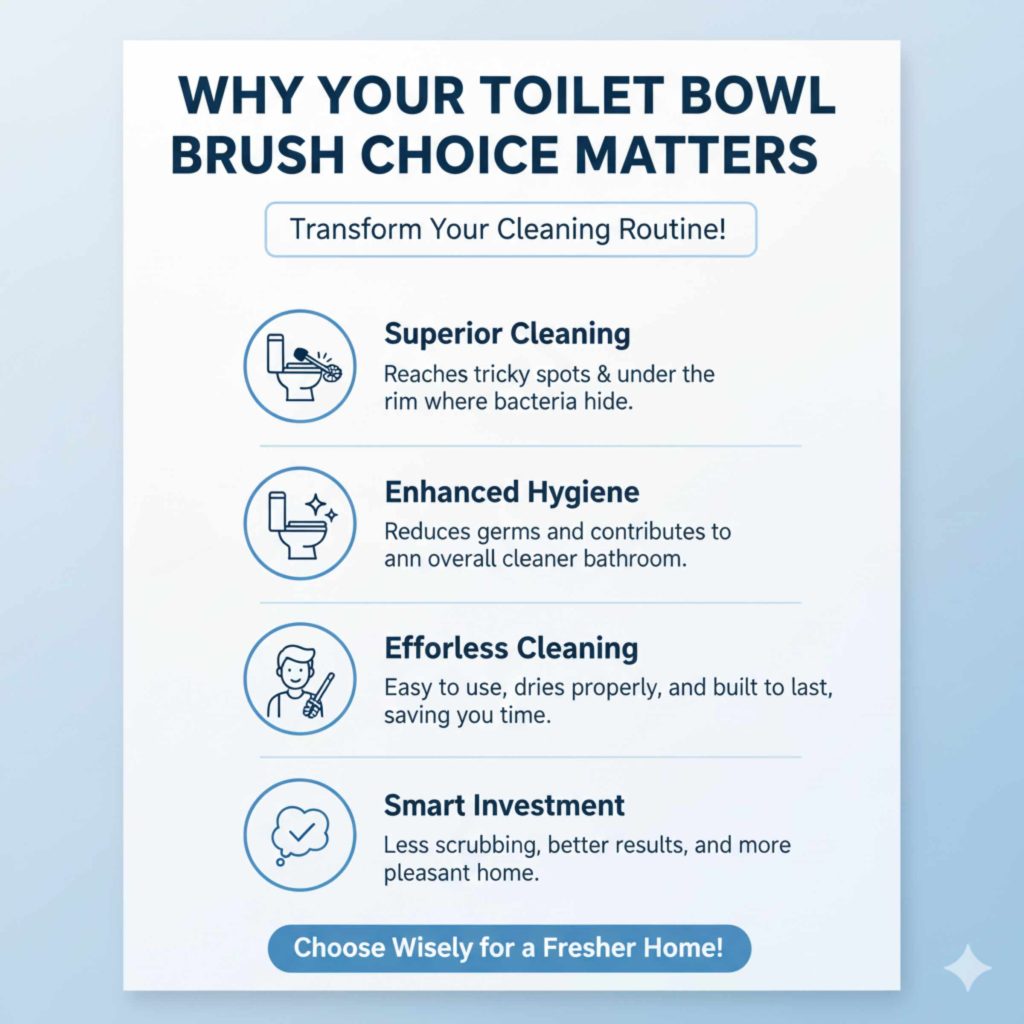
Why Your Toilet Bowl Brush Choice Matters
You might be thinking, “It’s just a toilet brush!” But believe me, the right toilet bowl brush can transform your cleaning routine. A good brush doesn’t just scrub away visible grime; it reaches those tricky spots, like under the rim, where bacteria love to hide. It also contributes to the overall hygiene of your bathroom. A brush that’s hard to use, doesn’t dry properly, or falls apart quickly can actually make the job harder and less sanitary. Investing a little time in choosing the best one means less scrubbing, better results, and a more pleasant experience for everyone in your home.
Key Features of a Genius Toilet Bowl Brush
When you’re looking for that “genius choice” toilet brush, keep these important features in mind. They’re the difference between a brush that just gets the job done and one that makes cleaning a breeze.
Bristle Power and Design
- Sturdiness: Look for bristles that are firm enough to scrub away tough stains but flexible enough not to scratch the porcelain. Stiff bristles are great for tackling grime, while slightly softer ones can get into crevices.
- Material: Many brushes use polypropylene or nylon. These are durable and resist water. Some higher-end options might use silicone, which is known for being more hygienic and easier to clean.
- Shape: A brush head with a slightly curved or angled design can help you get under the toilet rim more effectively. Some brushes have a more compact head for precise cleaning.
- Coverage: Ensure the bristles cover a good surface area of the brush head for efficient scrubbing.
Handle Comfort and Durability
- Ergonomics: A comfortable grip is crucial. Look for a handle that feels good in your hand, perhaps with a non-slip texture, so you have control while scrubbing.
- Length: The handle should be long enough to reach the bottom of the bowl without you having to lean too far over.
- Material: Plastic handles are common and durable. Stainless steel or brushed metal handles can offer a more premium look and feel, but ensure they don’t feel cold or slippery.
- Durability: The handle should be securely attached to the brush head. You don’t want it snapping off mid-scrub!
The Holder: More Than Just Storage
The holder is just as important as the brush itself. A good holder keeps your brush tidy and helps it dry properly, preventing yucky mold and mildew.
- Ventilation: This is key! Look for holders with holes or slots that allow air to circulate. This helps the brush dry quickly after use, stopping bacteria and odors from building up.
- Stability: The holder should be sturdy and not tip over easily. A wide base is usually best.
- Ease of Cleaning: The holder should be easy to wipe down and keep clean. Some are designed to catch drips, which is a nice bonus.
- Aesthetics: While function comes first, a holder that looks good in your bathroom is a plus. Many modern designs are sleek and unobtrusive.
Hygiene and Maintenance
A truly genius toilet brush should be easy to keep clean itself.
- Material: Silicone brushes and holders are often praised for being more hygienic because they are non-porous and resist bacteria buildup.
- Washability: Can you easily rinse the brush and holder? Some holders are designed to be easily disassembled for thorough cleaning.
- Odor Control: A well-ventilated holder and a brush that dries quickly will significantly reduce unpleasant odors.
Types of Toilet Bowl Brushes: Finding Your Perfect Match
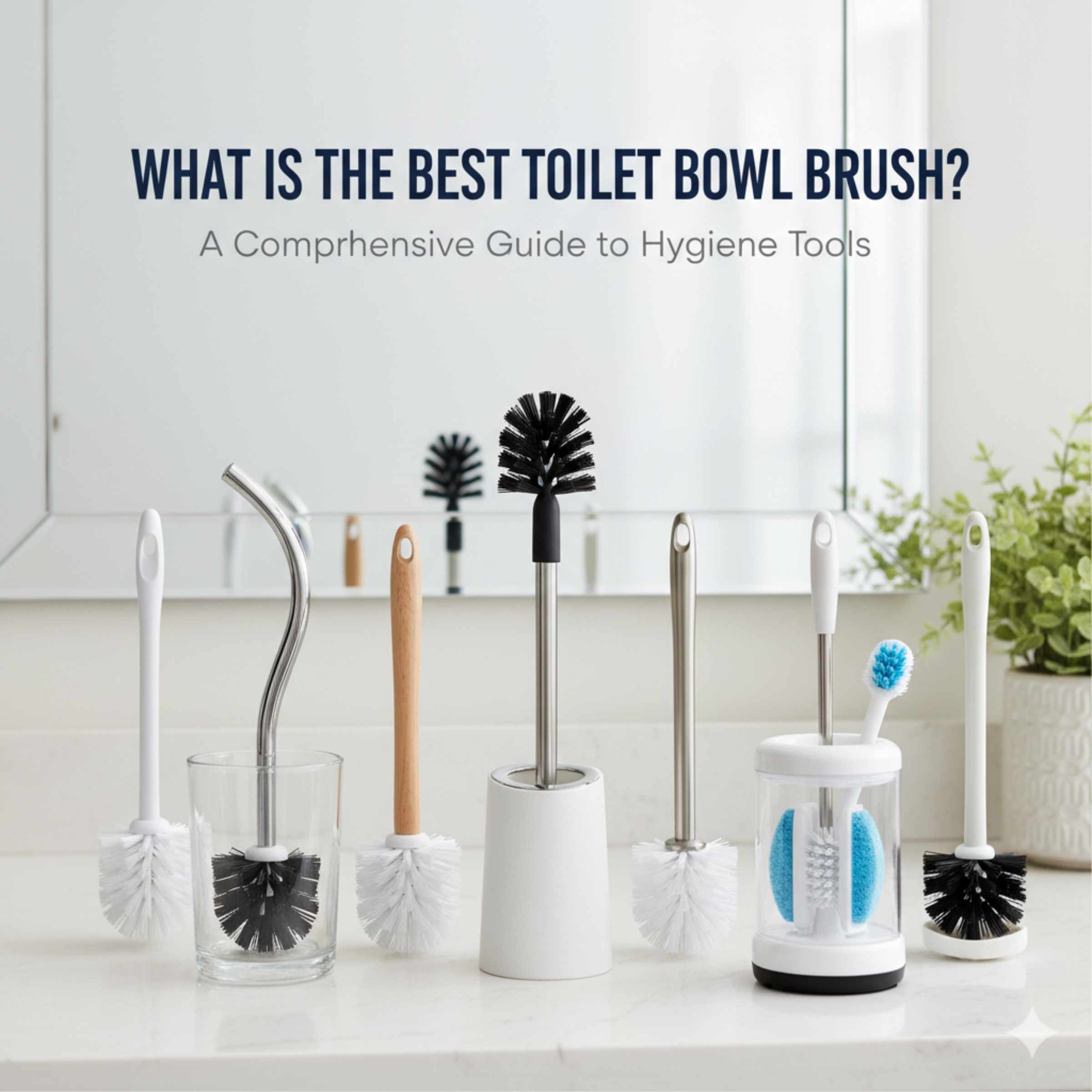
The world of toilet brushes has evolved! Beyond the classic bristle brush, there are some innovative options designed for specific needs. Let’s explore them.
1. The Classic Bristle Brush
This is the tried-and-true option most of us grew up with. It features a plastic or metal handle and a head with stiff, durable bristles.
- Pros: Widely available, affordable, good scrubbing power for most stains.
- Cons: Bristles can harbor bacteria and odors if not dried properly, can sometimes splash water, can be harder to clean under the rim if the head is too large or stiff.
- Best for: General household use, tackling moderate stains.
2. The Silicone Toilet Brush
These have become very popular for their perceived hygienic benefits. They have a flexible, rubber-like silicone head.
- Pros: Non-porous surface is easier to clean and may resist bacteria better, doesn’t rust or wear out like bristles, often comes with a sleek, modern holder, can be more gentle on the toilet bowl.
- Cons: Some users find silicone bristles don’t offer as much scrubbing power for tough stains, can be more expensive than traditional brushes, may not reach under the rim as effectively as some bristle designs.
- Best for: Those prioritizing hygiene, modern bathrooms, lighter cleaning needs.
3. The Under-Rim Brush
These are often smaller, C-shaped, or have a specially angled head designed to specifically target the hidden areas under the toilet rim.
- Pros: Excellent for cleaning the often-missed upper rim, can be used in conjunction with a main brush.
- Cons: Not designed for scrubbing the main bowl, can be fiddly to store if not part of a set.
- Best for: Deep cleaning, ensuring complete hygiene.
4. The Disposable Toilet Wand System
These systems come with a wand and disposable cleaning heads that are loaded with cleaner. You scrub, then discard the head.
- Pros: Very hygienic as you use a fresh head each time, convenient, no need to store a dirty brush.
- Cons: Can be expensive over time due to the cost of replacement heads, not as environmentally friendly, may not offer the same scrubbing power as a dedicated brush.
- Best for: Those who want maximum convenience and hygiene, travel trailers, guest bathrooms.
5. The Wall-Mounted Toilet Brush
These are designed to be mounted directly to the wall, saving floor space and often featuring a sleek, modern design with good ventilation.
- Pros: Saves floor space, keeps the bathroom looking tidy, can be easier to clean around, often designed with good ventilation.
- Cons: Requires drilling into the wall for installation, may not be suitable for all bathroom layouts.
- Best for: Small bathrooms, modern aesthetics, those who like a clutter-free look.
Comparison Table: Choosing Your Ideal Brush
To help you visualize the differences, here’s a handy comparison of the most common types:
| Feature | Classic Bristle Brush | Silicone Brush | Disposable Wand System | Wall-Mounted Brush |
|---|---|---|---|---|
| Cleaning Power | Good to Excellent | Fair to Good | Fair to Good | Good to Excellent (depending on bristle type) |
| Hygiene Potential | Fair (requires good drying) | Good to Excellent | Excellent (single-use) | Good to Excellent (depends on holder design) |
| Durability | Good (bristles may wear) | Excellent (material doesn’t degrade) | N/A (heads are disposable) | Good to Excellent |
| Cost (Initial) | Low | Medium | Medium | Medium |
| Cost (Long-Term) | Low | Low | High (for refills) | Low |
| Storage | Floor holder | Floor holder | Dispenser/holder | Wall-mounted |
| Best For | Budget-conscious, general use | Modern hygiene focus | Maximum convenience, travel | Space-saving, tidy look |
How to Choose the “Genius Choice” for YOUR Bathroom
Now that you know the options, how do you pick the one that’s truly “genius” for your home? It’s all about considering your personal needs and preferences.
Step 1: Assess Your Cleaning Needs
- Tough Stains: If you frequently deal with hard water stains, rust, or other stubborn marks, a brush with strong, durable bristles will likely be your best bet.
- Maintenance Cleaning: For regular upkeep and lighter cleaning, a silicone brush might offer sufficient power and better hygiene.
- Under-Rim Focus: If you’re particularly concerned about cleaning the entire bowl, including the often-neglected under-rim area, look for brushes with specialized heads or consider a two-brush system.
Step 2: Consider Your Bathroom Style and Space
- Small Bathroom: A wall-mounted brush or a compact, well-designed holder can save precious floor space.
- Modern Aesthetic: Sleek silicone brushes or minimalist wall-mounted options often fit best with contemporary decor.
- Traditional Style: A classic bristle brush with a sturdy, perhaps brushed metal, holder might complement a more traditional bathroom.
Step 3: Think About Hygiene and Maintenance
- Ease of Cleaning: How much effort are you willing to put into cleaning the brush itself? Silicone brushes are generally easier to rinse and keep clean.
- Drying: Prioritize a holder with excellent ventilation to prevent moisture buildup, regardless of the brush type. This is crucial for reducing bacteria and odors.
- Allergies/Sensitivities: If you or someone in your household has sensitivities, a non-porous, easy-to-clean material like silicone might be preferred.
Step 4: Budget and Long-Term Value
- Initial Cost: Classic bristle brushes are usually the cheapest upfront.
- Refill Costs: Disposable wand systems have ongoing costs for replacement heads.
- Durability: A well-made brush, whether bristle or silicone, can last for years, offering good long-term value. A quality silicone brush or a sturdy bristle brush with a good holder is often a wise investment.
Top Features to Look for in a “Genius” Holder
The holder is often overlooked, but a smart holder makes a huge difference in the longevity and hygiene of your toilet brush. Here’s what to seek:
- Excellent Ventilation: Look for multiple drainage holes or open slots at the bottom and sides. This allows air to circulate freely, drying the brush quickly. Some designs even have a raised base inside the holder so the brush isn’t sitting in pooled water.
- Drip Catchment: While ventilation is key for drying, a holder that also catches excess water can prevent puddles on your floor. Ensure this catchment area is easy to empty and clean.
- Stable Base: The holder should be heavy enough or wide enough at the base to prevent it from tipping over when you remove or replace the brush.
- Easy to Clean: The holder should be made of material that’s simple to wipe down. Some holders can be taken apart, making deep cleaning much easier.
- Odor Prevention: A well-ventilated, easy-to-clean holder directly contributes to preventing unpleasant odors associated with damp brushes.
- Aesthetic Integration: Choose a holder that complements your bathroom’s style. Whether it’s a simple white plastic, a sleek stainless steel, or a minimalist design, it should blend in.
How to Use Your Toilet Brush Like a Pro (Even if You’re a Beginner!)
Using a toilet brush might seem straightforward, but a few simple tips can make your cleaning more effective and hygienic.
- Gather Your Supplies: Have your toilet bowl cleaner and your chosen toilet brush ready.
- Apply Cleaner: Squirt toilet bowl cleaner under the rim and around the bowl. Let it sit for a few minutes as per the product instructions. This helps loosen grime. You can learn more about effective bathroom cleaning from resources like the U.S. Environmental Protection Agency’s guidance on greener cleaning.
- Scrub the Bowl: Start by scrubbing under the rim, using the brush to get into that hidden area. Then, work your way around the entire bowl, applying gentle pressure.
- Rinse the Brush: After scrubbing, lift the brush and let some of the toilet water run over the bristles to rinse away loose debris.
- Clean the Holder: Place the brush back into its holder. If your holder has a drip catcher, make sure it’s positioned correctly.
- Clean the Brush and Holder Regularly: This is super important! Periodically, you should clean the brush and holder themselves. You can do this by rinsing the brush thoroughly with clean water, and then spraying it with a disinfectant or pouring some bleach (carefully!) onto the bristles. Let it sit for a few minutes, then rinse again. For the holder, empty any water, wipe it down with a disinfectant cleaner, and ensure it dries completely.
- Consider a Second Brush: For ultimate hygiene, some people use a dedicated under-rim brush and a separate brush for the main bowl.
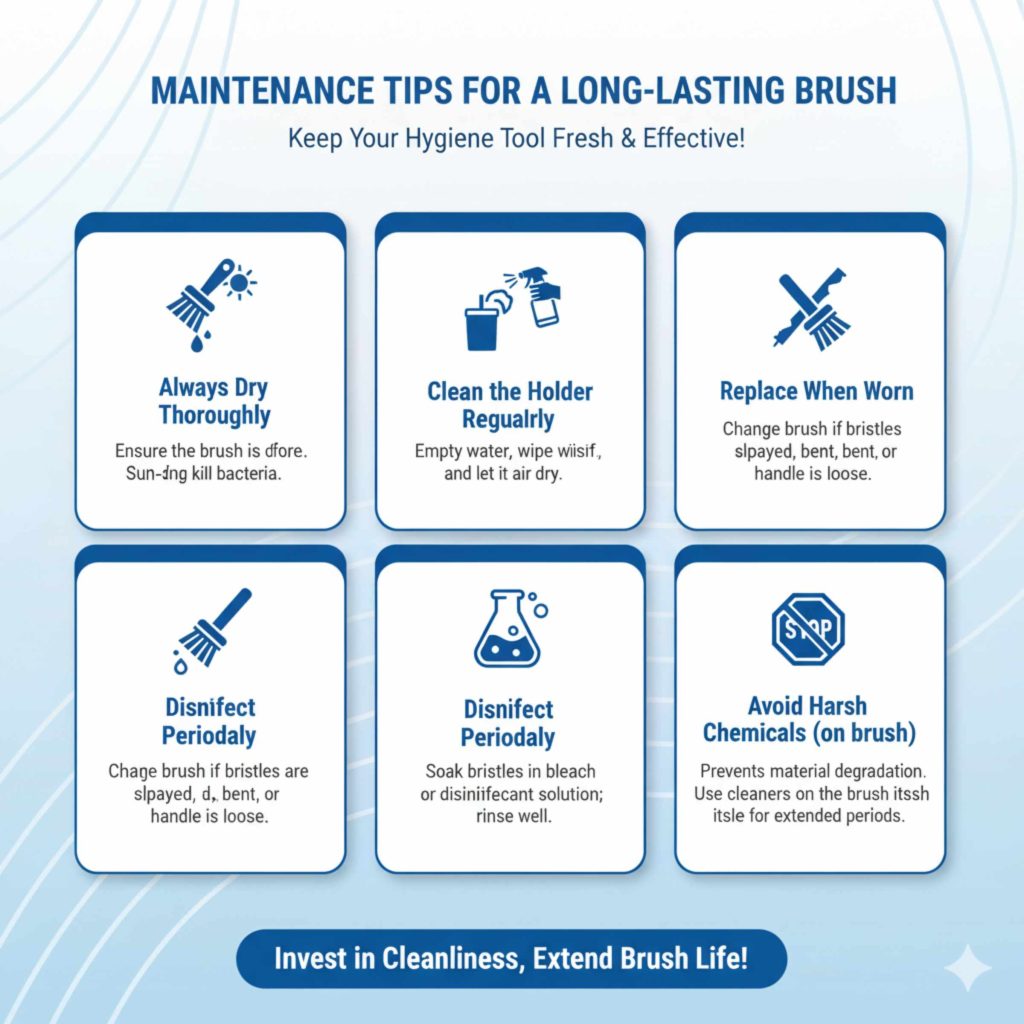
Maintenance Tips for a Long-Lasting Brush
To keep your toilet brush working its best and prevent it from becoming a source of germs, follow these maintenance tips:
- Always Dry Thoroughly: The most critical step! Ensure the brush is as dry as possible before placing it back in its holder. If it’s a sunny day, you can even place it outside in the sun to dry – UV rays can help kill bacteria.
- Clean the Holder Regularly: Don’t forget the holder! Empty any water, wipe it down with disinfectant, and let it air dry.
- Replace When Worn: Even the best brushes wear out. If the bristles are splayed, bent, or falling out, or if the handle is loose, it’s time for a replacement. A worn brush won’t clean effectively and can harbor more germs.
- Disinfect Periodically: Give your brush a deeper clean every so often. You can soak the bristles in a bleach solution (follow safety guidelines for bleach use) or a strong disinfectant cleaner. Rinse thoroughly afterward.
- Avoid Harsh Chemicals (on the brush itself): While you use cleaners on the toilet, avoid letting harsh chemicals sit on the brush bristles for extended periods unless specifically designed for it, as it can degrade the material over time.
Frequently Asked Questions (FAQ)
Q1: How often should I replace my toilet bowl brush?
A: Generally, a toilet bowl brush should be replaced every 6 to 12 months. However, if you notice the bristles are splayed, damaged, or the brush is simply not cleaning effectively anymore, it’s time for a change sooner. Regular cleaning and proper drying can extend its lifespan.
Q2: Are silicone toilet brushes really more hygienic than bristle brushes?
A: Silicone brushes are often considered more hygienic because their non-porous surface is less likely to trap bacteria and easier to rinse clean compared to traditional bristles. However, proper drying and regular cleaning are essential for both types to maintain hygiene.
Q3: How do I prevent my toilet brush from smelling bad?
A: The key is to ensure the brush dries completely after each use. Always use a holder with good ventilation. You can also periodically disinfect the brush by soaking it in a mild bleach solution or disinfectant and rinsing thoroughly. Empty and clean the holder regularly.
Q4: Can I use bleach to clean my toilet bowl brush?
A: Yes, you can use a diluted bleach solution to disinfect your toilet brush. Soak the bristles for about 10-15 minutes, then rinse thoroughly with clean water. Always use bleach in a well-ventilated area and follow safety precautions. Avoid mixing bleach with other cleaners, especially ammonia.
Q5: What’s the best way to clean under the toilet rim?
A: The best way to clean under the toilet rim is to use a brush with a head designed to reach this area, or a separate under-rim brush. Apply toilet bowl cleaner directly under the rim and let it sit for a few minutes before scrubbing with the brush. Ensure the brush bristles can get into that curved space.
Q6: Should I keep my toilet brush in the holder all the time?
A: Yes, it’s best to keep your toilet brush in its holder when not in use. This helps contain any drips, keeps the brush clean, and prevents it from becoming a tripping hazard or an unsightly mess on the floor. Just ensure the holder promotes drying.
Conclusion: Your Path to a Cleaner Bathroom
Choosing the “best” toilet bowl brush isn’t about finding a single perfect model, but rather identifying the one that best fits your cleaning style, bathroom setup, and hygiene priorities. Whether you lean towards the dependable scrub of classic bristles, the modern ease of silicone, or the convenience of disposable systems, the key is selecting a brush that’s effective, durable, and easy to maintain. Remember that a good, well-ventilated holder is just as crucial as the brush itself for preventing odors and bacteria. By paying attention to bristle design, handle comfort, and holder features, you can confidently select a toilet brush that makes a real difference in keeping your bathroom fresh and sparkling. Happy cleaning!