What Is The Difference Between White and Yellow Beeswax: Essential Guide
Quick Summary:
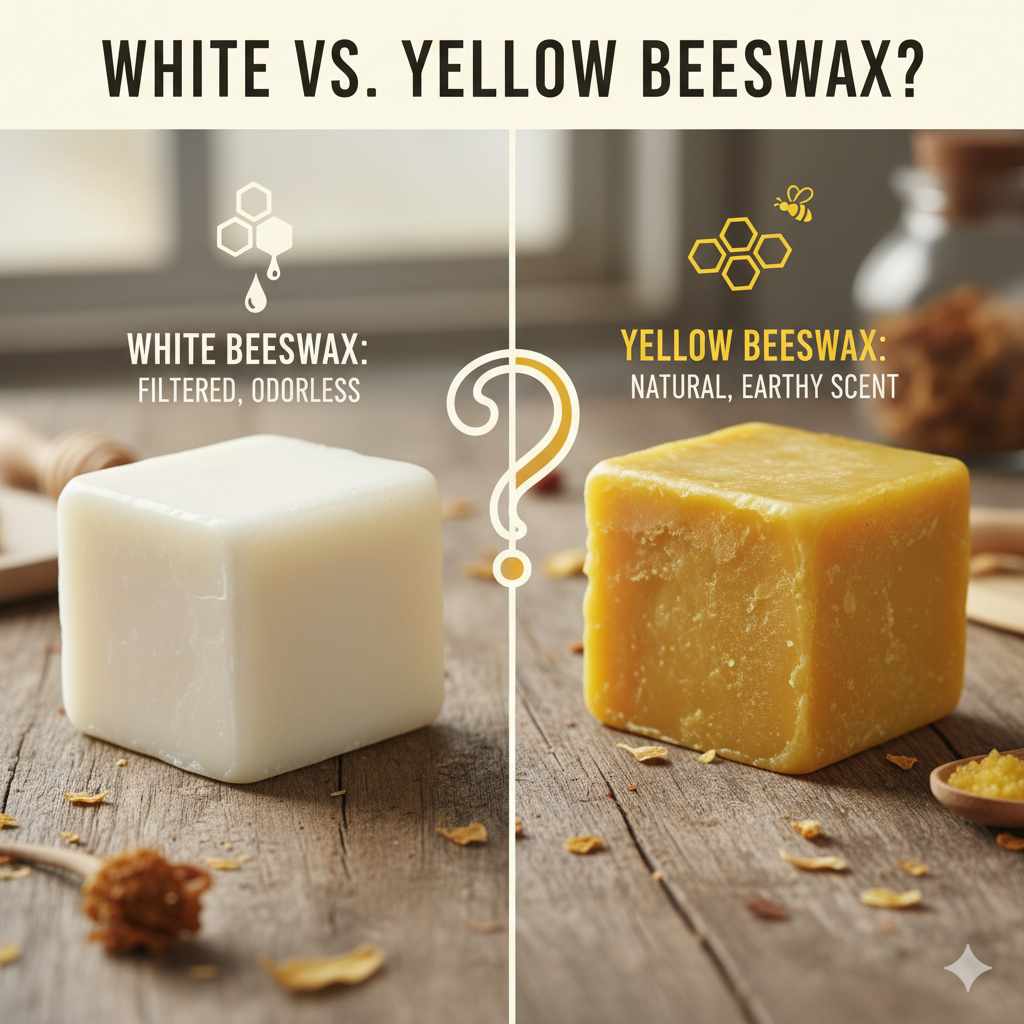
The main difference between white and yellow beeswax is how they are processed. Yellow beeswax is raw and filtered, retaining its natural color and scent. White beeswax is further refined and bleached, removing color and odor for a neutral finish. Both are excellent natural waxes for various DIY projects.
Hey there, fellow DIYers and home improvement enthusiasts! Md Meraj here, ready to tackle another common question that pops up when you’re working with natural materials. Ever found yourself staring at two tubs of beeswax, one a lovely golden hue and the other a pale, almost creamy white, and wondered what’s really going on? You’re not alone! It can be a little confusing, especially when you’re just starting out and want to make sure you’re using the right stuff for your project. Don’t worry, it’s simpler than it sounds. We’ll break down exactly what makes them different, why it matters, and how to choose the best one for your needs. Let’s get you confidently choosing the right beeswax for your next creation!
Unveiling the Mystery: White vs. Yellow Beeswax
When you’re diving into the world of natural finishes, candle making, or even crafting your own balms and salves, beeswax is a fantastic ingredient. It’s natural, it smells wonderful (usually!), and it works like a charm. But you’ve probably noticed it comes in different colors, most commonly yellow and white. What’s the deal? Are they different types of wax, or is something else going on?
The truth is, they both come from the same source: honeybees! The difference you see is all about how the wax is treated after the bees make it. Think of it like how a plain cotton shirt can be dyed or bleached – the basic material is the same, but the processing changes its appearance and some of its properties. Understanding these differences will help you pick the perfect beeswax for your specific project, ensuring the best results every time.
Yellow Beeswax: The Natural Beauty
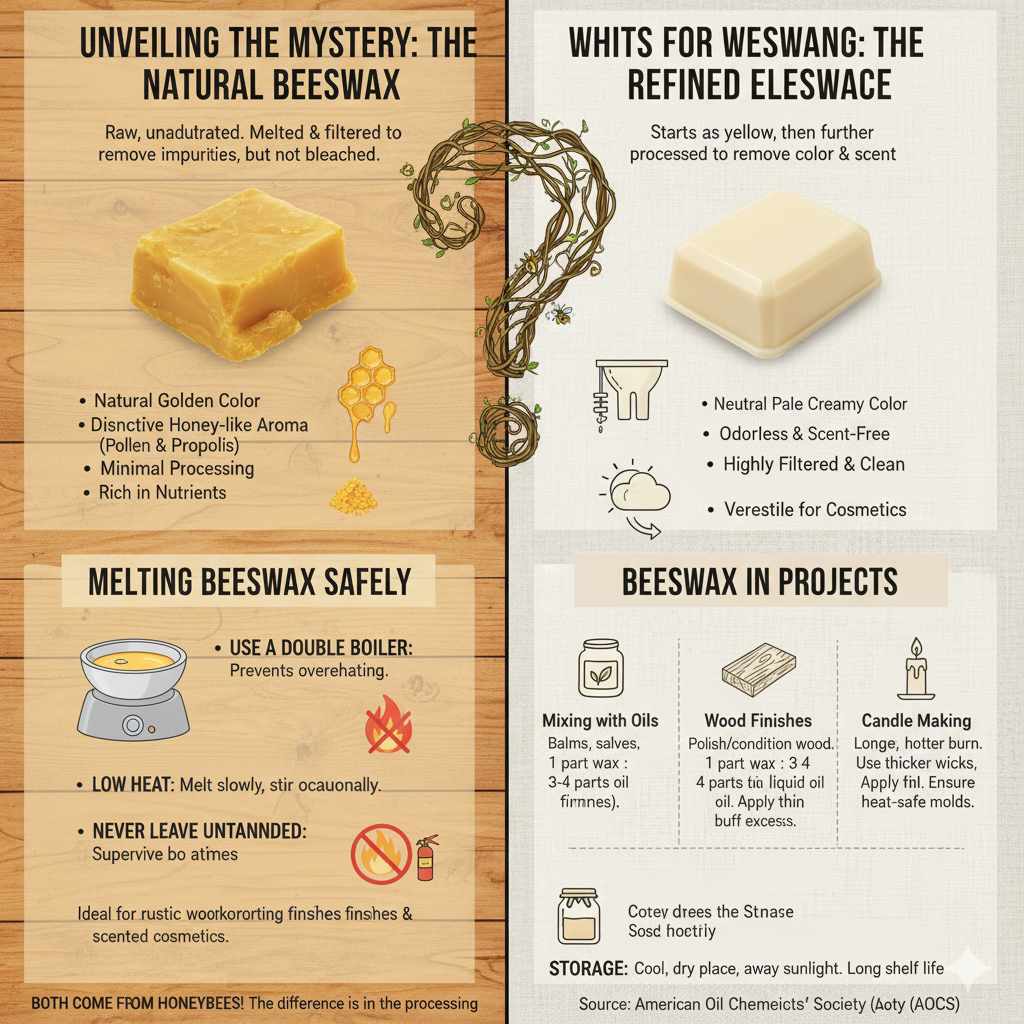
Yellow beeswax is essentially the raw, unadulterated form of beeswax. When beekeepers harvest honeycomb, they often melt it down to separate the pure wax from the honey and other debris. This process usually involves filtering the melted wax to remove impurities, but it doesn’t involve any harsh chemicals or bleaching agents.
The natural golden color of yellow beeswax comes from the pollen and propolis that the bees incorporate into the wax as they build their combs. Propolis, often called “bee glue,” is a resinous mixture that bees collect from tree buds, sap flows, or other botanical sources. It’s known for its antimicrobial properties and contributes to the wax’s unique scent and color.
What Makes Yellow Beeswax Special?
- Natural Color: It retains the beautiful, warm golden-yellow hue that is characteristic of pure beeswax. This can be desirable for projects where you want a natural, rustic look.
- Distinctive Aroma: Yellow beeswax typically has a noticeable, pleasant honey-like scent. This is due to the presence of natural compounds from the hive, like pollen and propolis.
- Minimal Processing: It undergoes basic filtering to remove physical contaminants, but it’s not bleached or heavily refined.
- Rich in Nutrients: While processing is minimal, the natural components like pollen and propolis are largely intact, which some people believe offer additional benefits, especially in cosmetic applications.
For many applications, especially in woodworking finishes where you want to add a warm tone to the wood, or in natural cosmetics where the scent is part of the experience, yellow beeswax is the go-to choice. Its natural character is its biggest strength.
White Beeswax: The Refined Elegance
White beeswax starts its life as yellow beeswax. The “white” comes from further processing that removes both the color and the strong scent. This is typically achieved through a combination of filtration, deodorization, and bleaching processes. While some methods might use natural bleaching agents, others might involve more industrial techniques.
The goal of creating white beeswax is to produce a neutral product that won’t impart color or scent to the final item. This is crucial for applications where you want the pure properties of beeswax without any interference from its natural pigments or aromas.
What Makes White Beeswax Special?
- Neutral Color: It’s a pale, off-white to creamy color, making it ideal for projects where you don’t want any yellowing or added color. Think light-colored woods, clear balms, or delicate crafts.
- Odorless: The deodorizing process removes the characteristic honey scent, making it perfect for unscented products or when you don’t want the beeswax aroma to compete with other fragrances.
- Highly Filtered: White beeswax is often more thoroughly filtered than yellow beeswax, ensuring a very clean and smooth consistency.
- Versatile for Cosmetics: It’s a popular choice for lip balms, lotions, and creams because it doesn’t alter the color of the product and is scent-free, allowing other essential oils or fragrances to shine.
If you’re making something where color and scent are important considerations and you want a pure, neutral base, white beeswax is your best bet. It offers a clean canvas for your creativity.
Key Differences at a Glance: A Comparison Table
To make it super clear, let’s put the main distinctions side-by-side. This table highlights the most important differences you’ll encounter when choosing between yellow and white beeswax.
| Feature | Yellow Beeswax | White Beeswax |
|---|---|---|
| Source | Raw, filtered beeswax from honeycombs. | Processed, refined, and bleached yellow beeswax. |
| Color | Golden yellow to amber. | Pale off-white to creamy white. |
| Scent | Noticeable, pleasant honey/beeswax aroma. | Odorless or very faint scent. |
| Processing | Basic filtering to remove impurities. | Filtering, deodorizing, and bleaching. |
| Natural Compounds (Pollen, Propolis) | Largely intact. | Significantly reduced or removed. |
| Best For | Wood finishes, natural soaps, candles where color/scent are desired, rustic crafts. | Lip balms, unscented lotions, light-colored crafts, products where color/scent neutrality is key. |
| Potential Benefits | Natural color and scent can be appealing. | Neutrality allows for versatile use without altering product appearance or scent. |
Why Does the Difference Matter for Your Projects?
You might be thinking, “Okay, so they look and smell different. But does it really matter for my DIY project?” The answer is a resounding yes! The choice between white and yellow beeswax can significantly impact the final look, feel, and even the scent of what you’re making.
For Woodworking and Furniture Finishing
If you’re working on a woodworking project, especially with natural wood, yellow beeswax is often your best friend. When you melt it down and apply it as a finish (often mixed with oils like linseed or tung oil), its natural golden color can enhance the wood’s grain and add a beautiful, warm patina. It’s a classic ingredient in many traditional wood polish recipes because it brings out the natural beauty of the wood.
White beeswax, on the other hand, is better suited for finishing lighter woods like maple or birch if you want to maintain their original pale color. It won’t add any yellow undertones. It’s also a good choice if you’re creating a very clear, protective topcoat that doesn’t need any color enhancement.
For more on wood finishing techniques and natural options, the Forest Products Laboratory (FPL), a branch of the U.S. Forest Service, offers a wealth of research and technical information on wood properties and treatments.
For Candle Making
The type of beeswax you choose for candle making can affect the final product in several ways:
- Color: Yellow beeswax will naturally give your candles a golden hue. This is often a desired aesthetic for natural beeswax candles. White beeswax will result in a paler, creamier colored candle, or can be dyed more easily to achieve specific colors without the underlying yellow interfering.
- Scent: The natural aroma of yellow beeswax is a big draw for many candle makers. It creates a subtle, pleasant scent that many find comforting. If you prefer to add your own fragrances (like essential oils), white beeswax is better because it’s odorless and won’t clash with your chosen scents.
- Burn Quality: Both types of beeswax burn very cleanly and efficiently. The primary difference in burn quality would come more from the filtration and the wick used rather than the color of the wax itself.
For Cosmetics and Personal Care Products
In homemade lip balms, lotions, salves, and soaps, the choice is often driven by neutrality and scent preference:
- Lip Balms: White beeswax is incredibly popular for lip balms because it doesn’t tint the balm and allows the natural color of other ingredients (like shea butter or cocoa butter) to show through. It also ensures the balm is unscented, making it ideal for sensitive lips or for those who prefer to add their own flavors. Yellow beeswax can give a slight yellow tint and a honey scent, which some people love, but others prefer the pure neutrality of white.
- Lotions and Creams: For skin care products, white beeswax is generally preferred. It acts as a fantastic emulsifier and thickener without adding color or scent. This is important if you’re adding specific fragrances or active ingredients that you don’t want to be masked by a beeswax aroma.
- Soaps: Both can be used in soap making, but white beeswax is often chosen for lighter-colored soaps or when a specific scent profile is desired from other ingredients.
When creating personal care products, it’s always a good idea to understand the properties of your ingredients. For instance, the U.S. Food and Drug Administration (FDA) provides information on cosmetic ingredients, including beeswax, which can be helpful for ensuring safety and compliance.
How to Choose the Right Beeswax for Your Project
Deciding between white and yellow beeswax really boils down to your project’s specific needs and your personal preferences. Here’s a simple guide to help you make the best choice:
Ask Yourself These Questions:
- What color do I want my finished product to be? If you want a natural golden hue or are working with darker woods, yellow beeswax is great. If you need a neutral color or are working with light materials, white beeswax is better.
- Do I want my product to have a natural scent, or should it be odorless? The sweet honey scent of yellow beeswax is a plus for many. If you want unscented or plan to add your own fragrances, opt for white.
- What kind of aesthetic am I aiming for? Rustic and natural? Go yellow. Clean, modern, and neutral? Go white.
- Are there any specific ingredients I’m using that might react with color or scent? For example, if you’re using very delicate essential oils for a balm, you might want white beeswax to let those aromas dominate.
A Quick Decision Tree:
- Need a natural, warm color and scent? → Choose Yellow Beeswax.
- Need a neutral color and scent? → Choose White Beeswax.
- Working with light wood and want to keep it light? → Choose White Beeswax.
- Making a beeswax polish for furniture? → Likely Yellow Beeswax for that classic warm glow.
- Making a lip balm and want it to be clear/natural colored? → White Beeswax is usually preferred.
Don’t overthink it too much! Both types of beeswax are wonderful, natural materials. The “wrong” choice usually just leads to a slightly different aesthetic, not a failed project. Many crafters and woodworkers keep both on hand to have flexibility for different projects.
Processing Beeswax: A Peek Behind the Scenes
While you don’t need to be a beekeeper to use beeswax, understanding how it gets from the hive to your crafting table can be interesting. The difference between white and yellow beeswax lies in these processing steps.
From Hive to Filtered Wax (Yellow Beeswax)
- Harvesting: Beekeepers carefully remove frames of honeycomb from the hive.
- Melting: The honeycomb is gently heated to melt the wax. This can be done using a solar wax melter, a double boiler, or specialized wax melters. The goal is to melt the wax without scorching it.
- Straining/Filtering: The melted wax is then poured through fine-mesh sieves or cheesecloth to remove larger impurities like bee parts, propolis bits, and debris from the hive. This is the primary step that yields what we recognize as yellow beeswax.
- Cooling: The filtered wax is poured into molds or pans to cool and solidify.
This process preserves the natural color and aroma of the beeswax.
Further Refining to White Beeswax
To get from yellow to white beeswax, additional steps are taken:
- Re-melting and Filtering: The yellow beeswax is often melted again and filtered multiple times through finer filters to remove even more microscopic particles.
- Deodorizing: This process removes the strong honey scent. It can involve heating the wax under vacuum or passing steam through it.
-
Bleaching: This is the step that removes the yellow color.
- Natural Bleaching: Some methods involve exposing the wax to sunlight and air, sometimes with the addition of natural bleaching agents like Fuller’s Earth (a type of clay).
- Chemical Bleaching: More industrial methods might involve more aggressive bleaching agents. It’s important to look for beeswax that has been bleached using natural methods if you’re concerned about chemical residues, especially for cosmetic use.
- Final Filtration and Solidification: After bleaching and deodorizing, the wax is filtered one last time and then cooled and solidified into blocks, pastilles, or pellets.
The methods used for deodorizing and bleaching can vary greatly between suppliers, which is why the quality and purity of white beeswax can differ. For cosmetic applications, it’s always best to source white beeswax specifically marketed for cosmetic use, as it will have undergone stringent purification processes.
Tips for Working with Beeswax
Whether you’ve chosen yellow or white, beeswax is a joy to work with. Here are a few tips to make your experience even smoother:
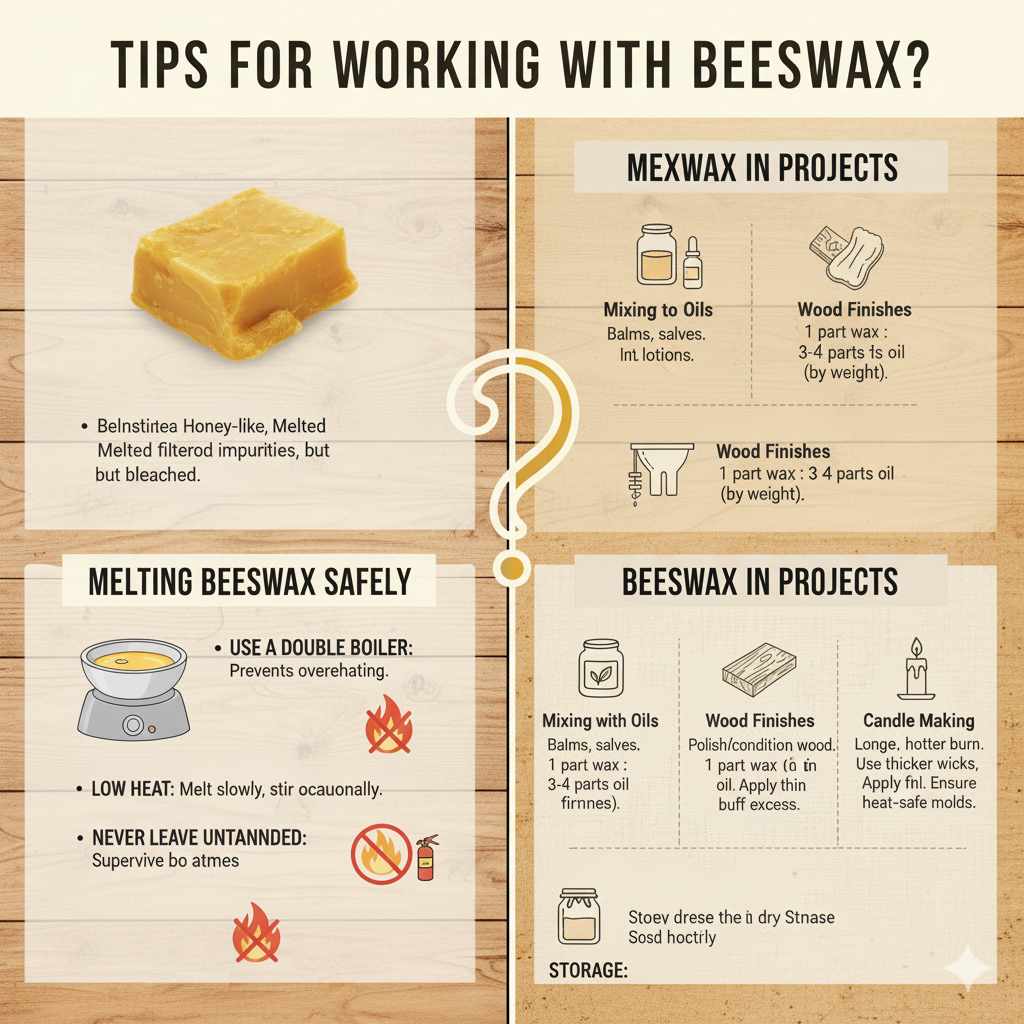
Melting Beeswax Safely
Beeswax is flammable, so safety is key. Never melt beeswax directly over an open flame.
- Use a Double Boiler: This is the safest and most recommended method. Place your beeswax in the top pot of a double boiler (or a heatproof bowl set over a saucepan of simmering water). The water in the bottom pot prevents the beeswax from overheating.
- Low Heat: Melt the beeswax slowly over low heat. Stir occasionally.
- Never Leave Unattended: Always supervise melting beeswax. Have a lid or fire extinguisher nearby, just in case.
Working with Beeswax in Projects
- Mixing with Oils: Beeswax is often mixed with carrier oils (like coconut oil, almond oil, or olive oil) for balms, salves, and lotions. A common starting ratio for balms is 1 part beeswax to 3-4 parts oil by weight, but you can adjust this to achieve your desired firmness.
- Wood Finishes: For wood polish, melt beeswax with a liquid oil (like mineral oil, linseed oil, or tung oil) in a double boiler. Ratios vary, but a good starting point is about 1 part beeswax to 4 parts oil. Apply thinly with a cloth, let it penetrate, and buff off the excess.
- Candle Making: Beeswax candles burn hotter and longer than soy or paraffin candles. You’ll need a thicker wick than you might use for other waxes. Ensure your molds are heat-safe.
- Storage: Store beeswax in a cool, dry place away from direct sunlight. It has a long shelf life if stored properly.
For those interested in the science behind waxes and their applications, resources like the American Oil Chemists’ Society (AOCS) offer extensive information on fats, oils, and waxes, which can be invaluable for serious DIYers and formulators.
Frequently Asked Questions (FAQ)
Here are some common questions beginners have about white and yellow beeswax:
Q1: Can I use yellow beeswax in lip balm?
Yes, you absolutely can! Yellow beeswax will give your lip balm a natural golden color and a subtle honey scent. If you prefer a neutral color and scent, or if you want to add your own specific flavors, white beeswax is a better choice.
Q2: Does the color of beeswax affect its quality?
Not necessarily. Both white and yellow beeswax are high-quality natural products. The difference in color is due to processing, not a difference in inherent quality. The “best” quality depends on what you need for your specific project.
Q3: Is white beeswax more expensive than yellow beeswax?
Generally, yes. White beeswax often costs a bit more because it requires additional processing steps (deodorizing and bleaching) beyond the basic filtering that yellow beeswax undergoes.
Q4: Can I make white beeswax from yellow beeswax at home?
While it’s possible to attempt to lighten yellow beeswax at home using sunlight and natural bleaching agents, it can be a difficult and time-consuming process to achieve a truly neutral, odorless white wax. For consistent results, especially for cosmetic use, it’s usually easier to purchase pre-processed white beeswax.
Q5: Will beeswax finishes make my wood sticky?
No, when applied correctly, beeswax finishes should not be sticky. After application, you typically buff off any excess wax. The resulting finish is smooth, protective, and has a pleasant feel. If your finish feels sticky, you likely applied too much or didn’t buff it off sufficiently.
Q6: Is beeswax safe for sensitive skin?
Beeswax is generally considered safe and beneficial for most skin types, including sensitive skin. It’s a natural humectant and emollient. However, as with any natural ingredient, there’s a small chance of allergic reaction. If you have known allergies to bee products or are extremely sensitive, it’s always wise to do a patch test first.
Q7: How do I store beeswax to keep it fresh?
Store beeswax in a cool, dry place away from direct sunlight and heat. Beeswax is quite stable and has a long shelf life. Keeping it in an airtight container can help preserve its quality and prevent it from picking up unwanted odors.
Conclusion: Your Beeswax Choice, Your Creative Freedom
So there you have it! The world of beeswax, demystified. Whether you’re drawn to the warm, natural charm of yellow beeswax or the clean, neutral elegance of white beeswax, you now have the knowledge to make an informed choice for your next project. Remember, yellow beeswax offers that classic golden hue and delightful honey scent, perfect for enhancing wood or adding a rustic touch to candles and soaps. White beeswax, on the other hand, provides a blank canvas, ideal for projects where color and scent neutrality are paramount, such as clear balms, unscented lotions, or light-colored crafts.
Both types are incredibly versatile and a fantastic way to incorporate natural, sustainable materials into your home projects. Don’t be afraid to experiment! The beauty of DIY is in exploring and finding what works best for you and your vision. With this guide, you’re well-equipped to select the right beeswax and confidently create beautiful, functional, and natural items. Happy crafting, and enjoy the wonderful properties that beeswax brings to your creations!