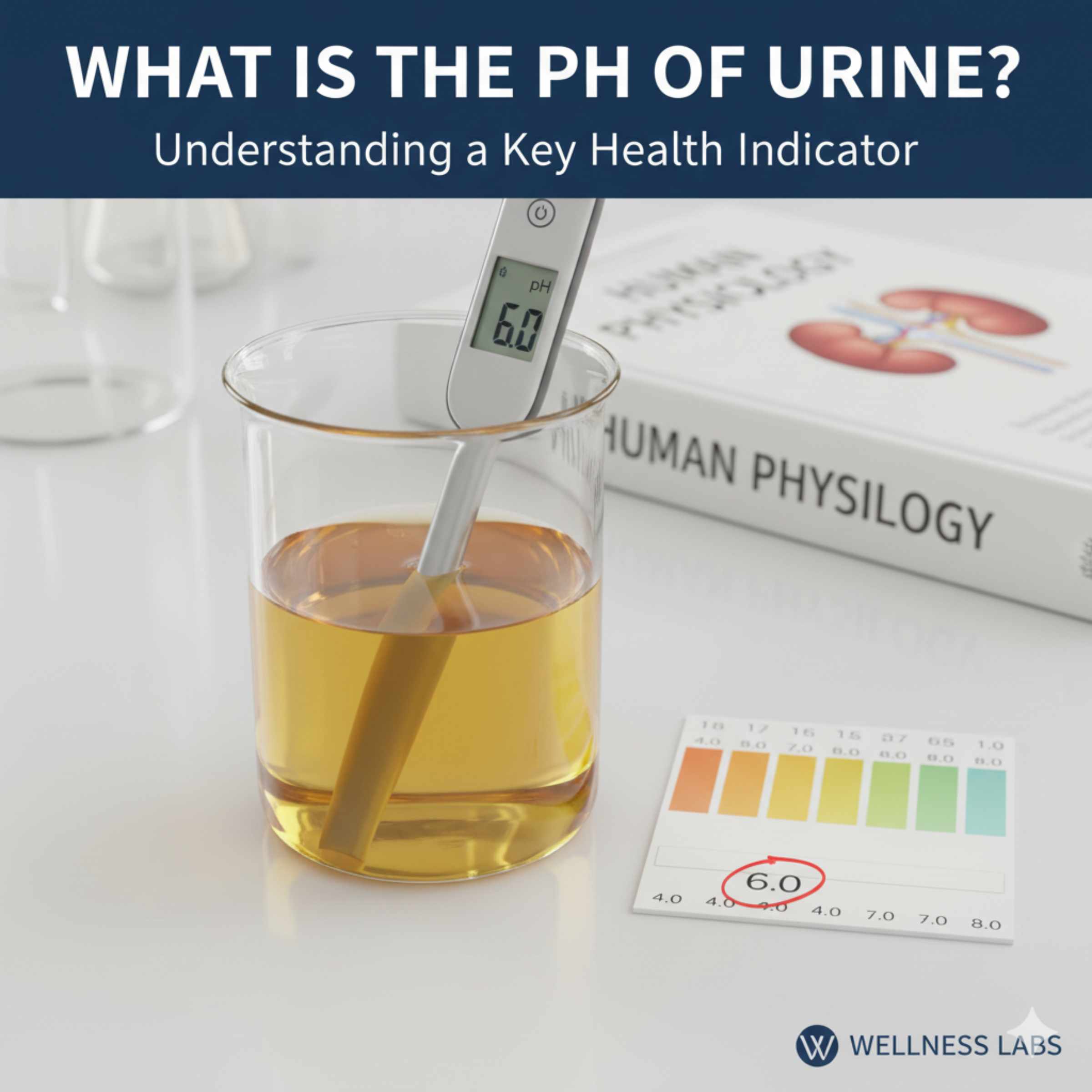
What Is The PH Of Urine: Essential Guide
The pH of urine is a measure of how acidic or alkaline it is, typically ranging from 4.5 to 8.0. This range is influenced by diet, hydration, and overall health, and understanding it can offer insights into your body’s well-being.
Ever wonder about what’s going on inside your body? Sometimes, the simplest things can tell us a lot. Urine, for instance, might not seem like a topic for conversation, but its properties can actually be a handy indicator of your health. If you’ve ever seen a urine test strip or heard doctors talk about it, you might have come across the term “pH.” Don’t let it sound too technical; it’s just a way to measure if something is acidic or alkaline. For most of us, it’s a mystery. But understanding the pH of your urine is actually quite straightforward and can give you a peek into what your body needs. We’re here to break it down, step-by-step, so you can feel confident knowing what it means for you.
What Is Urine pH Explained?
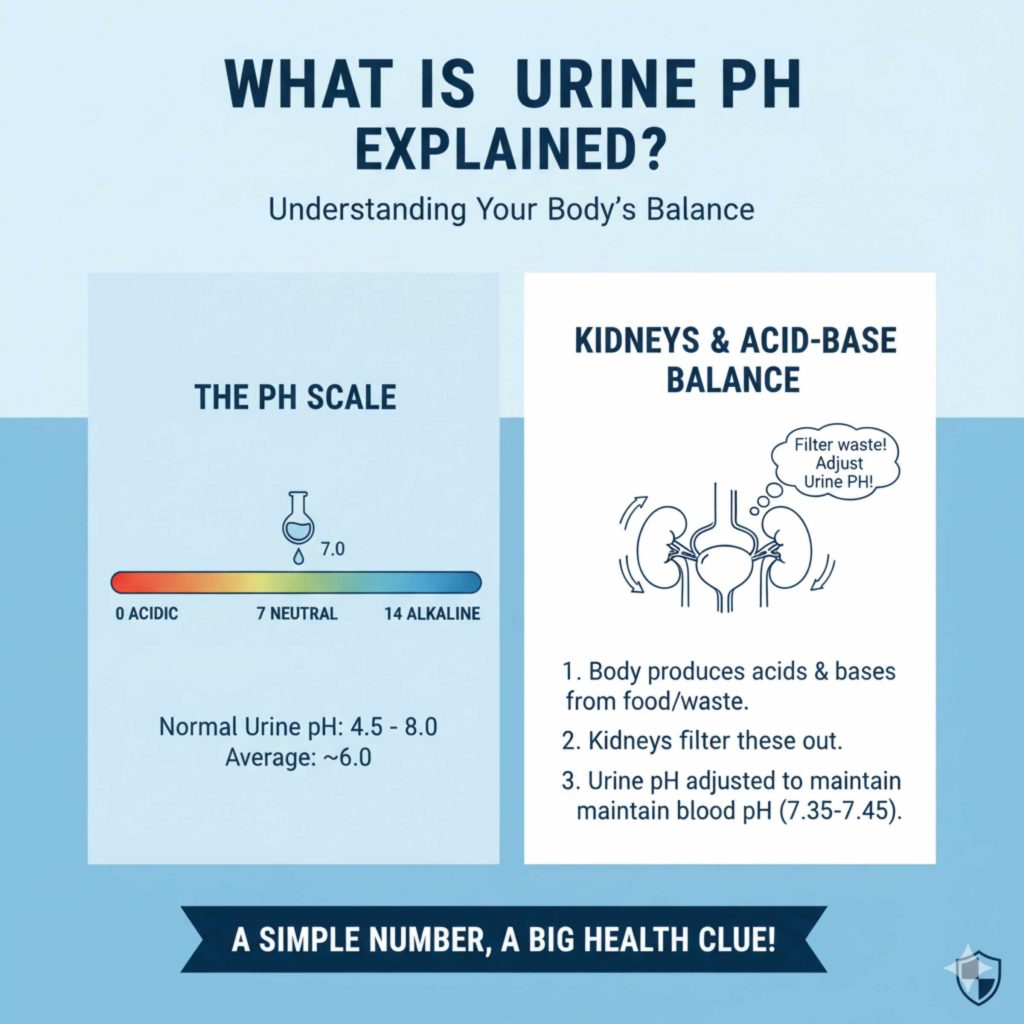
Think of pH like a scale, running from very acidic to very alkaline. The pH of urine tells us where your pee falls on that scale. It’s a simple number that can offer clues about your body’s balance.
The pH scale goes from 0 to 14. A pH of 7 is neutral, like pure water. Numbers below 7 are acidic, and numbers above 7 are alkaline (or basic). Your body works hard to keep everything balanced, and your urine pH is one way it does this. When you eat, digest food, and your body processes waste, it produces acids and bases. Your kidneys play a big role in filtering these out and adjusting the pH of your urine to help maintain your blood’s pH, which is super important for staying healthy.
What’s a Normal Urine pH Range?
For most healthy adults, the normal pH range for urine is quite broad. It usually falls somewhere between 4.5 and 8.0. This wide range is perfectly normal because so many things can affect it from one day to the next.
Here’s a simple way to think about it:
- Acidic Urine: A pH below 7.0 means your urine is more acidic.
- Neutral Urine: A pH of 7.0 is neutral.
- Alkaline Urine: A pH above 7.0 means your urine is more alkaline (or basic).
It’s common for your urine pH to fluctuate throughout the day. For example, after a meal, your urine might be more acidic. Later, it might become more alkaline. What you eat and drink are the biggest influencers of these daily changes.
Factors That Influence Urine pH
It’s fascinating how many everyday things can shift your urine’s pH. It’s not just one thing; it’s a combination of what goes into your body and how your body is functioning. Let’s look at the main players:
Diet
This is one of the most significant factors. What you eat directly impacts the acidity or alkalinity of your urine.
- Acid-Producing Foods: Foods high in protein (like meat, poultry, and fish) tend to make urine more acidic. Grains and certain fruits (like cranberries) can also contribute to acidity.
- Alkaline-Producing Foods: Fruits (other than cranberries), vegetables, and dairy products generally make urine more alkaline.
For instance, if you have a big steak dinner, your urine might be more acidic afterward. If you follow it with a big salad and some yogurt, it might become more alkaline.
Hydration Levels
How much water you drink is also key. When you’re well-hydrated, your urine is typically more diluted, which can lead to a pH closer to neutral. If you’re dehydrated, your urine becomes more concentrated, and its pH can become more extreme (either more acidic or more alkaline).
Medications
Certain medications can affect urine pH. Some drugs are designed to make urine more acidic or alkaline to help the body absorb them better or to prevent certain kidney stones. Always check with your doctor or pharmacist if you’re unsure about how a medication might affect your body’s chemistry.
Urinary Tract Infections (UTIs)
UTIs are a common cause of changes in urine pH. Bacteria that cause UTIs often thrive in more alkaline environments. So, if you have a UTI, your urine pH might be higher than usual (more alkaline).
Kidney Function
Your kidneys are the primary regulators of your body’s pH balance. If your kidneys aren’t functioning properly, they may not be able to excrete acids or bases effectively, which can lead to abnormal urine pH levels. This is why urine pH can sometimes be an indicator of kidney health.
Metabolic Conditions
Certain health conditions can also influence urine pH. For example, conditions like diabetes or certain metabolic disorders can affect the body’s ability to manage acids and bases, leading to altered urine pH.
Time of Day
As mentioned, your urine pH can change throughout the day. It’s often more acidic after meals and can become more alkaline at other times.
How to Test Urine pH at Home
Testing your urine pH at home is surprisingly simple and can be a helpful way to keep an eye on your body’s balance. You don’t need fancy equipment, just a set of pH test strips, which are readily available at most pharmacies or online. These strips are similar to what doctors use, and they give you a quick reading.
What You Need:
- Urine pH test strips (make sure they are designed for urine testing).
- A clean container to collect a urine sample.
- A clock or timer.
- A place to record your results.
Step-by-Step Guide:
- Prepare: Read the instructions on your pH test strip package carefully. They might have specific recommendations, like testing first thing in the morning.
- Collect Your Sample: Use a clean container to collect a midstream urine sample. This means you should start urinating into the toilet, then collect the sample in the middle of your stream, and finish urinating into the toilet. This helps avoid contamination from the skin.
- Test the Strip: Dip the pH test strip into the urine sample for the time specified in the instructions (usually just a few seconds). Be careful not to over-soak the strip, as this can affect the reading.
- Read the Results: Remove the strip and compare the color pads on the strip to the color chart provided on the test strip packaging. Match the colors as closely as possible to determine the pH level.
- Record Your Findings: Write down the pH reading, the date, and the time of day. If you’re testing over several days, note what you ate or any other relevant factors.
It’s a good idea to test your urine pH at different times of the day and over several days to get a more complete picture. This will help you see the natural variations and identify any patterns.
Understanding Your Results
Once you have your pH reading, what does it actually mean? Remember that the normal range is quite wide (4.5 to 8.0), and fluctuations are normal. However, consistently seeing results outside this range might be something to discuss with a healthcare professional.
Consistently Acidic Urine (pH below 4.5)
If your urine pH is consistently below 4.5, it could indicate:
- A diet very high in animal protein.
- Dehydration.
- Uncontrolled diabetes (ketoacidosis).
- Diarrhea.
- Starvation or fasting.
- Certain medications.
Consistently Alkaline Urine (pH above 8.0)
If your urine pH is consistently above 8.0, it might suggest:
- A diet very high in fruits and vegetables.
- Urinary tract infections (UTIs).
- Kidney problems.
- Vomiting.
- Certain medications.
When to See a Doctor
Occasional readings outside the normal range are usually not a cause for concern. However, if you notice consistently abnormal pH levels (either very low or very high) or if you have other symptoms like pain during urination, frequent urination, or cloudy urine, it’s wise to consult your doctor. They can perform more detailed tests to determine the cause and recommend appropriate action.
Urine pH and Kidney Stones
One of the most significant health implications of urine pH relates to kidney stones. The type of kidney stone that forms can be influenced by the pH of your urine. Maintaining a balanced urine pH can sometimes help prevent certain types of stones from developing.
Here’s a quick look at how pH affects different stone types:
| Type of Kidney Stone | Urine pH Association | Explanation |
|---|---|---|
| Uric Acid Stones | More common in acidic urine (pH < 5.5) | Uric acid is less soluble and more likely to crystallize in acidic conditions. |
| Calcium Phosphate Stones | More common in alkaline urine (pH > 7.0) | These stones tend to form when urine is more alkaline. |
| Struvite Stones | Form in alkaline urine (pH > 7.0) | Often associated with urinary tract infections caused by bacteria that produce ammonia, leading to alkaline urine. |
| Cystine Stones | Can form in acidic urine (pH < 5.5) | A genetic disorder causes excess cystine to be excreted, which is less soluble in acidic urine. |
For individuals prone to kidney stones, doctors often recommend dietary changes and sometimes medication to help keep their urine pH within a specific range. For example, if you tend to form uric acid stones, increasing your urine pH (making it more alkaline) might be recommended. Conversely, for calcium phosphate stones, keeping urine slightly more acidic could be advised. It’s always best to get personalized advice from a healthcare provider regarding kidney stone prevention.
For more information on kidney stones and their management, the National Institute of Diabetes and Digestive and Kidney Diseases (NIDDK), part of the National Institutes of Health (NIH), offers excellent resources. You can find detailed guides on kidney stones and related health topics on their website, which is a trusted source for medical information: NIDDK Kidney Stones Information.
Urine pH and Urinary Tract Infections (UTIs)
Urinary tract infections (UTIs) are a common and often uncomfortable condition. The pH of your urine can play a role in whether or not UTIs develop and how they are treated. Generally, bacteria that cause UTIs tend to multiply more easily in alkaline urine.
How pH Affects UTIs:
- Alkaline Urine: As mentioned, many common UTI-causing bacteria, like E. coli, thrive in an alkaline environment. When urine pH is higher than normal (above 7.0), it can create a more favorable condition for these bacteria to grow and cause infection.
- Acidic Urine: A more acidic urine environment (pH below 6.0) can sometimes help inhibit the growth of certain bacteria. This is why sometimes cranberry products, which can have a mild acidifying effect, are suggested for UTI prevention (though their effectiveness is debated and varies by individual).
What This Means for You:
- Symptom Indicator: If you have symptoms of a UTI, a high urine pH reading might support the diagnosis.
- Treatment Considerations: While antibiotics are the primary treatment for UTIs, understanding urine pH can sometimes inform treatment strategies or preventive measures.
- Prevention: Staying well-hydrated is crucial for flushing out bacteria, and maintaining a balanced diet can help keep your urine pH in a healthy range, potentially making it less hospitable for bacteria.
If you suspect you have a UTI, it’s important to see a doctor for proper diagnosis and treatment. They can confirm the infection and prescribe the right antibiotics. Home testing of urine pH can be a useful supplementary tool for awareness but should not replace professional medical advice.
Optimizing Urine pH Through Lifestyle
While your body does a great job of regulating pH, you can support its efforts through your lifestyle choices. Making conscious decisions about your diet and hydration can help keep your urine pH within a healthy range and contribute to overall well-being.
Dietary Adjustments
This is your most powerful tool. Aim for a balanced diet rich in fruits, vegetables, and whole grains. Limit excessive intake of red meat and processed foods, which tend to increase acidity.
- Increase Alkaline Foods: Incorporate more leafy greens, cucumbers, bell peppers, avocados, and fruits like melons and bananas.
- Moderate Acidic Foods: While not necessary to eliminate entirely, be mindful of large portions of meat, cheese, and grains if your urine is consistently very acidic.
- Hydration is Key: Drinking plenty of water is essential. It helps dilute your urine and aids your kidneys in flushing out waste products, contributing to a more balanced pH. Aim for at least 8 glasses of water a day, or more if you are active or in a hot climate.
Hydration Strategies
Water is the best choice. If you find plain water boring, try adding slices of lemon, lime, or cucumber for flavor. Herbal teas can also contribute to your fluid intake. Avoid sugary drinks and excessive caffeine, which can sometimes affect your body’s balance.
Mindful Eating
Pay attention to how different foods make you feel. If you notice that certain meals consistently lead to discomfort or other issues, it might be worth adjusting your diet. Combining foods from different groups can also help balance the overall effect on your urine pH.

Frequently Asked Questions About Urine pH
Is acidic urine bad?
Not necessarily. A slightly acidic urine pH (between 4.5 and 6.0) is normal and can even be beneficial by helping to prevent certain types of kidney stones. However, consistently very acidic urine (below 4.5) or urine that is acidic when it should be alkaline for other reasons could indicate an underlying issue.
Is alkaline urine bad?
Similar to acidic urine, alkaline urine (above 7.0) is not inherently bad and falls within the normal range. However, persistently very alkaline urine (above 8.0) can sometimes be associated with urinary tract infections or other health concerns. It can also increase the risk of forming certain types of kidney stones.
Can urine pH change instantly?
Urine pH can change relatively quickly, often within hours, primarily due to dietary intake. For example, eating a large protein-rich meal can make your urine more acidic shortly after digestion. Similarly, consuming a lot of vegetables can lead to more alkaline urine.
How often should I test my urine pH?
For general awareness, testing once or twice a week at different times of the day can give you a good overview of your body’s fluctuations. If you have specific health concerns like kidney stones or UTIs, your doctor might recommend more frequent testing and guide you on how to interpret the results.
Can stress affect urine pH?
While diet and hydration are the primary drivers, significant stress can indirectly influence bodily functions, including those regulated by hormones. However, the direct impact of everyday stress on urine pH is generally considered less significant than diet. Severe or chronic stress might have broader physiological effects that could eventually be reflected in urine composition.
What is the ideal urine pH for everyone?
There isn’t a single “ideal” urine pH that applies to everyone all the time. The normal range of 4.5 to 8.0 reflects the body’s natural variability and its ability to adapt. The focus should be on maintaining a pH within this range and addressing consistently abnormal readings. For specific conditions like kidney stone prevention, a healthcare provider might recommend targeting a particular pH level.
Conclusion
Understanding the pH of your urine is a simple yet insightful way to gain a little more awareness about your body’s internal workings. We’ve learned that urine pH is a measure of its acidity or alkalinity, typically falling between 4.5 and 8.0, and that this number can shift based on what you eat, how much you drink, and your overall health. Factors like diet, hydration, medications, and even infections can play a role, and knowing this helps demystify those readings.
By keeping an eye on your urine pH, especially if you’re prone to issues like kidney stones or UTIs, you can make informed lifestyle choices. Simple adjustments to your diet, focusing on a balance of fruits, vegetables, and proteins, along with staying well-hydrated, can go a long way in supporting your body’s natural pH balance. Remember, occasional fluctuations are normal, but if you consistently see readings outside the expected range, or if you experience any concerning symptoms, don’t hesitate to reach out to your doctor. They are your best resource for personalized health advice and can help interpret your results in the context of your unique health profile. Keep exploring, stay curious, and take proactive steps towards understanding your health!