What Not to Use on Hardwood Floors
Cleaning your beautiful hardwood floors can seem tricky. You want them to shine, but you might worry about using the wrong thing and causing damage. It’s a common question for anyone with these lovely floors, especially if they are new to caring for them.
Don’t worry; keeping them looking great is simpler than you think. We’ll walk through exactly what to avoid, step by step, so you can clean with confidence.
Common Mistakes What Not to Use on Hardwood Floors
Many people wonder about the best ways to clean hardwood floors without causing harm. It’s easy to grab any cleaner under the sink, but certain products can be quite damaging to wood. These mistakes are often made out of good intentions, wanting to get the floors really clean or shiny.
Understanding these pitfalls is the first step to proper care. We will explore the most frequent errors people make and why they should be avoided.
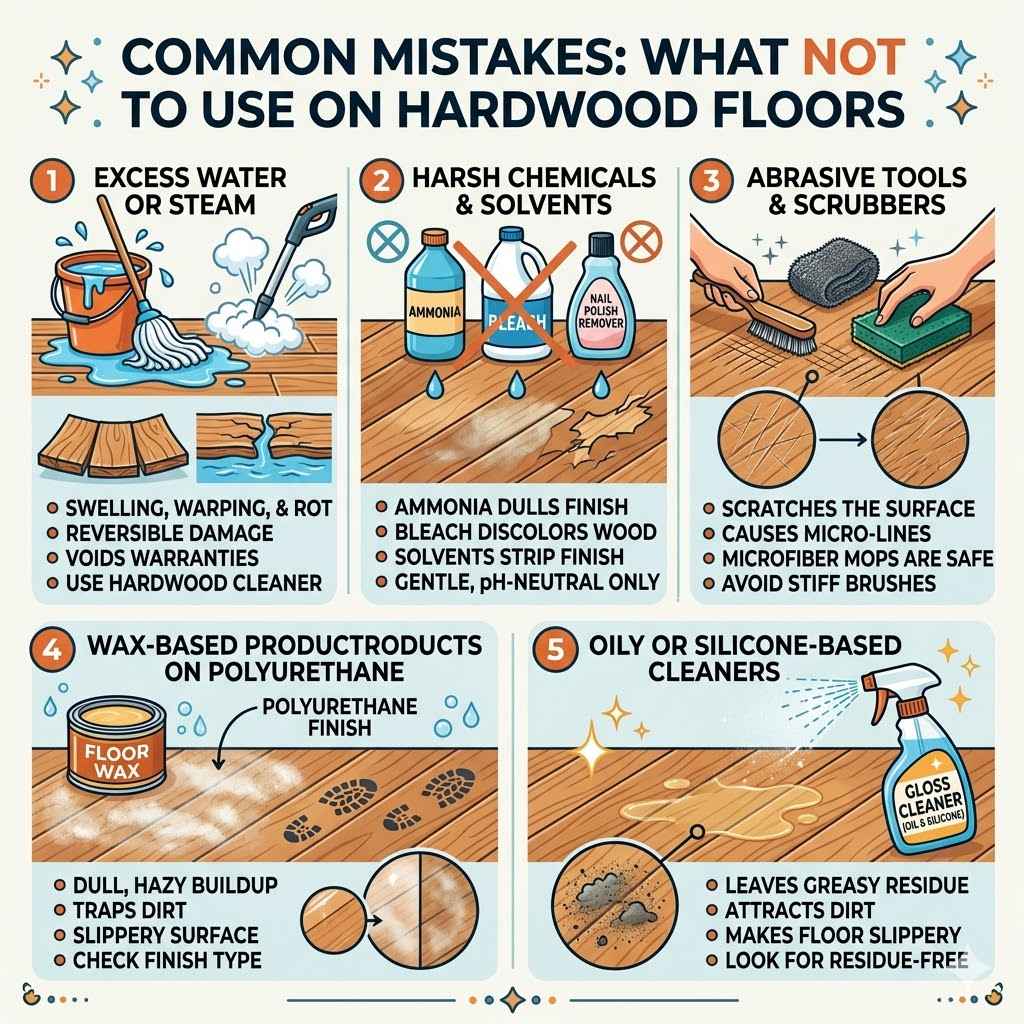
Excess Water or Steam
Water is the arch-nemesis of hardwood floors. While a damp cloth is sometimes okay for a quick spill, soaking your floors is a big no-no. Too much moisture can seep into the wood, causing it to swell, warp, and even rot over time.
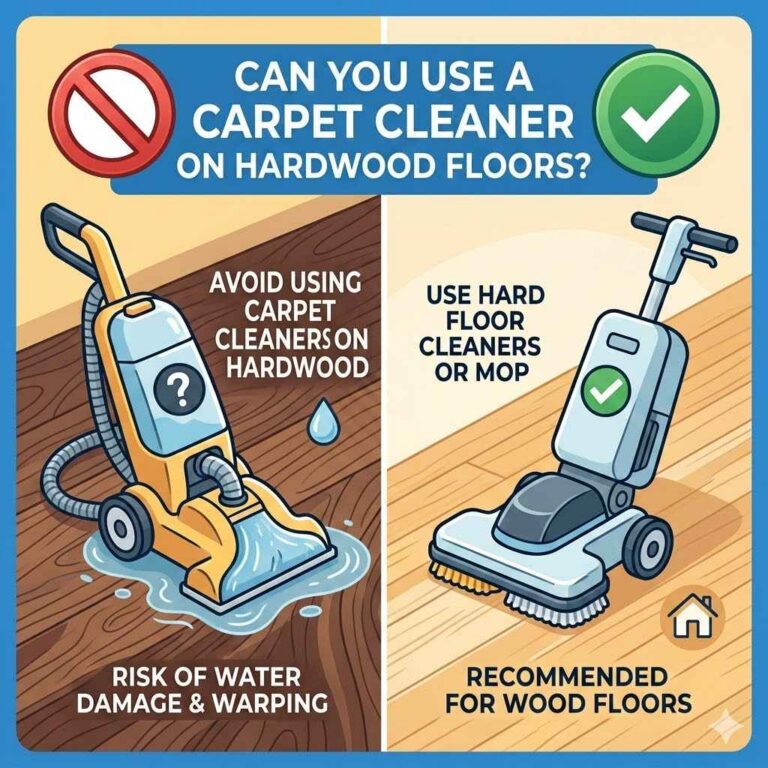
This type of damage is often irreversible and very costly to fix. Steam cleaners are particularly problematic because they force hot moisture deep into the wood grain. This can lift the finish, create cloudy spots, and lead to structural issues.
Think of your hardwood floors like a sponge. If you drench a sponge, it absorbs a lot and takes a long time to dry. If you do this repeatedly, the sponge can start to break down.
Hardwood floors react similarly. The natural wood fibers expand when they absorb too much water. This expansion and contraction can weaken the wood and the protective finish.
Steam cleaners work by heating water into a vapor. This vapor is then blasted onto surfaces. While effective for sanitizing some materials, the intense heat and moisture are too much for hardwood.
Manufacturers of hardwood floors often explicitly warn against using steam mops. This is because the warranty on your beautiful floors might be voided if steam cleaner damage occurs. Always check your flooring’s warranty information.
A good rule of thumb is to always use a cleaner that is specifically designed for hardwood floors. These cleaners are formulated to be pH-neutral and contain minimal moisture. They dry quickly and leave behind no sticky residue.
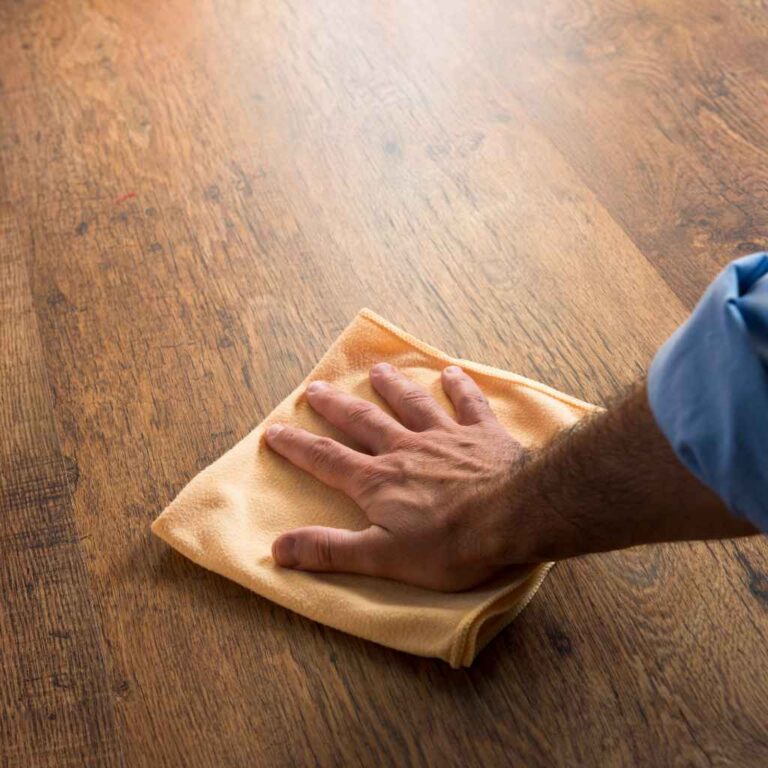
If you spill something, address it immediately with a dry or slightly damp cloth. Never let liquids sit on the floor.
Harsh Chemicals and Solvents
Many common household cleaners contain harsh chemicals that can strip the finish off your hardwood floors. Things like ammonia, bleach, and abrasive cleaners are particularly damaging. Ammonia can dull the finish, making your floors look lifeless.
Bleach can discolor the wood, leaving permanent stains. Abrasive cleaners, like those with gritty particles, can scratch the surface. These scratches may be shallow at first but will accumulate over time, making the floor look worn out and dull.
Solvents, such as nail polish remover (acetone) or paint thinner, are also highly corrosive to wood finishes. If you accidentally spill something like nail polish or paint, you need to clean it up very carefully. Using a solvent directly on the spot might seem like a quick fix, but it can eat away at the protective layer.
This exposes the wood underneath to more damage.
The finish on your hardwood floors acts as a protective shield. It keeps the wood from getting scratched, stained, and damaged by moisture. When you use harsh chemicals, you are essentially removing this shield.
This leaves the wood vulnerable. It’s like taking off your raincoat in a storm; you’re unprotected.
Instead of these harsh options, opt for cleaners specifically formulated for hardwood. These are gentle yet effective. Many brands offer pH-balanced cleaners that won’t harm the finish.
You can also find natural cleaning solutions that are safe. For example, a very diluted solution of white vinegar and water can be used sparingly, but even this needs caution. Always test any cleaner in an inconspicuous area first.
Abrasive Tools and Scrubbers
Scrubbing your floors with stiff brushes, steel wool, or abrasive pads can cause scratches. Even if the floor looks clean after scrubbing, you might be causing micro-scratches. These tiny lines build up and make the floor look dull and worn over time.
Imagine trying to polish a car with sandpaper; you wouldn’t do it! Your hardwood floors deserve the same gentle treatment.
This applies to both manual cleaning and machine cleaning. If you are using a mop, ensure it’s made of a soft material like microfiber. Avoid mops with rough textures or those that are designed for tough scrubbing.
If you are using a floor cleaning machine, ensure it has soft pads suitable for hardwood. Always check the manufacturer’s recommendations for any cleaning equipment you plan to use.
Microfiber mops are highly recommended for hardwood floors. They are soft, absorbent, and effective at picking up dirt and dust without scratching. The fine fibers trap dirt particles, lifting them from the surface rather than just pushing them around.
This gentle action preserves the finish and keeps your floors looking their best.
When dealing with tough spots or dried-on dirt, resist the urge to scrape or scrub aggressively. Instead, try applying a hardwood floor cleaner directly to the spot and letting it sit for a few minutes. This will help to break down the grime.
Then, gently wipe the area with a soft cloth. Patience is key to avoiding damage.
Wax-Based Products on Polyurethane Finishes
Many modern hardwood floors have a polyurethane finish, which is durable and easy to maintain. However, using wax-based polishes or cleaners on these floors can cause problems. Wax can build up over time, creating a dull, hazy layer that is difficult to remove.
It can also make the floor slippery and attract more dirt. If your floors have a polyurethane finish, stick to water-based or specially designed hardwood cleaners.
Wax is designed to build up and provide a protective layer. On a polyurethane finish, which is already a strong protective layer, wax acts like an unwanted guest. It doesn’t bond well with polyurethane.
Instead, it sits on top, creating a greasy film. This film not only looks bad but can also trap dirt and grime, making your floors harder to clean in the long run.
Older floors might have a different finish, like a penetrating oil finish, where wax can be beneficial. It’s crucial to know what type of finish your floors have. Most new floors use polyurethane or aluminum oxide finishes, which are essentially plastic-based.
For these, wax is a definite no. If you’re unsure, consult with a flooring professional or check the manufacturer’s specifications.
If you discover that wax has been applied to your polyurethane floors, the best course of action is to use a specialized wax remover designed for hardwood floors. This will help strip away the buildup without damaging the underlying finish. After stripping the wax, you can then use a suitable hardwood floor cleaner to restore its shine.
Oily or Silicone-Based Cleaners
Similar to wax, oily or silicone-based cleaners can leave a residue on your hardwood floors. This residue can attract dirt, make the floors look greasy, and dull the shine. Some of these products claim to add shine, but they often do so by leaving a film.
This film can also make the floor slippery and potentially dangerous.
These cleaners work by leaving a thin layer of oil or silicone on the surface. While this might give a temporary shine, it doesn’t clean the floor. Instead, it coats the dirt and grime.
Over time, this layer builds up, and the floor becomes harder to clean effectively. You might find yourself needing to strip the floor more often.
Silicone can be especially tricky. Once it bonds with the finish, it can be very difficult to remove completely. This can affect future refinishing or repairs.
It’s always best to choose cleaners that evaporate cleanly and don’t leave any lingering residue. Look for terms like “residue-free” or “streak-free” on the product labels.
For a natural shine, a good quality hardwood floor cleaner will do the trick. Often, the best way to keep hardwood floors looking good is simply to clean them regularly with a product that doesn’t leave anything behind. A clean floor naturally looks shiny.
If you want to add extra shine, consider a hardwood floor polish that is specifically designed for your floor’s finish and is not oil or silicone-based.
Why These Things Are Bad for Hardwood Floors
The core reason these items are bad for hardwood floors is that they interfere with or damage the floor’s protective finish. This finish is what keeps the wood beautiful and durable. When the finish is compromised, the wood itself is exposed to all sorts of dangers, from scratches and stains to moisture damage.
Understanding how the finish works helps clarify why avoiding certain cleaners is so important.
Damage to the Protective Finish
The finish on hardwood floors acts as a barrier between the wood and the outside world. This barrier protects against everyday wear and tear, spills, and scuffs. When you use inappropriate cleaners or tools, you erode this barrier.
Harsh chemicals can strip away the finish, leaving the wood exposed. Abrasive tools can scratch and dull it, reducing its protective qualities. Excessive water can cause the wood to swell, which can also lift and crack the finish.
Think of the finish like the paint on your car. You wouldn’t use steel wool to wash your car, nor would you use harsh degreasers. You use car-specific washes and soft sponges to protect the paint.
Hardwood floor finishes are similar. They need specialized care to maintain their integrity. Once the finish is gone, the wood is susceptible to all sorts of damage that might require costly refinishing or replacement.
The durability of your hardwood floors directly depends on the integrity of their finish. Different types of finishes, like polyurethane, penetrating oils, or wax finishes, have varying levels of durability and require different care. Polyurethane is very tough and resistant to most household spills and scratches.
Oil finishes are more natural-looking but require more frequent waxing and maintenance. Knowing your floor’s finish is key to proper cleaning.
Many modern finishes, like aluminum oxide, are incredibly strong. However, even these can be compromised by the wrong products or techniques. For instance, while aluminum oxide is very scratch-resistant, harsh chemicals can still degrade the binders that hold it to the wood, leading to delamination.
Always err on the side of caution and use gentle, wood-specific products.
Moisture Issues
Hardwood is a natural material made of wood. Wood is porous and absorbs moisture. When hardwood floors get too wet, the wood fibers swell.
This swelling can cause the planks to buckle, warp, or cup. Cupping is when the edges of the plank rise higher than the center. Crowning is the opposite, where the center rises higher than the edges.
Both are signs of moisture damage.
This is especially true for solid hardwood floors. Engineered hardwood floors, which have a plywood core with a thin layer of real wood on top, are generally more resistant to moisture. However, they are not waterproof.
Excessive water can still penetrate the top layer and damage the core, leading to separation or warping.
The danger isn’t just immediate swelling. Prolonged exposure to moisture can lead to mold and mildew growth. This can affect the air quality in your home and cause health problems.
Furthermore, water that seeps down into the subfloor can cause structural damage to your home. This is a much larger problem than just damaged flooring.
Example Case Study: The Waterlogged Living Room
A homeowner decided to use a steam mop on their new oak floors to get them extra clean. They went over the entire living room, enjoying the steam and supposed cleanliness. Within a week, they noticed the floor felt spongy in places.
The planks started to warp, and a cloudy haze appeared on the surface. This was due to the steam’s moisture penetrating the wood and damaging the polyurethane finish. The repair involved sanding down the entire floor and applying a new finish, a costly lesson learned.
Scratches and Scuffs
Scratches and scuffs are a common concern for hardwood floors. They can be caused by furniture legs, pet claws, grit tracked in from outside, or even by using the wrong cleaning tools. Abrasive cleaners and rough scrubbing pads are prime culprits for creating visible scratches.
Even seemingly harmless dirt can act like sandpaper if it’s rubbed too hard.
The finish on the floor can hide minor scratches, but deep gouges will go down to the wood. These deeper scratches are much harder to repair and can become entry points for dirt and moisture. Regular cleaning with soft materials helps prevent these issues.
Using rugs at entryways and felt pads under furniture legs are proactive measures.
Pet owners need to be particularly mindful. While many pets are gentle, their claws can easily scratch certain types of wood finishes. Keeping pets’ nails trimmed and cleaning up accidents immediately are vital.
Some homeowners opt for more durable finishes or harder wood species if they have pets.
Scenario: The Accidental Scuff
Imagine you are cleaning your floors and accidentally use a sponge with a rough side, or a cleaner with fine grit. You scrub a stubborn spot. The spot might come clean, but under a light, you might notice a faint swirl mark or a dull patch where you scrubbed.
This is the finish being abraded. Over time, doing this in many spots dulls the entire floor’s sheen.
Discoloration and Stains
Certain chemicals can react with the wood or the finish, causing discoloration. Ammonia-based cleaners, for example, can strip the natural oils and pigments from the wood, leading to a dull or faded appearance. Bleach is even more severe, as it can lighten the wood itself, creating permanent, unsightly patches.
Spills, especially acidic ones like red wine or certain fruit juices, can also cause stains. These stains can be difficult to remove, particularly if they have soaked into the wood. Prompt cleanup is essential.
If a stain does occur and penetrates the finish, it might require sanding and refinishing to correct.
Some cleaners also leave behind a residue that can yellow over time, especially when exposed to sunlight. This is another reason to choose products that are known to evaporate cleanly and not leave any film behind.
Statistics on Floor Damage
According to a survey by the National Wood Flooring Association, over 60% of reported hardwood floor damage is caused by improper cleaning methods or spills. The most common types of damage include water damage, scratches from abrasive cleaners, and dulling of the finish. This highlights the importance of using the right products and techniques.
Safe Alternatives for Cleaning Hardwood Floors
Now that we know what to avoid, let’s focus on what works! There are many safe and effective ways to keep your hardwood floors looking pristine. The key is to use gentle products and methods that preserve the finish and the wood itself.
We’ll explore some of the best options available.
pH-Neutral Hardwood Floor Cleaners
These cleaners are specifically formulated for hardwood floors. They have a neutral pH, meaning they are neither acidic nor alkaline. This ensures they won’t strip or damage the protective finish.
They are designed to lift dirt and grime without leaving residue or requiring excessive rinsing. Always look for cleaners labeled for “hardwood floors.”
Using a pH-neutral cleaner is like giving your floors a gentle bath. It cleans without stripping away their natural oils or protective layers. Many brands offer these types of cleaners, making them easily accessible.
How to Use Them Effectively
1. Sweep or vacuum your floors first to remove loose dirt and debris. 2.
Lightly mist the floor with the hardwood cleaner, or spray it onto your microfiber mop pad. Do not oversaturate the floor. 3.
Mop the floor in the direction of the wood grain. 4. Allow the floor to air dry completely.
Many of these cleaners are low-VOC (volatile organic compounds), making them better for indoor air quality. Some are even plant-based, offering a more eco-friendly cleaning solution.
Microfiber Mops
As mentioned before, microfiber mops are ideal. Their fine fibers trap dirt effectively without scratching. They are also highly absorbent, so you can control the amount of moisture on the floor.
Many microfiber mops come with washable pads, making them reusable and economical.
Benefits of Microfiber Mops
- Gentle on finishes
- Excellent at trapping dirt and dust
- Absorbent, controlling moisture
- Washable and reusable pads
- Can be used dry for dusting or damp for cleaning
Microfiber cloths and mops have gained popularity because they work. They clean more effectively with less water and fewer chemicals. The material itself is designed to grab and hold onto dirt particles.
Water and White Vinegar (Used Sparingly)
For a more natural approach, a solution of water and white vinegar can be effective for some hardwood floors. However, this must be used with extreme caution. The acidity of vinegar can still damage some finishes if used too frequently or in too high a concentration.
A common recommendation is a ratio of 1/4 cup of white vinegar to 1 gallon of water.
Always dilute the vinegar significantly. Use a well-wrung-out mop so that very little moisture is left on the floor. This method is best for occasional deep cleaning rather than daily use.
If you have a high-gloss polyurethane finish, you might want to avoid vinegar altogether.
Important Note
If you have an oiled or waxed finish, vinegar can strip the wax. Always test this solution in an inconspicuous area first. If you notice any dulling or damage, discontinue use immediately.
Many sources suggest vinegar because it’s a natural disinfectant and degreaser. However, for delicate hardwood finishes, the risk can outweigh the reward. It’s safer to stick with products explicitly made for hardwood.
Manufacturer Recommendations
The best advice often comes directly from the company that made your floors. Check the manufacturer’s website or any documentation that came with your flooring. They will specify what cleaners and tools are safe to use and, more importantly, what to avoid.
This is crucial for maintaining your warranty.
Manufacturers invest a lot in testing their products. They know the exact composition of their finishes and what will keep them in good condition. Following their guidelines is the most reliable way to ensure your floors stay beautiful for years to come.
Example of Manufacturer Guidance
Brand X Hardwood Flooring states on its website: “For routine cleaning, use a damp (not wet) microfiber mop with a pH-neutral hardwood floor cleaner. Avoid steam mops, abrasive cleaners, and excessive water. For spot cleaning, use a soft cloth with a mild cleaner designed for wood.
Refer to your installation guide for specific finish care instructions.”
Routine Maintenance for Long-Term Beauty
Keeping your hardwood floors looking great isn’t just about cleaning; it’s also about regular maintenance. Simple daily and weekly tasks can prevent the need for heavy cleaning and protect your floors from damage. Proactive care is always easier than reactive repair.
Daily Dusting and Sweeping
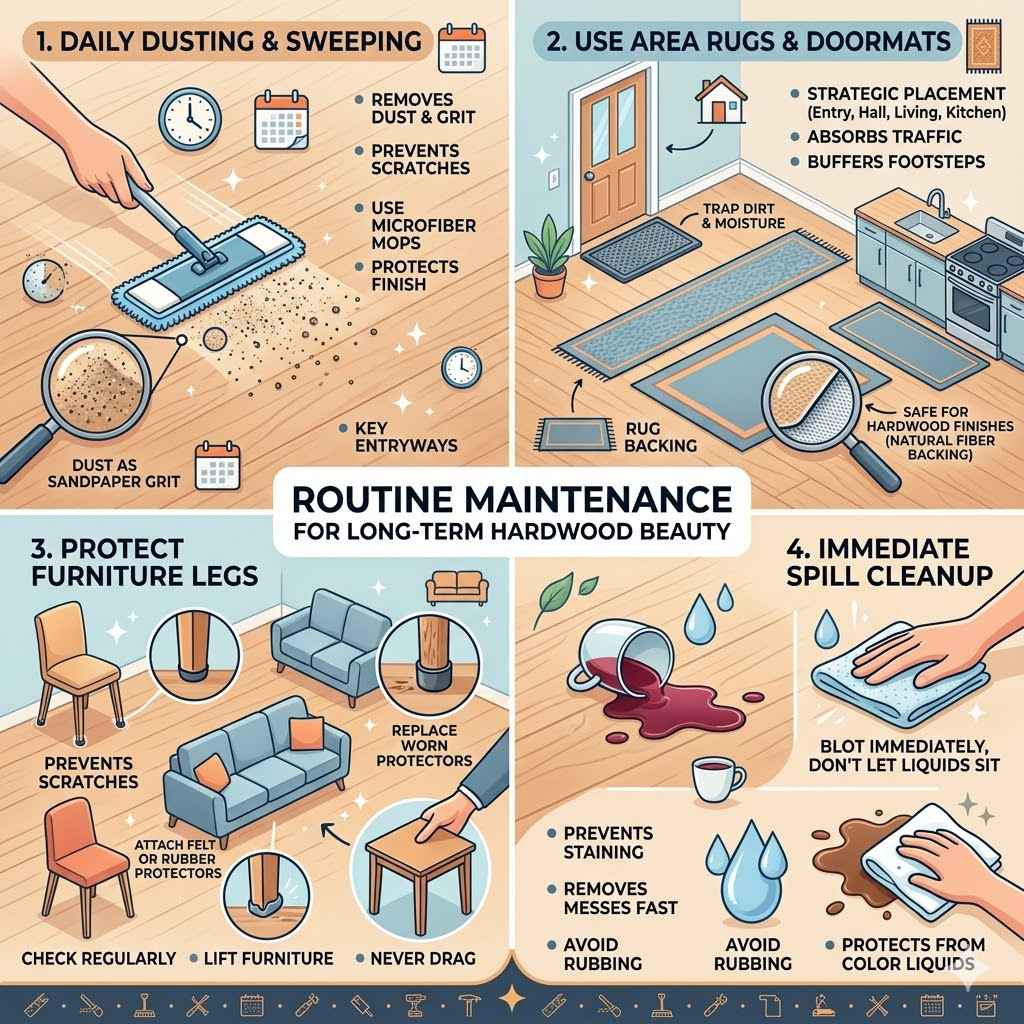
Dust and grit are like fine sandpaper on your floors. Daily sweeping or dry mopping with a microfiber mop removes these particles before they can scratch the finish. Pay attention to high-traffic areas where dirt tends to accumulate.
This simple step prevents so much wear and tear. Think of it as a protective shield for your floors. It takes only a few minutes each day but makes a significant difference over time.
Consider keeping a broom or dry mop handy near entryways. This way, you can quickly sweep up tracked-in dirt.
Using Area Rugs and Doormats
Place doormats both outside and inside entry doors to trap dirt and moisture before they reach your hardwood floors. Use area rugs in high-traffic zones like hallways, living rooms, and kitchens. These rugs act as a buffer, absorbing foot traffic and preventing scratches.
Ensure the backing of your rugs is safe for hardwood floors. Some rubber or latex backings can discolor or damage certain finishes. Look for rugs with natural fiber backings or those specifically labeled as “safe for hardwood floors.”
Rug Placement Strategy
- Entryways: Place durable mats outside and inside all doors.
- Hallways: Use runners to protect high-traffic paths.
- Living Areas: Put rugs under furniture like sofas and coffee tables.
- Kitchen: Use a washable mat in front of the sink and stove.
Protecting Furniture Legs
Furniture legs are a major source of scratches. Attach felt or rubber protectors to the bottom of all furniture legs. Check these protectors regularly and replace them when they become worn down or accumulate debris.
When moving furniture, always lift it rather than dragging it. This simple action can prevent significant damage.
Immediate Spill Cleanup
As soon as a spill occurs, blot it up immediately with a clean, absorbent cloth. Do not let liquids sit on the floor, even for a short period. This is especially important for colored liquids, which can stain the wood.
For sticky spills, a damp cloth followed by a dry cloth is usually sufficient. Avoid rubbing, which can spread the mess.
Frequently Asked Questions
Question: Can I use dish soap on my hardwood floors?
Answer: It is generally not recommended to use dish soap on hardwood floors. Dish soap is often too harsh and can strip the protective finish over time, leaving the wood dull and vulnerable. Specialized hardwood floor cleaners are a safer choice.
Question: Is it okay to use a damp mop on my hardwood floors?
Answer: Yes, a damp (not wet) mop can be used if it is specifically designed for hardwood floors and wrung out very well. Excessive water is harmful, but a minimally damp mop with a proper cleaner is usually safe.
Question: How often should I clean my hardwood floors?
Answer: For daily maintenance like sweeping, do it as needed, perhaps every day or every other day in high-traffic areas. For damp mopping, once a week or once every two weeks is usually sufficient, depending on use and the manufacturer’s recommendations.
Question: What if I have a spill that dries on my floor?
Answer: If a spill dries on your floor, do not try to scrape it off aggressively. Instead, apply a small amount of your recommended hardwood floor cleaner to a soft cloth and gently work at the dried spot until it loosens. Then wipe clean.
Question: Can I use a robot vacuum on my hardwood floors?
Answer: Many robot vacuums are safe for hardwood floors, especially those with soft brushes and suction-only modes. However, always check the robot vacuum’s specifications and your hardwood floor manufacturer’s recommendations to ensure compatibility and avoid scratches.
Summary
Protecting your hardwood floors means avoiding harsh chemicals, excess water, steam, and abrasive tools. Stick to pH-neutral cleaners and microfiber mops. Regular sweeping, doormats, furniture protectors, and prompt spill cleanup will keep them looking beautiful and lasting for years.