What Size Bracket for a 12-Inch Shelf: A Complete Guide for Automotive Storage
Hey there, friend! If you’re like me, your garage is a sacred space—a mix of tools, car parts, and maybe a few passion projects. But keeping it organized? That’s a challenge. One trick I’ve learned is using shelves to maximize space, especially for automotive gear. When I decided to install a 12-inch shelf for my oils, cleaners, and spare parts, I hit a snag: What size bracket do I need? It sounds simple, but picking the wrong bracket can lead to a wobbly shelf or worse, a crash.
After plenty of trial and error, I’ve mastered the art of choosing brackets for a 12-inch shelf. Let me share everything I’ve learned to help you build a sturdy, reliable shelf for your garage or workshop. This guide is packed with tips, personal stories, and practical advice for car enthusiasts like us. Let’s dive in and get your storage sorted!
Why Choosing the Right Bracket Matters
When I first started organizing my garage, I grabbed the cheapest brackets I could find. Big mistake. My 12-inch shelf, loaded with car wax and tools, sagged within weeks. I learned that brackets aren’t just hardware—they’re the backbone of your shelf. For a 12-inch shelf, the bracket size determines how much weight it can hold and how stable it stays. Too small, and your shelf might collapse under heavy automotive supplies. Too big, and you’re wasting space or money. Getting it right means a shelf that’s safe, functional, and perfect for storing everything from oil cans to battery chargers. Plus, a sturdy shelf gives you peace of mind, so you can focus on your car projects without worrying about a storage disaster.
Understanding 12-Inch Shelves
Before we talk brackets, let’s get clear on what a 12-inch shelf is. In my garage, a 12-inch shelf refers to the depth—the distance from the wall to the shelf’s edge. It’s a popular size because it’s deep enough to hold most automotive supplies but doesn’t stick out too far, saving precious floor space. I use mine for quart-sized oil containers, spray paints, and even small toolboxes. The length can vary—mine are 4 feet long—but the depth is what matters for brackets. These shelves can be made of wood, metal, or particleboard, and each material affects the bracket choice. For example, wood is heavy but strong, while particleboard needs extra support. Knowing your shelf’s material and purpose helps you pick the perfect bracket.
What to Consider When Choosing Brackets
Picking brackets isn’t just about size. I’ve learned there’s a lot to think about to make sure your shelf holds up. Here’s what I check every time:
- Weight Capacity: Automotive gear is heavy. Oil cans, tools, and parts can add up fast. I estimate the total weight and choose brackets rated for at least 50% more than that.
- Material: Brackets come in steel, aluminum, or plastic. Steel is my go-to for heavy loads, while aluminum works for lighter items. Plastic? I avoid it for garage shelves.
- Shelf Material: A wooden shelf needs stronger brackets than a metal one. I use thicker brackets for particleboard to prevent sagging.
- Wall Type: My garage has drywall over studs, so I anchor brackets into studs for max strength. Concrete walls need masonry anchors.
- Aesthetic: In a workshop, looks matter less, but I still like clean, powder-coated brackets that resist rust and match my garage vibe.
Thinking through these factors saves headaches later. I once used lightweight brackets on a particleboard shelf, and it bowed under the weight of my detailing supplies. Lesson learned!
Standard Bracket Sizes for a 12-Inch Shelf
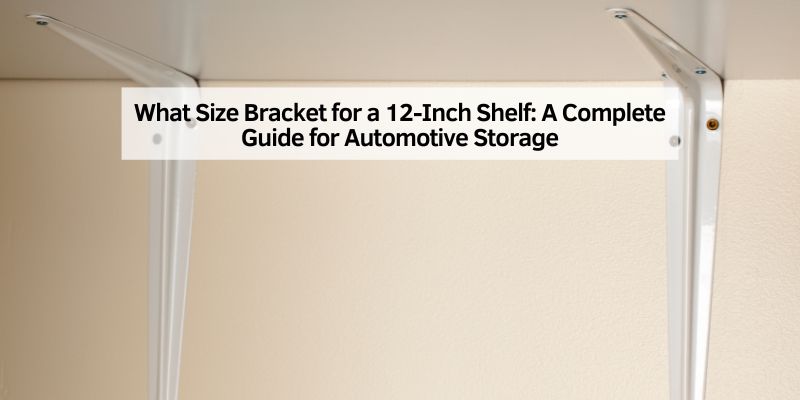
Now, let’s get to the main question: what size bracket do you need? For a 12-inch shelf, brackets are sized based on the shelf’s depth. The bracket’s vertical arm (against the wall) and horizontal arm (under the shelf) are key. Here’s what I’ve found works best:
- 10×12 Brackets: These are the standard for a 12-inch shelf. The 10-inch arm goes against the wall, and the 12-inch arm supports the shelf. They’re perfect for medium loads, like oils or cleaning supplies.
- 8×10 Brackets: For lighter loads, like spray cans or rags, these smaller brackets work. The 8-inch vertical arm and 10-inch horizontal arm save space but hold less weight.
- 12×14 Brackets: For heavy-duty needs, like toolboxes or batteries, I use these. The extra length provides more support but takes up more wall space.
I stick with 10×12 brackets for most of my 12-inch shelves. They’re versatile and handle about 100-150 pounds per pair, depending on the brand. Always check the bracket’s weight rating on the package to be sure.
How Many Brackets Do You Need?
The number of brackets depends on your shelf’s length and load. When I built my first 4-foot shelf, I used two brackets and thought I was good. Nope—it sagged in the middle under my car jack. Here’s my rule of thumb:
- 2-3 Feet Long: Two brackets, one near each end, work for light to medium loads.
- 4-6 Feet Long: Use three brackets—one at each end and one in the middle—for stability.
- 6-8 Feet Long: Four brackets, spaced evenly, handle heavier automotive gear.
I space brackets about 16-24 inches apart, aligning them with wall studs for maximum strength. For a 4-foot shelf, I now use three 10×12 brackets, and it’s rock-solid even with my heaviest tools.
Types of Brackets for 12-Inch Shelves
Brackets come in different styles, and I’ve tried a bunch in my garage. Each has its pros and cons for automotive storage. Here’s what I’ve learned:
- L-Brackets: These are the classic right-angle brackets. They’re affordable, strong, and easy to install. I use steel L-brackets for most of my shelves.
- Decorative Brackets: These have fancy designs but are still functional. I used black wrought-iron ones for a shelf in my home office, but they’re overkill for a garage.
- Floating Brackets: These hide inside the shelf for a sleek look. They’re tricky to install and weaker, so I skip them for heavy garage shelves.
- Adjustable Brackets: These work with track systems, letting you move shelves up or down. I use them for flexible storage, but check their weight rating carefully.
For my 12-inch garage shelves, L-brackets are my favorite. They’re simple, reliable, and come in sizes perfect for automotive loads. Steel ones with a rust-resistant coating are ideal for humid garages.
Installing Brackets for a 12-Inch Shelf
Installing brackets is straightforward, but I’ve messed it up before. Here’s how I do it now to ensure a sturdy shelf:
- Find Studs: Use a stud finder to locate wall studs. I mark them with a pencil. For concrete walls, use a masonry bit and anchors.
- Level the Brackets: Hold the first bracket against the wall, aligning it with a stud. Use a level to ensure it’s straight. Mark the screw holes.
- Drill Pilot Holes: Drill small holes where you marked. This prevents wood from splitting or drywall from crumbling.
- Secure Brackets: Screw the bracket into the stud with 2.5-inch wood screws. I use a power drill for speed but tighten by hand to avoid stripping.
- Repeat for Other Brackets: Space them evenly, using a level to keep them aligned. For a 4-foot shelf, I place brackets at 0, 24, and 48 inches.
- Attach the Shelf: Place the shelf on the brackets and screw it down from the top with 1-inch screws. I pre-drill to avoid splitting the wood.
Double-check everything with a level before loading the shelf. I once skipped this and ended up with a tilted shelf that drove me nuts!
| Shelf Length | Number of Brackets | Bracket Size | Weight Capacity (per pair) | Best Use |
|---|---|---|---|---|
| 2-3 feet | 2 | 8×10 | 50-100 lbs | Light items like spray cans |
| 4-6 feet | 3 | 10×12 | 100-150 lbs | Oils, tools, cleaning supplies |
| 6-8 feet | 4 | 12×14 | 150-200 lbs | Heavy toolboxes, car parts |

Choosing the Right Shelf Material
The shelf material affects your bracket choice, and I’ve experimented with a few. Here’s what I’ve found:
- Plywood: Strong and affordable, ¾-inch plywood is my go-to. It holds heavy loads but needs sturdy brackets like 10×12.
- Particleboard: Cheaper but weaker, it sags under heavy weight. I use extra brackets (three for a 4-foot shelf) to compensate.
- Metal: Durable and sleek, metal shelves are great for heavy parts but can be pricey. They pair well with 10×12 or 12×14 brackets.
- Pine Boards: Lightweight and rustic, pine works for lighter loads. I avoid it for heavy tools unless I use bigger brackets.
For my garage, I stick with ¾-inch plywood. It’s versatile, holds up to 150 pounds with three 10×12 brackets, and cuts easily with a saw. Always sand and seal wood shelves to protect against spills or humidity.
Weight Capacity and Safety Tips
Safety is huge when building shelves for automotive gear. I learned this after overloading a shelf with oil cans, only to hear it creak ominously. Here’s how I keep things safe:
- Check Weight Ratings: Brackets list their max weight per pair. For a 12-inch shelf, I aim for 100-150 pounds per pair of 10×12 brackets.
- Distribute Weight Evenly: Don’t pile heavy items on one side. I spread out my tools and cans to balance the load.
- Anchor to Studs: Always screw into studs or use heavy-duty anchors for concrete. Drywall alone won’t hold a loaded shelf.
- Test the Shelf: After installing, press down firmly to check for wobble. I add an extra bracket if it feels shaky.
- Keep Heavy Items Low: Store heavy stuff like batteries on lower shelves to prevent tipping or injury.
I also keep flammable items like spray paint away from heat sources. A sturdy, well-planned shelf keeps your garage safe and organized.
Common Mistakes to Avoid
I’ve made plenty of bracket blunders, so let me save you some trouble. Here are mistakes to dodge:
- Using Undersized Brackets: Small brackets won’t hold heavy loads. Stick to 10×12 or larger for a 12-inch shelf.
- Skipping Studs: Anchoring into drywall alone is a recipe for disaster. Always find studs or use proper anchors.
- Overloading the Shelf: Check the bracket’s weight rating and don’t exceed it. I learned this when my shelf bowed under too many tools.
- Uneven Installation: A crooked shelf looks bad and stresses brackets. Use a level every step of the way.
- Ignoring Rust: In humid garages, uncoated brackets can rust. I choose powder-coated or stainless steel ones.
Avoiding these pitfalls has made my shelves stronger and my garage happier. Trust me, a little planning goes a long way.
Where to Buy Quality Brackets
Finding good brackets is key, and I’ve shopped around a lot. Home Depot and Lowe’s have solid options, with steel 10×12 brackets for $5-10 each. Online, Amazon offers bulk packs, but I check reviews for quality. Hardware stores like Ace have heavy-duty options for bigger loads. I look for brands like Everbilt or Stanley—they’re reliable and rust-resistant. If you’re on a budget, check clearance bins, but avoid flimsy no-name brackets. Spending a bit more on quality saves you from replacing bent or broken ones later.
Why 12-Inch Shelves Are Perfect for Automotive Storage
As a car enthusiast, I love 12-inch shelves because they’re just right for garage needs. They’re deep enough for quart-sized oil cans, spray bottles, or small toolboxes, but don’t eat up too much space. I’ve got three in my garage—one for detailing supplies, one for fluids, and one for tools. They keep everything off the floor, making it easier to sweep or park my car. Plus, they’re affordable to build—a 4-foot plywood shelf with three brackets costs me under $50. With the right brackets, these shelves handle the heavy, messy world of automotive gear like champs.
Customizing Your Shelf Setup
Once you’ve got your brackets, you can get creative. I’ve added hooks under my shelves for hanging rags or extension cords. For a cleaner look, I painted my brackets black to match my garage’s vibe. You can also stack multiple 12-inch shelves vertically, spacing them 18-24 inches apart for tall items like car jacks. I labeled my shelves with painter’s tape to keep things organized—oils on one, cleaners on another. If you’re tight on space, consider corner brackets for an L-shaped shelf. Customizing makes your storage work harder and keeps your garage looking sharp.

Conclusion
Figuring out the right bracket size for a 12-inch shelf transformed my garage from a cluttered mess to an organized haven. From my early mistakes with sagging shelves to building rock-solid storage for my automotive gear, I’ve learned that 10×12 brackets are the sweet spot for most 12-inch shelves. Whether you’re storing oil cans, tools, or car parts, choosing the right brackets, installing them properly, and planning for weight keeps your setup safe and functional.
I love walking into my garage now, knowing everything’s in place and ready for my next project. So, grab your stud finder, pick some sturdy brackets, and build a shelf that works as hard as you do. Here’s to a cleaner garage and more time enjoying your ride!
FAQs
What size bracket is best for a 12-inch shelf?
A 10×12 bracket is ideal. The 10-inch arm goes on the wall, and the 12-inch arm supports the shelf. It handles 100-150 pounds per pair.
How many brackets do I need for a 4-foot 12-inch shelf?
Use three brackets—one at each end and one in the middle. This prevents sagging and supports heavy automotive gear.
Can I use smaller brackets for a 12-inch shelf?
8×10 brackets work for light loads like spray cans, but they’re not strong enough for heavy tools or parts.
What’s the best material for a 12-inch shelf?
¾-inch plywood is strong and affordable. It pairs well with 10×12 brackets and holds up to 150 pounds.
How do I know if my brackets are strong enough?
Check the weight rating on the package. Choose brackets rated for 50% more than your estimated load.
Can I install brackets on a concrete wall?
Yes, use masonry anchors and a masonry drill bit. Secure brackets tightly to handle the shelf’s weight.
What type of brackets are best for a garage?
Steel L-brackets are strong and affordable. Choose rust-resistant ones for humid garages.