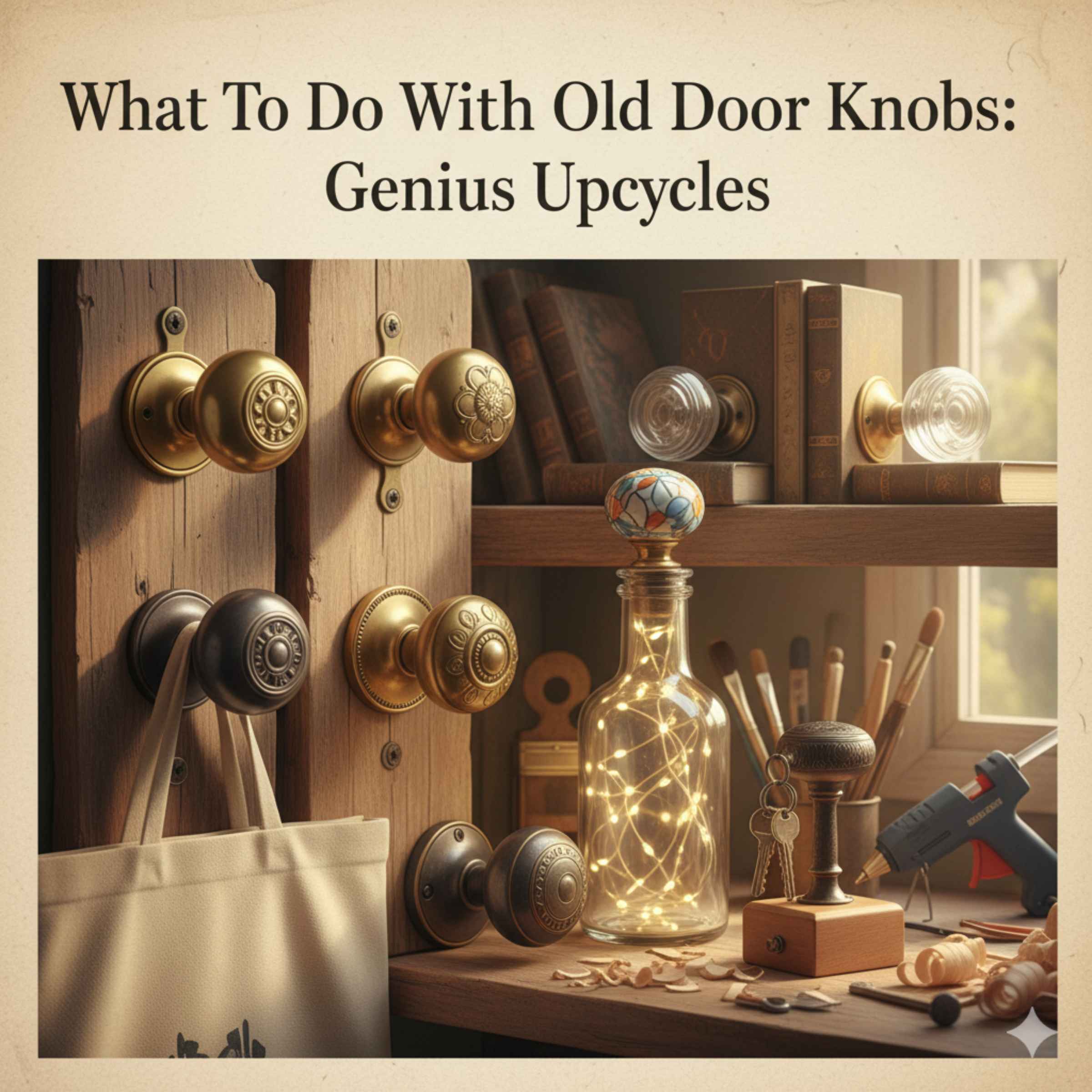
What To Do With Old Door Knobs: Genius Upcycles
Quick Summary: Transform old door knobs into charming decorative pieces, functional hardware, or unique art. With simple tools and a little creativity, you can give these forgotten items a new life as stylish hooks, drawer pulls, candle holders, or even personalized gifts.
Have you ever replaced an old door knob and wondered what to do with the leftover ones? They’re often sturdy and beautifully crafted, yet they can end up collecting dust in a forgotten corner. It’s a common dilemma for homeowners and DIY enthusiasts alike! Don’t toss them just yet! These vintage gems are brimming with potential, just waiting for a touch of your imagination to shine again. We’ll explore simple, fun ways to upcycle them, turning ordinary door knobs into extraordinary additions to your home. Get ready to discover some truly genius ideas!
Why Upcycle Old Door Knobs?
Old door knobs are more than just functional hardware; they’re often tiny pieces of history. Many older knobs are made from solid brass, glass, or porcelain, materials that were built to last and possess a unique charm that modern fixtures sometimes lack. Upcycling them is a fantastic way to:
- Reduce Waste: Give items a second life instead of contributing to landfill.
- Save Money: Create unique decor and hardware for free or very little cost.
- Add Personal Style: Infuse your home with unique, character-filled pieces that tell a story.
- Learn New Skills: Many upcycling projects are beginner-friendly and a great way to practice DIY techniques.
- Create Unique Gifts: Personalized, handmade items are always thoughtful and appreciated.
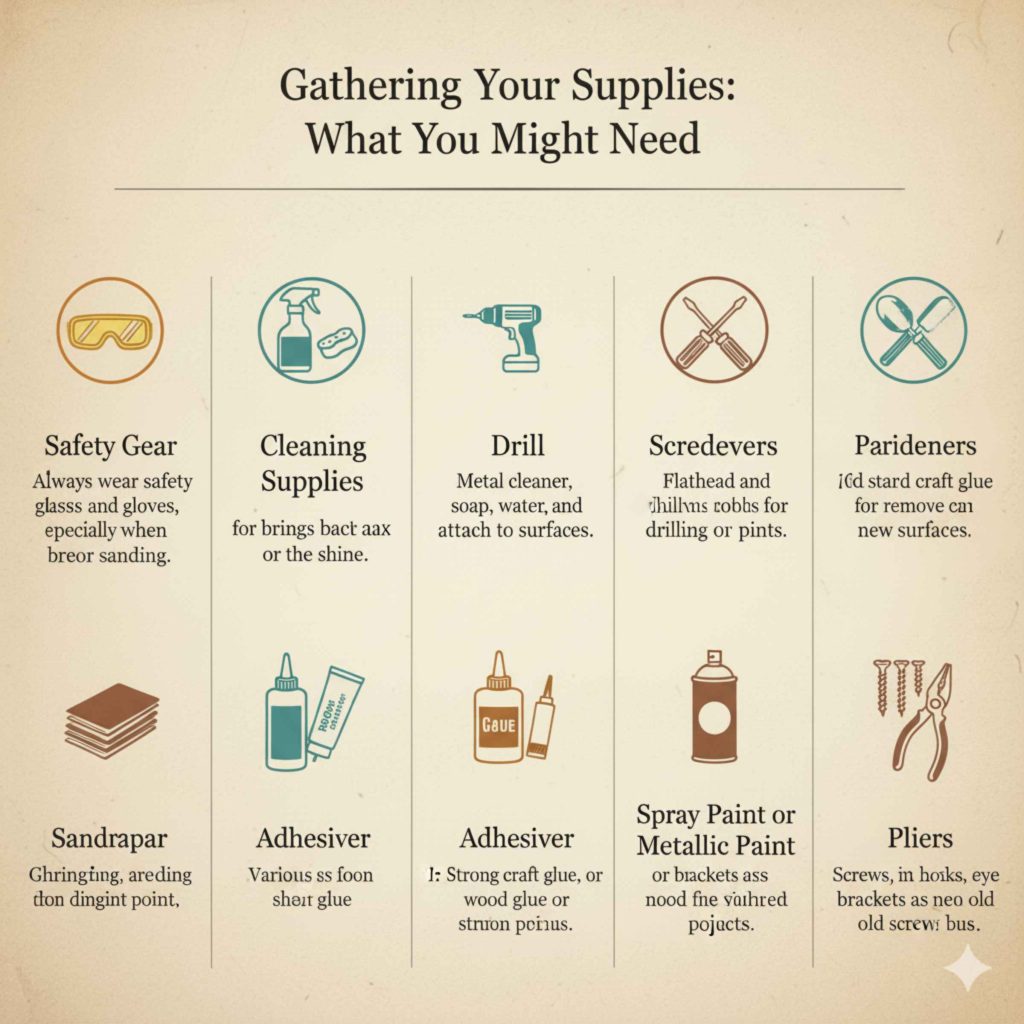
Gathering Your Supplies: What You Might Need
Before you dive into your upcycling projects, it’s helpful to have a few basic supplies on hand. The exact tools will depend on the project, but here’s a general list of what you might find useful:
- Safety Gear: Always wear safety glasses and gloves, especially when drilling or sanding.
- Cleaning Supplies: A good metal cleaner (like Brasso), soap, water, and soft cloths for bringing back the shine.
- Screwdrivers: Flathead and Phillips head screwdrivers to remove knobs and attach them to new surfaces.
- Drill and Drill Bits: Essential for creating pilot holes or mounting points.
- Sandpaper: Various grits (from coarse to fine) for smoothing rough edges or preparing surfaces.
- Adhesives: Strong craft glue, epoxy, or wood glue depending on the materials you’re joining.
- Spray Paint or Metallic Paint: To give your knobs a fresh, modern look or a specific finish.
- Mounting Hardware: Screws, hooks, eye screws, or brackets as needed for your chosen project.
- Pliers: Useful for gripping small parts or removing old screws.
Genius Upcycle Ideas for Old Door Knobs
Let’s get to the fun part! Here are some creative and practical ways to give your old door knobs a new purpose:
1. Decorative Hooks: A Touch of Vintage Charm
This is one of the simplest and most popular ways to upcycle door knobs. They make charming hooks for coats, towels, bags, or even jewelry.
How to Make Door Knob Hooks:
- Clean and Polish: Thoroughly clean your door knob. If it’s metal, use a metal polish to restore its shine. For glass or porcelain, a good scrub with soap and water should do the trick.
- Prepare for Mounting: Most old door knobs come with a spindle or a way to attach them. You might need to remove any internal mechanisms. For knobs with a spindle, you can often screw them directly into a piece of wood or use a suitable bracket. If there’s no spindle, you might need to drill a hole in the back of the knob (carefully!) and insert a screw or eye screw.
- Choose Your Surface: Decide where you want your hooks. A piece of reclaimed wood, a painted board, or directly onto a wall (ensure you use appropriate wall anchors) are great options.
-
Attach the Knobs:
- For Spindled Knobs: If you’re mounting onto wood, drill a pilot hole slightly smaller than the spindle’s diameter. Screw the knob securely into the wood.
- For Non-Spindled Knobs: If you’ve drilled a hole in the back, use a screw that fits snugly. For heavier items, consider using epoxy to secure a strong eye screw into the back of the knob.
- Mount the Surface (if applicable): If you’ve attached knobs to a board, mount the board securely to your wall using appropriate screws and anchors.
Pro Tip: Group several knobs of different sizes and styles on a long piece of wood for a striking coat rack!
2. Drawer Pulls and Cabinet Knobs: A Custom Upgrade
Replace boring, generic hardware on your dressers, cabinets, or cupboards with unique vintage door knobs for a personalized touch.
How to Use Door Knobs as Drawer Pulls:
- Remove Old Hardware: Unscrew the existing drawer pulls or knobs.
- Prepare the Door Knob: Ensure the knob has a way to be attached. Many older knobs have a threaded spindle. If yours doesn’t, you might need to drill a hole through the center of the knob and the drawer front.
- Measure and Mark: Measure the distance between the screw holes on your drawer or cabinet. For door knobs with a spindle, measure the length of the spindle.
- Drill Holes: If you’re replacing a single knob with a spindle, you’ll likely only need one hole, sized to fit the spindle. If you’re replacing pulls with two screws, you’ll need to drill two holes. If you need to drill through the knob itself, use a drill bit suitable for the knob’s material and drill carefully from the back.
-
Attach the Knob:
- Spindled Knobs: Insert the spindle through the hole in the drawer/cabinet. Secure it from the inside with a nut or washer and nut, depending on the spindle type.
- Knobs Drilled Through: Insert a machine screw from the inside of the drawer/cabinet, through the hole, and into the knob. You might need a nut on the inside to secure it.
Safety Note: When drilling through glass or porcelain, use a diamond-tipped drill bit and keep the area wet to prevent cracking. Go slowly and apply even pressure. You can find helpful guides on drilling glass from resources like Popular Mechanics.
3. Candle Holders: Ambiance with a Vintage Twist
Glass or ornate metal door knobs can be transformed into elegant candle holders, adding a warm glow to your space.
Creating Door Knob Candle Holders:
- Select the Right Knobs: Glass knobs with a hollow base or metal knobs with a stable, flat surface work best.
- Clean Thoroughly: Ensure the knob is spotless, especially if it’s glass, so the light shines through beautifully.
- For Glass Knobs: Many glass knobs have a hollow center. You can often simply place a tea light or a small votive candle inside. If the opening is too small, you might be able to carefully widen it or use a very small candle.
- For Metal Knobs: If the knob has a flat base, you can simply place a small candle on top. For added stability and to catch drips, you might want to attach the knob to a small, flat wooden or metal base. You can also drill a shallow recess into a wooden base to hold the candle securely.
- Add Embellishments (Optional): You could wrap the base with twine, add beads, or paint the knob for a more personalized look.
4. Curtain Tie-Backs: Functional Elegance
Add a touch of vintage flair to your windows by using door knobs as sophisticated curtain tie-backs.
DIY Curtain Tie-Backs:
- Clean and Prepare: Clean your door knobs.
- Attach a Mounting Bracket: You’ll need a way to attach the knob to the wall near your window. A simple L-bracket or a decorative hook screwed into the wall stud is ideal.
- Mount the Knob: Securely attach the door knob to the bracket. If the bracket has a hole, you might be able to thread the knob’s spindle through it. Alternatively, you can glue the knob onto the bracket using a strong adhesive like epoxy.
- Use as Tie-Backs: Drape your curtains around the knob to hold them back.
Consideration: Ensure the knob is securely mounted to handle the weight and tension of the curtains.
5. Decorative Accents and Art Pieces
Beyond functional uses, door knobs can be incorporated into purely decorative items, adding unique texture and character.
Ideas for Decorative Accents:
- Mirror Frames: Glue door knobs around the edge of a plain mirror for a vintage, ornate frame.
- Vase Embellishments: Wrap twine or wire around a vase and tuck in a few interesting door knobs.
- Sculptures: Combine various door knobs with other found objects to create unique tabletop sculptures.
- Wall Art: Arrange and attach different door knobs to a canvas or wooden board for a textured wall hanging.
- Jewelry Organizers: Mount knobs on a board or inside a shadow box to hang necklaces and bracelets.
6. Lamp Finials: A Subtle Touch
If you’re crafty and enjoy lamp making or restoration, a unique door knob can make a fantastic lamp finial.
Making a Lamp Finial:
- Find a Knob with a Hole: Look for glass or metal knobs that have a hole going through them, or be prepared to drill one.
- Thread a Rod: You’ll need a threaded rod that fits your lamp socket. Insert this rod through the hole in the door knob.
- Secure the Knob: Use nuts and washers on either side of the knob to secure it to the threaded rod.
- Attach to Lamp: Screw the threaded rod into the lamp socket.
Important: Ensure the knob is securely attached and doesn’t interfere with changing the lightbulb. For electrical projects, always prioritize safety. If you’re unsure, consult with an electrician or a lamp repair professional.
Choosing the Right Door Knobs for Your Project
Not all door knobs are created equal, and some are better suited for certain projects than others. Here’s a quick guide:
| Material | Best For | Considerations |
|---|---|---|
| Glass | Candle holders, hooks, decorative accents, lamp finials | Can be fragile, may require special drilling techniques, light-catching |
| Brass/Metal | Hooks, drawer pulls, curtain tie-backs, heavy-duty use | Can be polished to a shine, may tarnish over time, sturdy |
| Porcelain/Ceramic | Drawer pulls, decorative accents, hooks (if sturdy) | Can be chipped or cracked, often has beautiful patterns, smooth finish |
| Wood | Drawer pulls, rustic decor, hooks (if reinforced) | Can be painted or stained, may require sealing, can be lighter |
Tips for Success
Here are a few extra tips to help your upcycling projects go smoothly:
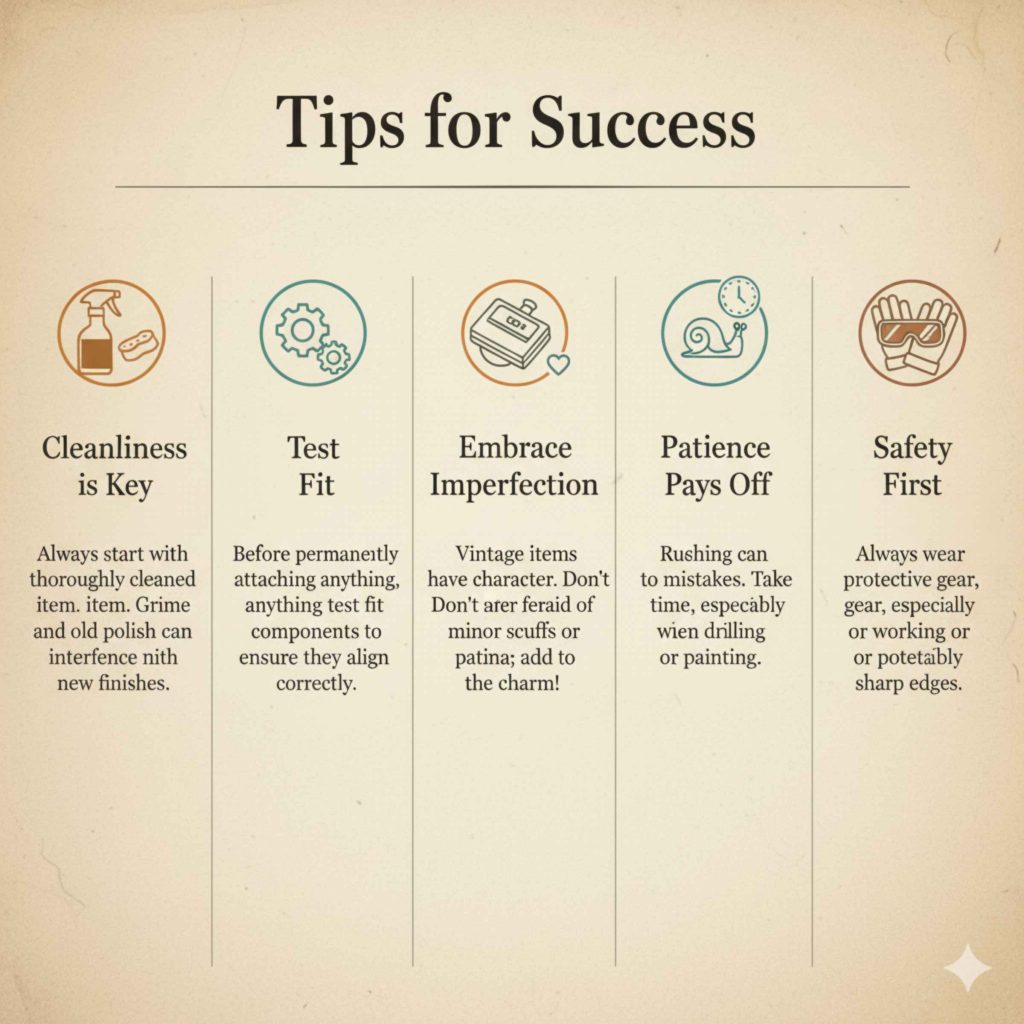
- Cleanliness is Key: Always start with a thoroughly cleaned item. Grime and old polish can interfere with new finishes or adhesives.
- Test Fit: Before permanently attaching anything, especially with screws or glue, test fit your components to ensure they align correctly.
- Embrace Imperfection: Vintage items often have character marks. Don’t be afraid of minor scuffs or patina; they add to the charm!
- Patience Pays Off: Rushing can lead to mistakes. Take your time, especially when drilling or painting.
- Safety First: Always wear protective gear, especially when using power tools or working with potentially sharp edges.
Frequently Asked Questions (FAQ)
Q1: How do I clean very old or tarnished brass door knobs?
For tarnished brass, a commercial brass polish like Brasso is very effective. Apply it with a soft cloth, rub gently, and buff to a shine. For stubborn tarnish, you can also try a paste of lemon juice and baking soda, let it sit for a few minutes, then rinse and buff dry. Always test in an inconspicuous area first.
Q2: Can I paint old door knobs?
Yes, you can! For a good finish, clean the knob thoroughly, lightly sand it to create a surface for the paint to adhere to, apply a metal primer (if it’s metal), and then use spray paint or acrylic craft paint. Several thin coats are better than one thick coat.
Q3: What if my door knob doesn’t have a spindle?
If your knob doesn’t have a spindle, you’ll likely need to drill a hole through it. For glass or ceramic, use a diamond-tipped drill bit and keep the area wet. For metal, use a drill bit designed for metal. You can then insert a machine screw through the back, securing it with a nut on the other side.
Q4: How do I attach a door knob to a wooden board for a hook?
If the knob has a spindle, drill a pilot hole into the wood slightly smaller than the spindle’s diameter and screw the knob in. If it doesn’t have a spindle, you can drill a hole in the knob and the board, then use a machine screw and nut to attach them.
Q5: Are there any safety concerns when working with old door knobs?
Yes, always wear safety glasses when drilling or sanding. If you’re dealing with very old metal, be aware of potential lead content if you plan to sand or paint it extensively. For projects involving electricity (like lamp finials), always prioritize safety and consult professionals if unsure.
Q6: Where can I find old door knobs to upcycle?
Check architectural salvage yards, antique shops, flea markets, online marketplaces (like eBay or Etsy), and even your own home or the homes of friends and family during renovations.
Conclusion
See? Those old door knobs you’ve been holding onto are far from useless. They are fantastic starting points for a variety of creative DIY projects that can add character, charm, and functionality to your home. From simple coat hooks to unique drawer pulls, the possibilities are truly inspiring. By giving these overlooked items a new lease on life, you’re not only saving money and reducing waste but also infusing your living space with personal style and a touch of vintage elegance. So, gather your tools, unleash your creativity, and start transforming those old door knobs into something wonderful today!