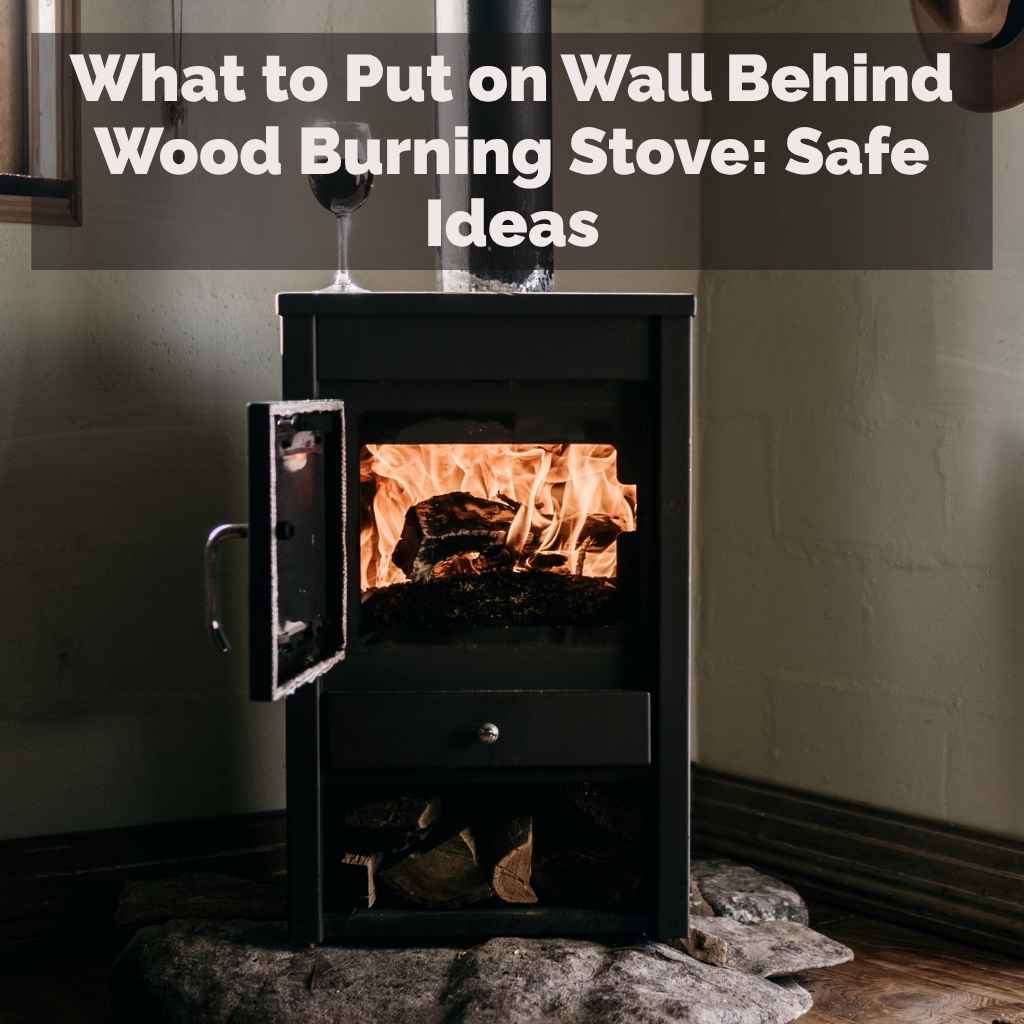
What to Put on Wall Behind Wood Burning Stove: Safe Ideas
Many homeowners get a bit unsure about What to Put on Wall Behind Wood Burning Stove: Safe Ideas. It’s a common question, especially if you’re setting up your stove for the first time. You want your home to look great, but safety comes first.
Picking the wrong material can be a big worry. Don’t fret! We’ll walk you through simple, safe, and stylish options step-by-step.
You’ll feel confident about your choice.
Choosing Safe Wall Coverings for Your Wood Stove
When you install a wood-burning stove, one of the most important things to consider is the wall directly behind it. This area experiences a lot of heat. Choosing the right material is not just about looks; it’s about preventing fires.
Many beginners find this part tricky because there’s a lot of information out there, and some of it can be confusing. We’ll break down the best options clearly.
The primary goal is to create a barrier that stops heat from reaching flammable building materials like drywall or wood studs. This barrier needs to be non-combustible and capable of withstanding high temperatures over time. Fire safety regulations often dictate specific clearances and materials to ensure safe operation.
Understanding these requirements is key to making the right choice for your home and family.
Understanding Heat Shields and Clearances
Before choosing a wall covering, it’s vital to understand the concept of heat shields and clearances. A heat shield is any material or assembly placed between the heat source and combustible surfaces. Clearances are the minimum distances required by safety codes between the stove and any flammable materials.
These distances are crucial for preventing heat transfer and potential ignition.
Heat shields work by reflecting heat away from the wall or by absorbing and dissipating it. The type of shield needed depends on the stove’s design and its heat output. Always consult your stove’s manual and local building codes for specific requirements.
These codes are designed to protect your home. They often involve specific R-values (a measure of thermal resistance) for the shielding.
- Stove Manual GuidelinesYour wood-burning stove’s manual is your first and best resource. It will specify the minimum distances required between the stove and any combustible surfaces. It will also often recommend or require specific types of heat shielding to meet safety standards.
Ignoring these recommendations can void your warranty and, more importantly, create a fire hazard.
- Local Building CodesBuilding codes vary by region, but they all aim to ensure safety. These codes often specify the materials that can be used as heat shields and the minimum thickness or type of installation. You can usually find this information from your local building department or fire marshal’s office.
They can provide specific guidance relevant to your area.
- Types of Combustible MaterialsUnderstanding what’s considered combustible is important. This includes standard drywall, wood paneling, wallpaper, and even some types of insulation. These materials can ignite when exposed to sufficient heat for a prolonged period.
The goal of heat shielding is to keep the surface temperature of these materials below their ignition point.
The Role of Non-Combustible Materials
Non-combustible materials are those that will not burn or contribute to a fire. When selecting materials for the wall behind your wood stove, choosing non-combustible options is paramount. These materials are designed to withstand extreme heat without degrading, warping, or releasing harmful fumes.
They provide the necessary protection to keep your home safe.
The effectiveness of a non-combustible material is often measured by its ability to withstand high temperatures and its thermal conductivity. Materials with low thermal conductivity are better insulators, meaning they transfer less heat. This is crucial for maintaining safe surface temperatures on the wall and preventing heat from reaching the structure behind it.
Recommended Wall Materials Behind Wood Stoves
There are several excellent material choices for the wall behind your wood-burning stove. Each offers different aesthetic appeal and levels of protection. We’ll explore these options, focusing on their safety features and how they can enhance your home’s décor.
The key is to find a balance between safety, style, and ease of installation.
These materials are proven performers, meeting stringent safety standards when installed correctly. They are designed to handle the radiant heat emitted by your stove. Choosing from this list ensures you’re making a safe and effective choice for your home’s safety and ambiance.
Let’s look at each one in detail.
Brick Veneer and Full Brick
Brick is a classic and highly effective choice for the wall behind a wood stove. It is naturally non-combustible and can withstand very high temperatures. Full brick walls offer superior heat resistance, but brick veneer (thin layers of brick) is often more practical for interior applications.
Brick veneer can be applied directly to a non-combustible backing material or a properly prepared wall. It provides a beautiful, rustic look that complements many home styles. The thermal mass of brick also helps to absorb and radiate heat, creating a more even warmth in the room.
Ensure the mortar used is also rated for high temperatures.
Technical Term: Thermal Mass
Thermal mass refers to a material’s ability to store heat energy. Materials with high thermal mass, like brick or stone, can absorb a significant amount of heat. They then release this stored heat slowly over time.
This property helps to stabilize indoor temperatures, making a space feel warmer for longer after the heat source is reduced.
- Installation ConsiderationsBrick veneer can be installed using specialized adhesives or mortar. It’s important to follow the manufacturer’s instructions carefully. Ensure there’s proper support if applying a heavy veneer.
The gap between the brick and the stove must also meet the required clearance specifications, even with the heat-resistant material.
- Aesthetic AppealBrick offers a timeless look that can add significant charm and character to any room. It comes in a wide variety of colors, sizes, and patterns, allowing for a customized appearance. Whether you prefer a traditional farmhouse look or a more modern, sleek design, brick can be adapted.
- DurabilityBrick is incredibly durable. It resists wear and tear, fading, and damage from heat. Properly installed brick veneer can last for decades, making it a long-term investment in your home’s safety and appearance.
It requires very little maintenance.
Stone Veneer and Natural Stone
Similar to brick, natural stone and stone veneer are excellent non-combustible options. They offer a rugged, natural beauty that is highly sought after. Stone is a fantastic insulator and can handle intense heat without any issues.
Stone veneer is a thinner version of natural stone, making it lighter and easier to install on walls. It can be made from various types of stone, such as granite, slate, or fieldstone, each offering a unique look. Ensure the stone is rated for high-heat applications and properly sealed if necessary.
Technical Term: Thermal Conductivity
Thermal conductivity is a measure of how well a material conducts heat. Materials with low thermal conductivity are good insulators, meaning they resist heat flow. For a wall behind a wood stove, you want materials with low thermal conductivity to prevent heat from transferring to the wall structure.
Brick and stone have relatively low thermal conductivity compared to many other building materials.
- Variety of LooksThe range of natural stones available provides a vast palette of colors, textures, and shapes. From the deep, rich tones of slate to the varied hues of fieldstone, you can achieve almost any desired aesthetic. This versatility makes stone a popular choice for creating a focal point.
- Heat ResistanceNatural stone is inherently fire-resistant. It does not burn and can withstand extreme temperatures generated by wood stoves. This makes it a safe and reliable choice for protecting your wall.
Always check that the specific type of stone is not prone to cracking under rapid temperature changes.
- Installation MethodsStone veneer can be adhered to a suitable backing using strong, high-temperature mortar or adhesive. Similar to brick, proper preparation of the wall surface and adherence to manufacturer guidelines are crucial for a safe and lasting installation.
Hearth Boards and Fire-Resistant Panels
Specialized hearth boards and fire-resistant panels are designed specifically for use around heating appliances. These are often made from materials like cement board, calcium silicate board, or mineral wool insulation. They are engineered to provide excellent thermal protection and meet stringent safety codes.
These panels are lightweight and easy to cut and install. They can serve as a direct barrier or as a substrate for other decorative finishes, such as tile or plaster. Their primary advantage is their proven performance in high-heat environments and their compliance with safety regulations.
Technical Term: Cement Board
Cement board is a building material made from cement, cellulose fibers, and aggregate. It is known for its strength, water resistance, and non-combustibility. It is commonly used as a backing for tile in wet areas like bathrooms and kitchens, but its fire-resistant properties make it an excellent choice for areas around wood stoves.
It provides a stable, non-flammable surface.
- Engineered for SafetyThese panels are manufactured with fire safety as the top priority. They have been tested to withstand specific temperature thresholds, ensuring they protect the underlying wall structure from heat damage and potential ignition. They are a reliable, engineered solution.
- Versatile FinishesWhile functional, these panels don’t have to be plain. Many can be painted, tiled, or even plastered over to achieve the desired look. This offers flexibility in matching them to your room’s décor while maintaining a safe barrier.
- Ease of InstallationCompared to natural stone or brick, these panels are generally lighter and simpler to install. They can be cut with standard tools and attached with appropriate fasteners and adhesives, making them a DIY-friendly option for many homeowners.
Tile and Grout Applications
Ceramic or porcelain tile can be an excellent choice for the wall behind a wood stove, provided it’s installed over a non-combustible backing like cement board. These tiles are fired at high temperatures themselves, making them very heat-resistant.
When selecting tile, opt for those specifically rated for heat resistance. Avoid tiles with plastic components or certain types of glazes that might degrade under high heat. The grout used between the tiles is also important; ensure it’s a high-temperature, heat-resistant grout designed for such applications.
Technical Term: Grout
Grout is a cement-like material used to fill the spaces between tiles. For applications behind a wood stove, it’s crucial to use a grout designed for high-temperature environments. Standard grout can crack, discolor, or even crumble when exposed to the intense heat radiating from the stove.
Heat-resistant grout ensures the integrity of the tiled surface.
- Wide Range of StylesTiles offer an incredible variety of colors, patterns, sizes, and finishes. You can create anything from a sleek, modern look to a rustic, artisanal feel. This allows for great design flexibility to match your personal style.
- Durability and CleaningCeramic and porcelain tiles are very durable and easy to clean. They resist stains and are simple to wipe down, making maintenance straightforward. This practical benefit is a big plus for a high-traffic area like near a wood stove.
- Installation RequirementsIt is absolutely essential to install tile over a non-combustible substrate like cement board. This board acts as the primary heat shield. The tiles and grout then add a decorative and protective layer.
Always use heat-rated thin-set mortar and grout.
Metal Sheeting (with proper backing)
Metal sheeting, such as stainless steel or decorative copper, can be a striking option. However, metal itself can conduct heat. Therefore, it must always be installed over a non-combustible heat shield, like cement board or mineral wool.
The metal acts as a reflective barrier, bouncing heat back into the room or away from the wall. It offers a modern, industrial, or even a sleek contemporary look. Ensure the metal sheets are properly secured and that all edges are smooth and safe.
Technical Term: Reflective Insulation
Reflective insulation uses a shiny surface to reduce heat transfer. In the context of a wood stove, a metal sheet can reflect radiant heat away from the wall. However, it’s not a standalone solution.
It needs to be part of a system that includes non-combustible materials to manage heat effectively and safely. The metal itself doesn’t stop heat; it redirects it.
- Modern AestheticsMetal finishes like stainless steel or brushed aluminum offer a clean, contemporary look. Copper or patterned metals can add unique visual interest. This material is perfect for modern or industrial interior designs.
- Importance of BackingMetal alone is not enough. It must be installed over a thick layer of non-combustible material, such as cement board or fire-rated insulation. This backing prevents the metal from becoming excessively hot and transferring that heat to the wall structure behind it.
- Durability and MaintenanceMetal is durable and easy to clean, resisting most stains and damage. Depending on the type of metal, it can be susceptible to scratches. Regular dusting will keep it looking its best.
Plaster or Stucco (over non-combustible backing)
High-temperature plaster or stucco can provide a seamless, smooth finish. Like tile, it needs to be applied over a solid, non-combustible backing, such as cement board or metal lath secured to a fire-rated substrate.
These finishes can be textured or smoothed to your preference. Ensure the plaster or stucco mixture is formulated to withstand the heat exposure. Some specialized fire-rated plasters are available for such applications.
This option offers a clean, minimalist look.
Technical Term: Substrate
A substrate is the layer or surface onto which another material is applied. In this case, the substrate is the base layer that supports the decorative finish (plaster, stucco, tile). For safety behind a wood stove, the substrate must be a non-combustible material like cement board or fire-rated insulation panels.
This ensures the underlying wall is protected.
- Seamless FinishPlaster and stucco offer a continuous, seamless surface that can be very visually appealing. This eliminates grout lines or panel joints, creating a smooth, clean look that can make a room feel larger and more cohesive.
- Customizable TexturesThese finishes allow for a great deal of customization in terms of texture and smoothness. You can opt for a perfectly smooth, modern finish or a more rustic, textured appearance. Colors can also be incorporated directly into the plaster mix.
- Application ProcessApplying plaster or stucco requires skill and proper preparation of the non-combustible backing. It’s a process that benefits from professional expertise to ensure an even, durable, and safe finish. Special high-temperature versions are available.
Materials to Avoid Behind Wood Stoves
It’s just as important to know what not to put on the wall behind your wood stove. Some materials might look good or seem like a natural fit, but they pose a significant fire risk. Sticking to tested, safe options is critical for your home’s safety.
These materials can ignite, smolder, or degrade under heat, creating dangerous conditions. Always prioritize fire safety over aesthetics when it comes to this specific area of your home. A little extra caution here goes a long way.
Drywall (Standard Gypsum Board)
Standard drywall is made of gypsum sandwiched between paper. While common in homes, it is not designed for direct exposure to the heat of a wood stove. The paper can ignite, and the gypsum core can degrade.
Even with paint, standard drywall is combustible. It needs a protective heat shield and must maintain specific clearances. Using it directly behind or too close to a wood stove is a major fire hazard.
Fire-rated drywall offers slightly better performance but still requires proper shielding and clearances.
- Combustible NatureThe paper facing on standard drywall is highly flammable. When exposed to the radiant heat from a stove, it can eventually reach its ignition temperature. This can lead to a fire that spreads quickly within the wall cavity.
- Heat DegradationEven if ignition doesn’t occur immediately, prolonged exposure to high heat can cause the gypsum core to break down. This weakens the wall and can lead to cracks or structural issues, compromising its integrity.
- Clearance RequirementsIf drywall is used in the vicinity of a wood stove, it must be protected by a non-combustible heat shield and kept at a safe distance. This distance is dictated by the stove manufacturer and local building codes, often several inches or more.
Wood Paneling and Other Timber
Wood is a beautiful material, but it is highly combustible. Wood paneling, exposed beams, or any other timber directly behind a wood stove is extremely dangerous. Even treated wood cannot withstand the direct heat and potential sparks from a stove.
There are specific non-combustible materials that can mimic the look of wood, such as ceramic tiles or decorative metal panels. These offer the visual appeal without the fire risk. Never compromise on this safety aspect.
- Flammability RiskWood ignites easily and burns rapidly. Placing it near a direct heat source like a wood stove creates an unacceptable fire risk. Sparks or embers that escape the stove can easily ignite wooden surfaces.
- Cracking and WarpingEven if it doesn’t catch fire, intense heat can cause wood to crack, warp, and splinter. This can create gaps where embers could enter and ignite the material from within, leading to hidden fires.
- Safe AlternativesIf you love the look of wood, consider using heat-resistant tiles that mimic wood grain, or create a safe zone with non-combustible materials and then add wood accents further away from the stove’s direct heat.
Fabric Wall Coverings and Wallpaper
Fabrics, including wallpaper and fabric wall coverings, are generally not suitable for direct installation behind a wood stove. They are typically made from cellulose fibers or synthetic materials that can easily ignite or melt.
Even if a wallpaper has a slight fire-retardant treatment, it is not designed to withstand the sustained high temperatures and radiant heat from a wood stove. Always protect these materials with a non-combustible barrier.
- Ignition HazardMost wallpapers and fabric wall coverings are made of paper or plastic-based materials, which are flammable. The heat from a wood stove can easily cause them to scorch, discolor, and eventually ignite, posing a serious fire risk.
- Melting or BurningSynthetic fabrics can melt and release toxic fumes when exposed to heat. Even natural fabrics can smolder and burn. This creates a dangerous situation, especially in an enclosed living space.
- Proper Protection NeededIf you want to have wallpaper or fabric finishes in the room, they must be installed at a safe distance from the stove and protected by a substantial heat shield. This shield should be made of non-combustible materials.
Plaster or Paint Not Rated for High Heat
While plaster and paint can be used, it’s crucial that they are specifically rated for high-heat applications and applied over a non-combustible backing. Standard interior paints and plasters are not designed to withstand the temperatures experienced near a wood stove.
These materials can discolor, crack, peel, or even off-gas harmful fumes when overheated. Always choose products certified for use around fireplaces and stoves. A standard paint job will likely fail and could become a hazard.
- Chemical BreakdownStandard paints and plasters contain binders and pigments that can break down under high heat. This can lead to discoloration, bubbling, peeling, and the release of volatile organic compounds (VOCs) into the air.
- Cracking and DeteriorationRepeated exposure to heat and subsequent cooling cycles can cause standard plaster and paint to become brittle and crack. This not only compromises the aesthetic but can also create pathways for heat to reach the wall structure.
- Specific Product SelectionAlways select paints and plasters that are explicitly labeled as being suitable for use around wood stoves or fi
Safety Checklist for Your Wood Stove Wall
Ensuring the safety of the wall behind your wood-burning stove involves a few key steps. This checklist will help you confirm that your chosen materials and installation methods meet safety standards. Always double-check with your local building codes and stove manufacturer’s guidelines.
Following these steps will give you peace of mind. You’ll know that your beautiful new stove is installed safely and that your home is protected from potential hazards. Safety first, always!
- Verify Material RatingsConfirm that all materials used are non-combustible and rated for high temperatures. Look for manufacturer specifications and safety certifications. Ensure any adhesives, mortars, or grouts are also heat-resistant.
- Check Stove ClearancesMeasure the distances between your stove and the wall covering. Compare these measurements to the requirements in your stove’s manual and local building codes. Do not guess; measure precisely.
- Ensure Proper BackingIf using decorative materials like tile or metal, confirm they are installed over a certified non-combustible backing material such as cement board or fire-rated insulation.
- Inspect for Gaps or CracksAfter installation, carefully inspect the entire area for any small gaps, cracks, or imperfections. Seal any openings to prevent heat or embers from entering the wall structure.
- Consult ProfessionalsIf you are unsure about any aspect of the installation, consult a certified installer, your local building inspector, or the stove manufacturer. It’s always better to be safe than sorry.
Frequently Asked Questions
Question: Can I use regular drywall behind a wood stove?
Answer: No, regular drywall is combustible and should not be used directly behind a wood stove. It must be protected by a non-combustible heat shield and kept at a safe distance as specified by your stove’s manual and local codes.
Question: What is the safest material for a wall behind a wood stove?
Answer: Non-combustible materials like brick, stone, cement board, or specially designed fire-resistant panels are the safest options. These materials can withstand high temperatures without igniting or degrading.
Question: Do I need a special type of grout for tiles behind a wood stove?
Answer: Yes, you absolutely need to use a heat-resistant or high-temperature grout when tiling the wall behind a wood stove. Standard grout can crack or crumble under intense heat.
Question: How far should my wood stove be from the wall?
Answer: The required distance, or clearance, varies greatly depending on the stove model and the type of wall protection. Always refer to your stove’s manual and local building codes for specific clearance requirements.
Question: Can I paint directly onto a cement board behind my stove?
Answer: Yes, you can paint cement board, but you must use paint specifically designed for high-heat applications, such as high-temperature stove paint or specialty fireplace paints. Regular interior paint is not suitable.
Conclusion
Choosing what to put on the wall behind your wood burning stove is about safety and style. Safe materials like brick, stone, or specialized panels protect your home from heat. Always use a non-combustible backing and follow clearance guidelines.
You can create a beautiful, warm focal point that is also fire-safe.