When Did Hot Showers Become Common?
Hey there! Have you ever stepped into a steaming hot shower and felt the world melt away? I know I have. There’s something magical about that warm water washing over you, soothing your muscles and clearing your mind. But as I stood under the spray one day, I started wondering: when did hot showers become a regular part of our lives? It’s not like people have always had this luxury. So, I dove into the history of hot showers, and let me tell you, it’s a fascinating journey. From ancient bathhouses to modern plumbing, the story of hot showers is full of surprises. Let’s explore how this everyday comfort became a household staple in the USA and beyond.
The Early Days of Bathing
Let’s start way back. Bathing wasn’t always about hot showers. In ancient times, people were more focused on just getting clean. I learned that civilizations like the Egyptians, Greeks, and Romans were big on bathing, but it wasn’t like flipping a switch for hot water. The Egyptians, around 2000 BCE, used water heated over fires for ritual baths. They’d pour warm water over themselves or soak in it. The Greeks took it up a notch with public bathhouses, where communal pools were sometimes warmed by fires or hot springs. The Romans? They were the rock stars of ancient bathing. Their bathhouses, called thermae, had complex systems to heat water using underfloor pipes and furnaces. I can almost picture them lounging in warm pools, chatting about politics or gladiator fights.
But here’s the thing: these were mostly for the wealthy or for public use. The average person didn’t have a private hot bath at home. Bathing was a social event, and hot water was a luxury. Fast forward to the Middle Ages, and things got a bit grim. Bathing fell out of favor in Europe because of health myths—people thought soaking in water could make you sick. Can you imagine? I’d miss my showers so much! Instead, folks relied on quick sponge baths, often with cold water. Hot water was still a hassle to heat and carry.
The Industrial Revolution Sparks Change
Now, let’s jump to the 18th and 19th centuries. This is when things started to shift. The Industrial Revolution brought new technology, and I was amazed to learn how it changed bathing. By the 1700s, wealthier homes in Europe and early America had rudimentary water-heating systems. Think copper tanks heated by coal or wood fires. But these were clunky and expensive. You’d have to plan your bath hours in advance, and even then, it wasn’t like our instant hot showers today.
By the mid-1800s, gas water heaters started showing up. I read about the first ones, like the “geyser” heater invented in England around 1868. It was a game-changer! These devices heated water on demand using gas burners. Suddenly, hot water wasn’t just for the rich. Middle-class families could afford it, though it was still rare in rural areas. In the USA, cities like New York and Philadelphia were getting piped water systems by the 1830s, but indoor plumbing was still a dream for most. I can’t imagine lugging buckets of water from a well—makes me grateful for my faucet!
The Rise of Indoor Plumbing
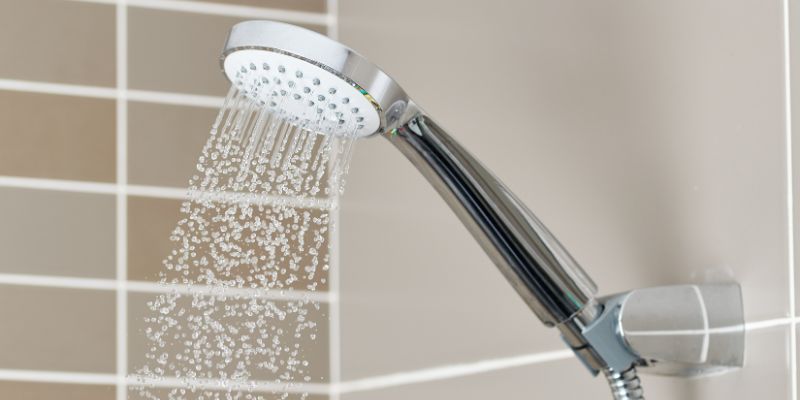
Okay, so when did hot showers really start to take off? For me, this part of the story gets exciting because it’s closer to what we know today. By the late 1800s, indoor plumbing started becoming more common in American cities. Wealthy homes had bathrooms with tubs, and some even had early shower setups. These weren’t like our sleek showerheads, though. Picture a contraption with pipes and valves spraying water in all directions—sometimes more like a surprise than a shower!
The real breakthrough came with the invention of electric water heaters around the 1890s. I was surprised to learn that early versions, like those made by companies such as Ruud, could heat water faster and more reliably than gas or coal. By the early 1900s, middle-class homes in the USA were starting to get indoor bathrooms with hot and cold running water. Showers were still less common than bathtubs, but they were gaining popularity. Why? They were quicker and used less water. I can relate—I love a long soak, but sometimes I just need a fast rinse to start my day.
Here’s a quick look at how plumbing evolved during this time:
| Time Period | Key Development | Impact on Hot Showers |
|---|---|---|
| 1700s | Copper tanks heated by fire | Hot water for wealthier homes, slow process |
| 1860s | Gas water heaters introduced | Faster hot water, more affordable |
| 1890s | Electric water heaters developed | Reliable, efficient hot water for homes |
| Early 1900s | Indoor plumbing in middle-class homes | Showers become practical for more people |
The 20th Century: Hot Showers Go Mainstream
Now we’re getting to the good stuff. The early 20th century was when hot showers started feeling like something we’d recognize. By the 1920s, indoor plumbing was becoming standard in new American homes, especially in cities. Suburbs were growing, and houses were built with bathrooms that included showers. I found it wild to think that in 1920, only about 1% of American homes had indoor plumbing with hot water. By 1940, that number jumped to around 55%. That’s a huge leap!
World War II slowed things down a bit—resources were tight, and home construction took a backseat. But after the war, the 1950s brought a boom. The post-war economy was buzzing, and suburban neighborhoods popped up everywhere. I can picture those classic 1950s homes with pastel-tiled bathrooms and shiny new showerheads. Manufacturers like Kohler and American Standard were making affordable fixtures, and electric water heaters were now compact and efficient. Tankless water heaters also started appearing, though they were pricier.
By the 1960s and 1970s, hot showers were no longer a luxury—they were expected. I talked to my grandma once about her childhood in the 1940s, and she said her family shared one bathroom with a tub and a handheld shower. By the time she raised her kids in the 1970s, their house had two full bathrooms with modern showers. That’s when I realized how fast things changed in just a few decades.
Technology Makes Showers Better
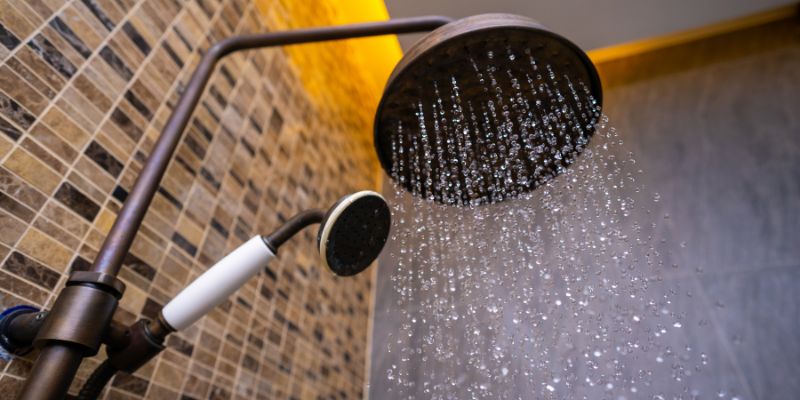
Let’s talk about what makes our showers so great today. By the late 20th century, technology was transforming the bathroom. I’m obsessed with my rainfall showerhead, and it’s all thanks to innovations in the 1980s and 1990s. Manufacturers started designing showerheads with adjustable sprays, water-saving features, and even massage settings. I mean, who doesn’t love a shower that feels like a spa?
Water heaters got smarter too. Tankless models became more popular in the USA, especially in the 2000s. They heat water only when you need it, so you never run out during a long shower. I remember staying at a friend’s house with an old tank heater—halfway through my shower, the water went ice-cold! Never again. Solar water heaters also started popping up for eco-conscious homeowners, though they’re still less common.
Another cool thing? Smart home tech. I recently saw a shower system you can control with your phone. You can set the perfect temperature before you even step in! It’s like living in the future. These advancements made hot showers not just common but customizable and energy-efficient.
Why Hot Showers Matter to Us
So, why do we love hot showers so much? For me, it’s more than just getting clean. A hot shower is my reset button. After a long day, it’s where I unwind, think, or even sing (badly). But there’s science behind it too. Warm water relaxes muscles, reduces stress, and can even help with sleep. I read that hot showers increase blood flow and release endorphins, which is why they feel so good.
Culturally, showers have become a daily ritual in the USA. Unlike some countries where baths are still preferred, Americans lean toward showers for their speed and convenience. I’ve noticed that home improvement shows always highlight fancy showers when renovating bathrooms—it’s what buyers want. A 2020 survey I came across said 65% of Americans shower daily, and most prefer hot water over cold. No surprise there!
Challenges and the Future of Hot Showers
It’s not all rosy, though. Hot showers use a lot of water and energy. I was shocked to learn that a 10-minute shower can use up to 25 gallons of water. With climate change and water shortages in parts of the USA, that’s a big deal. I’ve started using a low-flow showerhead, and it’s made a difference without sacrificing comfort. Some folks are also switching to tankless or solar heaters to save energy.
Looking ahead, I think hot showers will keep evolving. Smart showers might become standard, letting us save water without thinking about it. I’ve even heard about systems that recycle shower water—pretty cool, right? As we get more eco-conscious, I bet we’ll see more innovations that make hot showers sustainable.
Conclusion
So, there you have it—the story of how hot showers went from a rare treat to an everyday joy. From ancient Romans to 1950s suburbs, it’s been a long road. I’m so grateful for the inventors and engineers who made it possible to step into a warm, steamy shower whenever I want. It’s not just about cleanliness; it’s about comfort, relaxation, and a little moment of luxury in our busy lives. Next time you turn on your shower, take a second to appreciate how far we’ve come. And maybe, like me, you’ll wonder what cool shower tech is coming next!
FAQs
When did most American homes get hot showers?
Hot showers started becoming common in American homes in the early 20th century. By the 1920s, indoor plumbing with hot water was standard in new urban and suburban homes. The real boom came in the 1950s, when over half of homes had hot water and showers, thanks to better water heaters and affordable fixtures.
How did people heat water for bathing before modern showers?
Before modern plumbing, people heated water over fires in pots or copper tanks. In ancient times, some used hot springs or furnace-heated bathhouses. By the 1700s, wealthier homes had coal or wood-fired tanks, but it was slow and labor-intensive.
Why are hot showers so popular in the USA?
Hot showers are popular because they’re quick, convenient, and relaxing. They save time compared to baths, and warm water helps with stress relief and muscle relaxation. Culturally, daily showers are a norm in the USA, with most people preferring hot water for comfort.
Are hot showers bad for the environment?
Hot showers can use a lot of water and energy, which isn’t great for the environment. A typical shower uses 15-25 gallons of water, and heating it requires energy. Using low-flow showerheads, tankless heaters, or shorter showers can help reduce the impact.
What’s the future of hot showers?
The future looks exciting! Smart showers that control temperature and water use are gaining traction. Water-recycling systems and solar heaters are also emerging. These innovations aim to make hot showers more sustainable while keeping them luxurious.