When Do You Have to Tarp a Load? A Complete Guide for Safe Hauling
Hey there, friend! If you’re a truck driver, car enthusiast, or just someone who’s hauled a load or two, you’ve probably wondered, “When do I need to tarp a load?” I’ve been there myself, standing in my driveway, staring at my trailer full of car parts, trying to decide if a tarp was necessary. Over the years, I’ve hauled everything from vintage car bodies to landscaping materials, and I’ve learned the ins and outs of tarping through trial and error. Tarping isn’t just about tossing a cover over your cargo—it’s about safety, legality, and protecting your load.
Let me share everything I’ve picked up along the way, from legal rules to practical tips, so you can haul with confidence. Whether you’re a pro driver or a weekend warrior, this guide will help you know when to tarp and how to do it right. Let’s hit the road and dive in!
Why Tarping a Load Matters
The first time I hauled a load without a tarp, I thought I was saving time. Big mistake. Halfway down the highway, I lost a box of tools to a gust of wind, and dirt from my load was flying everywhere. I learned that tarping isn’t just a hassle—it’s a must for safety and practicality. A tarp keeps your cargo secure, protects it from weather, and prevents debris from hitting other vehicles.
It also helps you avoid fines, since many states have strict laws about uncovered loads. For us automotive folks, tarping is especially important when hauling car parts, equipment, or vehicles that need to stay clean and safe. A good tarp job saves your load, your wallet, and your peace of mind.
Understanding When You Need to Tarp a Load
So, when do you have to tarp? It depends on the load, the law, and the conditions. I’ve hauled all sorts of stuff—car frames, tires, gravel—and each has its own rules. Generally, you need to tarp if your load could fly out, get damaged, or cause a hazard. Here’s what I’ve learned about when tarping is required:
- Loose Materials: Things like gravel, sand, dirt, or mulch can blow off a trailer and hit cars or create road hazards. I’ve seen rocks crack windshields, so tarping these is a must.
- Car Parts or Equipment: If you’re hauling engines, body panels, or tools, a tarp protects them from rain, sun, or road debris. I once hauled a classic car hood without a tarp, and it got scratched by flying gravel—lesson learned.
- Legal Requirements: Many states require tarping for certain loads, especially loose materials. I’ll cover the laws in more detail later, but always check local rules.
- Weather Protection: Rain, snow, or sun can ruin your cargo. I’ve used tarps to keep rust off car parts during long hauls in stormy weather.
If your load is heavy, solid, and strapped down—like a fully secured vehicle—you might not need a tarp unless weather’s a factor. But when in doubt, I always tarp. It’s better to be safe than sorry.
Legal Requirements for Tarping in the USA
I’ve driven across the country hauling car parts, and one thing’s clear: tarping laws vary by state. Early on, I got a ticket in Ohio for an uncovered load of gravel—ouch. To avoid that, I now check regulations before every trip. Here’s what I’ve found:
- Federal Guidelines: The Federal Motor Carrier Safety Administration (FMCSA) doesn’t mandate tarping but requires loads to be secured to prevent shifting or falling. Tarps often help meet this rule.
- State Laws: Many states, like California, Texas, and New York, require tarps for loose materials like gravel, sand, or debris. For example, California’s Vehicle Code says any load that could escape must be covered.
- Fines and Penalties: Fines vary—$50 to $250 in most states—but some places, like Pennsylvania, can hit you with higher penalties if debris causes an accident. I’ve heard horror stories of $1,000 fines for repeat offenders.
- Exceptions: Solid loads, like a secured car or heavy machinery, often don’t need tarps unless they’re exposed to weather or have loose parts.
Before hauling, I check the state’s Department of Transportation website or call a weigh station for clarity. If you’re crossing state lines, know the rules for each state. I keep a notebook with key regulations in my truck—it’s saved me more than once.
Types of Loads That Require Tarping
Not every load needs a tarp, but some scream for it. Here’s what I’ve learned about which loads to cover:
- Loose Materials: Gravel, sand, dirt, mulch, or wood chips need tarps to keep them from flying out. I always tarp these, no matter the distance.
- Agricultural Goods: Hay, grain, or produce can blow away or get wet. I’ve seen farmers lose half their load to rain without a tarp.
- Car Parts: Engines, fenders, or chrome trim can rust or get scratched. I tarp these to keep them pristine, especially for classic car restorations.
- Furniture or Household Goods: When moving car seats or interior parts, tarps protect against water and UV damage.
- Construction Debris: Scrap metal, drywall, or lumber can scatter. I’ve tarped these loads to avoid littering the highway.
If your load is bulky but secure, like a strapped-down ATV, you might skip the tarp unless the weather’s bad. I always ask, “Can this get damaged or cause damage?” If yes, I grab the tarp.
Choosing the Right Tarp for Your Load
Picking the right tarp is half the battle. I’ve used everything from cheap blue poly tarps to heavy-duty vinyl, and each has its place. Here’s what I consider:
- Poly Tarps: These are lightweight and affordable, great for short hauls or light loads like mulch. I use them for quick trips but avoid them for long-term exposure—they tear easily.
- Vinyl Tarps: Heavy-duty and waterproof, these are my go-to for car parts or long hauls. They’re pricier but last years.
- Canvas Tarps: Breathable and durable, these are perfect for covering vehicles to prevent condensation. I use one for my classic car in storage.
- Mesh Tarps: These let air through but catch debris, ideal for loads like hay or brush. I’ve used them for landscaping projects.
I choose a tarp slightly larger than my load—about 2 feet extra on each side—for full coverage. For a 6×8 trailer, I’d get an 8×10 tarp. Check for reinforced edges and strong grommets to handle wind and straps. I learned the hard way when a cheap tarp ripped on the highway, leaving my load exposed.
How to Tarp a Load Properly
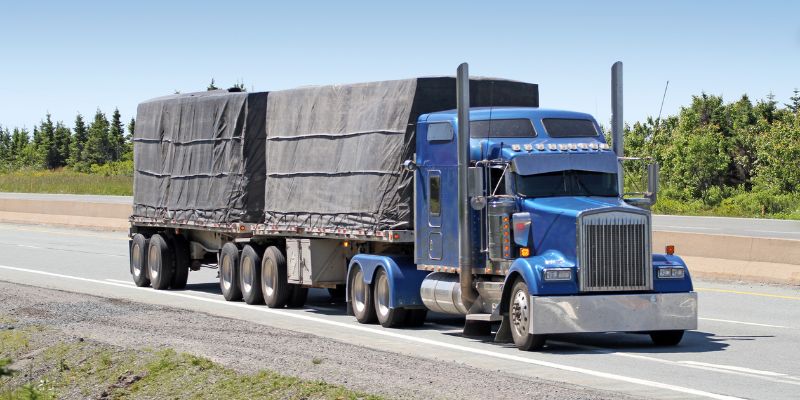
Tarping a load takes practice, and I’ve had my share of flops. Once, I didn’t secure a tarp tightly, and it flapped like a sail, nearly tearing off. Here’s how I do it now:
- Clean the Load: Brush off loose dirt or debris. I once tarped over wet mud, and it soaked through, ruining the tarp.
- Center the Tarp: Lay the tarp flat over the load, ensuring even overhang on all sides. I walk around to check coverage.
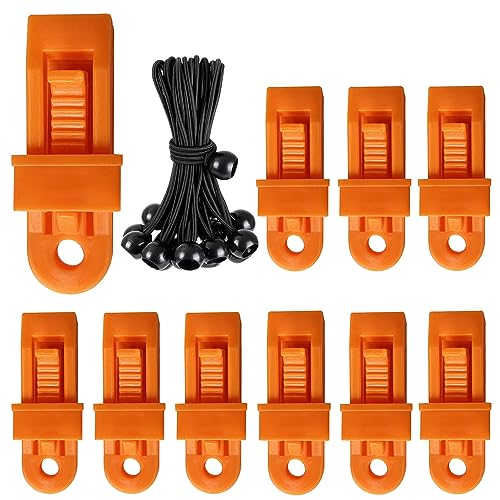
- Secure with Bungees or Straps: Use bungee cords or ratchet straps through the tarp’s grommets. I hook them to the trailer’s anchor points, pulling tight but not stretching the tarp too much.
- Check for Flaps: Tuck in loose edges or secure them with extra bungees. Flapping tarps can tear or come loose.
- Inspect Before Driving: Walk around and tug the tarp to ensure it’s snug. I do a quick test drive to check for movement.
For big loads, I use multiple tarps, overlapping them slightly and securing each section. If it’s windy, I add extra straps to keep things tight. Practice makes perfect, and a secure tarp means a worry-free haul.
| Load Type | Tarp Type | Best For | Securing Method |
|---|---|---|---|
| Gravel/Sand | Poly or Mesh | Short hauls | Bungees, tight coverage |
| Car Parts | Vinyl | Long hauls | Ratchet straps, full coverage |
| Vehicles | Canvas | Storage | Bungees, breathable fit |
| Hay/Brush | Mesh | Airflow | Straps, loose fit |
Weather Conditions and Tarping
Weather plays a huge role in tarping. I’ve hauled in rain, snow, and blazing sun, and each demands a different approach. Here’s what I’ve learned:
- Rain: Water can ruin car parts or wash away loose loads like dirt. I use waterproof vinyl tarps and check for leaks before hitting the road.
- Snow: Snow adds weight and can freeze tarps, making them brittle. I use heavy-duty tarps and clear off snow before driving.
- Sun: UV rays can fade or crack car parts. I use UV-resistant tarps for long hauls to protect chrome or paint.
- Wind: High winds can tear tarps or lift them off. I double up on straps and tuck the edges tightly on windy days.
I check the weather forecast before every haul. If a storm’s coming, I might delay or add extra tarping layers. Once, I ignored a wind advisory, and my tarp shredded—never again.
Safety Tips for Tarping
Tarping isn’t just about covering—it’s about safety. I’ve had close calls, like slipping off a trailer while securing a tarp. Here’s how I stay safe:
- Use a Ladder: For tall loads, a sturdy ladder prevents falls. I keep a small step ladder in my truck.
- Wear Gloves: Tarps can have sharp edges, and straps can pinch. Gloves save your hands.
- Work with a Buddy: For big loads, I ask a friend to help. It’s faster and safer.
- Check Straps: Loose or frayed straps can snap. I inspect them before every trip.
- Avoid Overloading: A tarp won’t help if your load’s too high or heavy. I keep loads below the trailer sidewalls.
Safety first keeps you and others safe on the road. I always double-check my setup before driving, especially on busy highways.
Common Mistakes to Avoid
I’ve made plenty of tarping mistakes, so let me save you some trouble. Here are pitfalls to dodge:
- Using a Small Tarp: A tarp that’s too small won’t cover the load fully. I always get one with extra overhang.
- Skipping Straps: Bungees alone aren’t enough for heavy loads. I use ratchet straps for anything over 100 pounds.
- Ignoring Weather: Rain or wind can ruin a bad tarp job. I check forecasts and prep accordingly.
- Not Checking Laws: State rules vary, and ignorance isn’t an excuse. I got fined once for not knowing local regs.
- Leaving Flaps Loose: Flapping tarps tear or come undone. I tuck edges and add extra straps.
Avoiding these has made my hauls smoother and saved me from costly headaches.
Maintaining and Storing Tarps
A good tarp lasts years if you care for it. I learned this after leaving a wet tarp in my garage—it smelled awful and grew mold. Here’s how I maintain mine:
- Clean After Use: Rinse off dirt or grease with a hose and mild soap. I dry them completely to prevent mildew.
- Fold or Roll: I roll vinyl tarps to avoid creases and fold canvas ones loosely. It saves space and prevents damage.
- Store Dry: Keep tarps in a dry, cool place, like a garage shelf or plastic bin. I add silica gel packets to fight moisture.
- Inspect Regularly: Check for tears or weak grommets. I patch small holes with tarp tape to extend their life.
I store my tarps near my trailer for easy access, labeled by size and type. It keeps my hauls organized and ready to go.

Why Tarping Is Key for Automotive Haulers
For us car folks, tarping is a big deal. Whether you’re hauling a restored classic, spare parts, or shop equipment, a tarp protects your investment. I’ve used tarps to keep rain off a vintage fender during a cross-state move and to shield tools from dust on a job site. They’re affordable, versatile, and can save you from costly damage or fines. Plus, a well-tarped load looks professional, whether you’re at a car show or a construction site. Knowing when to tarp and how to do it right has made me a better hauler and kept my gear in top shape.
Conclusion
Figuring out when to tarp a load has been a game-changer for my hauling adventures. From dodging fines to protecting my classic car parts, tarping is a skill every automotive enthusiast should master. I’ve shared my hard-earned lessons—cleaning tarps, securing them tightly, and checking state laws—so you can haul safely and confidently. Whether you’re towing gravel, car parts, or a prized ride, a good tarp job keeps your load secure and your mind at ease. So, grab your tarp, strap it down, and hit the road knowing you’ve got it covered. Here’s to safe travels and keeping your cargo as pristine as your favorite car!
FAQs
When do I have to tarp a load?
You need to tarp loose materials like gravel or sand, car parts exposed to weather, or anything that could fly out or get damaged.
What type of tarp is best for hauling car parts?
Vinyl tarps are great for car parts—they’re waterproof and durable. Canvas works for breathable coverage to prevent rust.
Are there states where tarping is required by law?
Yes, states like California, Texas, and New York require tarps for loose loads like gravel or debris. Check local DOT rules.
Can I skip tarping if my load is strapped down?
If it’s secure and not exposed to weather, like a strapped-down car, you might not need a tarp. But tarp if a risk of damage or debris.
How do I secure a tarp properly?
Center the tarp over the load, use bungee cords or ratchet straps through grommets, and tuck in loose edges to prevent flapping.
What happens if I don’t tarp a loose load?
You could face fines from $50 to $250, depending on the state. Loose debris might also cause accidents or damage.
Can I use a tarp in windy conditions?
Yes, but use extra straps and tuck edges tightly. Mesh tarps work better for airflow with loose loads like hay.