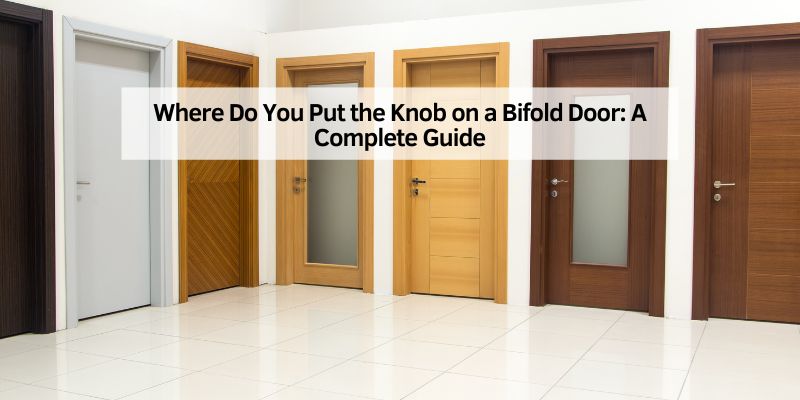
Where Do You Put the Knob on a Bifold Door: A Complete Guide
Hey there! So, you’re thinking about installing a bifold door, or maybe you’ve already got one and you’re scratching your head, wondering, “Where do you put the knob on a bifold door?” Trust me, I’ve been there. When I first tackled this project in my home, I spent hours figuring out the best spot for that knob to make the door both functional and stylish. It’s not as simple as slapping it anywhere, but don’t worry—I’ve got you covered.
In this guide, I’ll walk you through everything I’ve learned about placing the knob on a bifold door, from practical tips to design considerations. Whether you’re a DIY newbie or a seasoned pro, this article will help you get it right. Let’s dive in!
What Is a Bifold Door and Why Does Knob Placement Matter?
Before we get into the nitty-gritty, let’s talk about what a bifold door is. If you’ve ever seen those sleek, folding doors that slide open to save space, that’s a bifold door. They’re super popular in homes across the USA, especially for closets, pantries, or small rooms where a swinging door would eat up too much space. They’re made of panels that fold in on themselves, usually in pairs or sets, and they glide along a track.
Now, why does the knob placement matter? Well, the knob isn’t just there for looks—it’s your main way to open and close the door. If it’s in the wrong spot, you’ll struggle to use the door, or worse, you might damage it over time. I learned this the hard way when I installed my first bifold door in my laundry room. I put the knob too close to the edge, and it made pulling the door awkward. Plus, it didn’t look great. The right placement makes the door easy to use, feels natural, and keeps your space looking sharp.
Standard Knob Placement for Bifold Doors
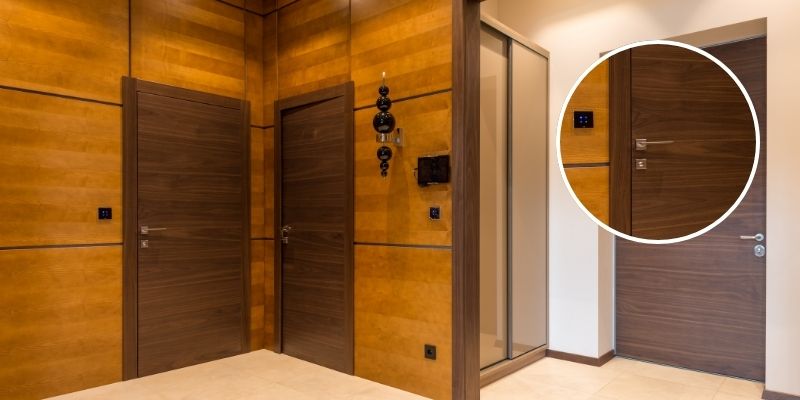
So, where exactly should you put the knob? For most bifold doors, the standard placement is on the lead panel—the one that moves the most when you open or close the door. Typically, this is the panel farthest from the hinge or pivot point. The knob usually goes about 36 to 42 inches from the floor, which is roughly waist height for most adults. This height feels comfortable for grabbing and pulling.
In my experience, sticking to this standard height works for most people, including kids and adults. I installed a bifold door in my daughter’s closet, and placing the knob at 38 inches was perfect—she could reach it easily, and it didn’t feel too low for me or my husband. If you’re installing multiple bifold doors in your home, keeping the knob height consistent gives a polished, uniform look.
Here’s a quick breakdown of standard knob placement:
| Feature | Details |
|---|---|
| Panel | Lead panel (the one you pull to open the door) |
| Height from Floor | 36–42 inches (waist height for most adults) |
| Distance from Edge | 1–2 inches from the edge of the lead panel for easy gripping |
| Type of Knob | Pull knob, handle, or flush pull (depends on door style and preference) |
Factors to Consider When Choosing Knob Placement
Okay, so the standard placement is a good starting point, but every home and every door is different. When I was working on my bifold door projects, I realized there are a few things you need to think about to get the placement just right. Let’s break them down.
Door Size and Configuration
Bifold doors come in all sorts of sizes and setups. Some have two panels, while others have four or more. In my guest room, I installed a four-panel bifold door, and figuring out the knob placement was trickier than with a simple two-panel door. For multi-panel doors, you still put the knob on the lead panel, but you need to make sure it’s on the panel that pulls the others along. If you’re not sure which panel that is, open the door slowly and watch how the panels move—the lead panel is the one you naturally pull first.
User Accessibility
Who’s going to use this door? That’s a big question. If you’ve got kids, elderly folks, or anyone with mobility issues in your home, you might need to tweak the knob height. For example, when I installed a bifold door in my mom’s pantry, I lowered the knob to 34 inches because she’s shorter and has arthritis. It made a huge difference for her. If you’re designing for accessibility, consider a larger, easy-to-grip handle instead of a small knob, too—it’s easier on the hands.
Door Material and Style
The material and style of your bifold door can affect where you place the knob. I’ve worked with both wooden and metal bifold doors, and let me tell you, they’re not the same. Wooden doors often have a solid surface, so you’ve got more flexibility with knob placement. Metal or glass doors, on the other hand, might have pre-drilled holes or specific mounting areas. When I installed a glass-panel bifold door in my home office, I had to stick to the manufacturer’s recommended spot to avoid cracking the glass. Always check the door’s manual or specs before drilling.
Aesthetic Appeal
Let’s be honest—looks matter. A knob that’s off-center or too high can make your door look sloppy. When I redid my bedroom closet, I spent extra time choosing a sleek, modern knob and placing it perfectly centered on the lead panel. It made the whole room feel more put-together. If your bifold door has decorative panels or a unique design, try to place the knob where it complements the overall look. For example, on a door with raised panels, I’d put the knob on a flat section to keep things clean and symmetrical.
Step-by-Step Guide to Installing a Knob on a Bifold Door
Now that you know where to put the knob, let’s talk about how to actually install it. I’ve done this a few times, and while it’s not rocket science, there are a few tricks to make it easier. Here’s my step-by-step process.
Step 1: Gather Your Tools
Before you start, make sure you have everything you need. I usually grab a drill, a screwdriver, a measuring tape, a pencil, and the knob or handle kit. Most knob kits come with screws, but double-check to avoid a mid-project trip to the hardware store.
Step 2: Measure and Mark the Spot
Measure about 36–42 inches from the floor on the lead panel. Use your measuring tape and mark the spot with a pencil. I like to double-check my measurements to avoid drilling in the wrong place—trust me, patching up a bad drill hole is no fun. Also, make sure the knob is 1–2 inches from the edge of the panel so it’s easy to grip.
Step 3: Drill the Hole
Most bifold door knobs require a single hole for the screw or mounting hardware. Check the knob’s instructions for the right drill bit size. When I installed a flush pull knob on my pantry door, I used a 1-inch spade bit to create a clean, recessed hole. Drill slowly and steadily to avoid splintering the wood or damaging the door.
Step 4: Attach the Knob
Once the hole is drilled, attach the knob using the provided screws or hardware. I always tighten the screws by hand first to make sure everything lines up, then use a screwdriver for a secure fit. If you’re using a flush pull, make sure it sits snugly in the recessed hole.
Step 5: Test the Door
After the knob is installed, open and close the door a few times to make sure it feels right. When I put a knob on my laundry room door, I noticed it was a bit stiff at first. A quick adjustment to the track fixed it, but testing is key to catching these issues early.
Common Mistakes to Avoid
I’ve made my fair share of mistakes when installing bifold door knobs, so let me save you some trouble. Here are the big ones to watch out for:
- Placing the Knob Too Close to the Edge: If the knob is too close to the panel’s edge, it’s hard to grip, and you might end up banging your knuckles against the frame. I did this once, and it was so annoying I had to redo it.
- Ignoring the Door’s Weight: Heavier doors need sturdier knobs or handles. A flimsy knob on a solid wood door won’t last long—I learned that when my first knob started wobbling after a few months.
- Not Checking the Track Alignment: If your bifold door isn’t sliding smoothly, the knob placement won’t matter much. Before installing the knob, make sure the door’s track is properly aligned. I had to tweak the track on my closet door to get it to glide perfectly.
- Skipping the Manual: Some bifold doors come with specific instructions for knob placement. I ignored the manual on one project and ended up drilling in the wrong spot. Always read the fine print!
Choosing the Right Knob for Your Bifold Door
The type of knob or handle you choose can make a big difference in both function and style. When I was shopping for knobs, I was surprised by how many options there were. Here are the main types I’ve come across and what they’re best for:
- Pull Knobs: These are small, round knobs that you pull to open the door. They’re simple and affordable, perfect for basic bifold doors like the ones in my kids’ closets.
- Flush Pulls: These sit flush with the door’s surface, giving a sleek, modern look. I used a flush pull on my office door, and it’s great for tight spaces where a protruding knob might get in the way.
- Handles: Longer handles give you more leverage, which is great for heavier doors. I put a handle on my pantry door, and it makes opening the door feel effortless.
- Decorative Knobs: If you want to add some flair, decorative knobs come in all sorts of finishes and designs. I found a brushed nickel knob for my bedroom closet that matches the room’s vibe perfectly.
When choosing a knob, think about the door’s material, your home’s style, and how often the door will be used. A busy closet door might need a sturdier handle, while a rarely used pantry door can get by with a simple pull.
Tips for Maintaining Your Bifold Door and Knob
Once your knob is installed, you’ll want to keep it and the door in tip-top shape. Here’s what I do to maintain my bifold doors:
- Lubricate the Track: A smooth track makes opening and closing the door easier. I use a silicone-based lubricant every few months to keep things gliding.
- Tighten the Knob: Over time, screws can loosen. I check my knobs every six months and give them a quick tighten if needed.
- Clean the Door: Dust and grime can build up, especially on glass or metal doors. I wipe mine down with a damp cloth to keep them looking fresh.
- Check for Wear: If the knob starts to wobble or the door feels off, it might be a sign of bigger issues. I caught a loose track on my laundry room door early and saved myself a bigger repair.
Conclusion
Figuring out where to put the knob on a bifold door might seem like a small detail, but it’s one of those things that can make or break your daily experience with the door. After installing bifold doors in my home, I’ve learned that the right placement—usually 36 to 42 inches from the floor on the lead panel—makes the door easy to use and looks great. By considering factors like accessibility, door style, and your home’s aesthetic, you can find the perfect spot for your knob. And with a little care, your bifold door and knob will stay functional and stylish for years.
I hope this guide has answered all your questions and given you the confidence to tackle your bifold door project. Whether you’re sprucing up a closet or adding a modern touch to your pantry, getting the knob placement right is a small step that makes a big difference. Happy DIY-ing!
FAQs
Where should the knob go on a bifold door?
The knob should go on the lead panel, about 36 to 42 inches from the floor. This height is comfortable for most people and makes the door easy to open.
Can I put the knob anywhere on a bifold door?
Not really. Placing it too close to the edge or too high, or too low can make the door hard to use. Stick to the lead panel and a standard height for best results.
What type of knob is best for a bifold door?
It depends on your needs. Pull knobs are simple and affordable, flush pulls are sleek for tight spaces, and handles work well for heavier doors.
Do I need special tools to install a bifold door knob?
You’ll need a drill, a screwdriver, a measuring tape, and a pencil. Most knob kits include screws, but check the instructions for the right drill bit size.
How do I make sure the knob stays secure?
Tighten the screws properly during installation and check them every few months. If the knob wobbles, tighten it or replace it with a sturdier option.