Which Drawings Typically Show Light Fixture Details: Essential Guide
Quick Summary:
Which drawings typically show light fixture details? Electrical plans, lighting fixture schedules, and architectural detail drawings are the primary sources. These drawings specify fixture types, locations, power sources, and mounting methods, ensuring accurate installation and function for your home projects.
Ever stared at a set of blueprints and felt a bit lost, especially when it comes to the tiny details of your home’s lighting? You’re not alone! Understanding the drawings that show light fixture details can feel like deciphering a secret code. But don’t worry, it’s simpler than it looks. These plans are designed to guide you, whether you’re a seasoned pro or just starting your DIY journey. Knowing which drawings to look at will save you time, prevent costly mistakes, and help you achieve the beautiful, functional lighting you envision for your home.
Let’s break down exactly where to find the crucial information about your light fixtures. We’ll explore the different types of drawings and what specific details you can expect to find on each. By the end, you’ll feel confident navigating these plans and making informed decisions about your home’s lighting.
Understanding the Basics: Why Light Fixture Details Matter
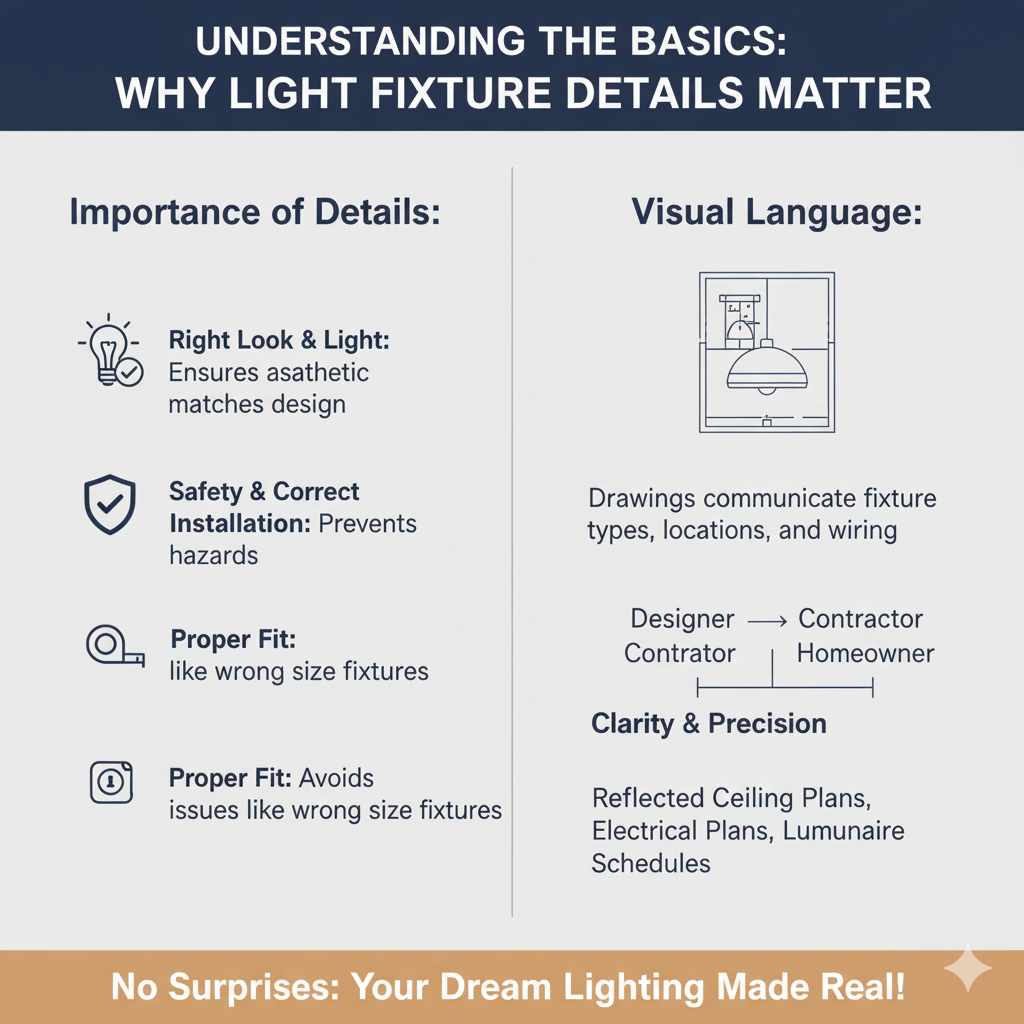
When you’re planning any home renovation, electrical work, or even just replacing a fixture, understanding the lighting details is super important. These details aren’t just for electricians; they help homeowners like us make sure we’re getting the right look, the right amount of light, and that everything is installed safely and correctly. Imagine picking out a beautiful pendant light, only to find out later it’s too large for the space or requires a special type of ceiling support you didn’t know about. That’s where these drawings come in handy!
They act as a visual language, communicating exactly what needs to happen. This ensures that everyone involved – from the designer to the installer to you – is on the same page. It’s all about clarity and precision, so your dream lighting scheme becomes a reality without any unwelcome surprises.
The Main Players: Drawings That Detail Light Fixtures
Several types of drawings are used in building and renovation projects, and each serves a specific purpose. For light fixture details, a few key players usually show up. Think of them as different chapters in a book, each telling a part of the lighting story.
1. Electrical Plans (or Lighting Plans)
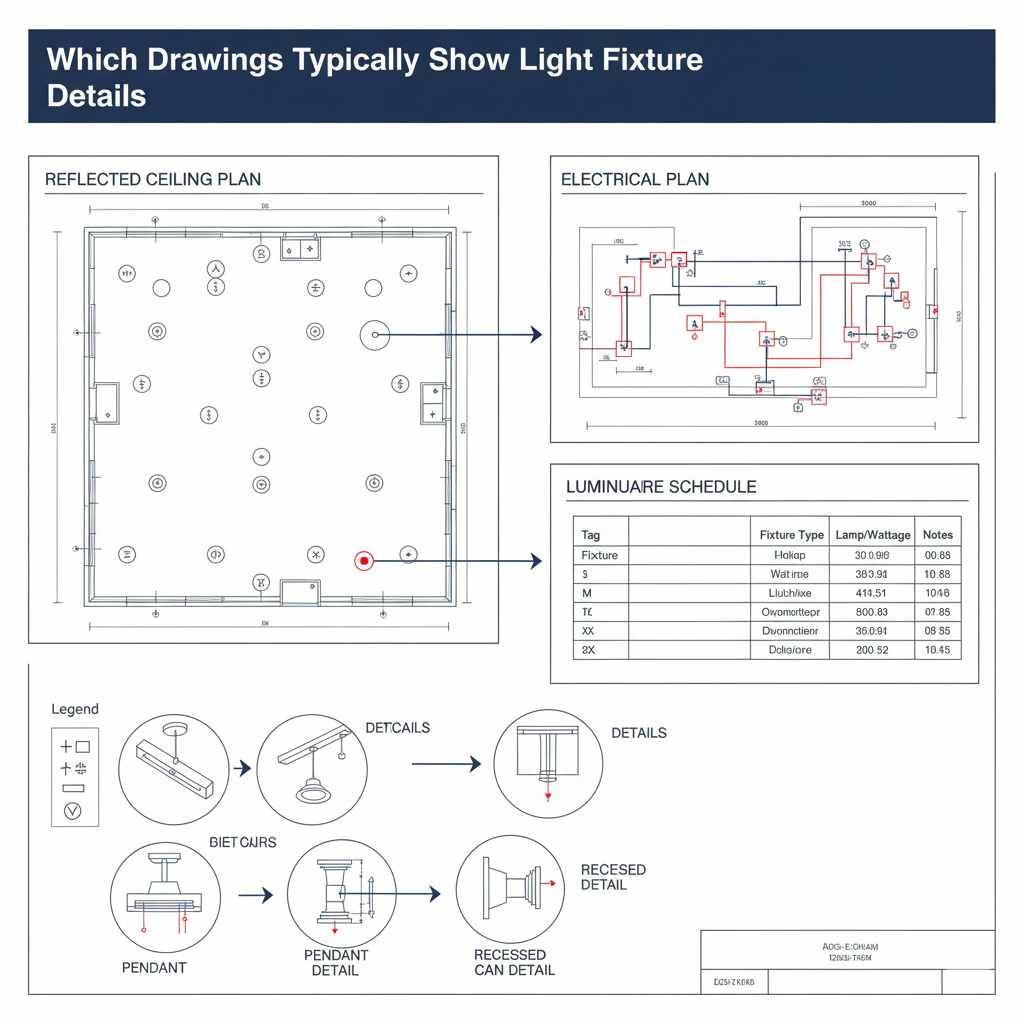
These are often the most comprehensive drawings when it comes to your home’s electrical system, including lighting. They show the location of all electrical devices, including light fixtures, switches, outlets, and their associated wiring. For light fixtures, you’ll typically see symbols indicating the type of fixture and its exact placement on the ceiling or wall.
What to look for on Electrical Plans:
- Fixture Symbols: Standardized symbols represent different types of lights (e.g., recessed lights, ceiling fans with lights, sconces).
- Location Markers: These show precisely where each fixture will be installed, often with dimensions from walls or other structural elements.
- Circuit Information: Sometimes, these plans will indicate which electrical circuit a fixture is connected to.
- Switching Layout: How the lights will be controlled (e.g., single-pole switch, three-way switch).
You can learn more about electrical symbols from resources like the BuildingGreen website, which often discusses architectural symbols.
2. Lighting Fixture Schedules
Think of a lighting schedule as a detailed inventory or specification sheet for every light fixture in a project. While the electrical plan shows where the lights go, the schedule tells you what they are. This is incredibly useful for procurement and ensuring the correct items are installed.
What to look for on Lighting Fixture Schedules:
- Fixture Number/ID: A unique identifier that links the fixture on the electrical plan to its description in the schedule.
- Fixture Type: A detailed description (e.g., “Recessed LED Downlight,” “Surface Mount Fluorescent Troffer,” “Art Deco Wall Sconce”).
- Manufacturer and Model Number: Specific product information for ordering.
- Lamp Type and Wattage: The type of bulb required and its power consumption (e.g., “LED, 10W,” “Incandescent, 60W”).
- Finish and Color: Details on the fixture’s appearance.
- Dimensions: Size of the fixture.
- Special Notes: Any unique installation requirements or features.
This schedule is essential for making sure the chosen fixtures match the design intent and function requirements. It’s a key document for anyone purchasing or installing the lights.
3. Architectural Detail Drawings
These drawings zoom in on specific parts of the building to show how elements are constructed and connected. For complex or custom light fixtures, or for unique mounting situations, architectural detail drawings are vital. They show how the fixture integrates with the surrounding structure.
What to look for on Architectural Detail Drawings:
- Mounting Methods: How the fixture is physically attached to the ceiling, wall, or other surfaces. This is crucial for ensuring structural integrity and safety.
- Integration with Building Materials: Details on how the fixture fits into drywall, wood, concrete, or other materials.
- Rough-in Dimensions: The size of the opening or space needed in the wall or ceiling before the fixture is installed.
- Custom Fixture Construction: If a fixture is custom-made, these drawings will show its exact dimensions and how it’s assembled.
These drawings are particularly important for custom homes or unique architectural features where standard installation methods might not apply. They ensure that even the most intricate lighting elements are incorporated seamlessly and securely.
4. Reflected Ceiling Plans (RCPs)
Reflected Ceiling Plans are a bit different. Imagine looking up at your ceiling and then flipping that view upside down. That’s essentially what an RCP shows. They are invaluable for visualizing the layout of ceiling elements, including lights, diffusers, and other fixtures.
What to look for on RCPs:
- Fixture Placement: Similar to electrical plans, RCPs show the location of light fixtures, often from a top-down perspective as if you were looking at the ceiling from above.
- Types of Ceiling Fixtures: They clearly indicate recessed lights, surface-mounted fixtures, linear lighting, and sometimes even the pattern of their placement.
- Coordination with Other Ceiling Elements: RCPs help coordinate lighting with HVAC diffusers, sprinklers, and acoustic ceiling tiles, ensuring everything fits together.
These plans are excellent for understanding the overall lighting aesthetic and pattern across a room. They help ensure that the lighting layout is balanced and complements the room’s design.
Key Details to Find on Light Fixture Drawings
Regardless of which drawing you’re looking at, certain pieces of information are consistently important for understanding light fixture details. Let’s dive into what these are.
Location and Placement
This is fundamental. Drawings will show you exactly where each light fixture is supposed to go. This is often indicated by symbols on a floor plan or RCP, with dimensions given from the nearest walls or structural elements. Precise placement ensures even lighting and avoids awkward shadows or dark spots.
Fixture Type and Identification
As mentioned with the lighting schedule, knowing the exact type of fixture is critical. Is it a simple recessed can light, a decorative chandelier, or a task-specific under-cabinet light? The drawings will use specific symbols or reference numbers to identify these, which then link to more detailed descriptions.
Electrical Requirements
This includes voltage, wattage, and the type of lamp or bulb needed. For modern installations, you’ll often see details about LED fixtures, their lumens (brightness), and color temperature (warm or cool light). This information is vital for selecting the right bulbs and ensuring compatibility with your electrical system.
Mounting and Support
How will the fixture be attached? Some fixtures simply screw into a junction box, while others, like heavy chandeliers, require specialized mounting hardware and structural support. Detail drawings are especially helpful here, showing how the fixture connects to joists or other framing members to safely support its weight.
Dimming and Control Information
Are the lights intended to be dimmable? What type of switch or control system will be used? Drawings might indicate dimmable fixtures or specify the type of switch (e.g., dimmer switch, smart switch) needed. This impacts both the fixture choice and the electrical wiring.
A Practical Guide: What to Do with This Information
Knowing what information is available is one thing, but knowing how to use it is another. Here’s how you can leverage these drawings for your projects.
Step-by-Step: Using Light Fixture Drawings
- Review the Electrical Plan and RCP: Start by looking at the overall layout. See where the lights are positioned in relation to the room’s features and furniture. This gives you a good sense of the lighting scheme.
- Consult the Lighting Fixture Schedule: Once you know where the lights are, use the schedule to understand what each light is. Match the fixture ID from the plan to the schedule to get all the specific details.
- Examine Detail Drawings for Installation: If you’re doing the installation yourself or overseeing it, pay close attention to any architectural detail drawings. These will show you exactly how the fixture needs to be mounted and connected to the building structure.
- Verify with Manufacturer Specifications: Always cross-reference the information on the drawings with the manufacturer’s installation manuals and product specifications. Sometimes, drawings might be generalized, and the manufacturer’s guide will have the most up-to-date and precise instructions. You can often find manufacturer specs on their websites or through distributors.
- Communicate with Your Team: If you’re working with an electrician, contractor, or designer, use these drawings and schedules to have clear conversations. Pointing to specific details on the plans can prevent misunderstandings.
Tools and Resources for Understanding Drawings
You don’t need to be an architect to understand these plans. A few basic tools and resources can make the process much smoother.
- Rulers and Measuring Tapes: Essential for understanding dimensions and scale on the drawings.
- Light Table or Bright Window: Useful for overlaying plans or seeing details more clearly, especially for older or less transparent blueprints.
- Magnifying Glass: Great for deciphering small text or intricate symbols.
- Digital PDF Viewer with Zoom: If you have digital copies of the plans, zoom features are invaluable.
- Manufacturer Websites: As mentioned, these are crucial for detailed product information and installation guides. Websites like Build.gov (part of the U.S. General Services Administration) offer resources on construction and building standards.
Common Challenges and How to Overcome Them
Even with clear drawings, homeowners might encounter a few hurdles. Here’s how to tackle them:
- Jargon: Architectural and electrical plans can use specialized terms. If you encounter an unfamiliar word, a quick online search or asking your contractor can usually clarify it.
- Outdated Plans: Sometimes, drawings might not reflect minor changes made during construction. Always confirm critical details on-site.
- Missing Information: If a crucial detail seems to be missing, don’t guess! Reach out to the designer or contractor for clarification.

Table: Common Light Fixture Symbols on Drawings
Understanding symbols is key to reading any technical drawing. Here are a few common ones you might encounter, though specific conventions can vary slightly between different architectural firms or regions.
| Symbol | Common Meaning | Description |
|---|---|---|
 |
Recessed Light (Downlight) | A light fixture installed above the ceiling, shining downwards. |
 |
Ceiling Fan with Light | A ceiling fan that also incorporates a light kit. |
 |
Wall Sconce | A light fixture mounted on a wall, often for ambient or accent lighting. |
 |
Surface Mount Fixture | A light fixture attached directly to the surface of the ceiling or wall. |
 |
Pendant Light | A decorative light fixture that hangs from the ceiling by a cord, chain, or rod. |
Note: Actual symbols may vary. Always refer to the drawing’s legend for definitive interpretations.
Table: Light Fixture Schedule Example
Here’s a simplified example of what a lighting fixture schedule might look like. This provides the specific details for each light identified on the plans.
| Fixture ID | Fixture Type | Manufacturer/Model | Lamp Type/Wattage | Finish | Notes |
|---|---|---|---|---|---|
| L1 | Recessed LED Downlight | LumenTech LT-2000 | LED, 12W, 800 Lumens, 3000K | White Trim | Dimmable with ELV dimmer |
| L2 | Pendant Light | Artisan Lighting AL-501 | Incandescent, 60W (Max) | Brushed Nickel | Requires 4″ Octagon Box; see Detail Dwg A-3 |
| L3 | Wall Sconce | Modern Home MH-W10 | LED Integrated, 8W | Matte Black | Up/Down Light |
| L4 | Ceiling Fan w/ Light | AeroFans AF-CF30 | (2) 60W Candelabra Base | White | Includes remote control |
This table format makes it easy to compare and select the correct fixtures for your project.
Frequently Asked Questions (FAQ)
Q1: What is the difference between an electrical plan and a lighting plan?
An electrical plan shows all electrical devices, including outlets, switches, and wiring. A lighting plan is more specialized, focusing specifically on the layout, types, and control of light fixtures.
Q2: Where can I find the legend for the symbols used on my drawings?
The legend, which explains all the symbols used on a specific set of drawings, is usually found on the first page of the architectural or engineering drawings, or sometimes on the title block of each sheet.
Q3: Do I need to understand these drawings if I’m just replacing a light fixture?
If you’re simply swapping out an identical fixture, you might not need the full drawings. However, if you’re changing the type, size, or location, or if the new fixture has different electrical requirements, referring to the plans (or consulting an electrician) is highly recommended for safety and compatibility.
Q4: How do I know if a fixture is dimmable from the drawings?
The lighting fixture schedule is the best place to look. It will often have a column for “Notes” or “Special Features” that will specify if the fixture is dimmable and, if so, what type of dimmer is required.
Q5: What if the drawings show a symbol I don’t recognize?
Always start by checking the drawing’s legend. If the symbol isn’t there or is unclear, don’t hesitate to ask the architect, designer, or electrician who provided the drawings for clarification.
Q6: Are lighting fixture schedules always included in construction documents?
Yes, for any project of moderate complexity, a lighting fixture schedule is a standard and essential part of the construction documents. It ensures clarity and consistency in fixture selection and installation.
Conclusion
Navigating the world of building plans might seem daunting at first, but understanding which drawings typically show light fixture details is a skill that empowers you as a homeowner. By familiarizing yourself with electrical plans, lighting fixture schedules, architectural detail drawings, and reflected ceiling plans, you gain the knowledge to interpret precisely where your lights will go, what type of fixtures will be used, and how they will be installed. These documents are your roadmap to achieving safe, functional, and aesthetically pleasing lighting in your home.
Remember to always cross-reference the information with manufacturer specifications and don’t hesitate to seek clarification when needed. With this guide, you’re well-equipped to confidently understand and utilize light fixture details in your next project, ensuring your home is beautifully and efficiently illuminated. Happy building and decorating!