Which Faucets to Drip During Freeze: Expert Tips
Winter is knocking at your door, and you’re probably starting to feel the chill. As temperatures drop, you might find yourself wondering which faucets to drip during a freeze to prevent costly plumbing disasters.
It’s a common dilemma, and getting it right can save you a lot of headaches and money. Imagine waking up to a burst pipe and a flooded home — not a pleasant thought, right? By understanding the simple yet crucial steps to protect your plumbing, you can sleep easy and keep your home safe from winter’s icy grip.
Dive into this guide to discover how a few small actions can make a big difference during a freeze. Your peace of mind is just a faucet drip away.
Credit: www.kcentv.com
Signs Of A Freeze
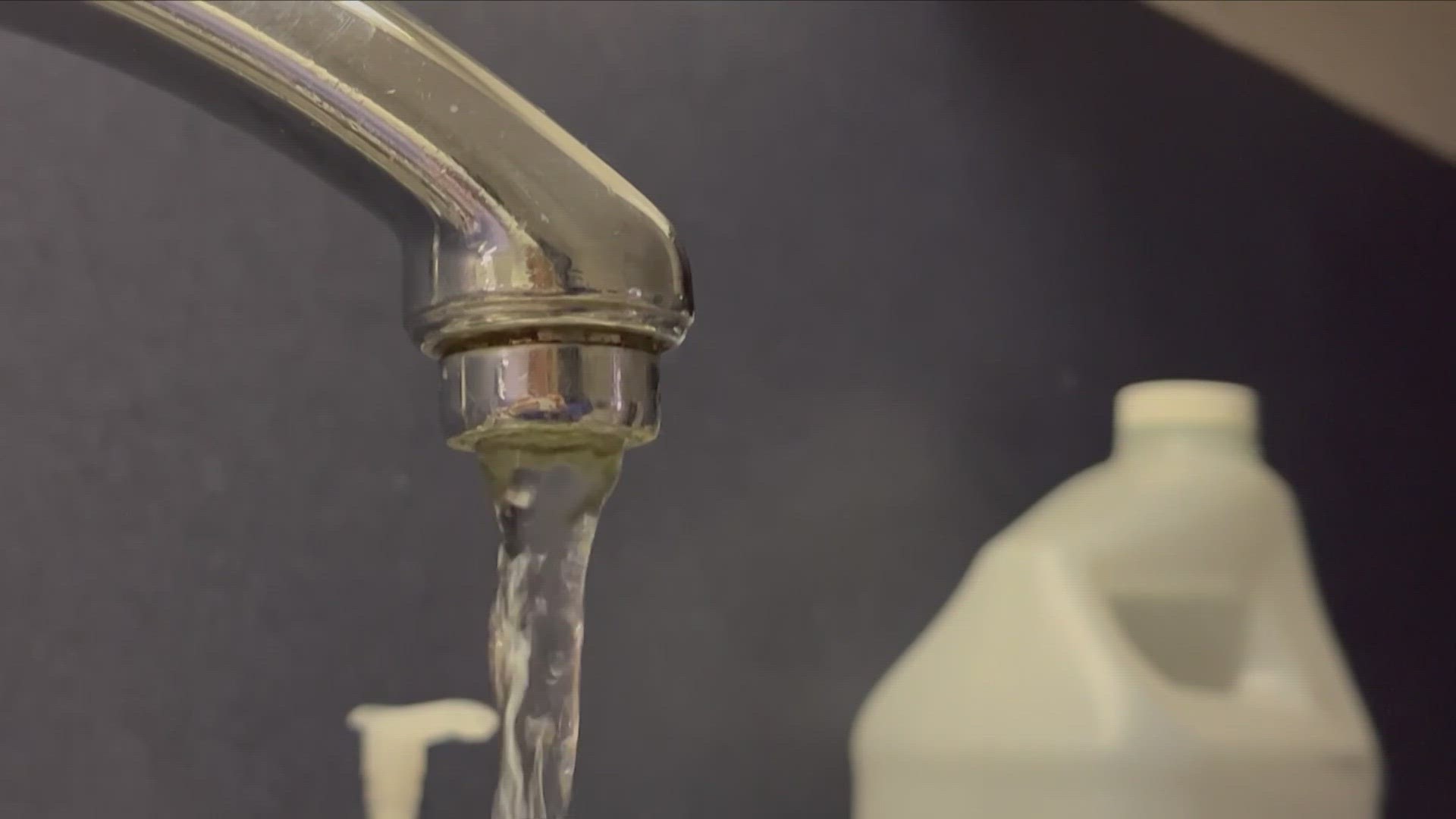
Cold air can make pipes freeze. Water stops moving. Ice forms inside pipes. Faucets may drip water slowly. Frost appears on windows. Plants look frozen. Snow might cover the ground. Heaters work harder to keep warm. Cars need scraping to remove ice. Animals stay indoors. People wear thick coats.
Shivering can be a sign too. Breath becomes visible in the cold. Wind feels sharp and biting. Hands and feet feel cold quickly. Noses turn red from the chill. Hats and gloves become important. Stores sell more hot drinks.
Why Drip Faucets
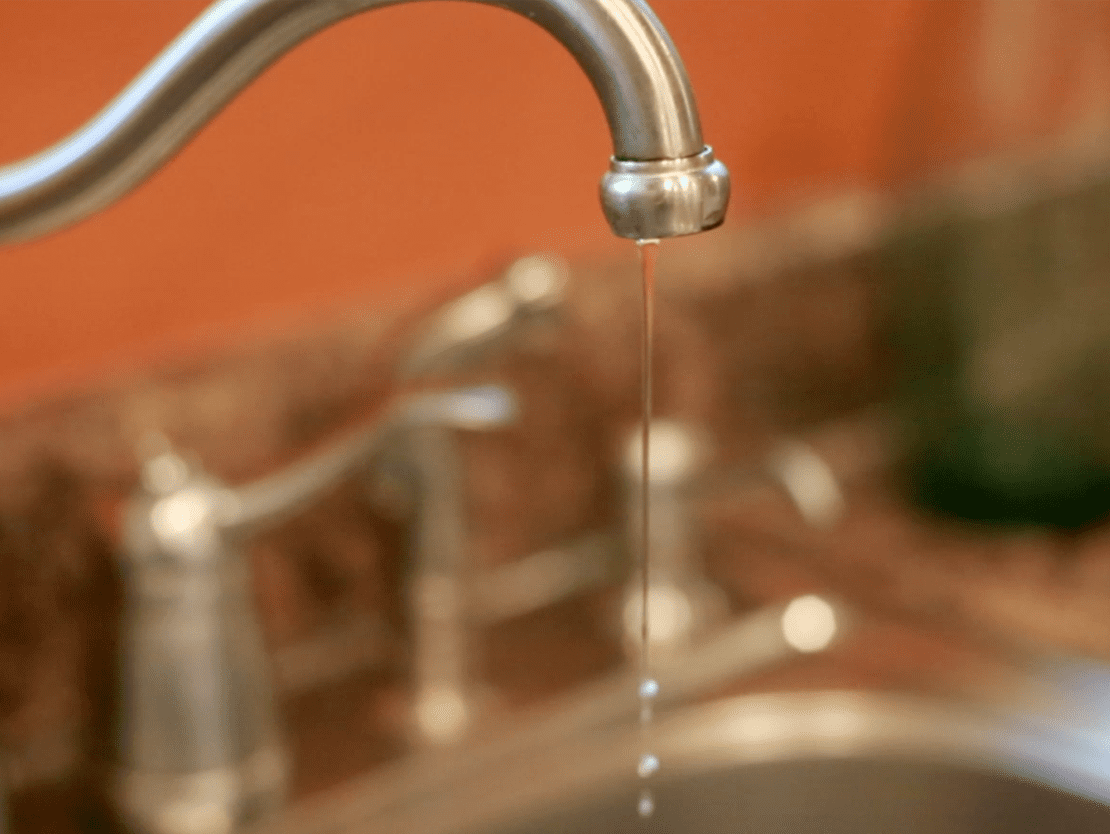
Water in pipes can freeze in cold weather. Frozen water expands and might break pipes. Dripping faucets helps prevent this. Moving water doesn’t freeze as easily. It keeps pipes safer. Dripping faucets is a simple way to protect your home. It can save you money on repairs.
Start dripping faucets before it gets very cold. Use both hot and cold taps. This keeps all pipes warm. It’s best to drip faucets in the kitchen and bathroom. Also, think about dripping the faucet in the laundry room. These areas are important in every home.
Indoor Vs. Outdoor Faucets
Indoor faucets can freeze in cold weather. Drip them to stop freezing. Dripping keeps water moving. Moving water won’t freeze easily. Open cabinets to let warm air in. Warm air helps pipes stay safe. Insulate pipes with foam covers. Foam covers keep pipes warm. Check every faucet in the house. Some may need more protection.
Outdoor faucets face the cold directly. They need special care. Cover them with faucet protectors. Faucet protectors are easy to use. Turn off water to outside pipes. Drain them completely. Drained pipes won’t burst. Wrap pipes with heat tape. Heat tape keeps pipes warm. Check for leaks and fix them. Leaks can make pipes freeze.
Credit: www.rootermancan.com
Choosing The Right Faucets
Some faucets need more attention in cold weather. Focus on outdoor faucets. They face the cold directly. Kitchen sinks are also important. They connect to outside walls. Bathrooms with pipes near outside walls are risky too. Check basements and attics. They often lack heat. All these areas freeze quickly. Dripping water keeps pipes safe. It prevents pipe bursts.
Many forget about the outdoor faucets. They are most exposed. Some think all faucets need to drip. This is not true. Only those at risk need attention. People often ignore basement pipes. These can freeze fast. Running too much water is wasteful. Just a drip is enough. Ignoring leaks can be costly. Fix them before it gets cold. Stay aware and check often.
How Much To Drip
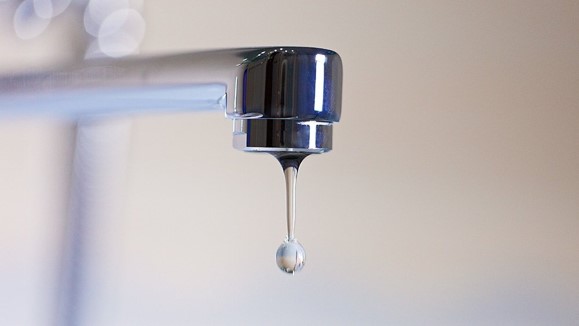
Recommended Drip Rate:Dripping faucets during a freeze is important. Use a slow drip. About one drip per second is enough. This rate helps protect pipes from freezing. Slow drips reduce water pressure in pipes. This helps prevent bursting. Dripping also keeps water moving. Moving water is less likely to freeze. Avoid fast drips. Fast drips waste water. Slow drips are more effective and save water.
Factors Affecting Drip Amount:Several factors influence how much to drip. Outside temperature is key. Colder temperatures need more dripping. Pipe material matters too. Metal pipes need more dripping. They freeze faster than plastic ones. Pipe location is crucial. Pipes in cold areas need more dripping. Indoor pipes may need less. Insulated pipes are better. Insulation helps keep pipes warm. Drip rate may vary based on these factors.
Additional Freeze Protection
During a freeze, drip faucets in unheated areas to prevent pipes from bursting. Prioritize those near exterior walls and in basements. Protect plumbing by allowing a slow trickle, keeping water flowing to avoid freezing.
Insulation Techniques
Insulate pipes to keep them warm. Use foam sleeves for this. Foam sleeves wrap around pipes tightly. They block cold air. Cold air can freeze water inside pipes. You can use newspapers too. Wrap them around pipes. Newspapers are cheap and easy to find.
Using Heat Tape
Heat tape is another option. It warms pipes. It is easy to install. Wrap it around pipes. Plug it into an outlet. Make sure it is plugged in. Heat tape keeps pipes warm. No frozen pipes, no worries. Frozen pipes can burst and cause damage.
Expert Tips For Cold Weather
Professionals know the best way to handle cold weather. They can prevent pipes from freezing. They suggest dripping faucets when it is cold. This helps to keep water flowing. It reduces the chance of pipes bursting. Expert advice is valuable. It can save a lot of trouble. They know which faucets are most at risk. Trust their guidance during cold times.
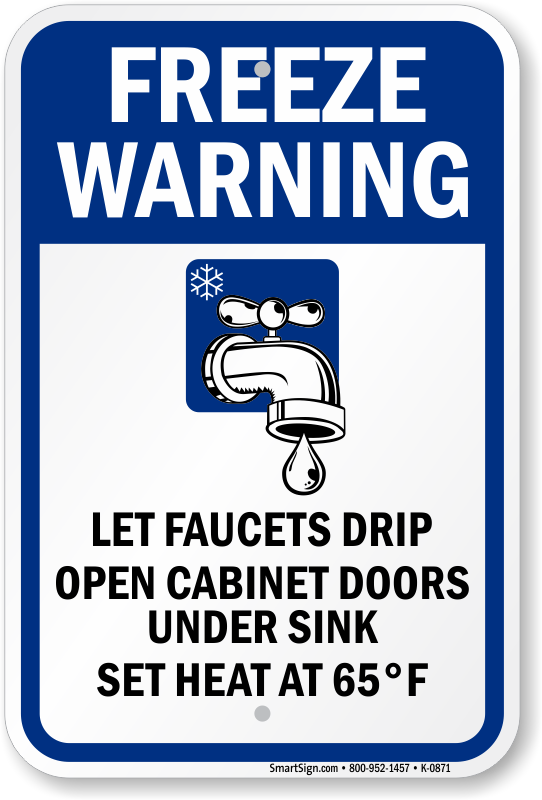
Homeowners can also take steps. Turn on faucets to a small drip. Focus on the coldest areas in the house. Under sinks and in basements are key spots. Keep cabinet doors open. This allows warm air to reach pipes. Insulate exposed pipes with foam. Simple actions can protect the home. Every little bit helps during a freeze.
Credit: www.mysafetysign.com
Frequently Asked Questions
Which Faucets Should Drip In Freezing Weather?
During freezing weather, it’s crucial to let faucets drip. Focus on faucets along exterior walls and those in unheated spaces. This helps prevent pipes from freezing and bursting. Keeping a small, steady drip ensures water movement, reducing the risk of frozen pipes.
How Much Should Faucets Drip To Prevent Freezing?
A slow, steady drip is usually sufficient to prevent freezing. Aim for a drip rate of about one drop per second. This small flow keeps water moving, which helps prevent freezing. It’s a simple step that can protect your plumbing system during cold weather.
Why Do Dripping Faucets Prevent Pipe Freezing?
Dripping faucets prevent freezing by keeping water moving through the pipes. Moving water is less likely to freeze compared to still water. This simple action helps maintain a slightly warmer temperature in the pipes, reducing the risk of ice blockages and potential pipe bursts.
Should I Drip Hot Or Cold Water During A Freeze?
Drip cold water during a freeze. Cold water lines are more susceptible to freezing. However, dripping both hot and cold lines can offer extra protection. This approach helps ensure that all pipes are kept safe from freezing temperatures, which can cause significant damage.
Conclusion
Dripping faucets prevent freezing pipes in winter. It’s a simple strategy. Focus on faucets along exterior walls. They are more prone to freezing. Also, consider dripping faucets in unheated areas. This includes garages and basements. A steady drip maintains water flow.
It reduces the risk of pipe bursts. Use cold water for best results. Stay prepared and protect your home. This small step saves costly repairs. Enjoy peace of mind this winter. Remember to check other plumbing tips too. Stay warm and safe.