Who Invented the Door Handle? A Deep Dive into Its History and Craftsmanship
Hey there! Imagine you’re sitting with me, sipping coffee, and I’m about to take you on a journey through time to uncover the fascinating story of the door handle. It’s one of those everyday objects we barely notice, yet it’s been opening doors (literally!) for centuries. As a woodworking enthusiast who’s spent hours researching and crafting, I’ve always been curious about the origins of the tools and hardware we use daily. So, let’s dive into the question: Who invented the door handle? I promise it’s more exciting than it sounds, with a mix of ancient ingenuity, modern innovation, and a touch of woodworking charm.
The Humble Beginnings of Doors and Handles
Let’s start at the very beginning. Doors have been around for thousands of years, long before anyone thought of attaching a handle. I remember reading about ancient Egypt, where doors were simple slabs of wood or stone, often moved by hand or with crude pulls. These early doors were more about security than convenience. Picture a heavy wooden plank blocking a tomb entrance—no handle, just brute strength to slide it aside. The Egyptians, clever as they were, also invented the first wooden pin tumbler locks around 3000 BC. But handles? Not quite yet.
In those days, people used basic methods to open doors. Some tied leather straps or ropes through holes in the door, looping them around a wooden bar. Others relied on bolts or latches, which were more about keeping doors closed than making them easy to open. If you were wealthy, you might have a lock and key, but for most folks, a simple latch-string did the trick. I can almost feel the texture of that rough leather strap in my hands, can’t you?
As civilizations like the Greeks and Romans advanced, doors became more sophisticated. They introduced hinges, which are surprisingly similar to the ones we use today. But even then, handles were more like pulls—simple bars or rings made of bronze or iron. I’ve seen replicas of Roman door hardware in museums, and they’re beautifully crafted, almost like jewelry. Still, the modern door handle as we know it was centuries away.
The Evolution of Door Hardware in the Middle Ages
Fast forward to the Middle Ages, and doors started to reflect status and wealth. I’ve always been fascinated by how woodworking and metalwork came together during this time. Castles and grand homes had massive wooden doors, often adorned with ornate carvings. These doors were hung on hand-forged strap hinges, which I’ve tried replicating in my workshop—let me tell you, it’s no easy task!
Instead of handles, many medieval doors used bolts or basic latches fixed into stonework. For the wealthy, doors might have decorative pulls, sometimes shaped like animals or symbols to show off their status. I can imagine a lord’s carpenter painstakingly carving a lion’s head for a door pull, adding a touch of grandeur to the entrance. For the less affluent, doors were still simple, often just textile hangings or rough wooden panels with no hardware at all.
What strikes me is how doors were more than just functional back then. They were a statement. A carved wooden door with a bronze pull told everyone who you were. It’s a reminder of how woodworking has always been about blending utility with art—a principle I try to follow in my own projects.
The Game-Changer: Osbourn Dorsey and the Modern Door Handle
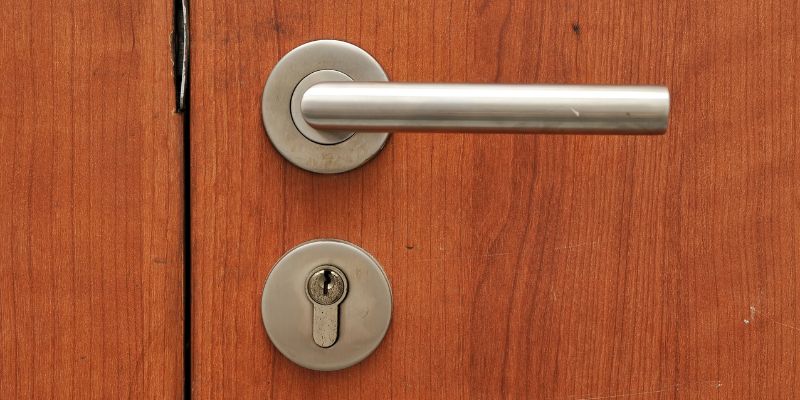
Now, let’s get to the heart of the story: the invention of the modern door handle. I was blown away when I first learned about Osbourn Dorsey, a 16-year-old African American inventor who changed the game in 1878. At an age when most of us were figuring out high school, Dorsey was imagining a better way to open doors. His patent for the internal door latching mechanism, filed with the U.S. Patent Office, introduced the door knob as we know it—a device that not only opened a door but also secured it with a latch.
Dorsey’s story is inspiring, especially considering the challenges he faced. Born in 1862 in Virginia, he was freed from slavery as an infant during the Civil War. As a self-taught inventor and blacksmith, he had a knack for problem-solving. His door knob design was simple yet revolutionary: a cast-iron knob that turned to release a latch, making it easier to open and close doors, even in the dark. I can’t help but smile thinking about a teenager coming up with something so practical yet so transformative.
Before Dorsey’s invention, people relied on less reliable methods. Latch-strings, bolts, or basic pulls were common, but they weren’t always user-friendly. Dorsey’s knob made doors more accessible and secure, paving the way for mass-produced door hardware. It’s humbling to think how a single idea from a young mind became a staple in homes worldwide.
The Industrial Revolution: Door Handles Go Mainstream
The Industrial Revolution was a turning point for door handles. As a woodworker, I’m amazed by how this era transformed craftsmanship. Mass production made metalwork more affordable, and suddenly, door knobs and handles weren’t just for the wealthy. Factories churned out brass, iron, and even porcelain knobs, bringing them into everyday homes.
During this time, door hardware also became a canvas for design. I’ve seen antique knobs from the late 1800s—some are so intricate, they look like they belong in a palace. The Victorian era, in particular, embraced decorative door knobs, often gilded or made of cut glass. Imagine turning a sparkling glass knob to enter a room—it’s like something out of a novel!
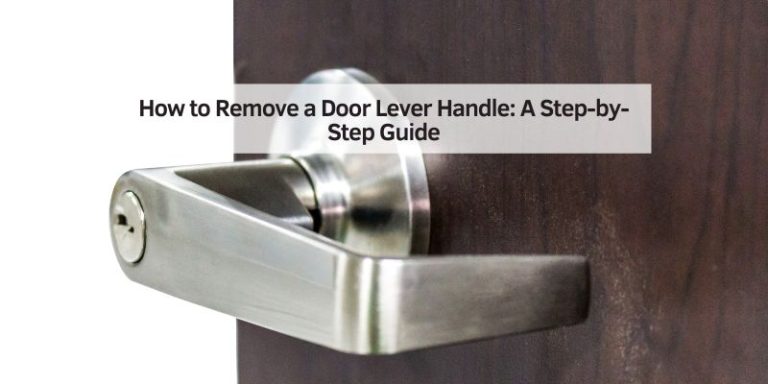
But it wasn’t just about aesthetics. The lever handle, which we now see everywhere, started gaining popularity in the early 20th century. Unlike knobs, levers are easier to operate, especially if your hands are full. I learned this the hard way when I installed a knob on my workshop door and struggled to open it while carrying lumber. Lever handles, with their spring-loaded mechanisms, made life simpler and became the go-to choice for commercial buildings.
Why Lever Handles Took Over
Let’s talk about why lever handles became more popular than knobs. As someone who’s installed both in woodworking projects, I can vouch for their practicality. Levers are easier to grip and turn, making them ideal for people with limited hand strength, like kids or the elderly. They’re also a lifesaver for accessibility—think about someone using a wheelchair or crutches. A lever handle is just easier to operate.
In my research, I found that lever handles also pair better with modern locking systems. Knobs can sometimes jam or require more force, but a lever’s design allows for smoother operation. Plus, levers fit a wider range of design styles, from sleek and modern to rustic and traditional. In my own home, I swapped out a few knobs for levers, and the difference is night and day.Here’s a quick comparison of knobs vs. levers to break it down:
| Feature | Door Knob | Lever Handle |
|---|---|---|
| Ease of Use | Requires twisting, can be hard for some | Simple push or pull, accessible |
| Design Options | Classic, decorative, but limited | Wide range, modern to traditional |
| Accessibility | Less friendly for disabilities | Ideal for all ages and abilities |
| Durability | Can wear out with heavy use | Often more robust with springs |
| Cost | Generally cheaper | Slightly pricier but worth it |
This table sums up why levers have become the standard in many homes and businesses. If you’re a woodworker like me, choosing the right hardware is as important as selecting the perfect wood for your door.
The Craftsmanship Behind Door Handles
As a woodworker, I can’t talk about door handles without mentioning the craftsmanship that goes into them. Early handles were hand-forged by blacksmiths, each one a unique piece of art. I’ve tried my hand at forging simple hardware, and it’s a humbling process—hammering hot metal into shape takes skill and patience.
Today, door handles are made from a variety of materials: brass, stainless steel, bronze, even wood. I once crafted a custom wooden lever handle for a client’s barn door, and let me tell you, sanding it to a smooth finish was a labor of love. Wooden handles add warmth and character, but they require careful sealing to withstand wear and tear. Metal handles, on the other hand, are durable and versatile, perfect for high-traffic doors.
What I love most is how door handles blend form and function. A well-made handle feels solid in your hand, with just the right weight and grip. It’s a small detail, but it can elevate the entire experience of entering a room. Next time you open a door, take a moment to appreciate the handle—it’s a tiny piece of history in your hand.
Door Handles in Modern Design
These days, door handles are more than just tools—they’re design statements. I’ve noticed a trend toward minimalist levers in sleek stainless steel or matte black finishes. They’re perfect for modern homes, where clean lines and simplicity reign. But there’s also a revival of vintage styles, like ornate brass knobs inspired by the Victorian era or rustic iron levers for farmhouse aesthetics.
In my woodworking projects, I always consider how the handle complements the door. A heavy oak door deserves a sturdy, hand-forged lever, while a sleek glass door calls for a slim, modern handle. It’s like choosing the right accessory for an outfit—it has to feel cohesive.
Smart technology is also creeping into door handles. I recently installed a smart lock with a built-in lever handle for a client, and it’s incredible how it combines security with style. You can unlock it with a keypad or your phone, which is perfect for tech-savvy homeowners. It’s a far cry from the latch-strings of ancient times, but it shows how door handles keep evolving.
Tips for Woodworkers: Choosing and Installing Door Handles
If you’re a fellow woodworker, picking the right door handle for your project is crucial. Here are some tips I’ve learned over the years:
- Match the Door’s Style: A rustic barn door looks odd with a shiny modern lever. Choose hardware that complements the wood and finish.
- Consider Function: Will the door see heavy use? Go for a durable lever handle. For decorative doors, a unique knob might work.
- Check Compatibility: Make sure the handle works with your lock or latch system. I once bought a gorgeous lever only to realize it didn’t fit my mortise lock—lesson learned!
- Measure Twice: Door thickness matters. Most handles fit standard doors (1-3/8 to 1-3/4 inches), but custom doors may need special hardware.
- Finish with Care: If you’re staining or painting the door, install the handle last to avoid damage. Trust me, masking tape only goes so far.
Installing a handle is straightforward but requires precision. I always double-check the alignment and test the latch before calling it done. There’s nothing worse than a wobbly handle ruining a beautiful door.
The Cultural Impact of Door Handles
It’s easy to overlook door handles, but they’ve shaped how we interact with spaces. Think about it: every time you enter a room, a handle makes it possible. Dorsey’s invention democratized door hardware, making homes safer and more accessible. Lever handles, in turn, opened doors (pun intended) for people with disabilities, proving that good design can change lives.
In woodworking, door handles are a reminder that small details matter. A well-crafted handle can elevate a simple door into a work of art. I’ve spent hours sanding doors to perfection, only to realize the handle is what people notice first. It’s a humbling lesson in the power of thoughtful design.

Conclusion
As I sit here, reflecting on the journey of the door handle, I’m struck by how something so small carries so much history. From ancient Egyptian locks to Osbourn Dorsey’s game-changing knob, door handles have evolved alongside human ingenuity. They’re a testament to the creativity of inventors, blacksmiths, and woodworkers who’ve shaped our world, one door at a time.
For me, as a woodworker, door handles are more than hardware—they’re a connection to the past and a chance to add beauty to everyday life. Whether you’re crafting a door from scratch or just swapping out a knob for a lever, you’re part of this centuries-old story. So next time you turn a handle, think about the hands that came before—those of ancient carpenters, medieval blacksmiths, and a 16-year-old inventor who opened doors for us all.
Frequently Asked Questions
What’s the Difference Between a Door Knob and a Door Handle?
A door knob is a round, twistable device, while a door handle is usually a lever you push or pull. Knobs, like those invented by Osbourn Dorsey, require more grip strength, while levers are easier to use, especially for accessibility. Both can be decorative, but levers are more common in modern homes due to their practicality.
Why Did Lever Handles Replace Door Knobs?
Lever handles became popular because they’re easier to use, especially for people with limited hand strength or disabilities. They require less effort to operate and work better with modern locks. Plus, levers come in a wide range of styles, making them versatile for different designs.
Can I Use Wooden Door Handles in My Projects?
Yes, wooden handles are beautiful and add warmth to a door. I’ve made a few myself, but they need proper sealing to prevent wear. They’re best for low-traffic doors, as metal handles are more durable for heavy use. Pair them with a sturdy latch for the best results.
How Do I Choose the Right Door Handle for My Woodworking Project?
Consider the door’s style, function, and the room’s aesthetic. A rustic door pairs well with forged iron levers, while a modern door looks great with sleek stainless steel. Always check compatibility with your lock and measure the door thickness to ensure a proper fit.
Are Smart Door Handles Worth It?
Smart handles with keypads or app controls are great for security and convenience, especially for exterior doors. They’re pricier, but I’ve installed a few for clients who love the tech. Just make sure they match your door’s style and are compatible with your lock system.