Who Invented the Ratchet Wrench: A Deep Dive into Its History
Hey there, gearheads and curious minds! If you’ve ever worked on a car, tightened a bolt, or tackled a DIY project, chances are you’ve used a ratchet wrench. It’s one of those tools that feels like it’s been around forever, making our lives easier with its smooth, clicking action. But have you ever stopped to wonder, “Who invented the ratchet wrench?” I sure did, and I’ve spent hours digging into the history of this game-changing tool.
As an automotive enthusiast who’s spent plenty of time under the hood, I’m excited to share what I’ve learned about the origins of the ratchet wrench, the key players involved, and how it became a must-have in every mechanic’s toolbox. So, grab a seat, maybe a cold drink, and let’s dive into the fascinating story of the ratchet wrench!
What Is a Ratchet Wrench?
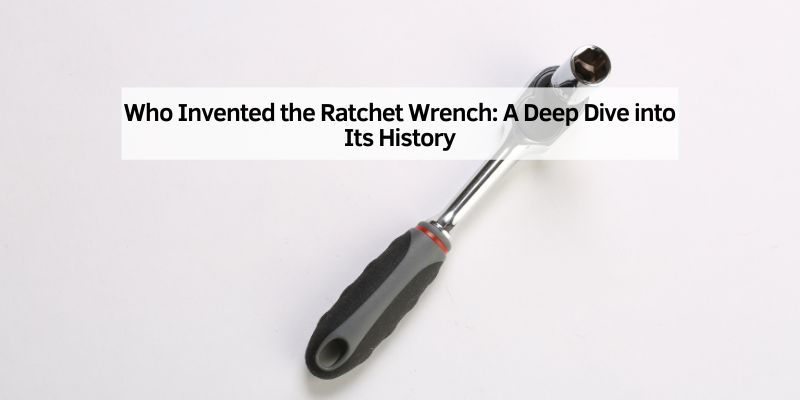
Let’s start with the basics. A ratchet wrench is a hand tool that lets you turn bolts or nuts without having to reposition the tool after each turn. It has a mechanism that allows the handle to rotate in one direction to tighten or loosen, while “ratcheting” back in the opposite direction without moving the fastener. That clicking sound you hear? That’s the magic of the ratchet mechanism at work.
I remember the first time I used one in my garage. I was swapping out a car battery, and the ratchet wrench made quick work of those tight bolts in a cramped space. No need to keep lifting and resetting the tool—it was smooth and fast. Whether you’re a pro mechanic or just fixing something around the house, this tool is a lifesaver.
The Early Days of Wrenches
To understand where the ratchet wrench came from, we need to go back to the early days of wrenches. Before ratchet wrenches, people used fixed wrenches, like the monkey wrench, which was invented around 1858 by a guy named Charles Moncky. These early tools were solid but clunky. You had to keep removing and repositioning them to turn a bolt, which was slow and frustrating, especially in tight spots like under a car.
I’ve tried using a monkey wrench for some vintage car restoration projects, and let me tell you, it’s a workout! It made me appreciate how far we’ve come with tools like the ratchet wrench. Back then, mechanics and inventors were already dreaming of ways to make wrenches more efficient, and that set the stage for the ratchet wrench’s big debut.
The First Ratchet Wrench: J.J. Richardson’s Breakthrough
Now, let’s get to the juicy part: who came up with the first ratchet wrench? From what I’ve uncovered, the credit goes to J.J. Richardson, an American inventor who patented the first ratcheting socket wrench in 1863. His design was a game-changer. It used interchangeable sockets that could fit different bolt sizes, and the ratcheting mechanism meant you could keep turning without resetting the tool.
Picture this: it’s the 1860s, the Industrial Revolution is in full swing, and machines are popping up everywhere. Mechanics needed tools that could keep up. Richardson’s wrench was designed to work with sockets, which were already used with hand cranks, but his ratcheting action made it way more practical. I can only imagine how excited mechanics must have been to try it out! It was like upgrading from a flip phone to a smartphone.
Robert Owen Jr. and the Double-Acting Wrench
Fast forward to 1913, and another name pops up: Robert Owen Jr. He patented what’s often called the “double-acting wrench,” another early version of the ratchet wrench. Owen’s design, patented on September 9, 1913, improved on earlier ideas by allowing the wrench to ratchet in both directions—tightening and loosening—without flipping the tool over. This was huge for efficiency.
I’ve seen pictures of Owen’s wrench in old tool catalogs, and it looks surprisingly modern. It had a solid, chunky design that you could tell was built to last. While Richardson laid the groundwork, Owen’s patent helped refine the ratchet wrench into something closer to what we use today. Both guys deserve a nod for pushing the tool forward.
The Quick-Release Ratchet: Peter Roberts’ Contribution
Here’s where the story gets even more interesting. In 1963, a teenager named Peter Roberts, just 18 years old, came up with a brilliant idea: a quick-release ratchet wrench. This feature lets you easily swap out sockets without wrestling them off the wrench. I can’t tell you how many times I’ve been thankful for that quick-release button when I’m working on a car and need to switch socket sizes fast.
Roberts worked as a clerk at Sears and pitched his idea to them. They bought his patent for $10,000, saying it wasn’t worth much. Spoiler alert: they were wrong. Sears sold millions of these wrenches, and Roberts ended up in a long legal battle to get fair compensation. His story is a reminder of how a young, creative mind can make a big impact. I admire his grit—imagine being 18 and inventing something that changes the game!
Snap-on and the Rise of Modern Ratchet Wrenches
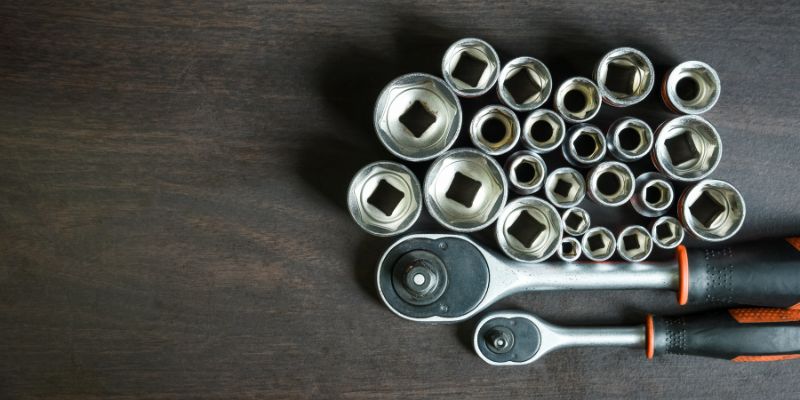
Another key player in the ratchet wrench story is Snap-on, a tool company that’s a favorite among mechanics. In 1923, Snap-on filed a patent for a ratcheting attachment, designed by Joseph Johnson. This was the No. 6 Ratchet, and it was a big step toward the sleek, reliable ratchet wrenches we know today. Snap-on’s design focused on durability and precision, making it a go-to for pros.
I’ve got a Snap-on ratchet wrench in my toolbox, and it’s a beast. The smooth action and solid build make it worth every penny. Snap-on’s contribution wasn’t just about inventing the wrench but about perfecting it for the modern mechanic. Their tools became a status symbol in garages across the USA, and they’re still a top choice for anyone serious about automotive work.
How the Ratchet Wrench Changed the Automotive World
Let’s talk about why the ratchet wrench matters so much, especially for car enthusiasts like us. Before ratchet wrenches, working on a car was a slow, tedious process. Imagine trying to rebuild an engine with just a monkey wrench—every bolt would take forever! The ratchet wrench sped things up, letting mechanics work faster and more efficiently.
I’ve used ratchet wrenches on everything from changing spark plugs to swapping out suspension parts. The ability to work in tight spaces without repositioning the tool is a godsend. It’s no exaggeration to say that the ratchet wrench helped fuel the automotive boom of the 20th century, from Model T assembly lines to modern repair shops.
Types of Ratchet Wrenches
Not all ratchet wrenches are the same, and I’ve tried a bunch to see what works best. Here’s a quick rundown of the main types you’ll find:
| Type | Description | Best For |
|---|---|---|
| Standard Ratchet | Basic ratchet with a single-direction mechanism | General automotive work, DIY projects |
| Quick-Release Ratchet | Has a button to release sockets easily | Fast-paced jobs, frequent socket changes |
| Flex-Head Ratchet | Head pivots for better angles | Tight spaces, awkward angles |
| Fine-Tooth Ratchet | More teeth for smoother, finer ratcheting | Precision work, delicate fasteners |
| Extendable Ratchet | Handle extends for extra leverage | Heavy-duty tasks, stubborn bolts |
Each type has its place. I keep a quick-release ratchet for most jobs, but my flex-head ratchet is a lifesaver when I’m working under the dashboard. If you’re building a toolbox, start with a standard or quick-release model and add others as you need them.
How to Choose the Right Ratchet Wrench
Picking a ratchet wrench can feel overwhelming with so many options. Here’s what I’ve learned from years of buying and using them:
- Size: Ratchet wrenches come in different drive sizes, like 1/4-inch, 3/8-inch, and 1/2-inch. I use a 3/8-inch for most car work—it’s versatile. Smaller drives are great for precision, while larger ones handle heavy-duty tasks.
- Tooth Count: More teeth mean smoother ratcheting. My fine-tooth ratchet has 80 teeth, and it’s a dream for tight spaces. Look for at least 60 teeth for general use.
- Material: Go for chrome-vanadium steel for durability. Cheaper wrenches might save you money upfront, but won’t last.
- Brand: Snap-on, Craftsman, and GearWrench are solid choices. I’ve had good luck with Craftsman for budget-friendly options.
- Comfort: Look for a handle with a good grip. You’ll be holding it for hours, so it should feel right in your hand.
My first ratchet wrench was a cheap, no-name brand, and it broke after a month. Lesson learned—invest in quality, and it’ll pay off in the long run.
Caring for Your Ratchet Wrench
A good ratchet wrench can last decades if you treat it right. I’ve got one from my dad that’s older than me and still works like a charm. Here’s how I keep mine in top shape:
- Clean It: Wipe it down after use to remove grease or dirt. A quick rub with a rag keeps it shiny and rust-free.
- Lubricate: Every few months, I add a drop of oil to the ratchet mechanism to keep it smooth. Don’t overdo it—too much oil attracts dirt.
- Store Properly: Keep it in a toolbox or on a rack, not loose in a drawer where it can get banged up.
- Avoid Over-Torquing: Don’t use your ratchet for super heavy jobs, it’s not built for. I learned this the hard way when I stripped the gears on a cheap one.
Taking care of your tools is like taking care of your car— a little maintenance goes a long way.
Why Ratchet Wrenches Are a Must for Car Enthusiasts
If you’re into cars, a ratchet wrench is non-negotiable. It’s perfect for everything from oil changes to brake jobs. The speed and precision save you time, and the ability to work in tight spots makes it indispensable. I remember helping a friend rebuild a classic Mustang, and we couldn’t have done it without our trusty ratchet wrenches.
Plus, there’s something satisfying about that click-click sound as you work. It’s like the tool is cheering you on! Whether you’re a weekend warrior or a pro mechanic, a good ratchet wrench makes you feel like you can tackle anything.
The Evolution of the Ratchet Wrench
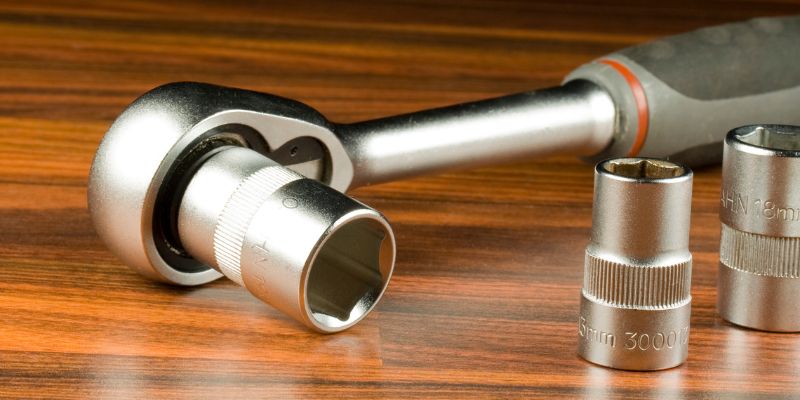
The ratchet wrench has come a long way since J.J. Richardson’s 1863 patent. Over the years, inventors and companies have tweaked the design to make it better. In 1934, an engineer named Theodore Rueb at SK Tools patented the first fine-tooth round-head ratchet, which offered smoother action. Today, we’ve got cordless electric ratchet wrenches that combine the classic mechanism with battery power for even faster work.
I recently tried an electric ratchet wrench for a quick tire rotation, and it was a game-changer. It’s not a replacement for a manual one, but it’s great for repetitive tasks. The core idea—ratcheting action—has stayed the same, but the innovations keep making it better.
Where to Buy a Ratchet Wrench
Ready to add a ratchet wrench to your toolbox? You’ve got options. I’ve bought mine from auto parts stores like AutoZone, online retailers like Amazon, and directly from brands like Snap-on. Prices range from $20 for a basic model to over $100 for a high-end one. If you’re just starting out, a mid-range brand like GearWrench or Craftsman is a great balance of quality and price.
Pro tip: Check out tool trucks if you want to see high-end options in person. I got my Snap-on ratchet from a tool truck guy who let me try it out first. Online reviews are also your friend—read up to make sure you’re getting a solid tool.
Conclusion
After diving into the history of the ratchet wrench, I’m even more amazed by how such a simple tool has made such a big impact. From J.J. Richardson’s 1863 invention to Peter Roberts’ quick-release breakthrough and Snap-on’s precision designs, the ratchet wrench is a testament to human ingenuity. It’s saved countless hours in garages and workshops, making life easier for mechanics and DIYers like me across the USA.
Whether you’re tightening bolts on a classic car or fixing a bike, the ratchet wrench is your best friend. Its story is one of innovation, persistence, and a little bit of teenage brilliance. So, next time you hear that satisfying click, take a moment to appreciate the inventors who made it possible. Now, go grab a ratchet wrench and get to work—your next project is waiting!
Frequently Asked Questions
What does a ratchet wrench do?
A ratchet wrench lets you turn bolts or nuts without repositioning the tool. It ratchets in one direction to tighten or loosen and clicks back in the other direction without moving the fastener.
Who was the first person to invent the ratchet wrench?
J.J. Richardson patented the first ratcheting socket wrench in 1863, making him the earliest known inventor of the concept.
What’s the difference between a ratchet wrench and a regular wrench?
A ratchet wrench has a mechanism that allows continuous turning without resetting, while a regular wrench needs to be lifted and repositioned for each turn.
Are ratchet wrenches only for mechanics?
No way! They’re great for anyone doing automotive work, home repairs, or DIY projects. They’re versatileand easy to use.
How long do ratchet wrenches last?
With proper care, a good-quality ratchet wrench can last decades. I’ve got one that’s over 30 years old and still works perfectly.
Can I use a ratchet wrench for heavy-duty tasks?
It depends on the wrench. Standard ratchet wrenches are great for most tasks, but for really tough bolts, you might need a breaker bar or an extendable ratchet for extra leverage.
Are electric ratchet wrenches worth it?
They’re great for repetitive tasks or speeding up jobs, but they’re pricier. I still use a manual one for mostwork, but an electric one is handy for big projects.