Why Are Lampshades So Expensive: Essential Guide
Quick Summary: Lampshades can be expensive due to material quality, intricate craftsmanship, custom design work, brand reputation, and specialized manufacturing processes. Understanding these factors helps justify the cost and guides you toward making a smart purchase.
Ever looked at a beautiful lampshade and thought, “Wow, that’s a bit pricey!”? You’re not alone. It’s a common question many homeowners ask: why are lampshades so expensive? It can be frustrating when you’re trying to refresh your home decor on a budget and a simple fabric covering for a light bulb seems to cost a fortune. But don’t worry, there are solid reasons behind those price tags. We’re going to break down exactly what goes into making a lampshade and why some cost so much. By the end of this guide, you’ll understand the value behind a well-made lampshade and feel more confident about your next purchase.
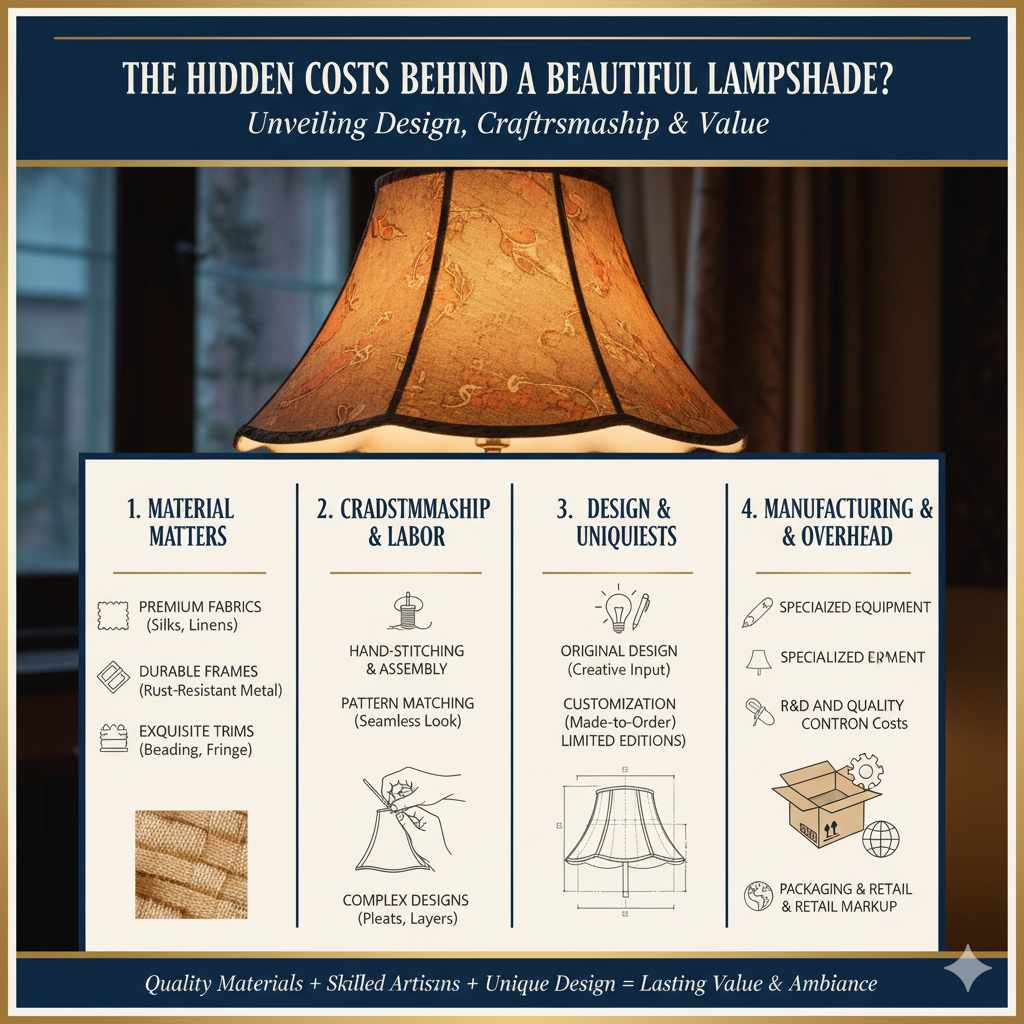
The Hidden Costs Behind a Beautiful Lampshade
When you see a lampshade in a store or online, you’re looking at the final product. What you don’t often see are the hours of design, the quality of materials, the skilled labor, and the specialized machinery that went into creating it. Think of it like buying a piece of furniture; the visible item is just the tip of the iceberg. Let’s explore the key elements that contribute to the cost.
1. Material Matters: Quality You Can See and Feel
The fabric, trim, and frame of a lampshade are the most obvious components, and their quality significantly impacts the price. Cheaper lampshades often use thin, synthetic fabrics that can look flimsy and don’t diffuse light well. Higher-end lampshades, on the other hand, might feature:
- Premium Fabrics: Think silks, linens, velvets, or even hand-woven textiles. These materials are more expensive to source, more delicate to work with, and offer a richer texture and appearance.
- Durable Frames: The internal frame (often made of metal) needs to be sturdy to hold the shape and support the shade. High-quality frames are rust-resistant and built to last, preventing sagging over time.
- Exquisite Trims: From delicate lace and intricate beading to elegant fringe and piping, these embellishments add detail and cost. They often require careful hand-application.
- Specialty Finishes: Some shades have unique finishes, like embossed patterns, metallic threads, or even hand-painted designs, all of which add to the production cost.
When you invest in a lampshade with superior materials, you’re not just buying something that looks good; you’re buying something that will last longer and enhance the ambiance of your room more effectively.
2. Craftsmanship and Labor: The Human Touch
Many beautiful lampshades aren’t mass-produced by machines. They are often crafted by skilled artisans who take pride in their work. This involves:
- Hand-Stitching and Assembly: Many higher-quality shades are assembled by hand. This meticulous process ensures precision and a level of detail that automated production can’t replicate.
- Pattern Matching: For fabrics with intricate patterns, matching them perfectly across seams requires extra time and expertise, minimizing waste and ensuring a seamless look.
- Complex Designs: Shades with unique shapes, pleats, ruching, or multiple layers involve more complex construction techniques that demand skilled labor.
- Quality Control: Artisans and manufacturers perform rigorous quality checks to ensure each shade meets high standards before it reaches you.
The labor involved in creating a well-made lampshade can be substantial. Skilled workers are compensated for their expertise, time, and attention to detail, which is reflected in the final price.
3. Design and Uniqueness: More Than Just a Cover
A lampshade isn’t just functional; it’s a decorative element. Unique designs, custom orders, and branded pieces come with a higher cost:
- Original Design: Designers invest time and creativity into developing aesthetically pleasing and innovative lampshade styles. This intellectual property and creative input are factored into the price.
- Customization: Ordering a lampshade in a specific size, color, fabric, or with personalized details means it’s made-to-order. This process is more expensive than buying off-the-shelf due to the individual attention and setup required.
- Brand Name: Like any other product, well-known lighting or home decor brands often command higher prices due to their reputation, perceived quality, and marketing efforts.
- Limited Editions: Small-batch or limited-edition lampshades, especially those featuring unique artwork or collaborations, will naturally be more expensive due to their exclusivity.
If you’re looking for a statement piece that truly reflects your style, the investment in a unique or custom design can be well worth it.
4. Manufacturing Processes and Overhead
Beyond the direct cost of materials and labor, several other factors contribute to the final price:
- Specialized Equipment: Some lampshade designs require specific machinery for cutting, bending frames, or applying finishes, which represents a significant capital investment for manufacturers.
- Research and Development: Companies invest in R&D to create new designs, test materials for durability and safety, and improve manufacturing techniques.
- Packaging and Shipping: Lampshades, especially larger or delicate ones, require careful packaging to prevent damage during transit. This specialized packaging adds to the cost.
- Retail Markup: Whether you’re buying from a brick-and-mortar store or an online retailer, they need to cover their operational costs (rent, staff, marketing, etc.) and make a profit, which includes a markup on the wholesale price.
These less visible costs are essential for bringing a quality product from the workshop to your home.
DIY vs. Store-Bought: A Cost Comparison
For many DIY enthusiasts, making a lampshade at home seems like the obvious way to save money. And often, it is! However, it’s important to consider all the costs involved in a DIY project.
The Cost of DIY Lampshades
While you can certainly make a lampshade for less than a high-end store-bought version, here’s what to factor in:
- Materials: Fabric, frame (or materials to build one), adhesive, trim, and any decorative elements.
- Tools: You might need special scissors, a sewing machine, a hot glue gun, a measuring tape, or even a frame-making kit. If you don’t already own these, their cost adds up.
- Time: Your time is valuable! The hours spent designing, cutting, sewing, and assembling are a significant investment.
- Mistakes: Beginners might make errors that require re-doing steps or purchasing extra materials.
For a simple, basic lampshade, DIY can be very cost-effective. For more complex designs or if you need to buy many new tools, the savings might be less dramatic.
When Store-Bought Makes Sense
There are times when buying a lampshade, even an expensive one, is the better choice:
- Saving Time: If you’re busy, the convenience of buying a ready-made shade is worth the price.
- Professional Finish: For a polished, professional look that’s hard to achieve at home, a store-bought shade is often superior.
- Unique Designs: You might find a designer lampshade that perfectly fits your style, which would be difficult or impossible to replicate yourself.
- Specialty Materials: Some materials, like certain types of silk or hand-blown glass accents, are hard for individuals to source and work with.
Ultimately, the decision between DIY and store-bought depends on your budget, time, skill level, and desired outcome.
Types of Lampshades and Their Price Points
The style and construction of a lampshade can drastically affect its price. Here’s a look at some common types and what influences their cost:
| Lampshade Style | Typical Materials | Key Cost Factors | General Price Range (USD) |
|---|---|---|---|
| Drum/Cylinder | Fabric (cotton, linen, silk), metal frame | Fabric quality, frame thickness, seam construction | $30 – $200+ |
| Empire/Bell | Fabric, metal frame, often with trim | Intricacy of shape, quality of trim (e.g., fringe, piping), fabric type | $40 – $250+ |
| Square/Rectangular | Fabric, metal frame | Precision of corners, fabric pattern matching, material quality | $35 – $180+ |
| Pleated | Silk, linen, or other fine fabrics, metal frame | Complexity of pleats (e.g., knife, box, cartridge), hand-pleating vs. machine, fabric type | $50 – $300+ |
| Unique/Designer Shapes | Varied (fabric, metal, wood, acrylic, glass) | Complexity of design, material rarity, artisan labor, brand | $100 – $1000+ |
| Paper/Rice Paper | Paper, thin wire frame | Size, quality of paper, sturdiness of frame, design | $20 – $100+ |
As you can see, even within common styles, there’s a wide range of prices. A basic drum shade made from plain cotton will be much less expensive than a silk drum shade with intricate detailing.
How to Find Quality Lampshades Without Overspending
So, how do you navigate the world of lampshades and find a great one that fits your budget? Here are some tips:
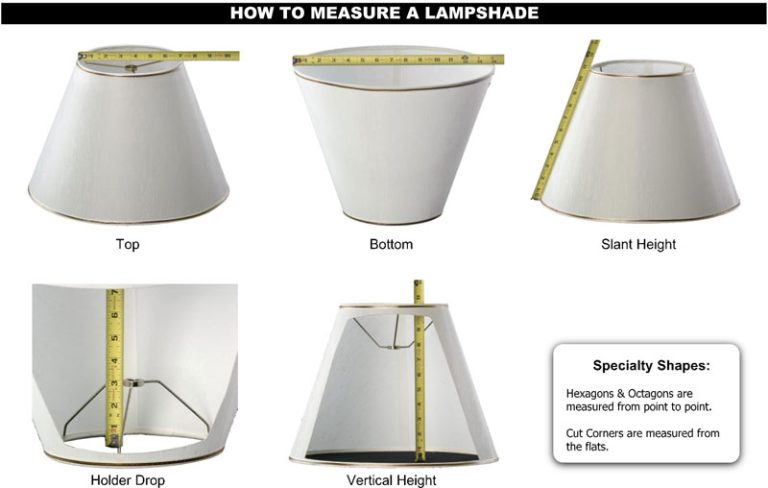
- Know Your Needs: Measure your lamp base and consider the style of your room. This helps you narrow down your search and avoid impulse buys.
- Prioritize the Frame and Fitting: Ensure the frame is sturdy and the fitting (the part that attaches to the bulb socket) is compatible with your lamp. A wobbly or ill-fitting shade looks cheap and can be frustrating.
- Inspect the Seams and Construction: Look for clean, tight seams. If it’s a fabric shade, check if the fabric is pulled taut and smooth.
- Consider the Light Diffusion: How does the shade look when lit? A good shade should cast a pleasant, even light, not harsh shadows or a dim glow.
-
Shop Smart:
- Sales and Discounts: Keep an eye out for sales at home decor stores, lighting shops, and online retailers.
- Secondhand Stores and Flea Markets: You can often find unique, well-made vintage lampshades at bargain prices. Just check for damage.
- DIY with Quality Materials: If you’re crafty, invest in good quality fabric and a sturdy frame kit.
- Consider “Shade Kits”: Many craft stores sell frames and materials specifically for DIY lampshade making, which can be more affordable than buying all components separately.
- Read Reviews: Online reviews can give you insights into the quality and durability of a lampshade from other buyers.
Making informed choices can help you get the most bang for your buck. For instance, choosing a linen shade over silk can offer a similar natural look at a lower cost.
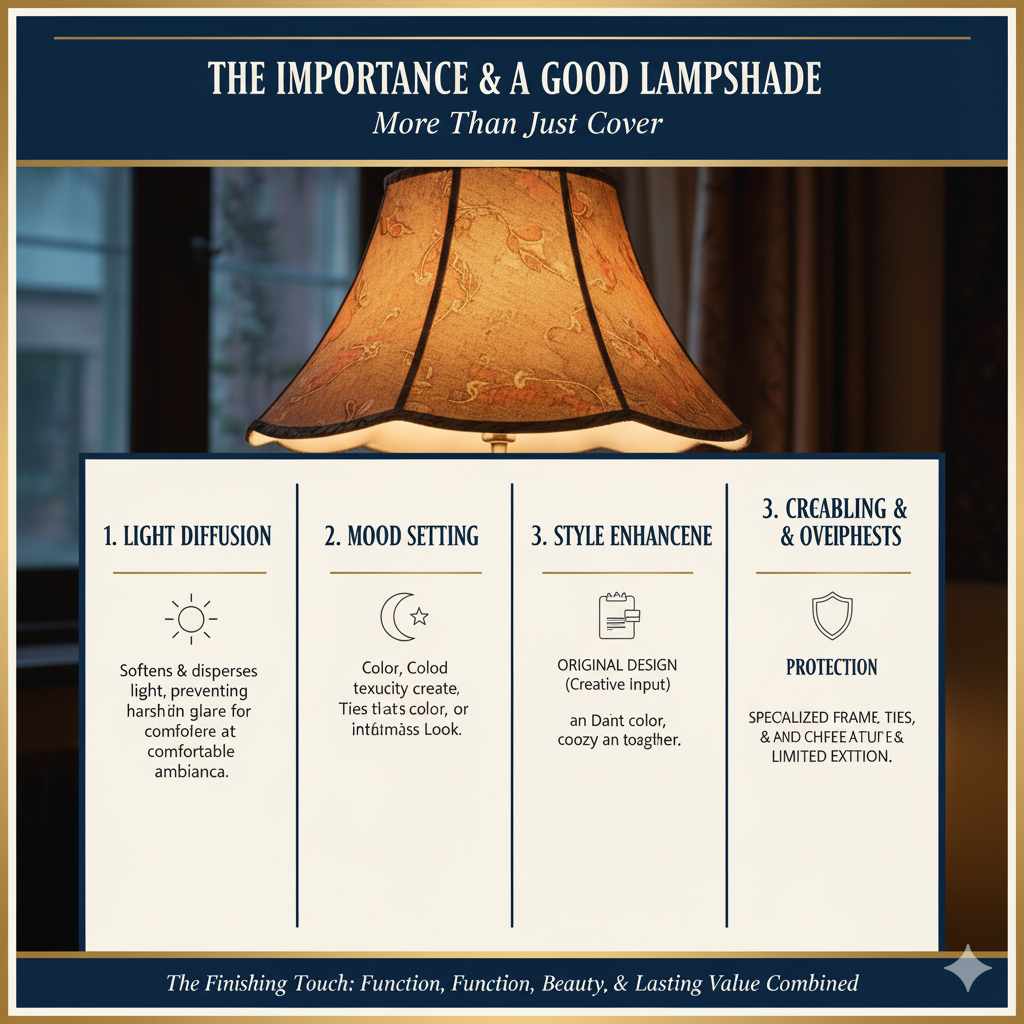
The Importance of a Good Lampshade
Beyond aesthetics, a lampshade plays a crucial role in how your lamp functions and contributes to your home’s atmosphere:
- Light Diffusion: A well-chosen lampshade softens and disperses light from the bulb, creating a more comfortable and inviting ambiance. It prevents harsh glare and directs light where you need it.
- Mood Setting: The color, texture, and opacity of a lampshade significantly influence the mood of a room. A sheer shade might create a bright, airy feel, while a thick, dark shade can offer a cozy, intimate atmosphere.
- Style Enhancement: A lampshade is a key decorative element. It can tie a room together, add a pop of color, or serve as a focal point. A stylish lampshade can elevate the entire lamp and its surroundings.
- Protection: It protects the bulb from dust and accidental contact, and also shields your eyes from the direct brightness of the bulb.
Think of your lampshade as the finishing touch that completes the lamp and enhances your living space. For more information on lighting design principles, you can explore resources from institutions like the U.S. Department of Energy, which offers insights into efficient and effective home lighting.
Frequently Asked Questions (FAQ)
Q1: Can I make a lampshade cheaper than buying one?
A: Often, yes! For basic designs, DIY can be very cost-effective. However, factor in the cost of materials, tools, and your time. For complex or very high-quality designs, the cost savings might be less significant, and a professional finish might be harder to achieve.
Q2: What is the most expensive part of a lampshade?
A: It varies, but often it’s a combination of high-quality, specialized materials (like genuine silk or intricate trims) and skilled artisan labor for complex designs or hand-assembly. For designer brands, the brand name itself also adds significant cost.
Q3: Are silk lampshades worth the extra cost?
A: For many, yes. Silk offers a luxurious look and a beautiful, soft light diffusion that synthetic materials can’t quite match. If you’re looking for a high-end aesthetic and a warm glow, a silk lampshade can be a worthwhile investment.
Q4: How can I tell if a lampshade is good quality?
A: Look for a sturdy, well-constructed frame. The fabric should be taut, with clean, neat seams and any trim should be securely attached. Check for consistent color and a pleasing light diffusion when the lamp is on. Avoid flimsy materials or loose threads.
Q5: Where can I buy affordable, good-quality lampshades?
A: Consider sales at major home goods retailers, online marketplaces like Amazon or Etsy (filter by price and read reviews!), and thrift stores or flea markets for vintage finds. Sometimes, lighting specialty stores have sales sections.
Q6: What does “shantung” or “Dupioni” silk mean for a lampshade?
A: These are types of silk with unique textures. Shantung has a slubbed, irregular texture, while Dupioni silk has a crisp feel and often shows subtle color variations due to its dual-colored warp and weft threads. Both offer a rich, textured look but can be more expensive than plain silk.
Conclusion
Understanding why lampshades carry a certain price tag demystifies the process and empowers you to make informed decisions. From the quality of the silk or linen to the meticulous hand-stitching and the creative vision of the designer, each element contributes to the final cost. Whether you’re drawn to the elegance of a custom-made piece, the charm of a vintage find, or the satisfaction of a DIY project, there’s a lampshade out there for you. By considering materials, craftsmanship, design, and your own needs, you can confidently select a lampshade that not only illuminates your space but also adds beauty and character to your home for years to come.